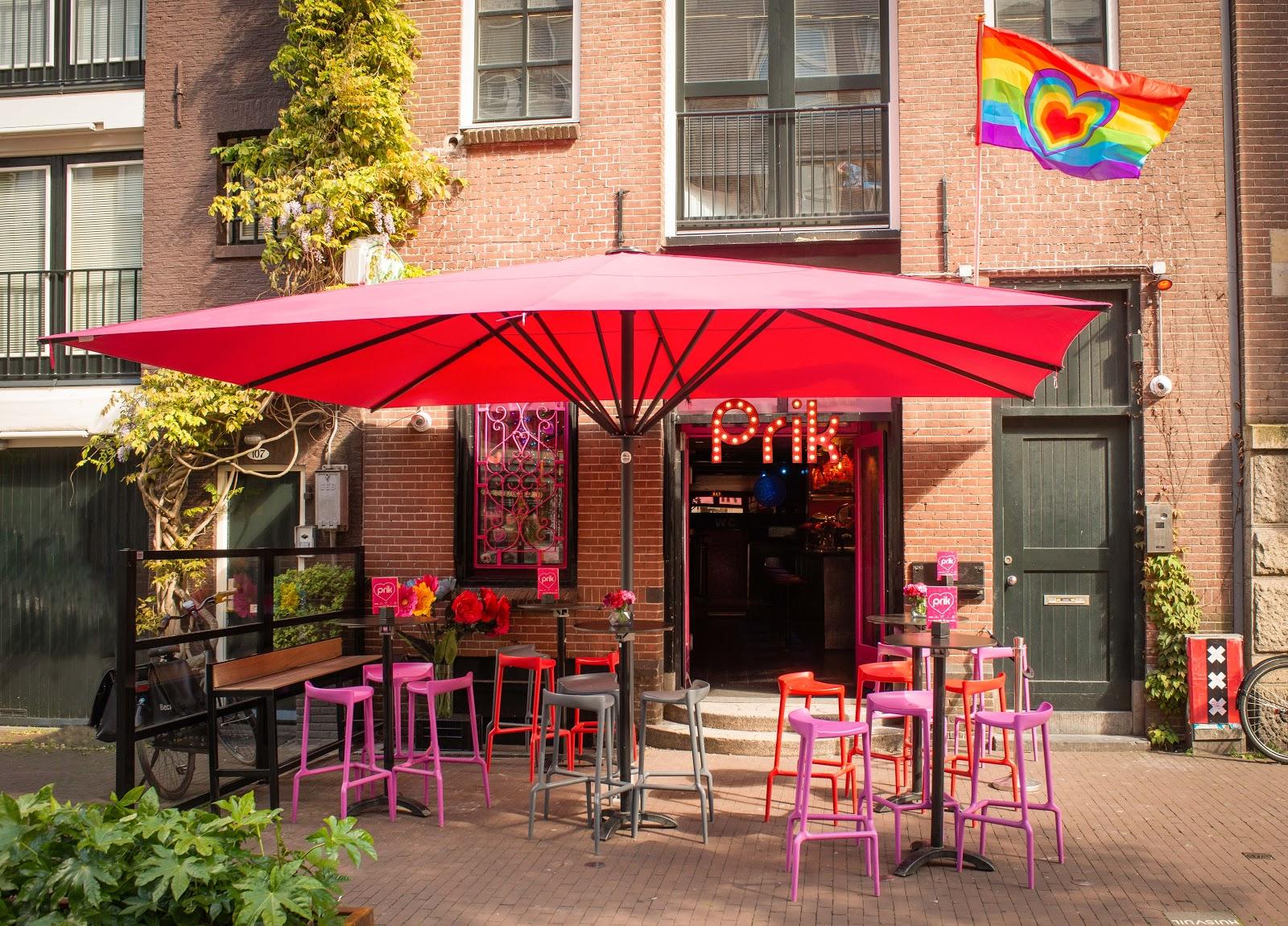
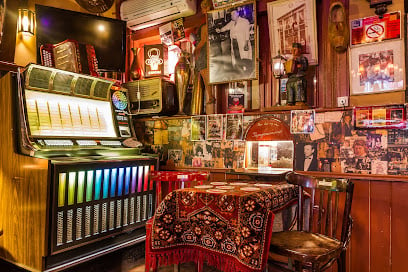
The oldest gay bar in the Netherlands, open since 1927 — a tiny Zeedijk institution covered in leather memorabilia, biker jackets, and a century of queer Amsterdam history.
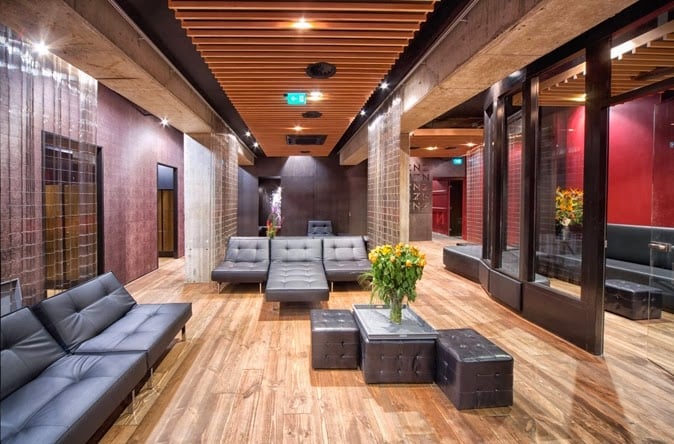
Die letzte dedizierte Gay-Sauna in Amsterdam, drei Minuten vom Dam-Platz entfernt – Finnische Sauna, Hamam-Labyrinth, großer Whirlpool, Darkroom und eine richtige Bar.
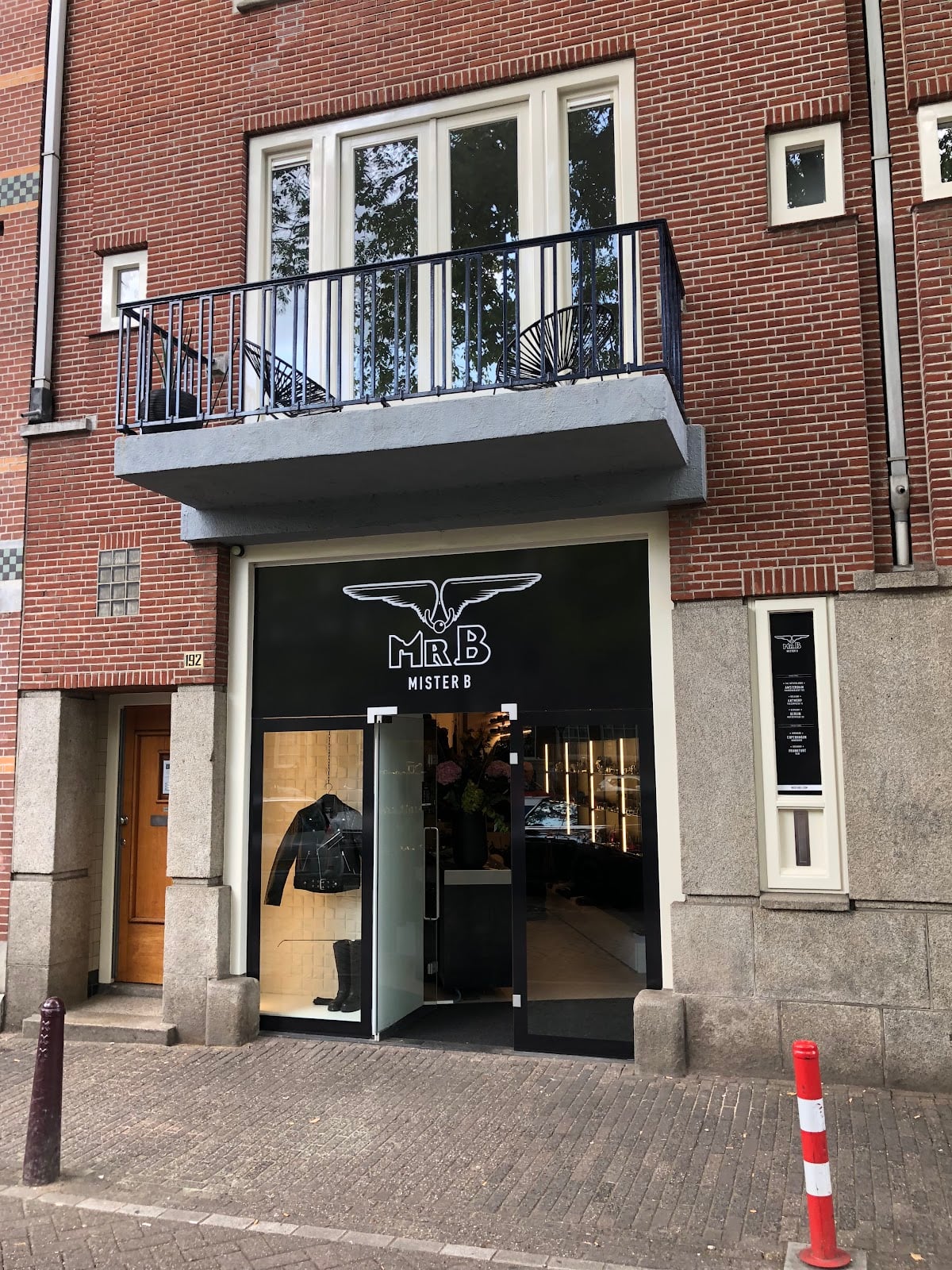
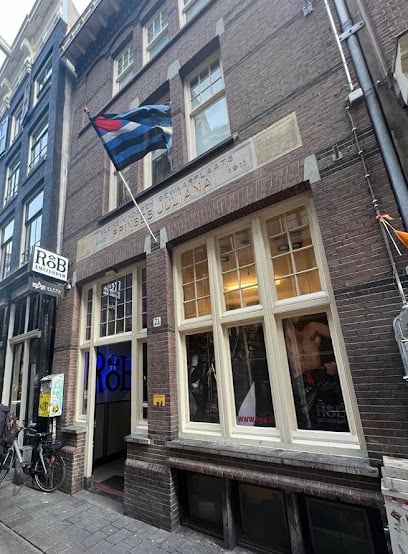
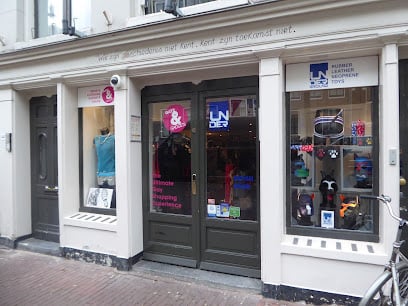
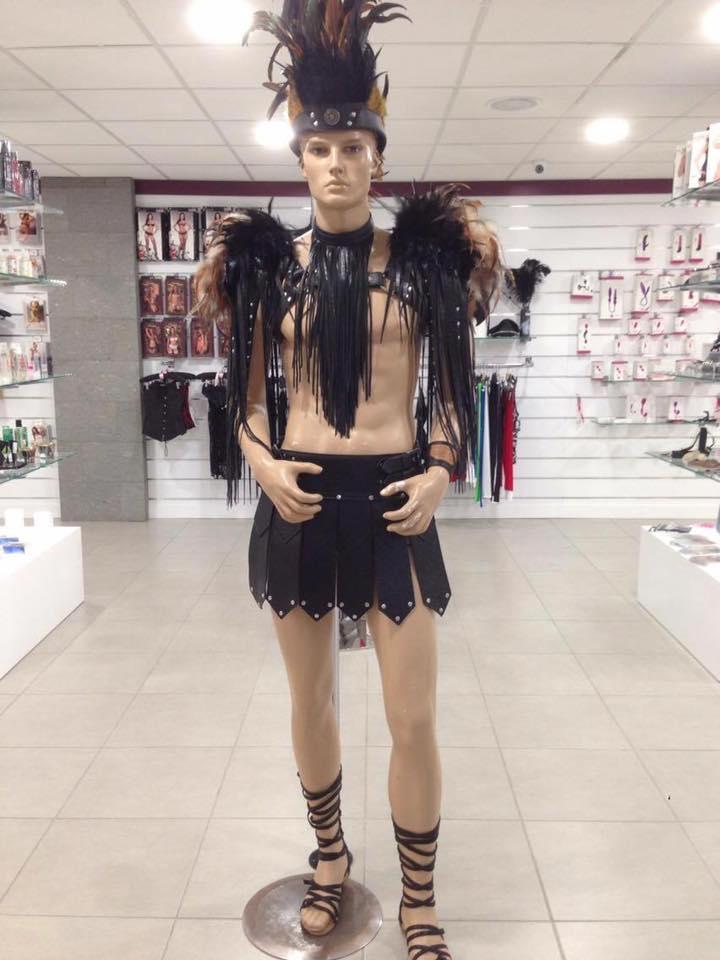
Amsterdam's leading leather and rubber fetish shop — the go-to destination on Warmoesstraat for custom leather, rubber clothing, harnesses, and the full range of fetish gear.
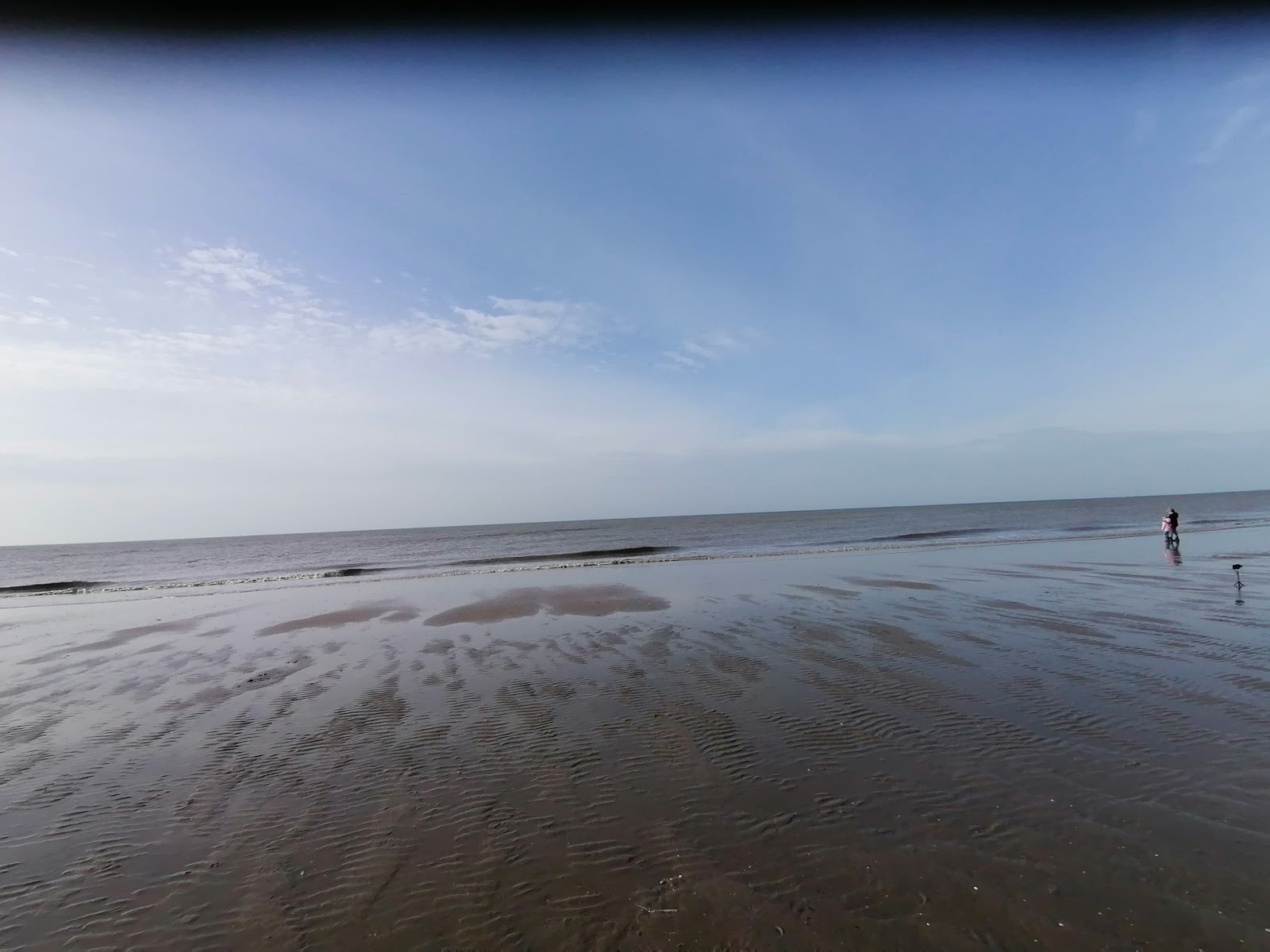
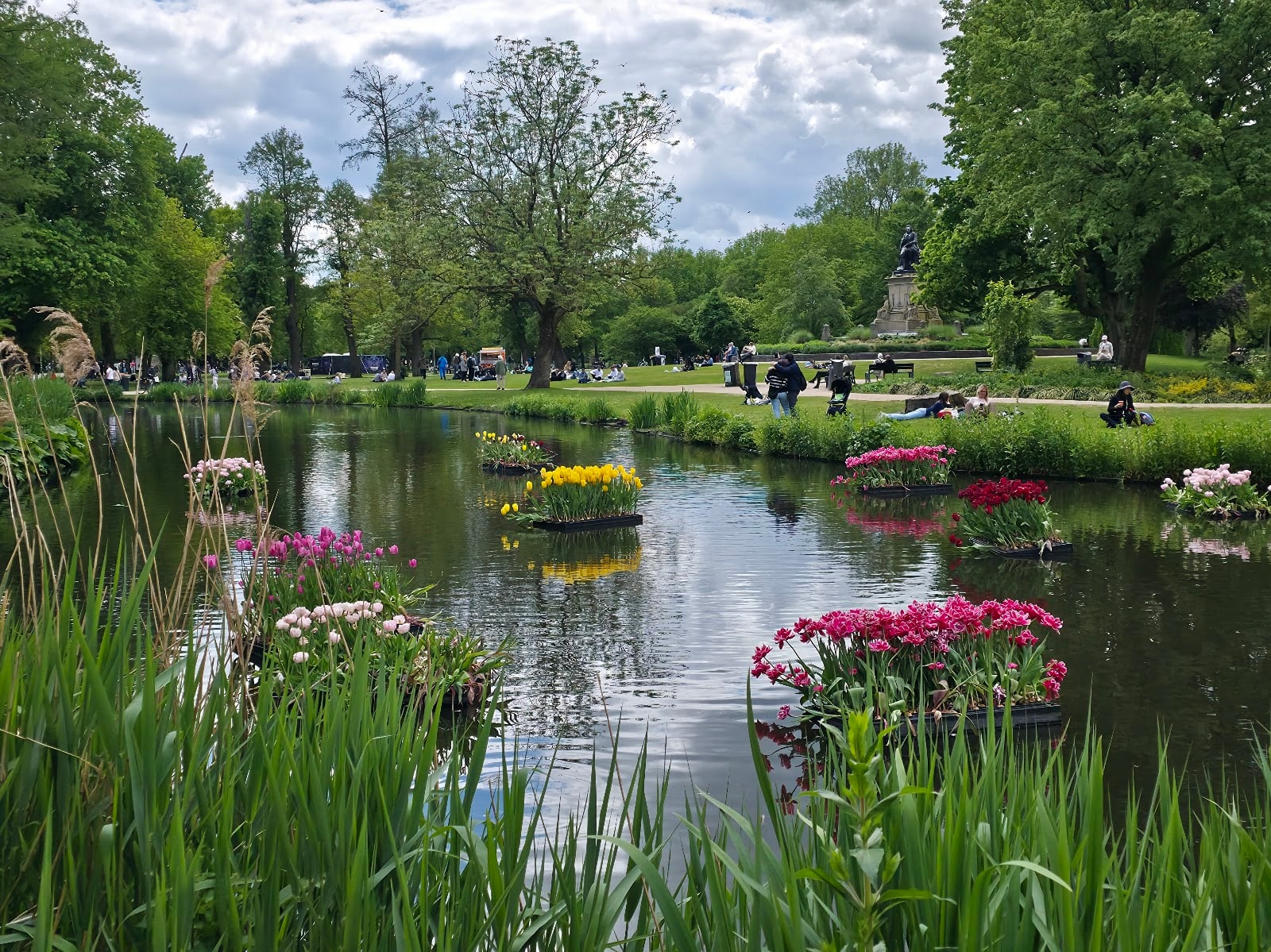
The officially tolerated cruising area of Amsterdam on the Nieuwe Meer lake shore — nude sunbathing by the water, wooded zone behind, marked on municipal signs.
Ein seit langem bekannter Treffpunkt nach Einbruch der Dunkelheit rund um den Rosengarten des Vondelpark – seit 2008 unter ausdrücklichen Regeln geduldet.
Long-standing cruising area in the wooded corners of the Oosterpark — one of the recognized meeting places in the city, patrolled by the police LGBTQ+ unit.
Eines der beliebtesten schwulen Hotels Europas – ein Kanalhaus an der Prinsengracht mit einer engagierten schwulen Klientel, einer gastfreundlichen Unternehmenskultur und dem besonderen Charme eines…
Mauro ist ein entspanntes, romantisches und eigenartiges 9-Zimmer-Hotel in einem klassischen Kanalhaus aus dem 16. Jahrhundert, das sich direkt im historischen Zentrum befindet.
In Casa hast du die ganze Stadt zu deinen Füßen. Das Hotel liegt nur einen Steinwurf vom Amsterdam Amstel Station und der Amsterdamer Ringstraße A10 entfernt.
Café de Jaren ist ein sehr schöner Ort, besonders im Frühling und Sommer. Hier kannst du zum Trinken, für Kaffee, Mittagessen und Abendessen vorbeikommen. Großartiger Kaffee und Snacks.
Café Westerdok ist einer dieser Orte, die einfach zu existieren scheinen, es ist ein Ort, der nicht gestaltet wurde, er hat kein Konzept, weder hochwertig noch sonst wie, und kein Thema oder eine…
Die älteste kontinuierlich operierende LGBTQ+-Organisation der Welt – gegründet am 7. Dezember 1946 in Amsterdam und seitdem mit Hauptsitz in derselben Stadt.
Der weltweit erste permanente LGBTQ+-Touristeninformationsstand – eine speziell errichtete Bude am Kanal neben dem Homomonument, seit 1998 durchgehend besetzt.
Die größte LGBTQ+-Heritage-Sammlung Kontinentaleuropas – seit 2007 in der Zentralen Stadtbibliothek von Amsterdam untergebracht, gegründet aus einer Universitätssammlung von 1978.
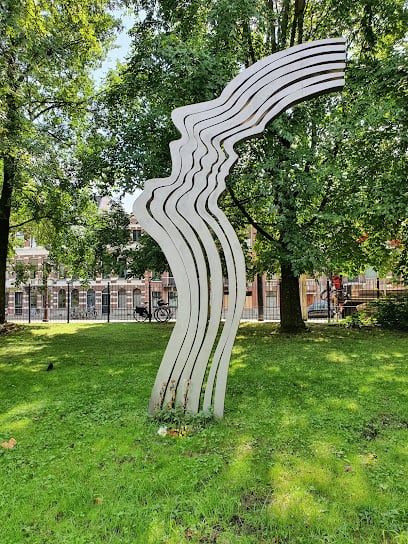
Amsterdam's LGBTQ+ history is deeply woven into the city's identity as a progressive haven. The Netherlands decriminalized homosexuality in 1811—earlier than most European nations—and Amsterdam became a refuge for queer people throughout the 20th century. The city was home to one of the world's first openly gay-run bars, Café 't Mandje, opened on the Zeedijk in 1927; it ran until the 1980s and reopened in 2008 as a heritage café. The 1980s saw Amsterdam become central to queer activism during the AIDS crisis, and the city now hosts the famous Homomonument, a triangle of pink granite stones in the Westermarkt that commemorates LGBTQ+ persecution and remains a gathering point for the community.
The city's queer neighborhoods each have distinct personalities. The Canal Ring area around Westermarkt is considered the historic heart of Amsterdam's gay scene, with numerous bars, cafes, and shops within walking distance. This neighborhood's picturesque canals, narrow streets, and intimate venue culture create an atmosphere that feels both celebratory and local. Kerkstraat runs through this area with cruise club Club Church, the Spijker bar and the city's only gay sauna, while Reguliersdwarsstraat, a short walk to the south-east, is the main strip for gay bars and clubs. Just south, the Jordaan neighborhood has shifted toward a more mixed but still LGBTQ+-friendly demographic, with relaxed cafes and cultural venues. De Pijp, in the De Pijp district south of the city center, has become increasingly popular with younger queer people and offers a more residential, neighborhood-focused experience with bookshops, galleries, and laid-back drinking spots. The Red Light District, while famous for sex work, has genuine queer history and continues to host some gay-friendly venues alongside its other attractions.
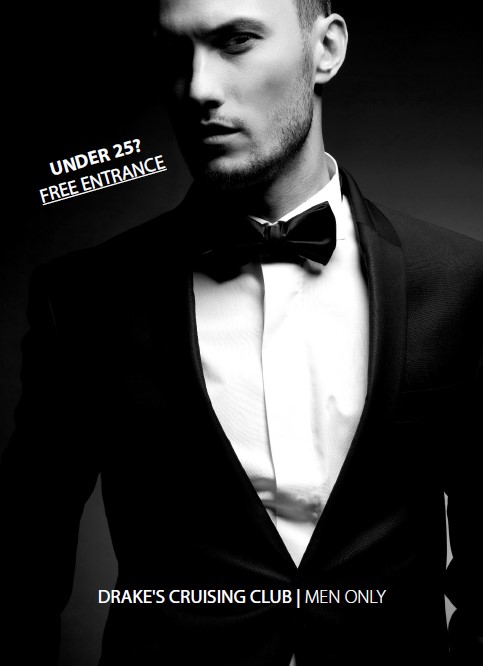
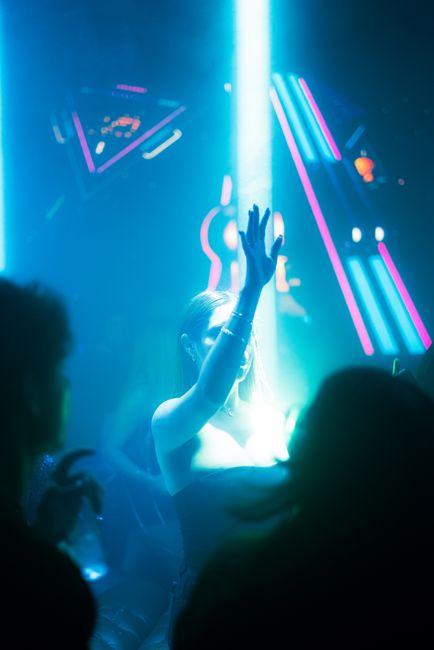
Reguliersdwarsstraat is the beating heart of gay nightlife — a single street lined with bars and clubs including Bar BLEND and its bigger sibling BLEND XL, Cafe-club SoHo, Taboo, the late-closing Exit Cafe and the multi-floor Club NYX. A few minutes east, the Amstel and Halvemaansteeg keep the older, campier tradition alive at drag bar Lellebel and the men-only Free Willie, while Bar Nate and Cafe Montmartre draw a mixed sing-along crowd. Kerkstraat holds cruise club Club Church, the Spijker bar and Sauna Nieuwezijds, the city's only remaining gay sauna. The Warmoesstraat strip beside the Red Light District is the leather and fetish quarter, anchored by the Eagle (running since 1979), Dirty Dick's, and the fetish shops RoB and Mister B. For heritage stop by Cafe 't Mandje on the Zeedijk, open since 1927, and for something different there is De Trut, the volunteer-run Sunday-night queer disco in Amsterdam-West. Amsterdam's scene is more integrated than segregated, so major venues such as Melkweg and Paradiso host regular queer nights rather than operating as exclusively gay rooms.
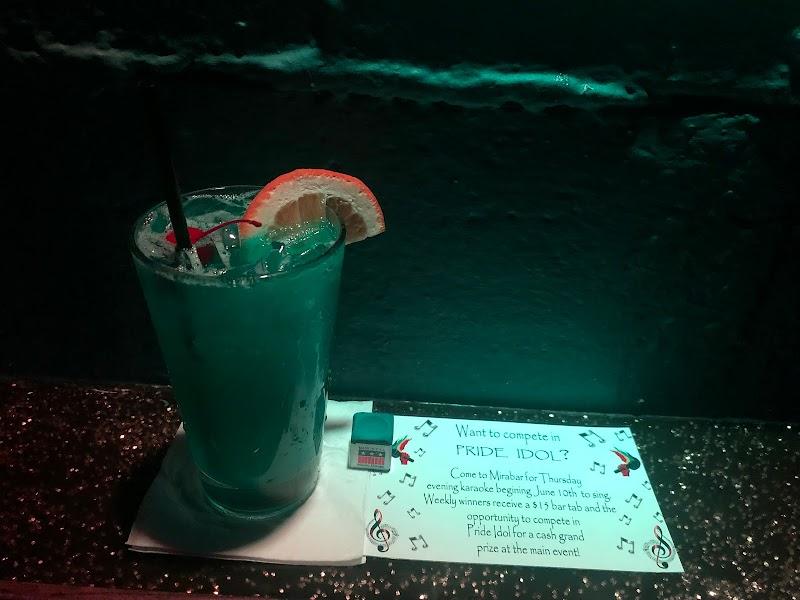
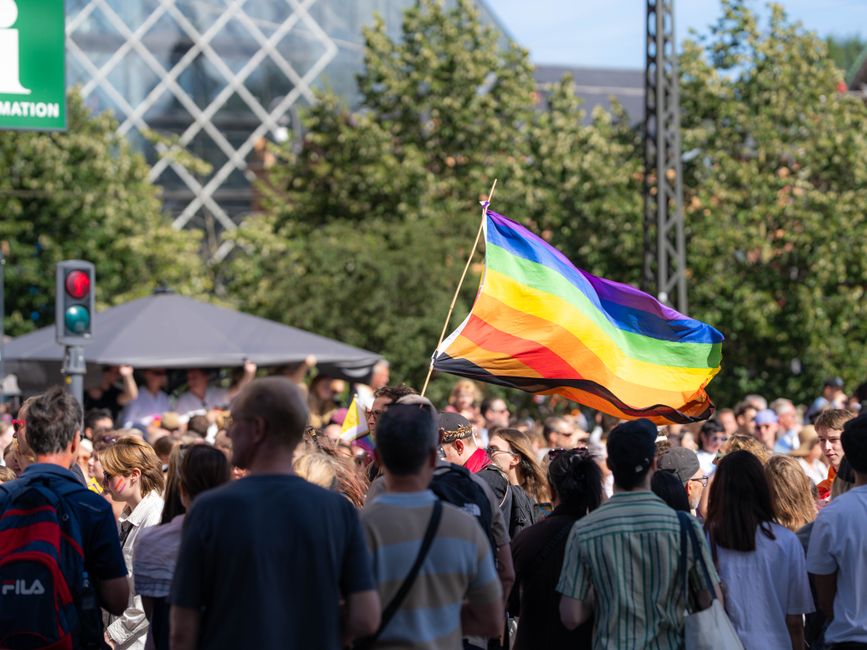
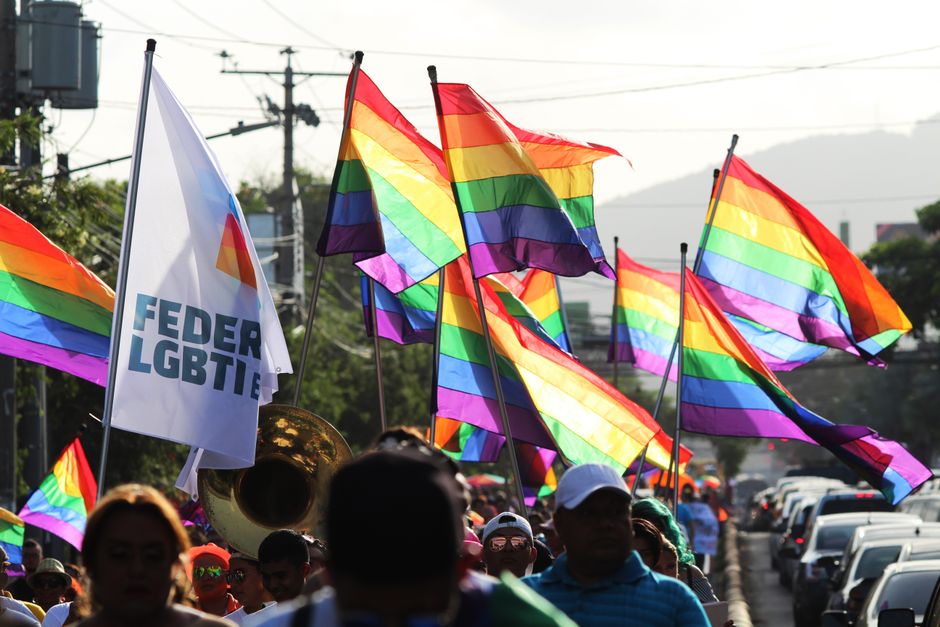
Amsterdam Pride takes place annually in August and is one of Europe's largest Pride celebrations. The highlight is the iconic canal parade, where hundreds of decorated boats cruise through the city's waterways while crowds line the bridges and banks. Beyond the parade, Pride programming spans the entire month with street parties, club events, cultural exhibitions, and performances across multiple neighborhoods. The atmosphere is celebratory yet inclusive, attracting both locals and international visitors. Other significant events include the Amsterdam Dance Event in October, which includes queer programming, and various circuit parties and themed weekends throughout the year, particularly in summer months.
When choosing where to stay, the Canal Ring offers the most authentic gay neighborhood experience, with canal-side hotels and guesthouses providing that quintessential Amsterdam feel. Hotels like The Pulitzer Collection and Ambassade Hotel offer luxury options with proximity to gay venues. The Jordaan area provides a quieter, more residential experience while still being central. De Pijp offers modern accommodations and a younger vibe. Oost, the eastern part of the city, has excellent transport connections and is becoming increasingly popular with LGBTQ+ travelers seeking comfort and space without sacrificing proximity to the scene.
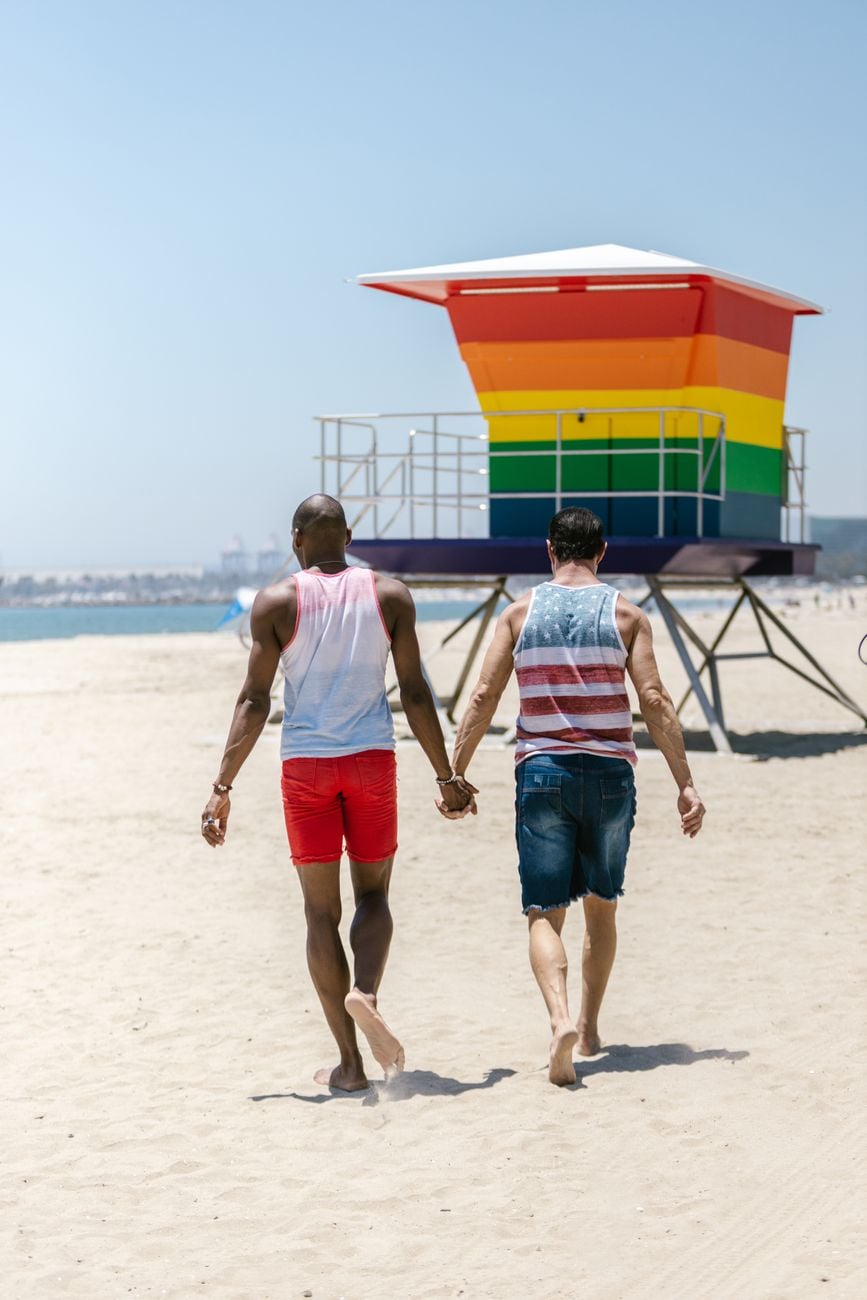
Amsterdam is exceptionally safe for LGBTQ+ travelers. Same-sex public affection is generally accepted throughout the city, and Dutch people are known for their directness and tolerance. The city has strong anti-discrimination laws and a well-established police presence in popular areas. However, as with any major European city, travelers should exercise standard precautions regarding personal belongings, particularly on public transport and in crowded tourist areas. The red light district, while generally safe, is better explored during daytime first visits.
Transportation in Amsterdam is straightforward for visitors. The city is compact and highly bikeable—many travelers rent bicycles for the duration of their stay, though this requires comfort with Dutch cycling culture. Public trams and buses are efficient, frequent, and cover the entire city. GVB (the local transit authority) sells single tickets and day passes. Taxis and ride-sharing services are available but less necessary given the excellent public transport. The airport, Amsterdam Airport Schiphol, is connected to the city center by train in approximately 15 minutes.
Food & Drink
Food in Amsterdam ranges from casual to sophisticated. The city's cuisine reflects its multicultural population, with excellent Indonesian, Mediterranean, and vegetarian options alongside traditional Dutch fare. Canal-side restaurants offer romantic dining with views. Markets like Albert Cuyp Market provide affordable, casual eating. The city has numerous gay-friendly restaurants and cafes, though the LGBTQ+ scene is integrated enough that any restaurant will serve queer travelers warmly. Coffee culture is strong, with excellent cafes throughout, particularly in the Jordaan and De Pijp neighborhoods.
Day trips from Amsterdam provide variety beyond the city. Zaanse Schans, about 15 minutes by train, features historic windmills and traditional Dutch architecture. Marken and Volendam, former fishing villages about 30-40 minutes away, offer charming waterfront experiences and are popular day-trip destinations. Tulip season (mid-March to mid-May) makes a visit to Keukenhof Gardens worthwhile for those traveling in spring. Windmills at Kinderdijk are UNESCO-listed and can be reached by public transport. Bicycling through the surrounding countryside is a popular activity, with marked cycling routes connecting to other towns. These day trips appeal to travelers seeking balance between urban gay scene exploration and classic Dutch countryside experience.
Practical considerations for visiting include the Dutch approach to time-keeping (punctuality is important), drinking culture (beer and gin are central to social life but consumption is moderate compared to some other European cities), and shop hours (many close Sundays or have limited hours). Tipping is not expected but rounding up bills is customary. The weather is best from May through September, though Amsterdam is visitable year-round. Winter months are darker and colder but offer fewer tourists. June and July are peak season for international visitors.
Amsterdam's gay scene is notable for being integrated into broader Dutch culture rather than existing as a separate enclave. This means gay venues are intermingled with straight venues, gay neighborhoods have mixed populations, and LGBTQ+ identity is normalized rather than spectacularized. For travelers, this creates an experience that feels authentically Dutch while providing clear gathering points and venues for queer community. The city's progressive legal framework, including recognition of same-sex marriage, adoption rights, and anti-discrimination protections, reflects the values underlying this integration.
Häufig gestellte Fragen
Amsterdam war die erste Stadt der Welt, in der gleichgeschlechtliche Paare heirateten (April 2001) und bleibt eine globale LGBTQ+-Ikone. Die Niederlande gehören durchweg zu den LGBTQ+-freundlichsten Ländern. Öffentliche Zuneigungsbekundungen sind in ganz Amsterdam kein Problem.
Amsterdam hat mehrere Gay-Cluster statt eines einzigen Viertels. Die Reguliersdwarsstraat ist die Haupt-Gay-Straße (BLEND, SoHo, Taboo, Exit und Club NYX). Die Warmoesstraat in der Nähe des Rotlichtviertels beherbergt die Leder- und Cruising-Szene (Eagle, Dirty Dick's, RoB und Mister B heritage). Die Amstel und die Zeedijk haben die klassischen Gay-Cafés, und die Kerkstraat ist die Heimat von Club Church und dem Spijker. Die einzige Gay-Sauna der Stadt, Nieuwezijds, befindet sich in der Nähe des Hauptbahnhofs.
An der Reguliersdwarsstraat: BLEND, SoHo, Taboo und Exit Café. An der Warmoesstraat: The Eagle und Dirty Dick's; Bären pilgern zu Bears Amsterdam im ehemaligen Web an der Sint Jacobsstraat. Für Clubs: Club NYX, Club Church (Cruising- und Fetisch-Nächte) und De Trut, die ehrenamtlich geführte Sonntagsdisco. Das Café 't Mandje an der Zeedijk – seit 1927 geöffnet – ist die historische Anlaufstelle.
Pride Amsterdam findet Ende Juli bis Anfang August statt, mit der berühmten Kanalparade auf Booten. Im Jahr 2026 war die Stadt Gastgeber der WorldPride, ihrer bisher größten Ausgabe; die reguläre Amsterdam Pride kehrt vom 31. Juli bis 8. August 2027 zurück, mit der Kanalparade am Samstag, dem 7. August 2027. Der Königstag (27. April) ist ebenfalls eine riesige, bei Schwulen beliebte Straßenparty, und der Frühling mit seinen Tulpen (April) sowie der Herbst (September) eignen sich am besten für Besichtigungstouren.
Viele Hotels im Zentrum sind schwulenfreundlich, und einige sind explizit schwul: das Amistad und das lederfreundliche Anco in der Nähe der Warmoesstraat-Szene, sowie langjährige, bei Schwulen beliebte Unterkünfte wie das ITC an der Amstel. Sieh dir die Karte oben an.
Ein fehlender Veranstaltungsort, ein geschlossenes Geschäft oder veraltete Informationen? Teilen Sie es uns mit – wir freuen uns darüber. Nichts ist erforderlich.
Nichts verpassen
Die neuesten LGBTQ+-Events und Eröffnungen direkt in Ihr Postfach.
Geben Sie Ihre E-Mail ein, um Pride-Event-Updates und Hinweise zu neuen Locations zu erhalten.
Ihre Datenschutz-Einstellungen.
Wir verwenden Cookies, um GayOut zu betreiben und, mit Ihrer Zustimmung, die Nutzung zu messen. Mehr erfahren ↗
Ihre Datenschutz-Einstellungen
Wir verwenden Cookies, damit GayOut zuverlässig läuft, Ihre Einstellungen gespeichert werden und (mit Ihrer Einwilligung) wir messen können, wie die Seite genutzt wird. Sie können alles akzeptieren, alles ablehnen oder gezielt auswählen. Mehr erfahren ↗
Erforderlich
Erforderlich für Anmeldung, Betrugsschutz, CSRF-Schutz und das Speichern Ihrer Sprache. Können nicht deaktiviert werden.
Immer aktiv
Speichert Ihre Favoriten, den Dark Mode und weitere Oberflächeneinstellungen zwischen Besuchen.
Hilft uns zu verstehen, welche Seiten besucht werden (Google Analytics, serverseitige Statistiken), damit wir besser werden.
Wird von Kampagnen-Tracking-Pixeln genutzt. Derzeit keine aktiv, für zukünftige Nutzung reserviert.
GayOut installieren
Fügen Sie GayOut zu Ihrem Startbildschirm hinzu — schnellerer Zugriff, Favoriten offline und Pride-Hinweise.











 Schwule Bars & Clubs
Empfohlen
(560)
Schwule Bars & Clubs
Empfohlen
(560)