Marriage equality since May 2013 (Loi Taubira). Decriminalised 1791 — oldest in the world. ART/IVF for lesbian couples since 2021. Conversion therapy banned February 2022. Trans legal gender change without surgery since 2017, but requires court order (not self-certification). Non-binary gender not legally recognised. Blood donation restrictions fully lifted 2022. March 2024: state recognised persecution of gay men pre-1980. Paris is one of the world's top LGBTQ+ destinations; Le Marais is a…
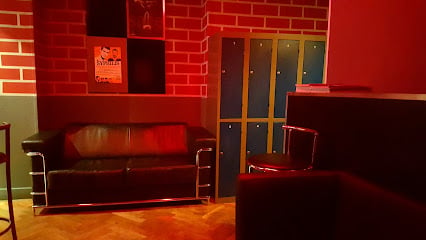
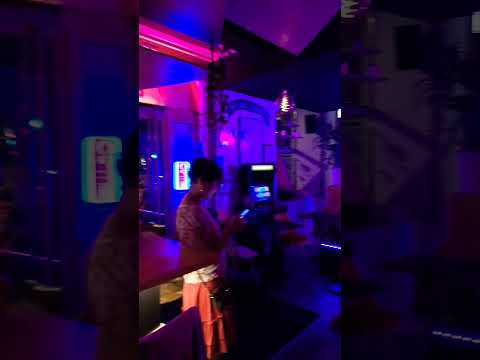
Discover Golden Gate Bar, an inclusive and welcoming spot in Strasbourg's Grand Est region, perfect for LGBTQ+ travelers seeking a friendly atmosphere.
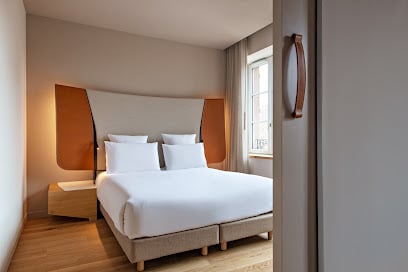
Five-star boutique hotel in a Renaissance inn dating to 1580, steps from the cathedral — the most atmospheric and LGBTQ+-welcoming luxury address in Strasbourg.
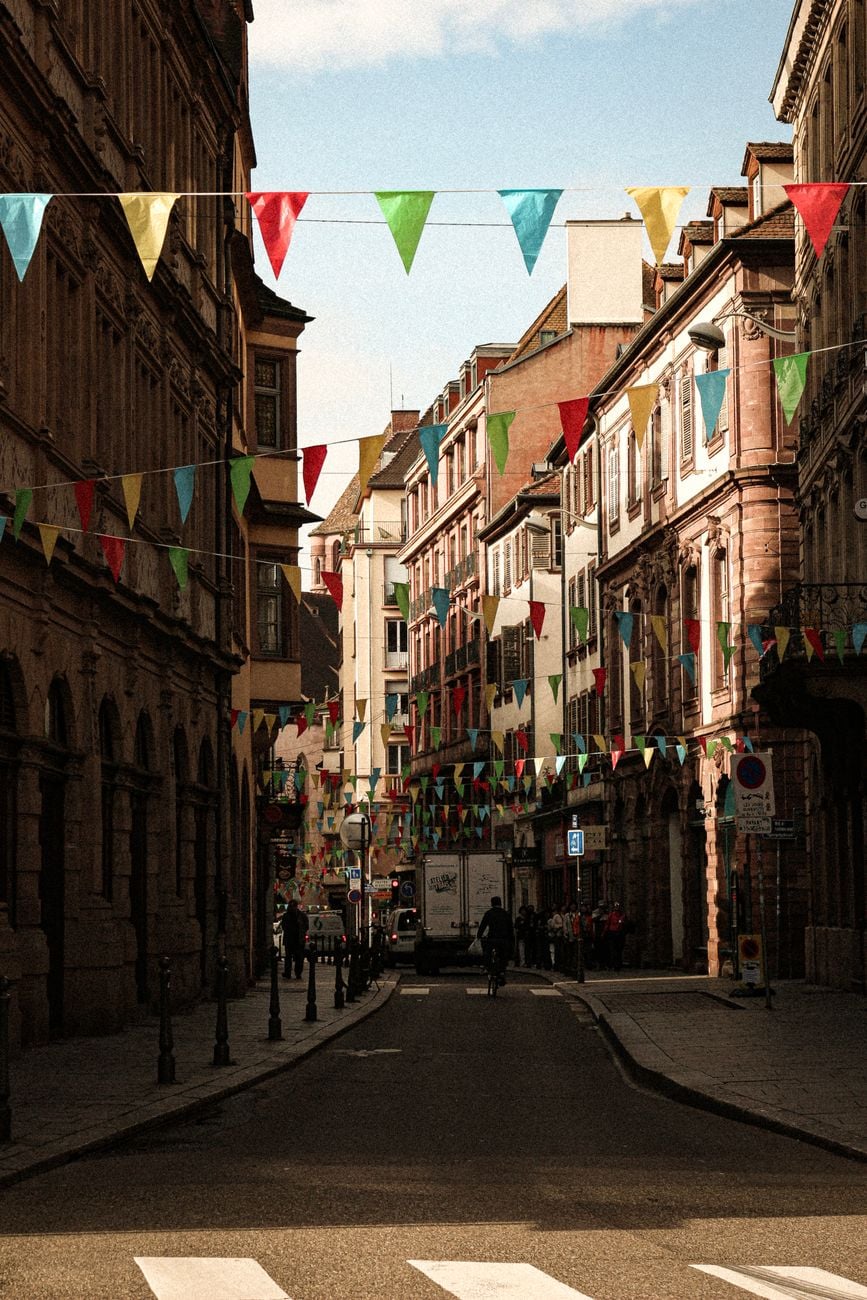
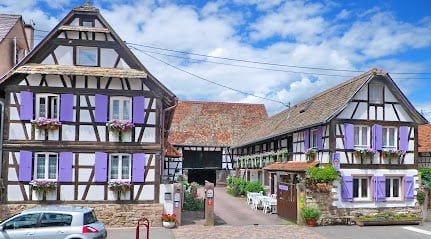
Strasbourg occupies a distinctive place in the French LGBTQ+ landscape. Capital of Alsace and home to the European Parliament, the Council of Europe and the European Court of Human Rights, it is a genuinely international city that pairs progressive, rights-minded values with half-timbered Alsatian charm. The gay scene here is smaller and more woven into everyday life than in Paris or Lyon — there is no single "gay village" — which gives it an easy-going, unpretentious feel, if fewer late-night mega-clubs.
History of Strasbourg's LGBTQ+ Scene
France decriminalised homosexuality in 1791, and Strasbourg's modern queer community grew steadily through the 1980s and 1990s. The city's Pride march, the Marche des Visibilités, has run every year since 2002 and today draws crowds of up to 20,000. As a European capital, Strasbourg also carries symbolic weight for LGBTQ+ rights: the city has laid out a "Chemin des droits LGBTQIA+" trail highlighting places tied to the fight for equality.
Neighborhoods and Geography
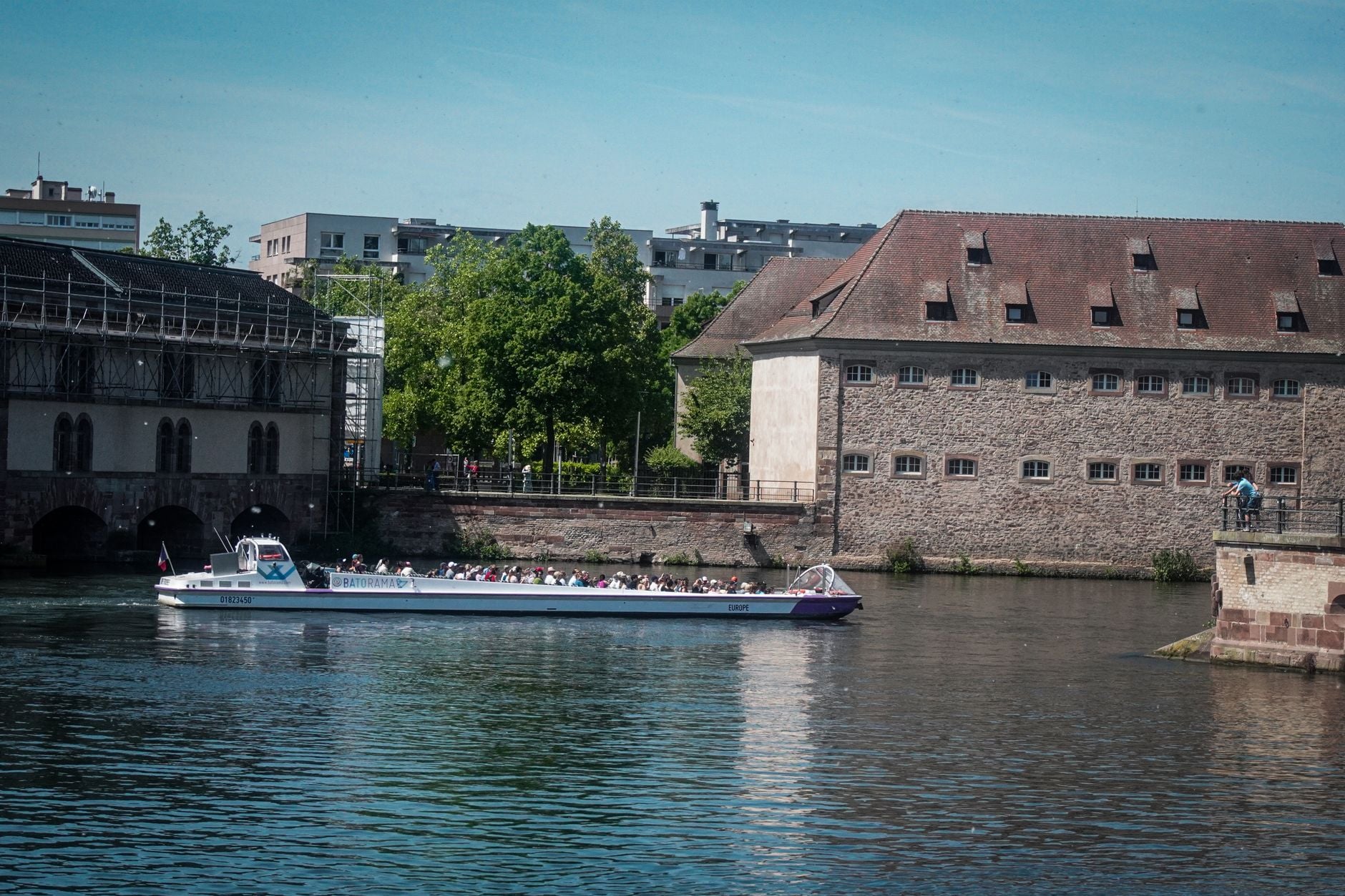
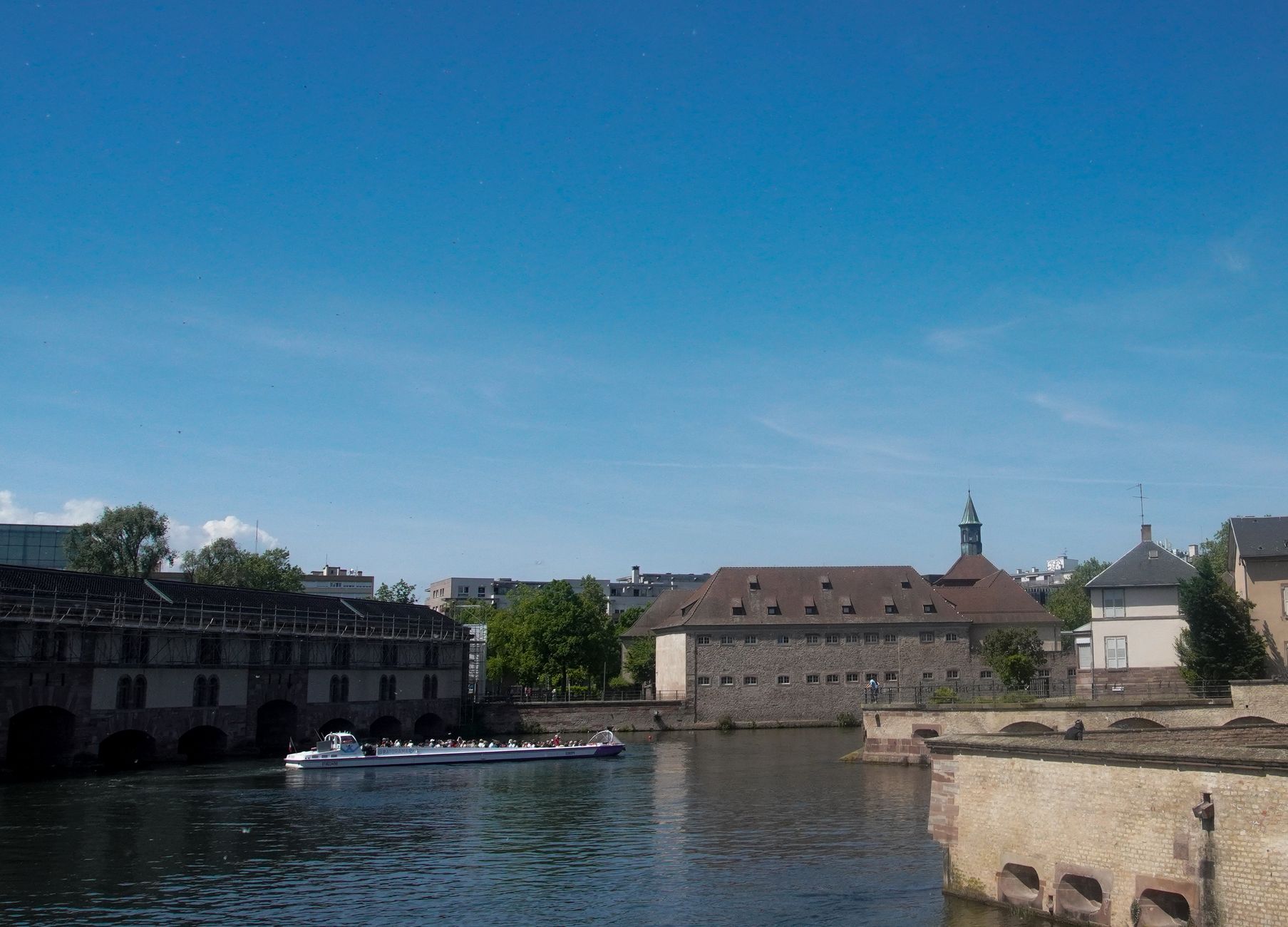
Strasbourg's queer life is concentrated in and around the Grande Île, the UNESCO-listed historic centre ringed by the river Ill. The oldest cluster of bars sits on the narrow lanes near the cathedral — rue des Couples and rue de l'Outre — while Petite France, the picturesque canal quarter to the west, is home to long-running venues. The Krutenau, the lively student quarter just south-east of the centre across the Ill, is the heart of the younger, more alternative queer scene. The whole centre is compact and walkable, and the tram network makes the rest of the city easy to reach.
Bars and Nightlife
Strasbourg's scene is modest in size but has real anchors. Canapé Queer Bar (20 rue des Couples) is the current social heart of the community — an inclusive, all-welcome space known for drag, open mics and events. Le Golden Gate (rue du Fossé-des-Tanneurs, Petite France) is a long-established gay bar-club running since the late 1990s. Le Schluch, on rue de l'Outre in the old town, is a relaxed, long-running queer-friendly bar. For a cruisier, adults-oriented night, Z Bar (rue de la Course) caters specifically to gay men. Beyond the dedicated venues, spots like Studio Saglio and the Fat Black occasionally host queer nights and parties promoted through community networks.
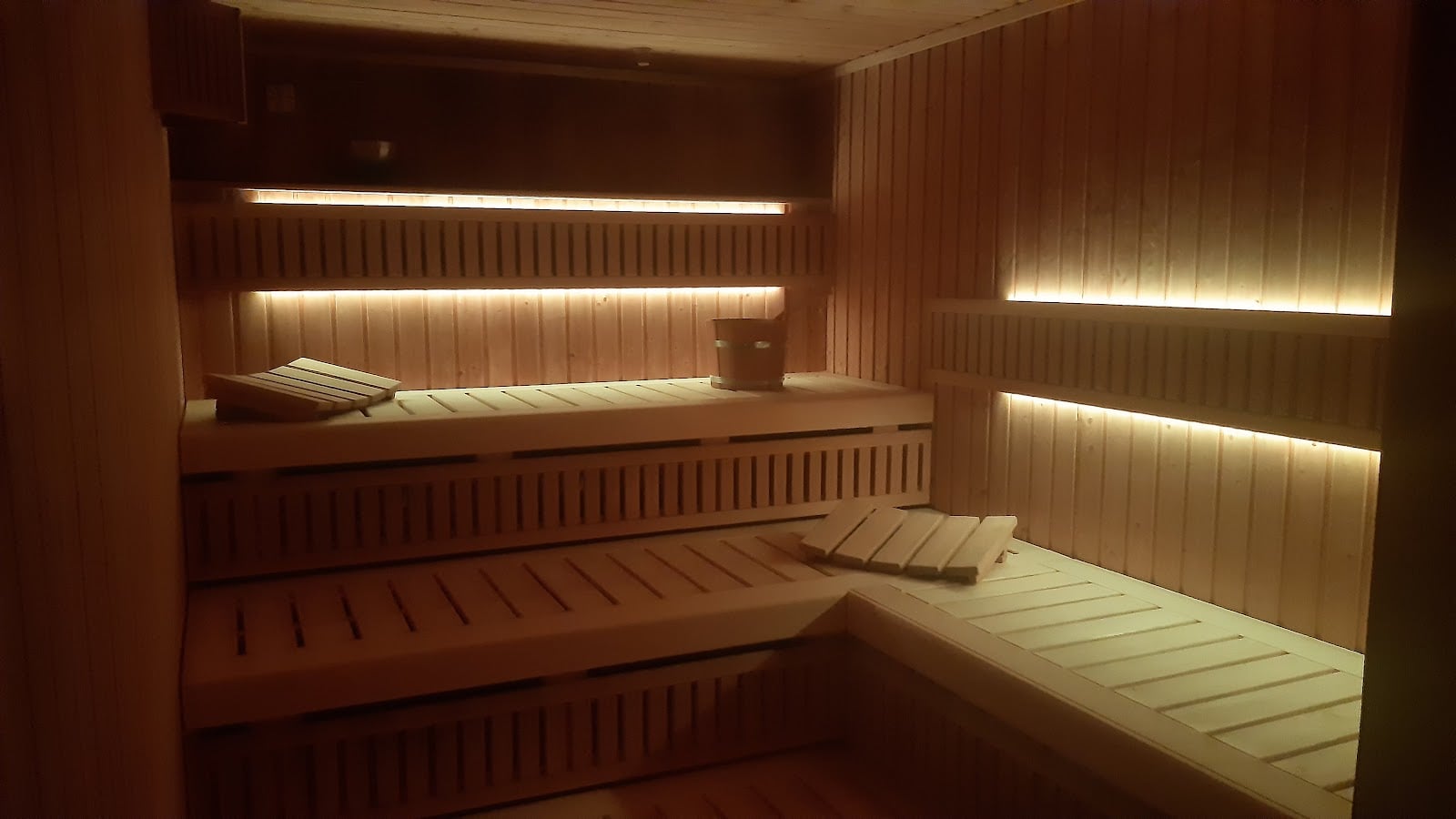
Strasbourg has a healthy sauna scene for a city its size. Sauna Equateur (5 rue de Rosheim) is the city's dedicated men-only gay sauna; Oxydo Sauna (Place Clément) is a mixed venue with men-only gay days; and Drak Sauna, part of "Le Complex" at 2a rue Moll, pairs a two-floor sauna with the adjoining Antr'acte cruising club. France is comparatively relaxed about outdoor cruising, and long-standing spots include the Parc de la Citadelle and the Parc de l'Orangerie — discretion and respect for other park users are always advised.
Strasbourg Pride — the Marche des Visibilités — takes place in June as the centrepiece of the FestiQueer festival (formerly FestiGays), organised since 2002 by La Station and a coalition of local associations. The march typically gathers at Place de l'Université and is surrounded by several days of talks, exhibitions, parties and a closing "Nuit des FestiQueer". June is the liveliest month to visit for community events. Later in the year, the FémiGouin'Fest lesbian and queer feminist film festival (run by La Nouvelle Lune) screens around October.
Community and Support
La Station – Centre LGBTI d'Alsace (7 rue des Écrivains) is the region's main LGBTI community centre, offering support, listening, cultural activities and an associative café. Other active groups include Arc-en-Ciel Alsace, SOS homophobie Alsace and the Strasbourg antenna of David & Jonathan.
Where to Stay
The Grande Île offers the most atmosphere and puts you within walking distance of the bars, restaurants and sights; boutique hotels around the cathedral and Petite France are ideal. The Krutenau is handy for the younger scene, while chain hotels near the central station offer good value a short tram ride from the centre.
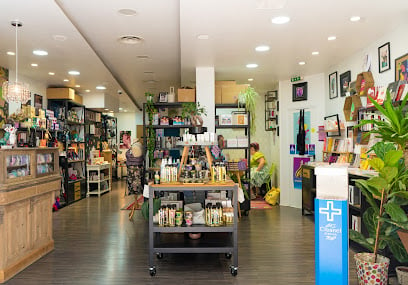
Strasbourg is a welcoming, generally safe city, with strong legal protections against discrimination and an LGBTQ+-friendly municipal administration; normal urban common sense applies. French is the main language, though English is widely understood in the centre. Card payment is standard and pharmacies are marked with a green cross.
Best Time to Visit
June, around the Marche des Visibilités, is the highlight of the LGBTQ+ calendar. Late spring through early autumn brings pleasant weather and outdoor café culture, while December's world-famous Christmas markets (the Christkindelsmärik) make the old town magical, if quieter for specifically queer events.
Conclusion
Strasbourg suits travelers who want authentic European charm, culture and gastronomy alongside a warm, well-integrated queer scene — rather than a wall-to-wall party destination. Its blend of Franco-German history, canal-side beauty and a genuinely rights-minded, European-capital identity makes it a rewarding and comfortable stop for LGBTQ+ visitors.
Frequently asked questions
Strasbourg is generally a welcoming city for LGBTQ+ individuals. France decriminalized homosexuality in 1791, and the city's mayor and council have consistently supported anti-discrimination initiatives. While acceptance is present, it is not always flamboyant.
Strasbourg has no single "gayborhood" — the scene is spread through the UNESCO-listed Grande Île in the historic centre. The oldest cluster of bars sits on the narrow lanes near the cathedral, especially rue des Couples (home to Canapé Queer Bar) and rue de l'Outre (Le Schluch), while Le Golden Gate is in the canal quarter of Petite France. The Krutenau, the student district just across the Ill, is the hub of the younger, more alternative queer crowd.
Strasbourg's gay scene is modest but genuine. Rather than a cluster of mega-clubs, it centres on a handful of welcoming venues — Canapé Queer Bar is the current social heart, alongside Le Golden Gate, Le Schluch and the men-only Z Bar — plus a solid sauna scene (Sauna Equateur, Oxydo and Drak). It is friendly and community-driven, sometimes low-key online, and comes most alive around June's Marche des Visibilités.
Most LGBTQ+ travelers base themselves in the Grande Île for its proximity to dining, culture, and nightlife. This historic heart of the city is pedestrian-focused and intimate, making the entire old town feel welcoming.
Strasbourg's Pride is the Marche des Visibilités, held in June as part of the FestiQueer festival (formerly FestiGays, since 2002) and organised by La Station and partners. The parade gathers around Place de l'Université, with several days of talks, parties and cultural events across the city and a closing "Nuit des FestiQueer". The 2026 edition drew up to 20,000 people; check FestiQueer / La Station for the confirmed date each year.
For current venue information, it is recommended to check local LGBTQ+ community websites or ask at your hotel. The Strasbourg chapter of SOS Homophobie, a national French LGBTQ+ support organization, can also provide up-to-date details upon arrival.
Your privacy choices.
We use cookies to run GayOut and, with your consent, measure usage. Learn more
Your privacy choices
We use cookies to keep GayOut running, remember your preferences, and (with your permission) measure how the site is used. You can accept all, reject all, or pick what you allow. Learn more
Essential
Required for sign-in, fraud prevention, CSRF protection and remembering your language. Cannot be disabled.
Always on
Remembers your favourites, dark mode and other interface preferences across visits.
Helps us understand which pages people visit (Google Analytics, server-side stats) so we can improve.
Used by campaign tracking pixels. None are active right now, reserved for future use.
Install GayOut
Add GayOut to your home screen for faster access, offline favourites, and Pride alerts.









 Gay Bars & Clubs
(319)
Gay Bars & Clubs
(319)