Strasbourg occupies a distinctive place in the French LGBTQ+ landscape. Capital of Alsace and home to the European Parliament, the Council of Europe and the European Court of Human Rights, it is a genuinely international city that pairs progressive, rights-minded values with half-timbered Alsatian charm. The gay scene here is smaller and more woven into everyday life than in Paris or Lyon — there is no single "gay village" — which gives it an easy-going, unpretentious feel, if fewer late-night mega-clubs.
History of Strasbourg's LGBTQ+ Scene
France decriminalised homosexuality in 1791, and Strasbourg's modern queer community grew steadily through the 1980s and 1990s. The city's Pride march, the Marche des Visibilités, has run every year since 2002 and today draws crowds of up to 20,000. As a European capital, Strasbourg also carries symbolic weight for LGBTQ+ rights: the city has laid out a "Chemin des droits LGBTQIA+" trail highlighting places tied to the fight for equality.
Neighborhoods and Geography
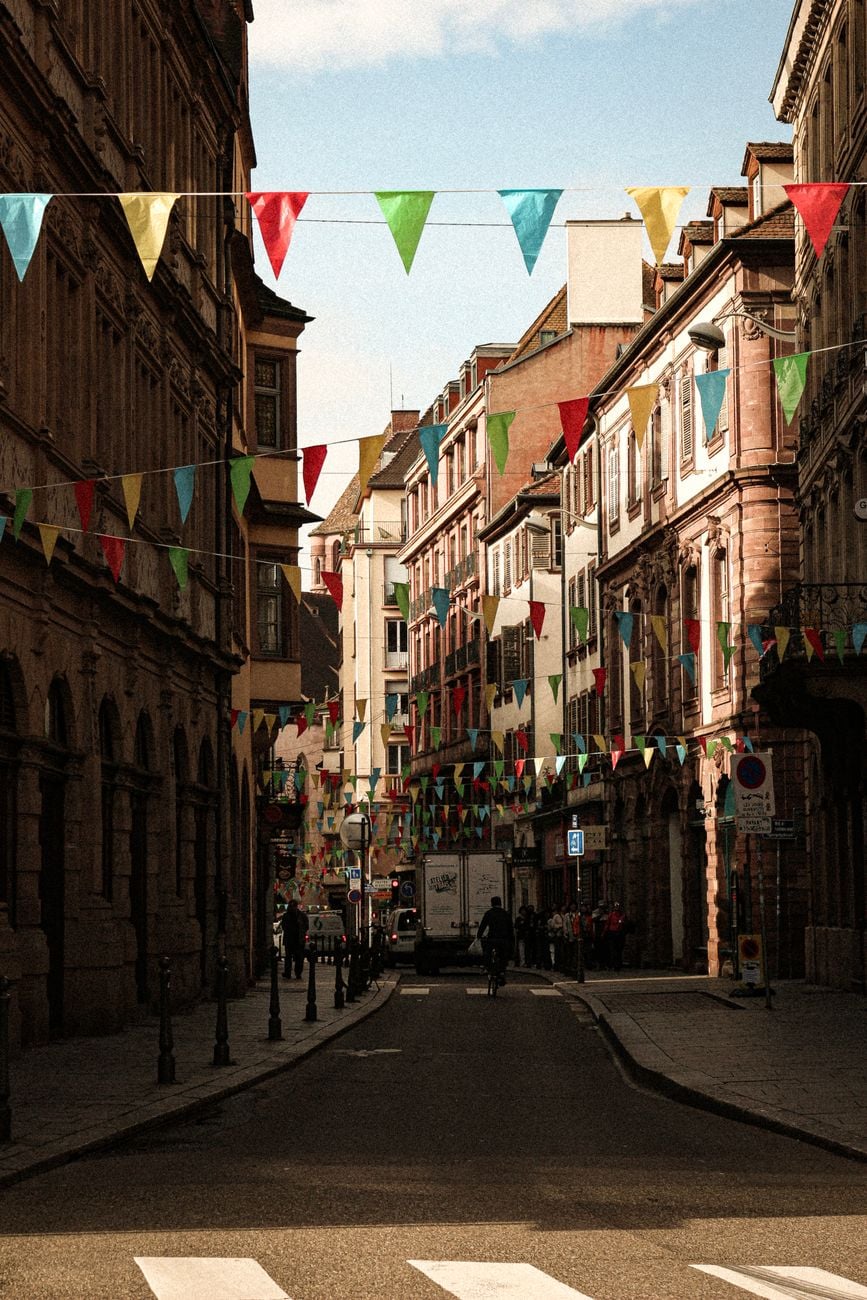
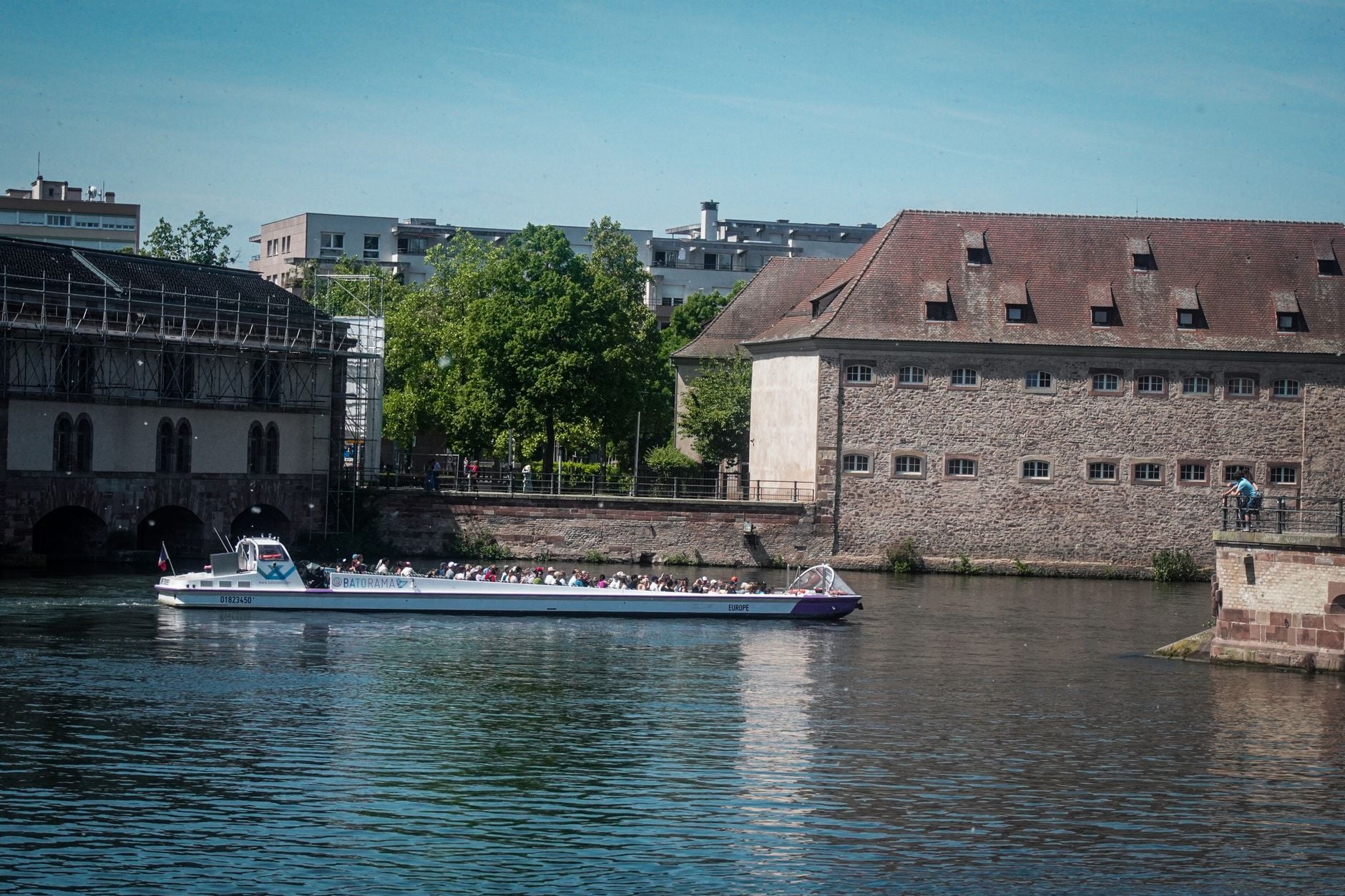
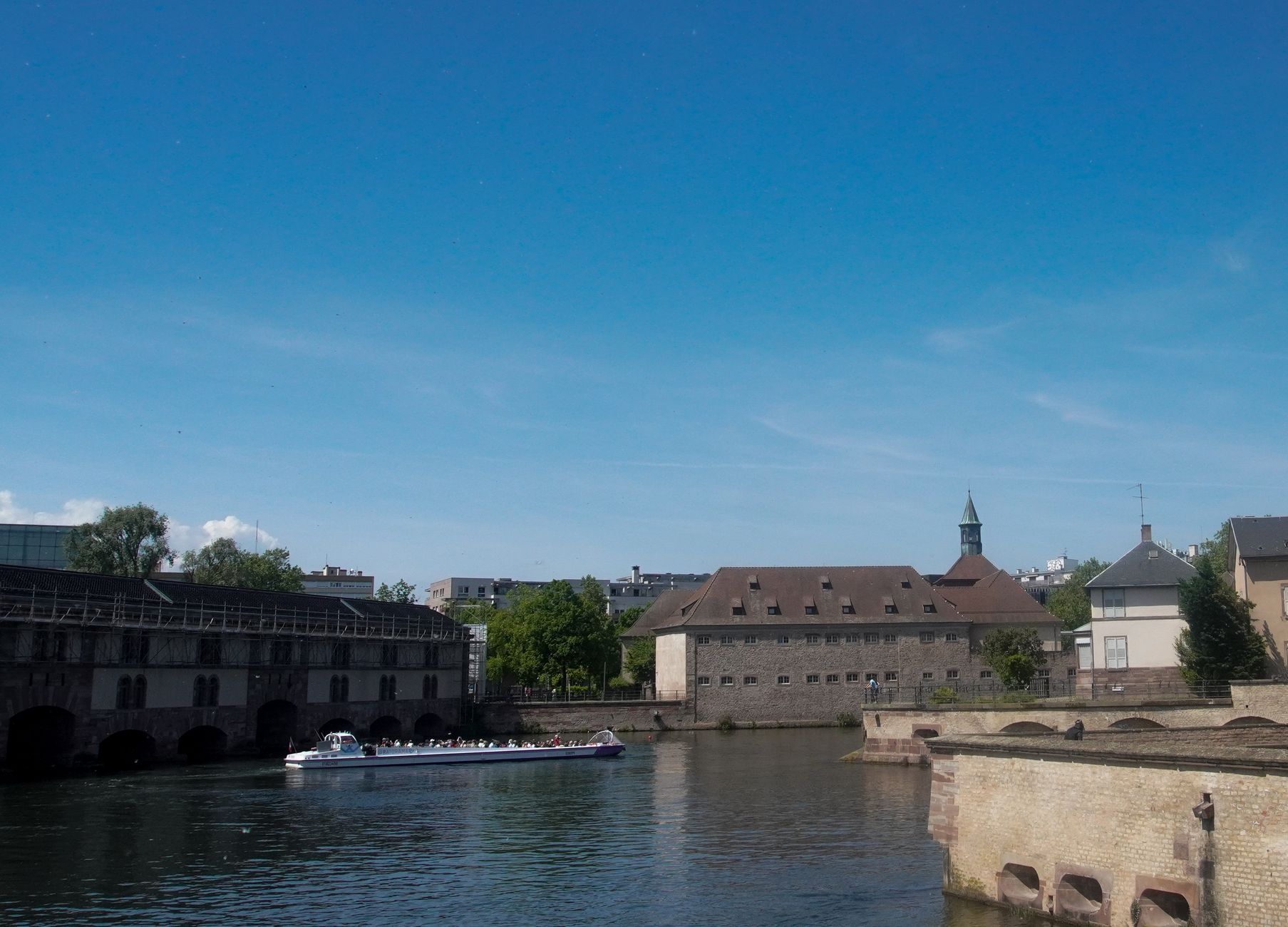
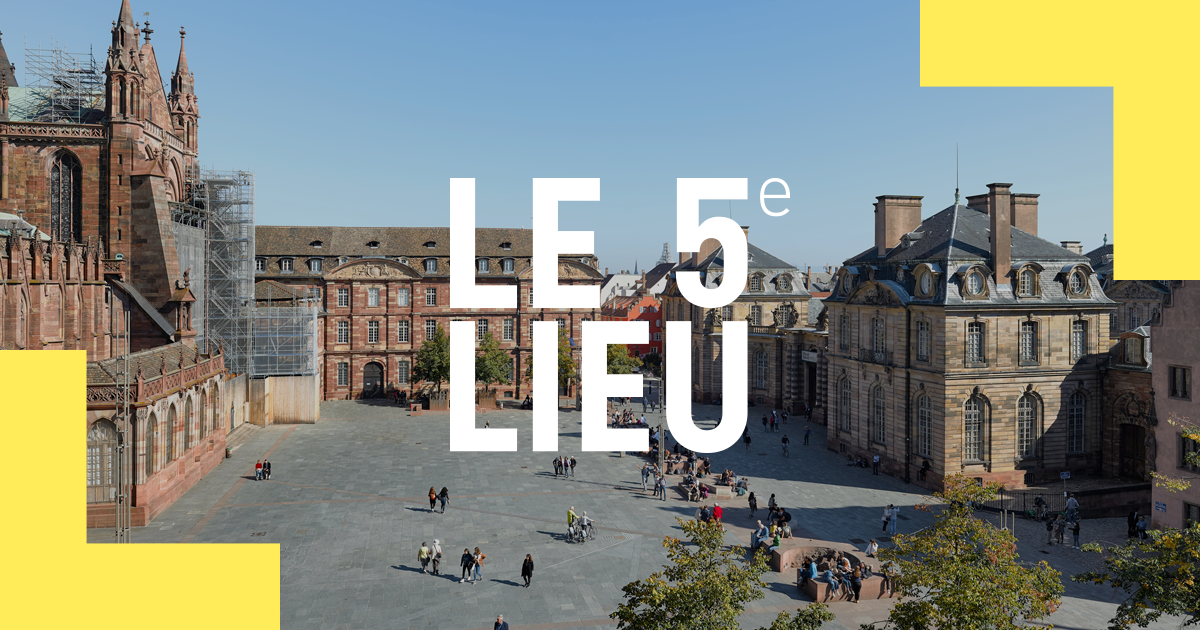
Strasbourg's queer life is concentrated in and around the Grande Île, the UNESCO-listed historic centre ringed by the river Ill. The oldest cluster of bars sits on the narrow lanes near the cathedral — rue des Couples and rue de l'Outre — while Petite France, the picturesque canal quarter to the west, is home to long-running venues. The Krutenau, the lively student quarter just south-east of the centre across the Ill, is the heart of the younger, more alternative queer scene. The whole centre is compact and walkable, and the tram network makes the rest of the city easy to reach.
Bars and Nightlife
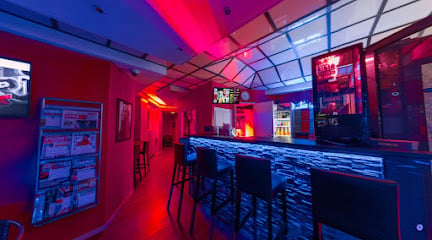
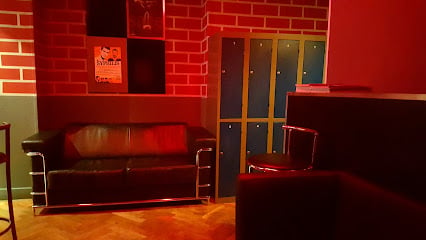
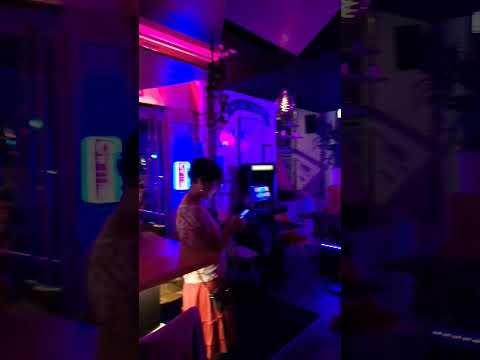
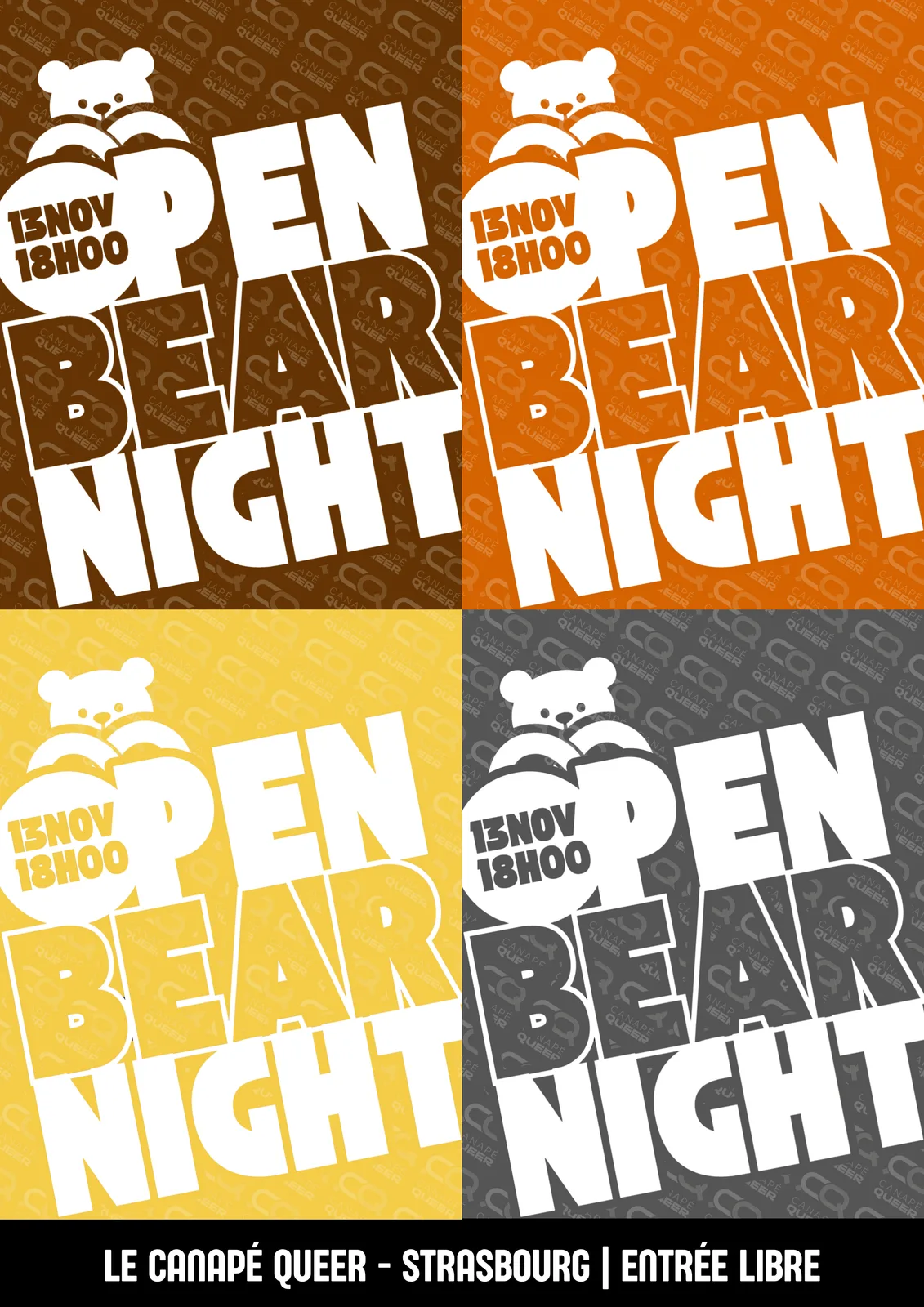
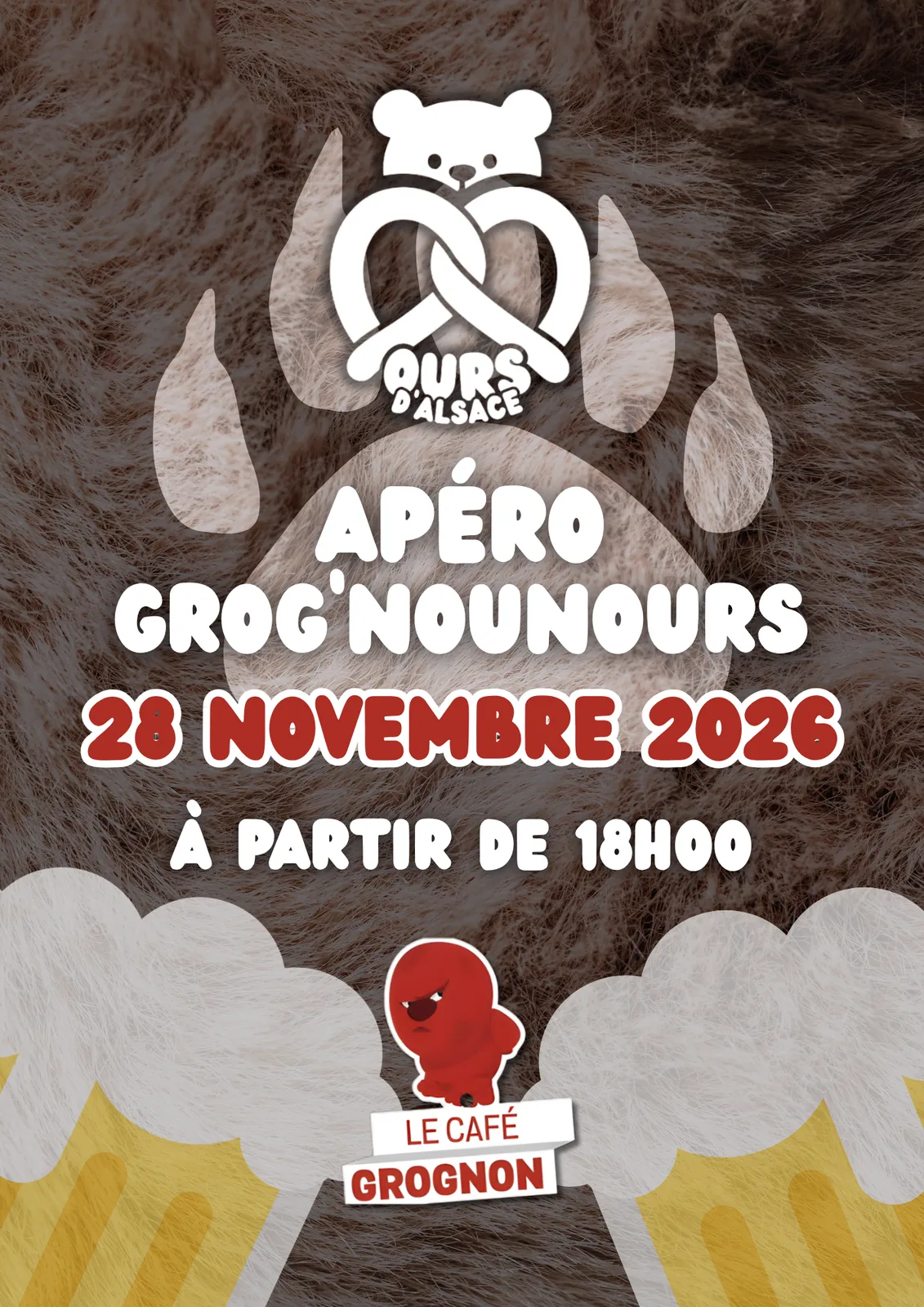
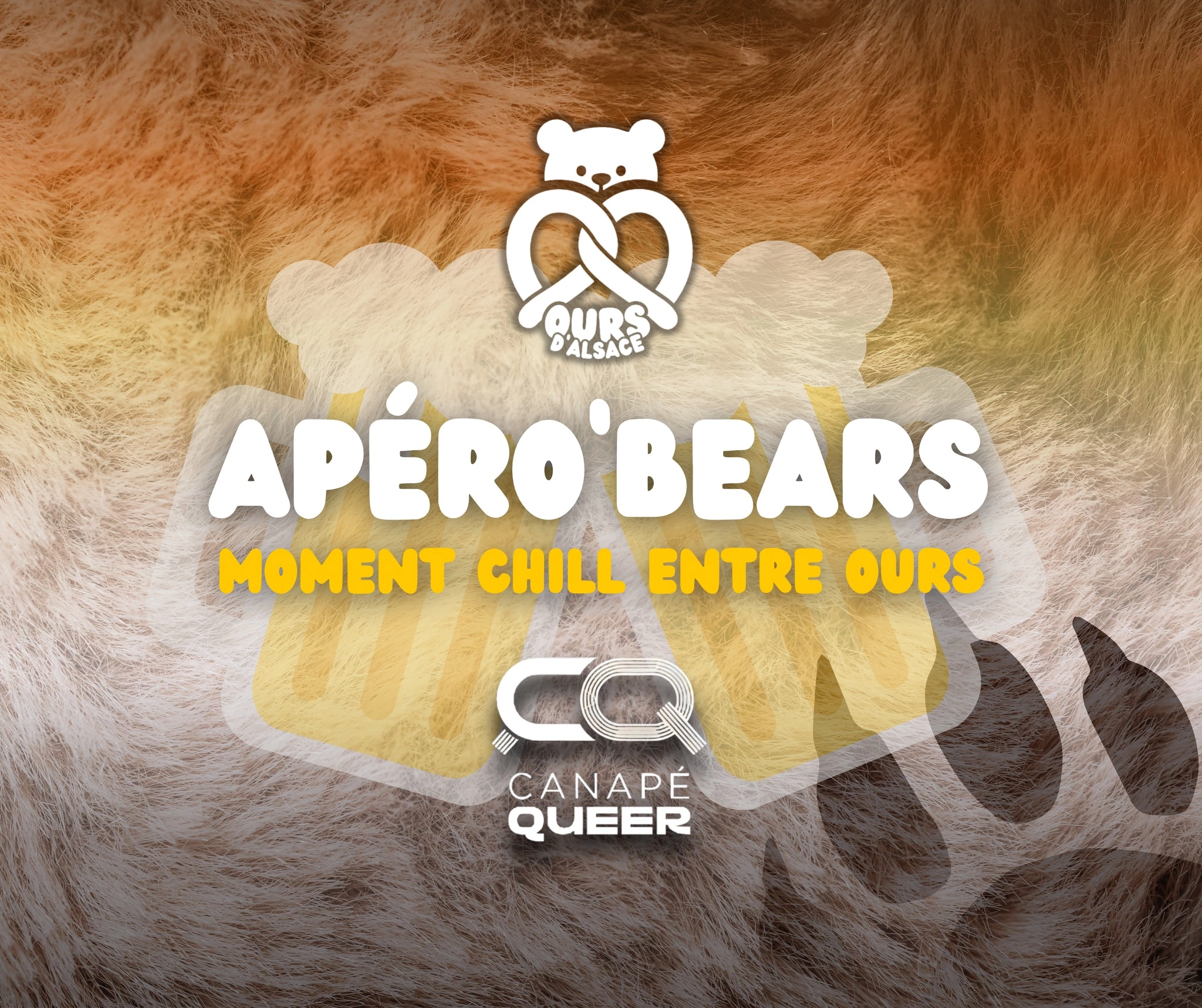
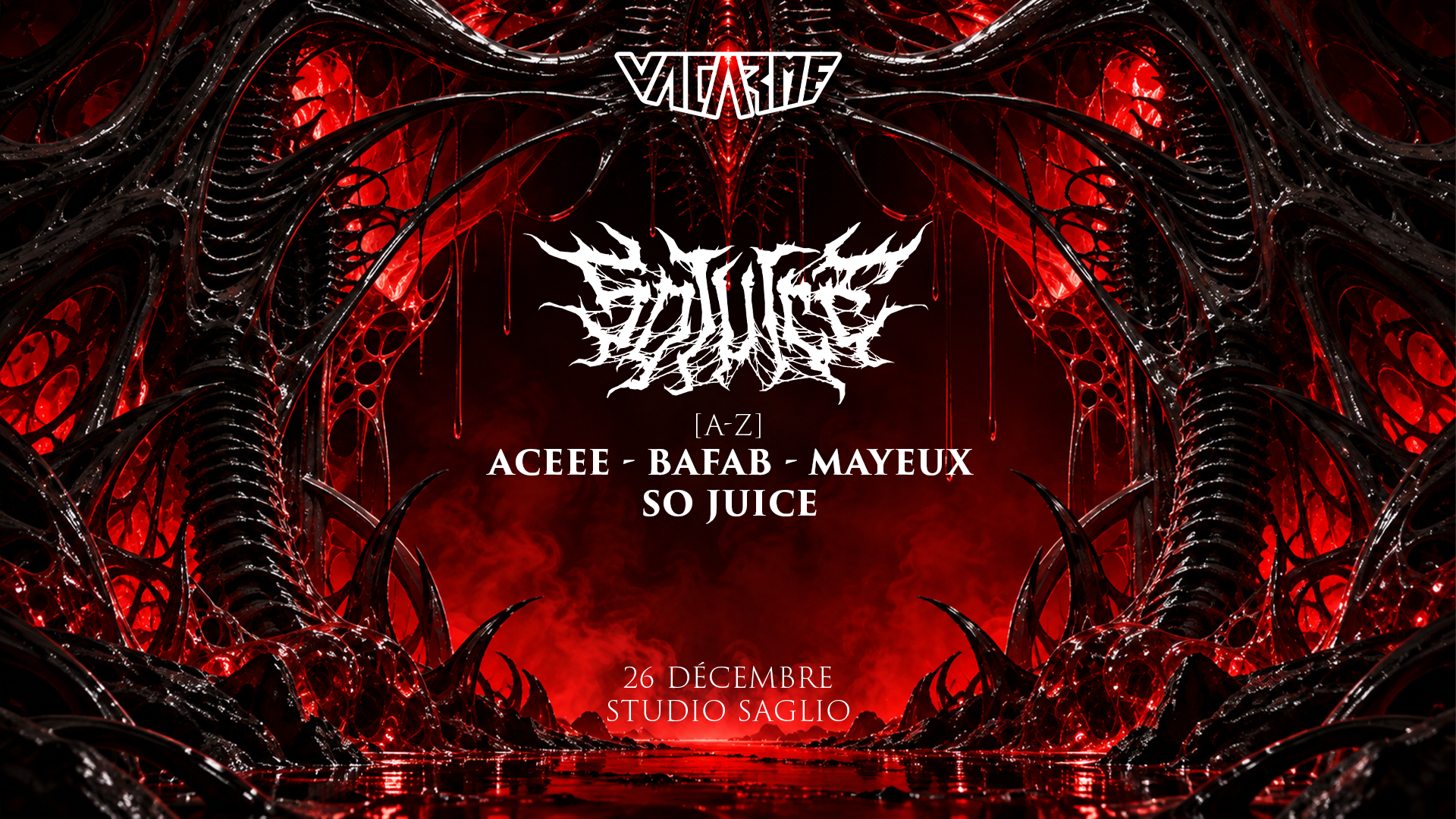
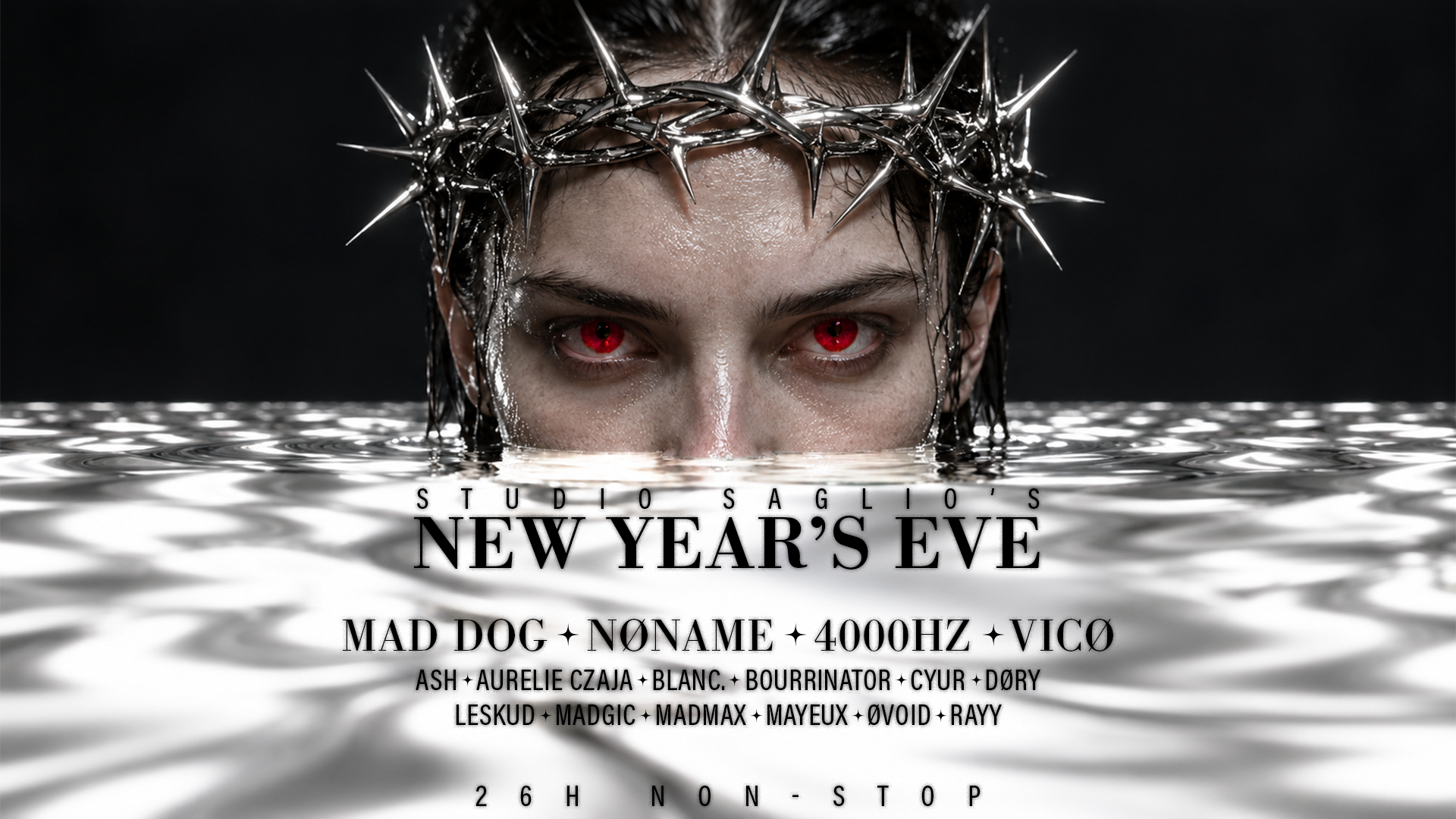
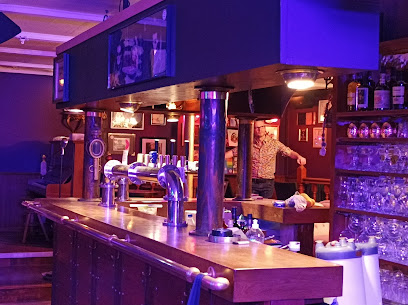
Strasbourg's scene is modest in size but has real anchors. Canapé Queer Bar (20 rue des Couples) is the current social heart of the community — an inclusive, all-welcome space known for drag, open mics and events. Le Golden Gate (rue du Fossé-des-Tanneurs, Petite France) is a long-established gay bar-club running since the late 1990s. Le Schluch, on rue de l'Outre in the old town, is a relaxed, long-running queer-friendly bar. For a cruisier, adults-oriented night, Z Bar (rue de la Course) caters specifically to gay men. Beyond the dedicated venues, spots like Studio Saglio and the Fat Black occasionally host queer nights and parties promoted through community networks.
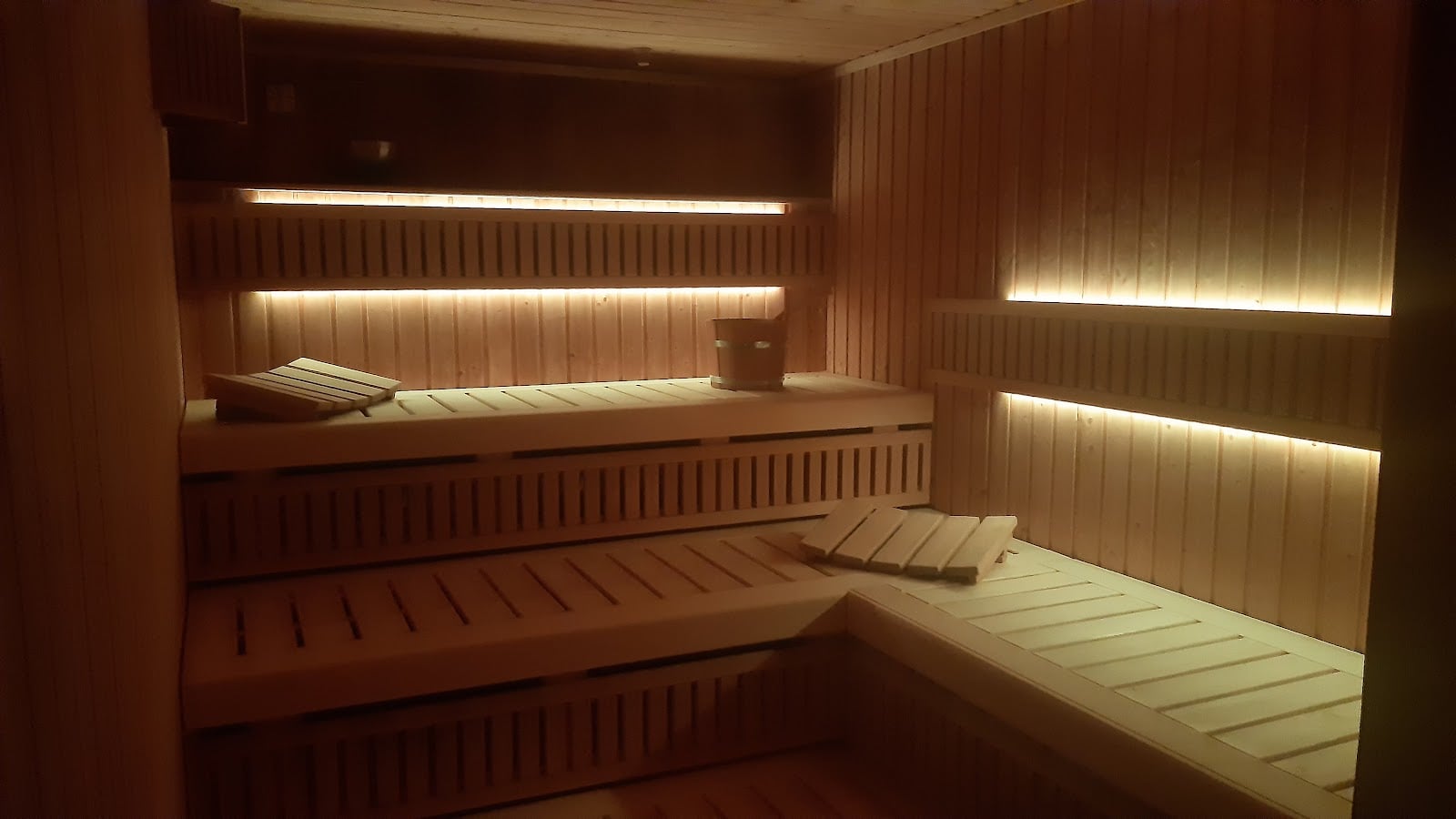
Strasbourg has a healthy sauna scene for a city its size. Sauna Equateur (5 rue de Rosheim) is the city's dedicated men-only gay sauna; Oxydo Sauna (Place Clément) is a mixed venue with men-only gay days; and Drak Sauna, part of "Le Complex" at 2a rue Moll, pairs a two-floor sauna with the adjoining Antr'acte cruising club. France is comparatively relaxed about outdoor cruising, and long-standing spots include the Parc de la Citadelle and the Parc de l'Orangerie — discretion and respect for other park users are always advised.
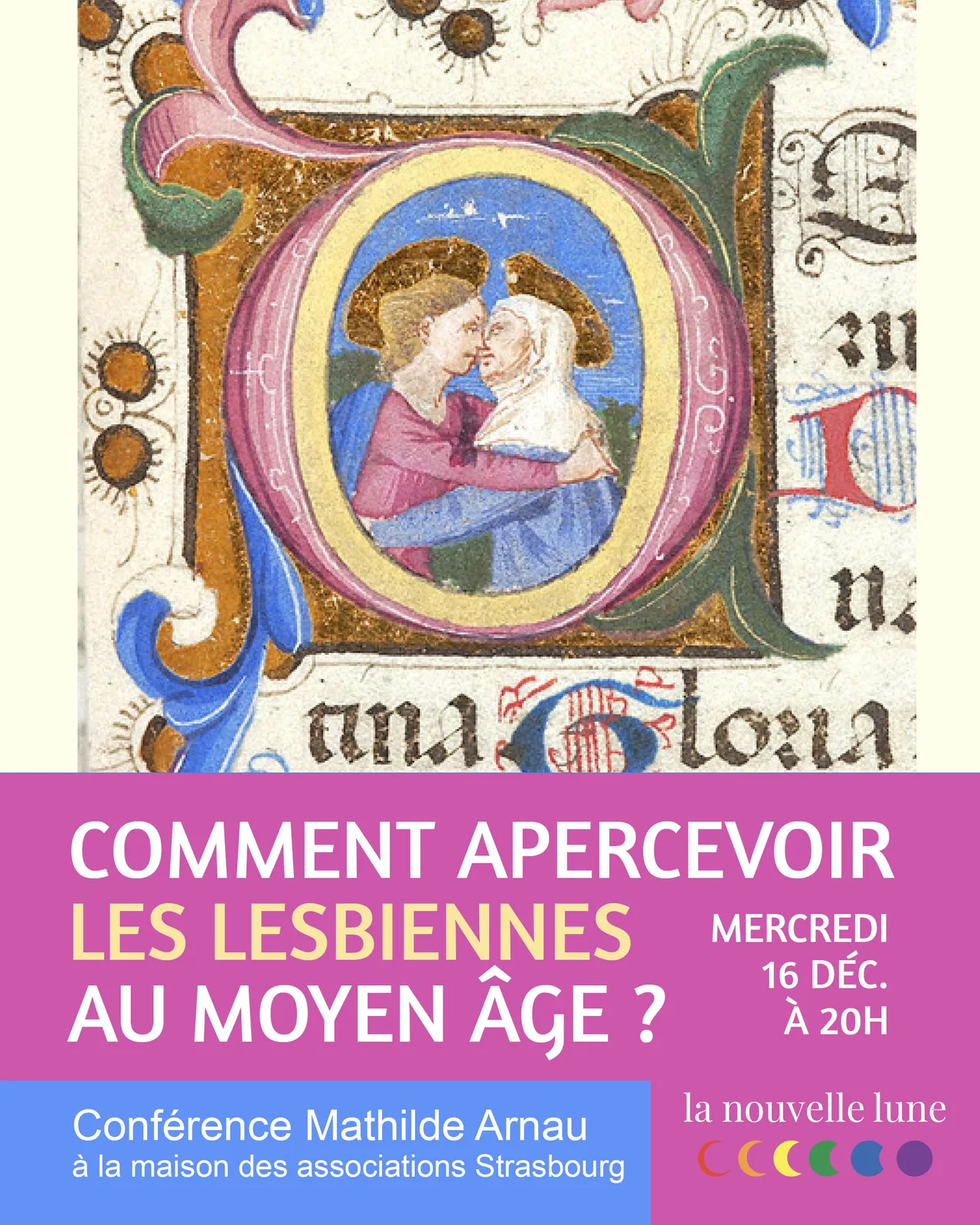
Strasbourg Pride — the Marche des Visibilités — takes place in June as the centrepiece of the FestiQueer festival (formerly FestiGays), organised since 2002 by La Station and a coalition of local associations. The march typically gathers at Place de l'Université and is surrounded by several days of talks, exhibitions, parties and a closing "Nuit des FestiQueer". June is the liveliest month to visit for community events. Later in the year, the FémiGouin'Fest lesbian and queer feminist film festival (run by La Nouvelle Lune) screens around October.
Community and Support
La Station – Centre LGBTI d'Alsace (7 rue des Écrivains) is the region's main LGBTI community centre, offering support, listening, cultural activities and an associative café. Other active groups include Arc-en-Ciel Alsace, SOS homophobie Alsace and the Strasbourg antenna of David & Jonathan.
Where to Stay
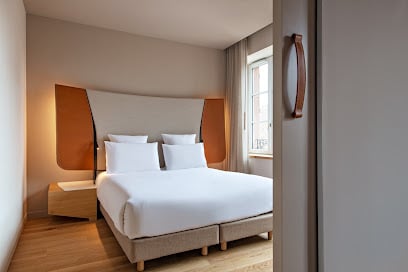
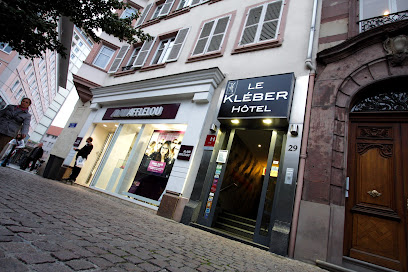
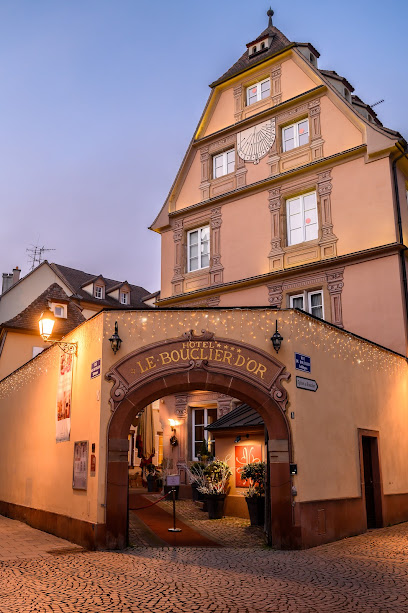
The Grande Île offers the most atmosphere and puts you within walking distance of the bars, restaurants and sights; boutique hotels around the cathedral and Petite France are ideal. The Krutenau is handy for the younger scene, while chain hotels near the central station offer good value a short tram ride from the centre.
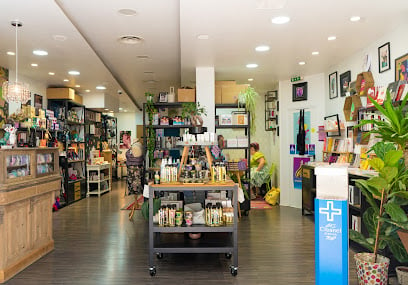
Strasbourg is a welcoming, generally safe city, with strong legal protections against discrimination and an LGBTQ+-friendly municipal administration; normal urban common sense applies. French is the main language, though English is widely understood in the centre. Card payment is standard and pharmacies are marked with a green cross.
Best Time to Visit
June, around the Marche des Visibilités, is the highlight of the LGBTQ+ calendar. Late spring through early autumn brings pleasant weather and outdoor café culture, while December's world-famous Christmas markets (the Christkindelsmärik) make the old town magical, if quieter for specifically queer events.
Conclusion
Strasbourg suits travelers who want authentic European charm, culture and gastronomy alongside a warm, well-integrated queer scene — rather than a wall-to-wall party destination. Its blend of Franco-German history, canal-side beauty and a genuinely rights-minded, European-capital identity makes it a rewarding and comfortable stop for LGBTQ+ visitors.
史特拉斯堡沒有單一的「同志聚落」——當地的同志場景散布於歷史中心區、列入聯合國教科文組織世界遺產名錄的大島(Grande Île)。最古老的酒吧群聚集在大教堂附近的狹窄小巷,尤其是 rue des Couples(Canapé Queer Bar 所在地)和 rue de l'Outre(Le Schluch),而 Le Golden Gate 則位於運河區的小法蘭西(Petite France)。伊爾河(Ill)對岸的學生區 Krutenau,是較年輕、更具另類風格的酷兒族群聚集地。
史特拉斯堡的同志圈規模不大,卻真誠自然。這裡沒有大型夜店的聚集地,而是以幾間友善的場所為中心——Canapé Queer Bar 是目前的社交核心,此外還有 Le Golden Gate、Le Schluch 以及僅限男性入場的 Z Bar——再加上穩健的三溫暖場景(Sauna Equateur、Oxydo 和 Drak)。整體氛圍親切且由社群驅動,線上活動有時較為低調,而在六月的 Marche des Visibilités 期間則最為熱鬧活躍。
多數 LGBTQ+ 旅客會選擇以 Grande Île(大島)為據點,因為這裡鄰近餐飲、文化與夜生活場所。這座歷史悠久的城市核心區以步行為主且氛圍親切,讓整個老城區都充滿歡迎的氣息。
史特拉斯堡的同志驕傲遊行稱為「Marche des Visibilités」,於六月舉行,是 FestiQueer 藝術節(前身為自 2002 年起舉辦的 FestiGays)的一部分,由 La Station 及合作夥伴共同組織。遊行隊伍聚集在 Place de l'Université 廣場周邊,為期數天的講座、派對與文化活動遍及全城,最後以「Nuit des FestiQueer」閉幕之夜作結。2026 年屆次吸引了多達兩萬人參與;每年確切日期請查閱 FestiQueer / La Station 官方資訊。







 同志酒吧與俱樂部
(319)