自 Obergefell v. Hodges 案(2015 年 6 月 26 日)以來,美國已實現婚姻平權。《尊重婚姻法》(Respect for Marriage Act,2022 年 12 月)確立了國會層級的保障,要求聯邦政府承認所有有效的同性及跨種族婚姻,不受未來最高法院判決的影響。Bostock v. Clayton County 案(2020…
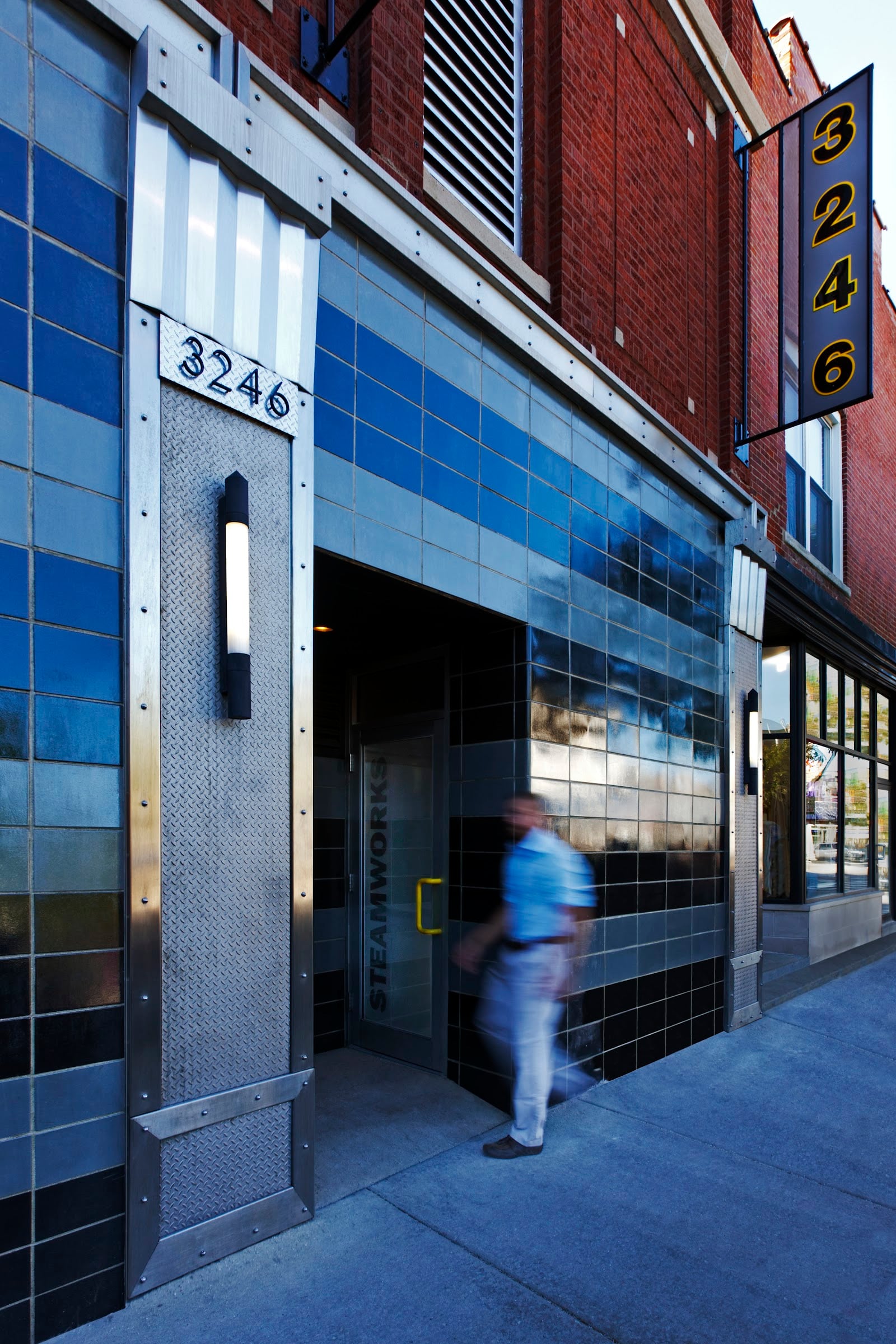
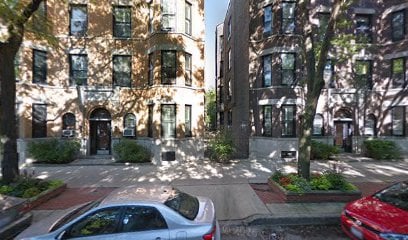
Old Town rowhouse where Henry Gerber founded the Society for Human Rights in 1924, the first documented US gay rights group. A National Historic Landmark.
Chicago's LGBTQ+ community is one of the oldest and most established in the United States, with a history dating back to the 1970s. This legacy includes pioneering bars, significant activism during the AIDS crisis, and a dynamic cultural landscape.
Neighborhoods
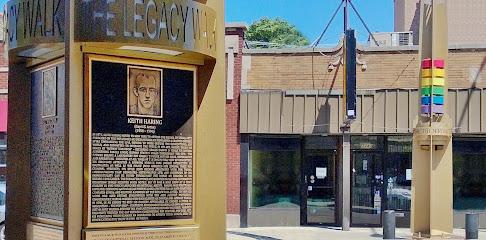
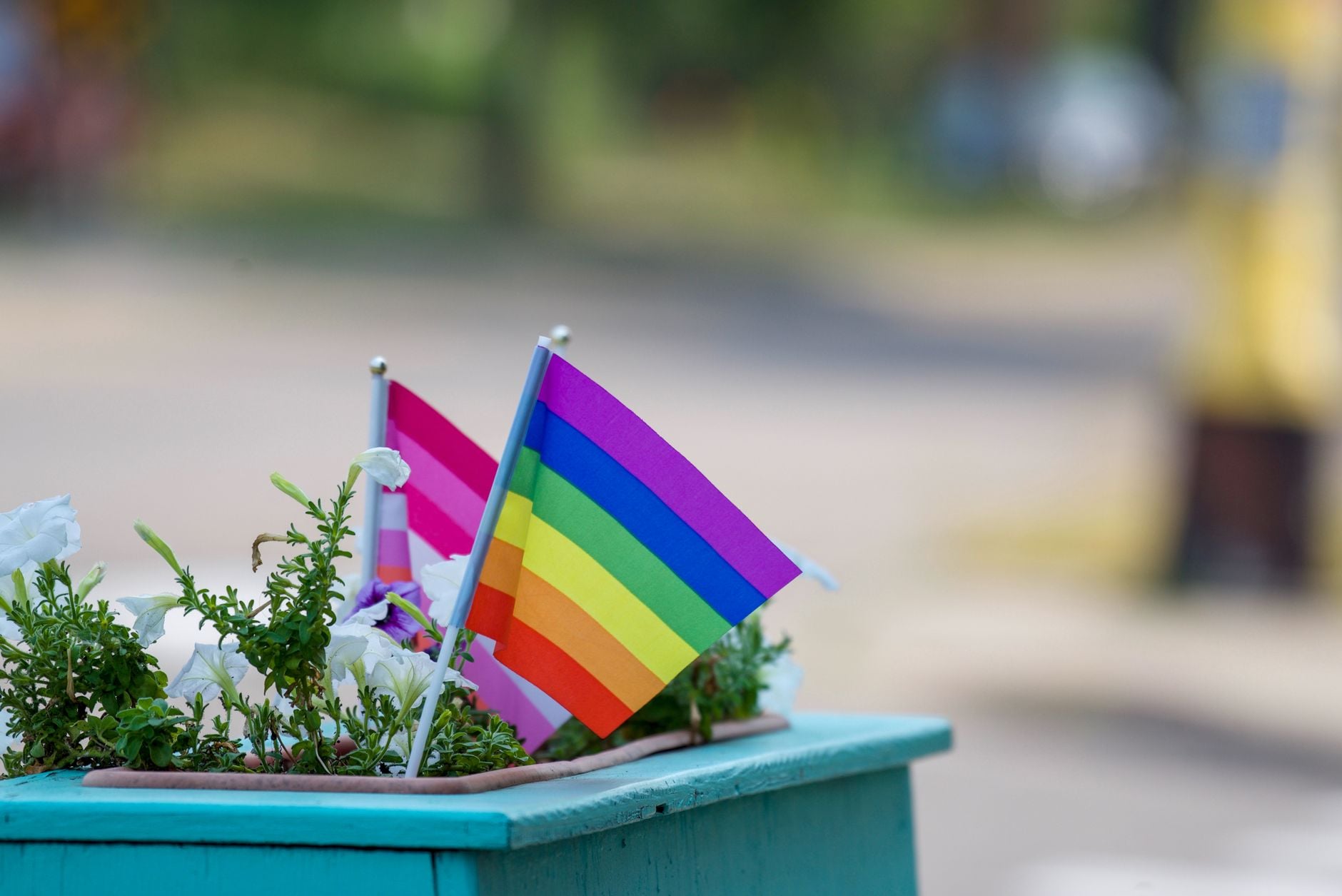
Northalsted - long known as Boystown, and officially renamed in 2020 - runs along Halsted Street between Belmont and Grace on the North Side and is the central hub of Chicago's LGBTQ+ scene, marked by the Legacy Walk's rainbow pylons. It features a high concentration of bars, restaurants, and shops, and its stretch of Halsted anchors the city's Pride parade route. Access is easiest via the Belmont Red Line, with additional transit options serving the area.
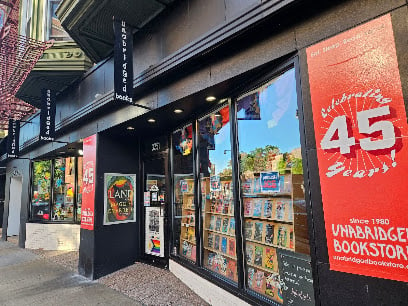
Andersonville, along North Clark Street on the Edgewater-Uptown border, is Chicago's second gay hub and the counterweight to Northalsted's dense strip. Historically women- and lesbian-centered and now strongly bear-friendly, it gathers queer-owned bars, bookstores, and cafes into a low-key, residential neighborhood; Edgewater, Uptown, and Rogers Park round out the north-side scene, with Rogers Park holding the leather-leaning far-north bars.
Lakeview, bordering Northalsted to the east and south, has seen growing popularity among LGBTQ+ residents and visitors. This neighborhood offers lakefront access, parks, and a mix of establishments catering to the LGBTQ+ community alongside more general venues. Lincoln Park, situated further north, has a diverse population that is notably queer-friendly.
On the West Side, Wicker Park and Logan Square have become popular with younger LGBTQ+ crowds. These areas are known for their independent bars and a thriving queer arts and culture scene, offering a more integrated neighborhood feel.
Downtown Chicago and the Loop host many corporate hotels and mainstream entertainment options, though some LGBTQ+-owned or friendly businesses are also present.
Venues and Nightlife
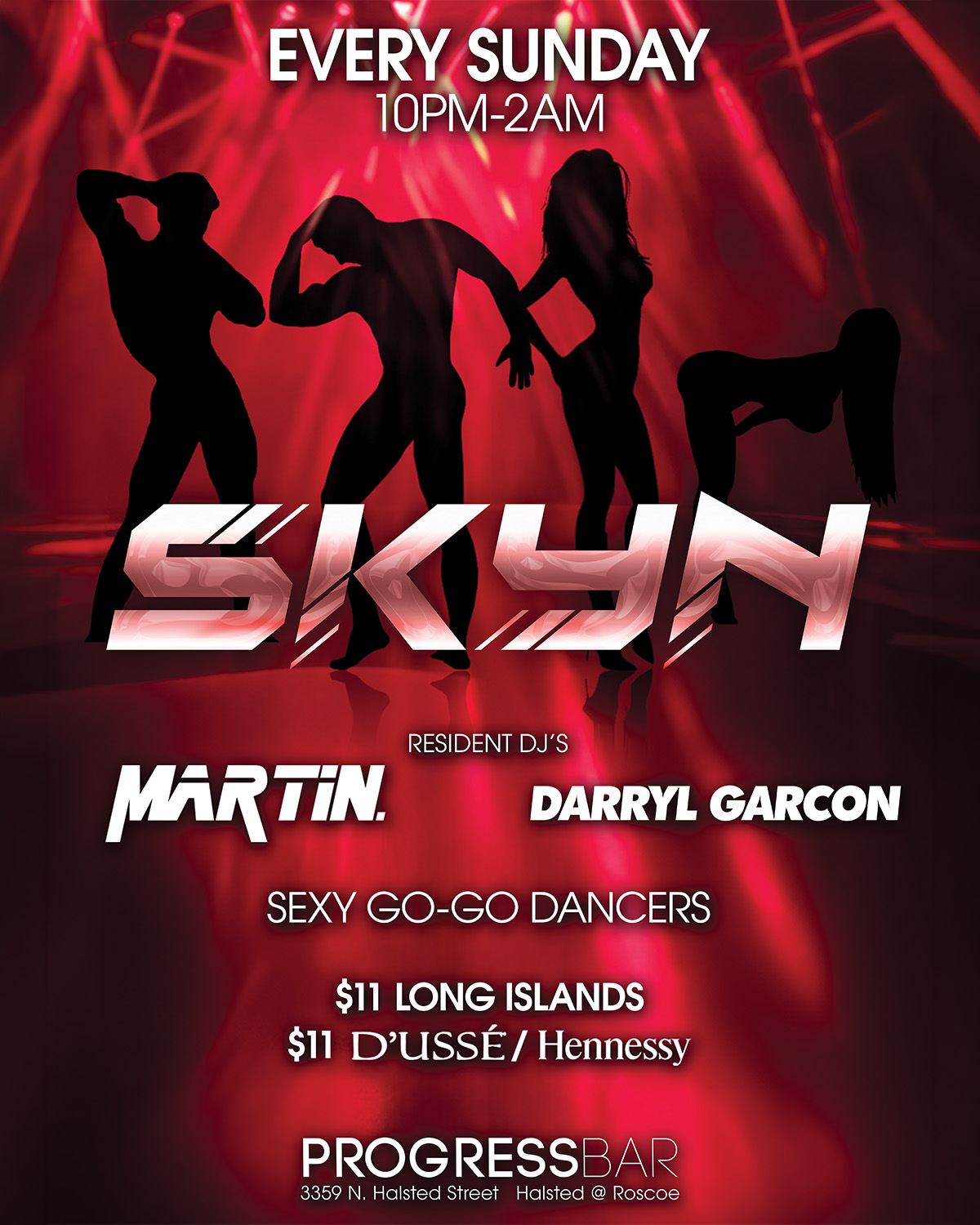
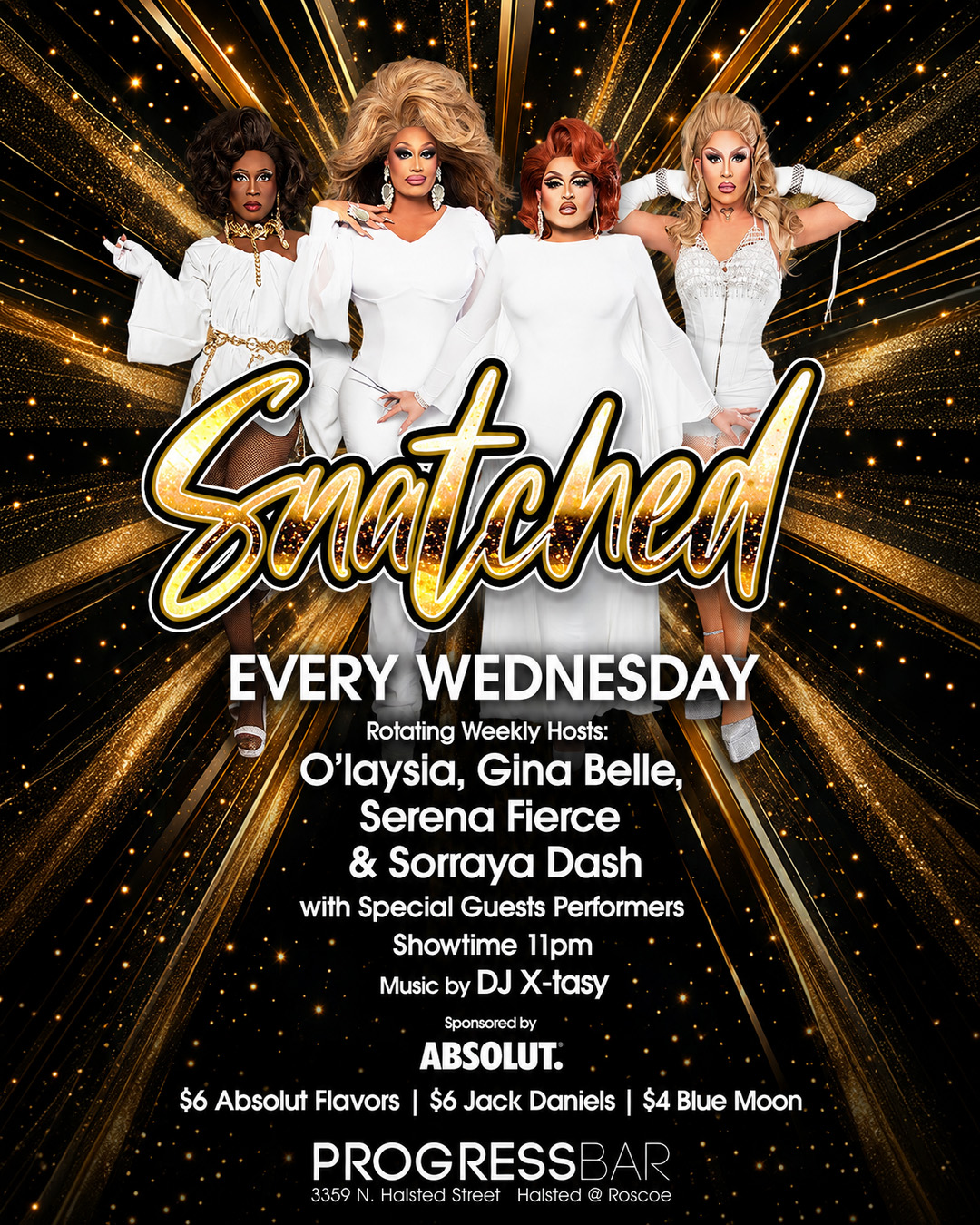
Boystown offers a range of nightlife options, from long-standing establishments to newer venues. Historically, the area has included leather bars, dance clubs, casual bars, and lounges. Roscoe's, a large dance venue and bar complex, is one example of a notable spot.
Beyond Boystown, LGBTQ+-friendly venues are found throughout the city, particularly in Logan Square and Wicker Park. These areas often feature cocktail bars, smaller clubs, and spaces with an artistic focus.
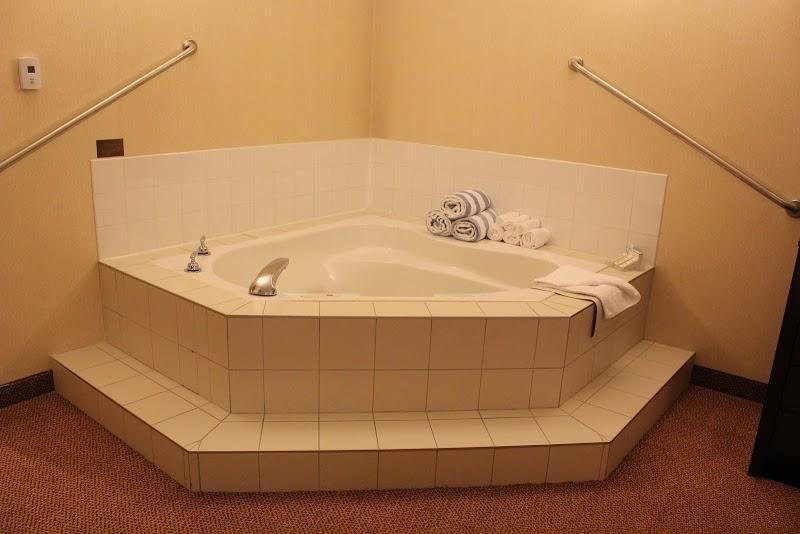
Chicago's bathhouse scene exists but is generally less prominent than in some other major cities.
Chicago Pride centers on the last Sunday of June. The Chicago Pride Parade steps off in Uptown near Sheridan and Broadway, then winds south through Northalsted and Lakeview along Broadway, Halsted, Belmont, and Diversey, drawing hundreds of thousands. The Chicago Pride Fest street festival on Halsted runs the weekend before, and each August the neighborhood throws Northalsted Market Days, one of the Midwest's largest street festivals.
International Mr. Leather (IML) takes place in May, focusing on the leather community with competitions and related social events.
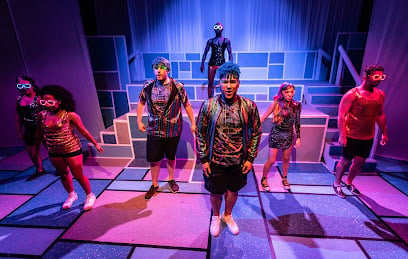
Throughout the year, Chicago hosts various queer cultural events, theater productions, film screenings, and community gatherings.
Where to Stay
Boystown features several LGBTQ+-friendly and LGBTQ+-owned hotels and bed-and-breakfasts, providing a central location for those wishing to be close to the heart of the scene. Options range in price.
Lakeview and Lincoln Park offer accommodations with proximity to LGBTQ+ nightlife and a broader neighborhood atmosphere. Downtown provides mainstream hotel choices for visitors prioritizing museums and business districts, though nightlife requires travel.
Airbnb and vacation rentals are available in many LGBTQ+-friendly neighborhoods across the city.
Chicago's CTA (Chicago Transit Authority) offers public transportation via bus and train. The Red Line connects north and south through the city, providing direct access to Boystown and Lakeview. Buses serve all neighborhoods. A Ventra card is used for payment and can be obtained at stations or via app.
Taxis, rideshare services (Uber, Lyft), and Divvy Bikes (bike sharing) are also available. Many central Chicago neighborhoods are walkable, and Boystown is particularly pedestrian-friendly.
Food and Culture
Chicago's culinary scene is diverse. LGBTQ+-owned restaurants and welcoming establishments are located throughout the city, with notable concentrations in Boystown, Lakeview, Logan Square, and Wicker Park. The city offers a range of dining experiences, from fine dining to casual neighborhood spots and various ethnic cuisines.
World-class museums such as the Art Institute of Chicago, Field Museum, and Museum of Science and Industry are major attractions.
Chicago is generally safe for LGBTQ+ travelers, especially in the discussed neighborhoods. Boystown often has a visible police presence, particularly during events and on weekends. Standard urban safety precautions are advised, such as being aware of your surroundings and using official transportation services. The city has a strong LGBTQ+ community presence and institutional support.
Day Trips
The Michigan dunes and beaches are accessible by Amtrak or car, approximately 45 minutes to 1.5 hours away. Milwaukee, Wisconsin, about 90 minutes north by train or car, has its own LGBTQ+ scene. Indiana Dunes National Park offers natural landscapes and hiking opportunities. Galena, Illinois, a historic town about 2 hours away, is a popular destination for a countryside retreat.
常見問題
Boystown (Lake View) is Chicago's most recognized gay neighborhood, centered around North Halsted Street. Andersonville, located further north around Clark Street, is a more residential neighborhood with a significant gay population. The West Loop, Pilsen, and Logan Square also have growing LGBTQ+ populations and venues.
Boystown has an extensive bar and club scene with various establishments including leather bars, dance clubs, and lounges. Outside of Boystown, other LGBTQ+-friendly and explicitly gay venues operate throughout the city.
Boystown is the epicenter of Chicago Pride celebrations, which have a history dating back to the 1970s. Specific dates for current Pride events should be checked closer to the time.
Yes, Boystown is home to Chicago's LGBTQ+ community center and various service organizations.
Andersonville offers a quieter alternative with neighborhood bars and a community feel. The West Loop and Pilsen attract younger LGBTQ+ populations with trendy restaurants and bars. Logan Square has a growing LGBTQ+ population and venues known for its arts scene.
Chicago has a distinguished history in LGBTQ+ activism and community building, with an integrated civic life reflected in elected LGBTQ+ politicians. The community is well-organized, politically engaged, and visible throughout the city.












 同志酒吧與俱樂部
精選
(750)