Same-sex marriage is legal in all states (Supreme Court ruled in 2022 that bans are unconstitutional). Federal anti-discrimination protections exist. Safety varies greatly by region.
PUEBLA: A VISITOR'S GUIDE TO MEXICO'S LGBTQ+-FRIENDLY COLONIAL CITY
Puebla represents a unique blend of colonial heritage and contemporary Mexican culture, with an emerging LGBTQ+ scene that reflects the city's progressive university population and younger demographic. Located in the state of Puebla, roughly two hours by car or bus from Mexico City, this UNESCO World Heritage city offers travelers seeking culture and authenticity a compelling destination with reliable LGBTQ+-friendly spaces.
HISTORY OF PUEBLA'S LGBTQ+ SCENE
Puebla's LGBTQ+ history reflects broader patterns across Mexico. The city, founded in 1531, remained deeply traditional and Catholic through much of its modern history. Like most Mexican cities outside major tourist zones, open LGBTQ+ visibility came gradually. The emergence of visible gay spaces in Puebla accelerated from the 1990s onward, tied to Mexico City's influence and the growth of Puebla's university sector. Today, the local LGBTQ+ community organizes around Pride celebrations, social organizations, and nightlife venues, though the scene remains more discreet than in Mexico City or Cancún.
NEIGHBORHOODS AND ORIENTATION
Centro Histórico is the heart of Puebla's tourism and social scene, centered around the zócalo (main plaza) and radiating outward to colonial streets. This area contains museums, restaurants, and several LGBTQ+-friendly establishments. The neighborhood is highly walkable and safe during daylight and evening hours, with heavy foot traffic and police presence.
Xanenetla, located north of Centro Histórico, is known as a younger, bohemian area with street art, independent cafes, galleries, and progressive crowds. This neighborhood has become increasingly popular among LGBTQ+ residents and younger visitors seeking authentic local culture beyond tourist zones.
Heróica Puebla de Zaragoza (the city's official name) encompasses several other residential and commercial districts. Barrio del Artista (Artist Quarter) near Centro offers galleries, studios, and bohemian venues that attract creative and LGBTQ+ crowds.
VENUES AND NIGHTLIFE
Puebla's LGBTQ+ nightlife is compact but genuinely local, concentrated in and around the Centro Histórico. The best-known dedicated venues include BoyBerry (strip and drag shows near Palafox y Mendoza), Garotos Dance Club in bohemian Xanenetla, La Mariposa (drag and comedy) and Secret Coffee & Beer, an intimate drag-and-karaoke bar. Toward Boulevard San Felipe in the north, DUA is a lively inclusive club with go-go dancers and weekend drag, while Pandora Club keeps the central scene busy with go-go, karaoke and occasional women's nights. The region's biggest LGBT club, ZUNTRA Pop Club (capacity around 800, with midnight drag), sits just west in neighbouring San Andrés Cholula, a short taxi ride away.
Puebla also has a traditional gay bathhouse culture: Baños Las Termas, a landmark gay steam bath running for more than two decades, alongside the cruisy Baños San Joaquín and the men-only Menbox and Adán Club Gay. Opening patterns can shift week to week, so it is worth checking a venue's social media before heading out.
Day-time LGBTQ+ social life centers on cafes, restaurants, and cultural venues in Xanenetla and Centro, where young LGBTQ+ residents and visitors socialize openly.
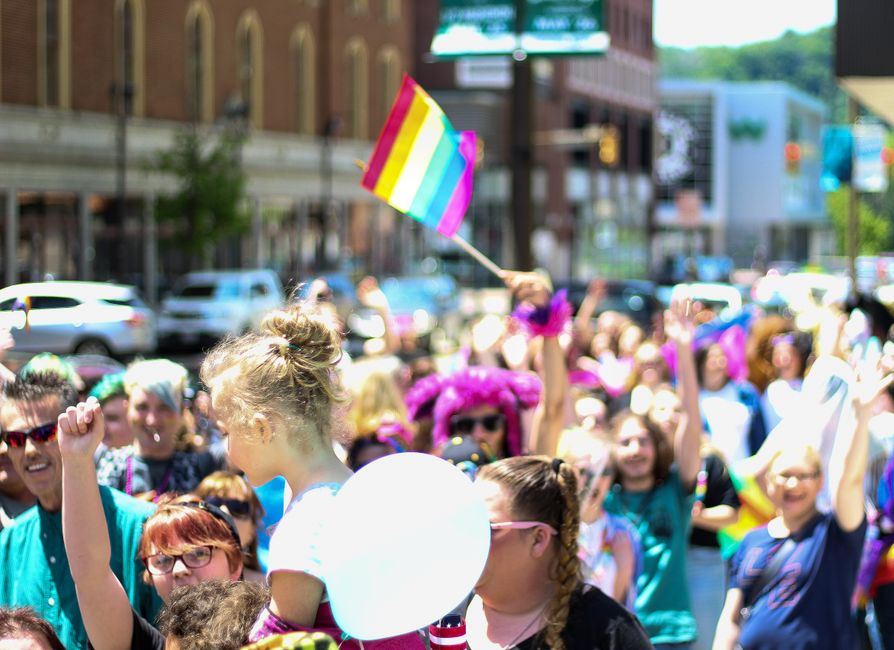
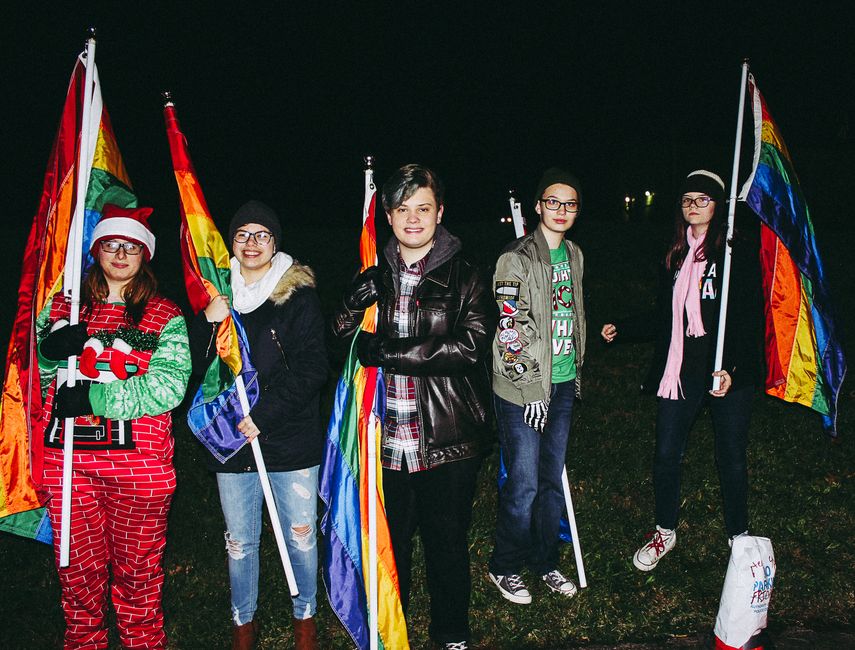
Puebla's Marcha del Orgullo LGBT+ (Orgullo Puebla) is held every June and has grown from around 30 marchers at its first edition in 2002 to roughly 30,000 participants today. The march typically sets off in the afternoon from Parque Juárez (near Avenida Juárez and 25 Sur), winds through the Centro Histórico and ends with a festival at the Zócalo in front of the Government Palace. In recent years it has been organised by citizen collectives including Colectivo APPS Derechos Humanos, the Comité Orgullo Puebla and Vida Plena Puebla, the city's veteran LGBTQ+ organisation; some years have also seen a separate state ("estatal") march later in the month.
Beyond Pride, groups such as Vida Plena Puebla and Cuenta Conmigo run cultural events, film screenings, health services and social gatherings throughout the year, promoted mainly through social media and community networks.
WHERE TO STAY
Centro Histórico offers the most tourism infrastructure, with numerous hotels ranging from luxury colonial properties to budget options. Staying in Centro provides walkability to attractions, dining, and LGBTQ+-friendly venues. The area is well-lit and heavily touristed, making it safe for solo and group travelers.
Xanenetla offers more bohemian accommodations, including guesthouses and smaller hotels with artsy vibes. This area attracts younger, creative travelers and has increasingly LGBTQ+-friendly guesthouses, though options are fewer than in Centro.
Puebla's airport (Hermanos Serdán International) connects to Mexico City and other major Mexican cities. Most international travelers fly into Mexico City and take a bus or rental car to Puebla, a straightforward two-hour journey via highway.
Within Puebla, the city center is highly walkable. Taxis and ride-sharing apps (Uber, Didi) are available and affordable. Local buses serve outlying areas but require familiarity with routes; tourists typically navigate on foot or by taxi in central areas.
SAFETY CONSIDERATIONS
Puebla is generally safe for LGBTQ+ travelers, particularly in Centro Histórico and Xanenetla. Public displays of affection between same-sex couples are increasingly accepted in these areas, though discretion remains advisable in less touristy zones. The city experiences lower violent crime than some Mexican regions but maintains standard big-city precautions. Travelers should avoid displaying excessive wealth, stay in populated areas after dark, and use registered taxis or ride-sharing apps rather than hailing cabs on the street.
The state of Puebla and Mexico overall has constitutional protections against discrimination based on sexual orientation and gender identity. Puebla city government has shown support for LGBTQ+ events and initiatives in recent years.
CULTURE AND ATTRACTIONS
Puebla's primary draw for all travelers is its cultural heritage. The Metropolitan Cathedral, completed in 1649, ranks among Mexico's most important baroque structures. The Biblioteca Palafoxiana, established in 1646, is the oldest library in the Americas. The Museo Amparo houses pre-Hispanic and colonial art. Street murals, especially in Xanenetla, celebrate contemporary art and LGBTQ+ themes.
The city is famous for its regional cuisine, particularly mole negro (a complex sauce originating in nearby Oaxaca) and chiles en nogada (poblano peppers stuffed with meat and topped with walnut cream and pomegranate seeds). Numerous restaurants ranging from upscale to casual serve regional specialties. LGBTQ+-friendly dining options are scattered throughout Centro and Xanenetla.
FOOD AND DINING
Puebla's culinary reputation is exceptional. Centro Histórico and surrounding areas contain hundreds of restaurants from street food to fine dining. Many are LGBTQ+-friendly or neutral in atmosphere. The city's cafe culture is strong, with numerous independent cafes in Xanenetla and Centro catering to young professionals and creative communities, many of which have openly LGBTQ+ ownership or staff.
DAY TRIPS
Cholula, 20 kilometers away, hosts the Great Pyramid of Cholula, one of the world's largest pyramids by volume, topped with a colonial church. The town is easily reached by bus and makes an excellent half-day excursion.
Atlixco, a colourful town about 30 kilometres southwest known for its flowers and its lively Huey Atlixcáyotl festival, makes another easy day trip. Popocatépetl and Iztaccíhuatl volcanoes, visible from Puebla on clear days, are destinations for more serious outdoor travelers.
WHO COMES HERE
Puebla attracts LGBTQ+ travelers interested in authentic Mexican culture, colonial architecture, and regional cuisine who want to step beyond major tourist corridors. The city appeals to couples seeking cultural immersion, solo travelers exploring Mexico's interior, and visitors wanting a less commercialized alternative to beach resort destinations. Families with LGBTQ+ members will find a welcoming atmosphere, particularly in Centro and younger neighborhoods.
PRACTICAL INFORMATION
Spanish is the primary language; English is spoken in tourist-oriented businesses but less common in local establishments. Currency is the Mexican peso. Most businesses accept credit cards, though cash remains important in traditional areas.
Cellular service is excellent; multiple carriers offer prepaid plans. WiFi is available in hotels, cafes, and most restaurants. Banking and ATMs are readily available.
The best times to visit are October through April when weather is mild and dry. Rainy season runs May through September. Altitude (2,160 meters) means cooler temperatures year-round compared to coastal areas; layers are recommended.
Frequently asked questions
Puebla is generally considered safe for LGBTQ+ travelers. The Centro Histórico is highly walkable and safe during daylight and evening hours due to heavy foot traffic and police presence. The LGBTQ+ scene is more discreet than in larger cities like Mexico City.
The Centro Histórico is recommended for its proximity to museums, restaurants, and several LGBTQ+-friendly establishments. Xanenetla, north of the Centro Histórico, is also popular with LGBTQ+ residents and younger visitors seeking local culture.
Puebla's LGBTQ+ nightlife is compact and concentrated in the Centro Histórico. Dedicated venues include BoyBerry, Garotos Dance Club, La Mariposa and Secret Coffee & Beer, plus the inclusive club DUA and Pandora Club; the region's biggest LGBT club, ZUNTRA, is just west in neighbouring San Andrés Cholula. There is also a traditional gay bathhouse scene (Baños Las Termas and San Joaquín).
Puebla's Pride march, the Marcha del Orgullo LGBT+ (Orgullo Puebla), takes place every June. It began in 2002 and now draws around 30,000 people, marching from Parque Juárez through the Centro Histórico to the Zócalo, followed by a festival. It is organised by local collectives such as Colectivo APPS and the veteran organisation Vida Plena Puebla.
Yes, the Centro Histórico contains several LGBTQ+-friendly establishments and is a hub for tourism and social life. Xanenetla is known as a younger, bohemian area that has become increasingly popular among LGBTQ+ residents and younger visitors.
Puebla's LGBTQ+ scene is more discreet than in major tourist hubs like Mexico City or Cancún. While it has a growing scene tied to its university population, it remains more understated.
Your privacy choices.
We use cookies to run GayOut and, with your consent, measure usage. Learn more
Your privacy choices
We use cookies to keep GayOut running, remember your preferences, and (with your permission) measure how the site is used. You can accept all, reject all, or pick what you allow. Learn more
Essential
Required for sign-in, fraud prevention, CSRF protection and remembering your language. Cannot be disabled.
Always on
Remembers your favourites, dark mode and other interface preferences across visits.
Helps us understand which pages people visit (Google Analytics, server-side stats) so we can improve.
Used by campaign tracking pixels. None are active right now, reserved for future use.
Install GayOut
Add GayOut to your home screen for faster access, offline favourites, and Pride alerts.





 Gay Bars & Clubs
(534)
Gay Bars & Clubs
(534)