If detained: do not sign any document you do not understand. Request your embassy and a lawyer immediately. Do not consent to phone searches without legal advice.
Homosexuality decriminalised in 1997 under revised Criminal Law. Removed from the official Classification of Mental Disorders in 2001 — a landmark step at the time. No legal recognition of same-sex partnerships, civil unions or marriages. No adoption rights for same-sex couples. No federal anti-discrimination protections covering sexual orientation or gender identity. Legal gender change is possible in limited circumstances (requires medical diagnosis and, in most provinces, surgical…
Never miss a gay event in Wuhan
One email a week — the weekend lineup, parties and deals. No spam, unsubscribe anytime.
China does not criminalise consensual same-sex conduct, and there are no laws explicitly banning homosexuality between adults. This places it ahead of many countries globally. However, the legal landscape remains fundamentally restrictive. Same-sex marriage is not recognised; same-sex couples have no legal protections, inheritance rights, or spousal benefits. Content depicting homosexuality is subject to state censorship under vague 'obscenity' or 'spreading vulgar content' rules. Public expressions of LGBTQ+ identity—activism, events, or media—can face state intervention. Arrests of LGBTQ+ individuals are rare but have occurred in connection with activism or online speech perceived as challenging state authority rather than for same-sex conduct itself.
In practice, casual same-sex conduct or tourism is not criminalised. Prosecution of individuals for private consensual activity does not happen. However, the lack of explicit criminalisation does not mean safety or acceptance. Discrimination in employment, housing, and services is not illegal and occurs. The state maintains tight control over civil society and online speech; LGBTQ+ organising, Pride events, and public visibility are not tolerated. For a tourist visiting Wuhan, the primary risk is not arrest but social discomfort, refusal of service, or unwanted attention.
PRACTICAL SAFETY
Apps and Digital Life: Exercise caution with dating and social apps. While these are used by LGBTQ+ individuals in Wuhan, assume they may be monitored or that profiles could be reported to authorities by other users. Mainland China's censorship and surveillance infrastructure is extensive. Avoid politically sensitive conversations or activism-related content. WhatsApp, Signal, and Telegram are less reliable than in other countries; WeChat is the primary messaging platform but is subject to state monitoring. Keep app usage private and avoid downloading apps that explicitly market themselves as LGBTQ+ unless you are comfortable with that association appearing in your digital footprint.
Where to Stay
Hotels: International hotel chains (Marriott, Hilton, Accor, IHG) do not object to same-sex couples sharing a room or bed, and booking platforms (Booking.com, Agoda) reflect this without issue. Budget guesthouses and smaller Chinese-run hotels often operate under outdated or conservative policies and may refuse double-bed bookings to unmarried couples. When booking, international chains are the safest option. Same-sex couples should avoid small, family-run guesthouses unless they are certain of the policy beforehand.
Public Behaviour: Public displays of affection between same-sex couples are uncommon in Wuhan, as they are across mainland China. Holding hands, kissing, or obvious physical contact between same-sex couples may attract stares, comments, or—rarely—confrontation. Keep affection private. This applies in restaurants, bars, and public spaces. Mainstream bars and clubs in Wuhan do not discriminate based on sexual orientation in admission, but do not expect an overtly LGBTQ+-friendly environment. You may see mixed groups and expats in upscale venues; blend in as tourists or business travellers.
DOCUMENTS: Carry your passport and ensure your travel documentation is in order. While not specific to LGBTQ+ travel, it is essential given China's border controls and occasional document checks.
LGBTQ+ residents of Wuhan socialise largely through private networks, WeChat groups, and word-of-mouth introductions rather than public venues. As a tourist, you are unlikely to access these circles, nor should you attempt to seek them out; doing so could inadvertently expose local residents to risk. Instead, focus on mainstream spaces. Wuhan's expat community is sizable, particularly in areas like Hankou and around universities. Expat-oriented bars and restaurants tend to attract a more diverse and cosmopolitan clientele; these spaces are not explicitly LGBTQ+ but often more relaxed about guests' backgrounds and identities. Hotel bars in international chains, particularly those catering to business travellers, are another option. These venues are socially neutral and do not require you to be discreet in the sense of hiding—they simply are not LGBTQ+-specific spaces.
If you meet LGBTQ+ residents or travellers, social gatherings may occur in private apartments or hotel rooms rather than public venues. Respect the privacy and caution of locals; do not photograph, post on social media, or discuss these encounters in ways that could identify participants.
MAINSTREAM TRAVEL HIGHLIGHTS
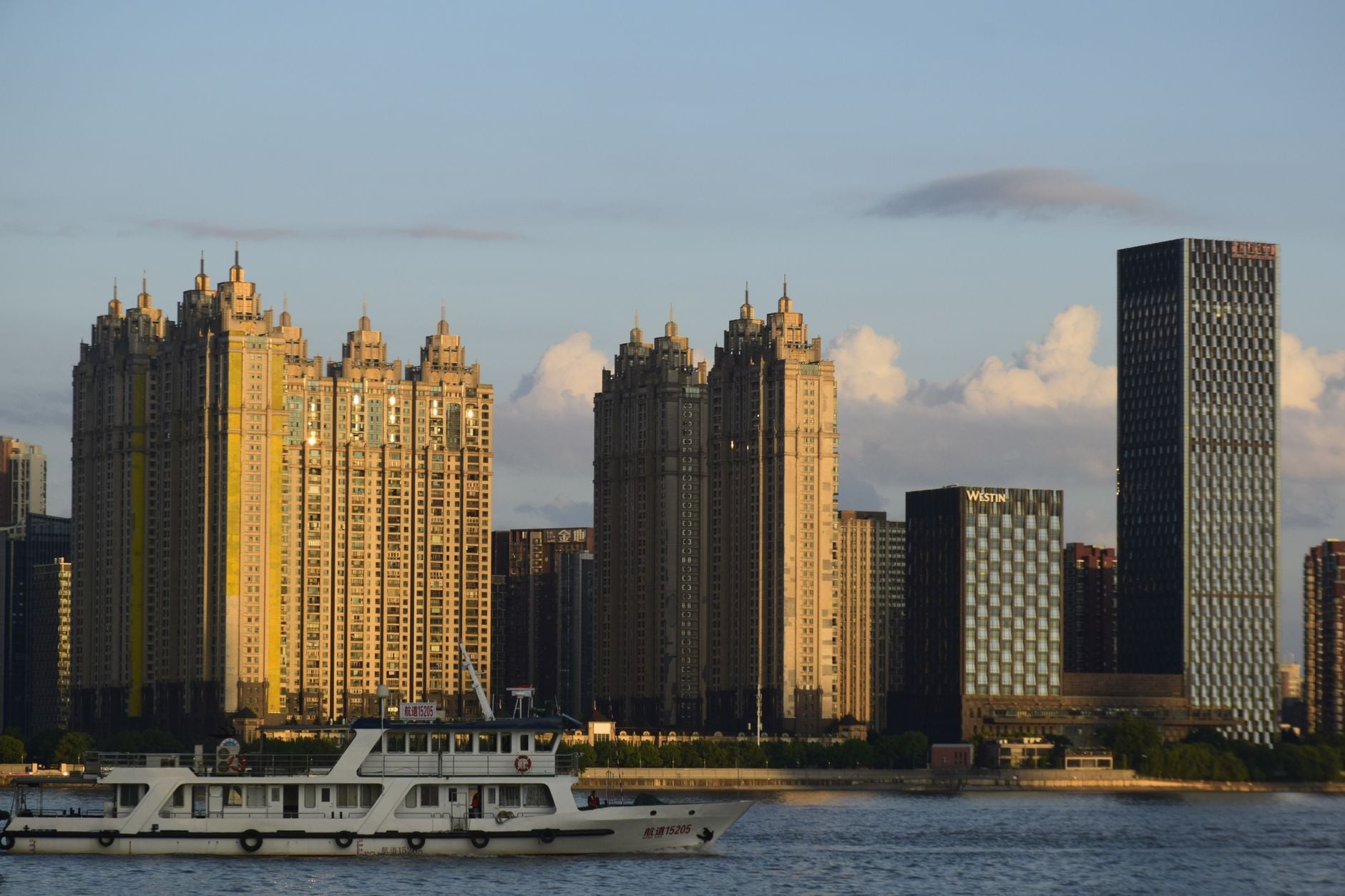
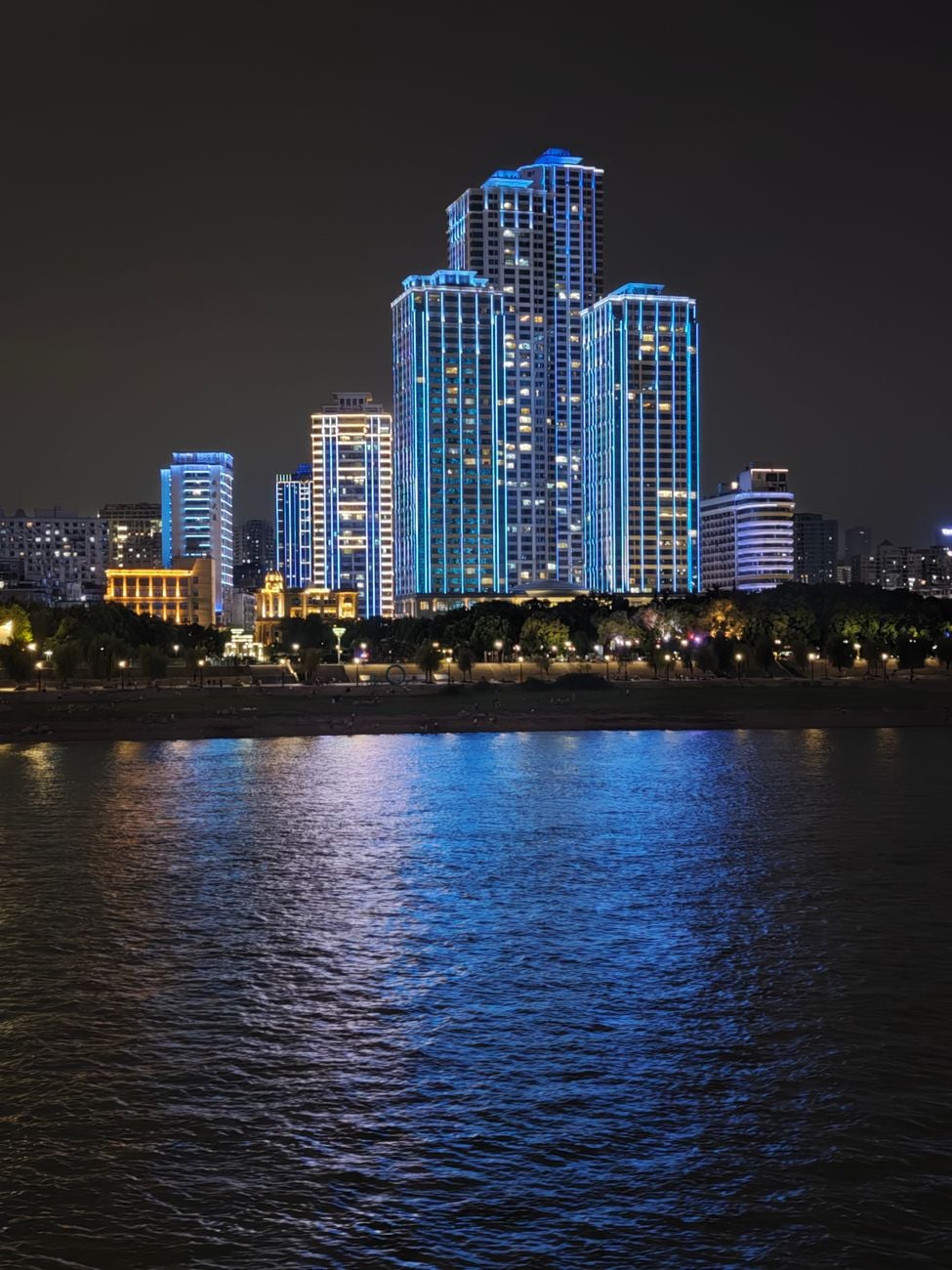
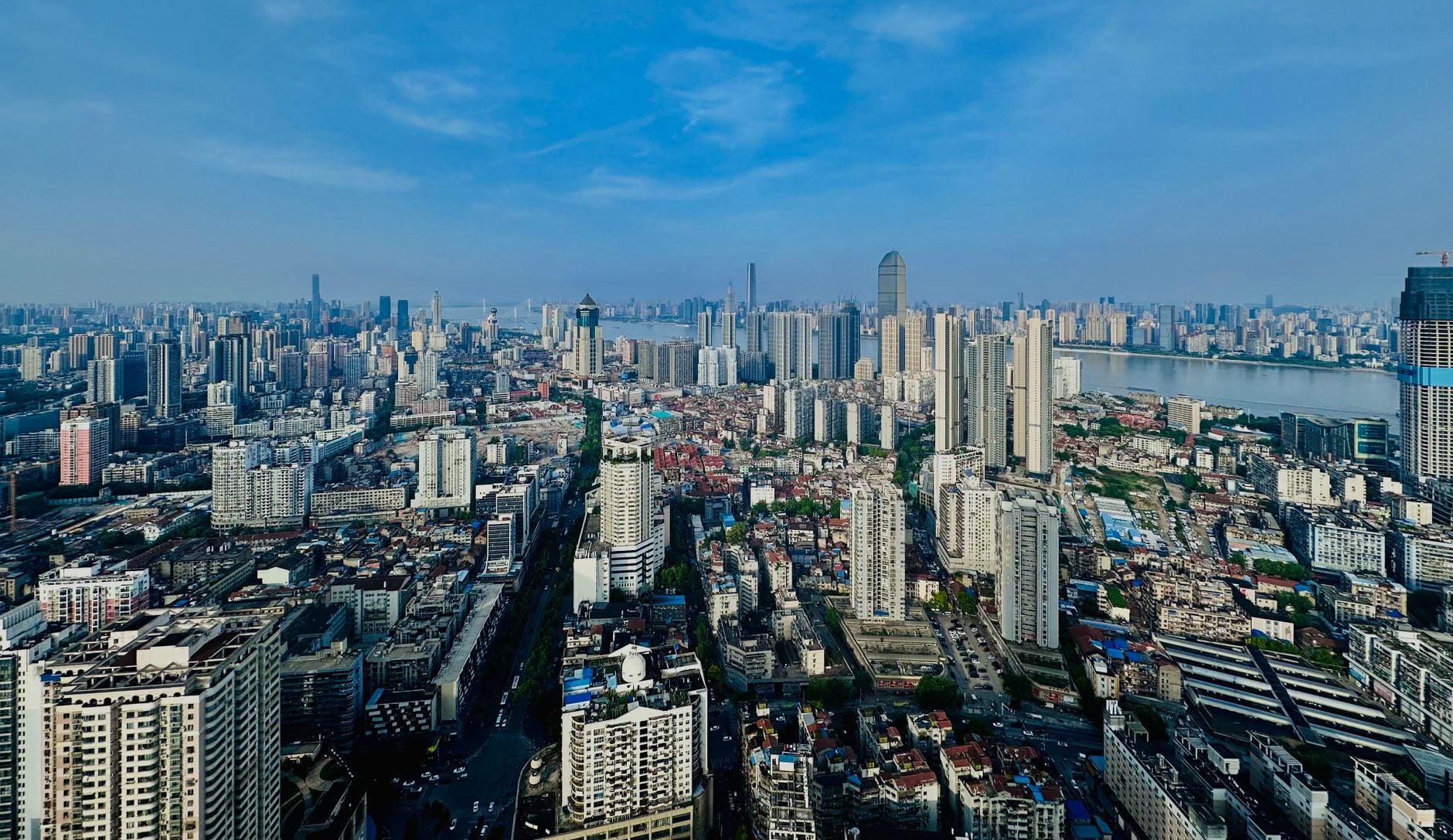
Wuhan is a major city with substantial non-LGBTQ+ tourism appeal. The Yangtze River runs through the city, and riverside promenades (particularly in the Hankou district) offer pleasant walks and views. East Lake is a large urban lake with parks, temples, and walking paths; it is popular with locals and tourists alike. The Yellow Crane Tower, a historic structure overlooking the Yangtze, is a well-known landmark and offers views of the city. The Hubei Provincial Museum houses artifacts from ancient Chinese dynasties and is of historical interest.
Food & Drink
Food is a major draw. Wuhan is known for its street food and regional cuisine—hot dry noodles (re gan mian), fish soup, and pork-based dishes are local specialities. Night markets and food streets are lively, popular with locals, and a safe space to explore. No special considerations apply; simply enjoy.
Nightlife in Wuhan includes karaoke venues (KTV), mainstream bars, and clubs. These are not LGBTQ+-themed but are social spaces where mixed groups gather. KTV is extremely popular in China; it is a semi-private room where groups sing and drink. International-style bars exist in central areas, particularly around business districts. Clubs range from electronic dance music venues to more casual lounges. None of these are overtly LGBTQ+-friendly, but they do not exclude based on sexual orientation—they are simply mainstream social spaces. Enjoy them as a tourist without expecting LGBTQ+-specific atmosphere or clientele.
WHERE TO STAY
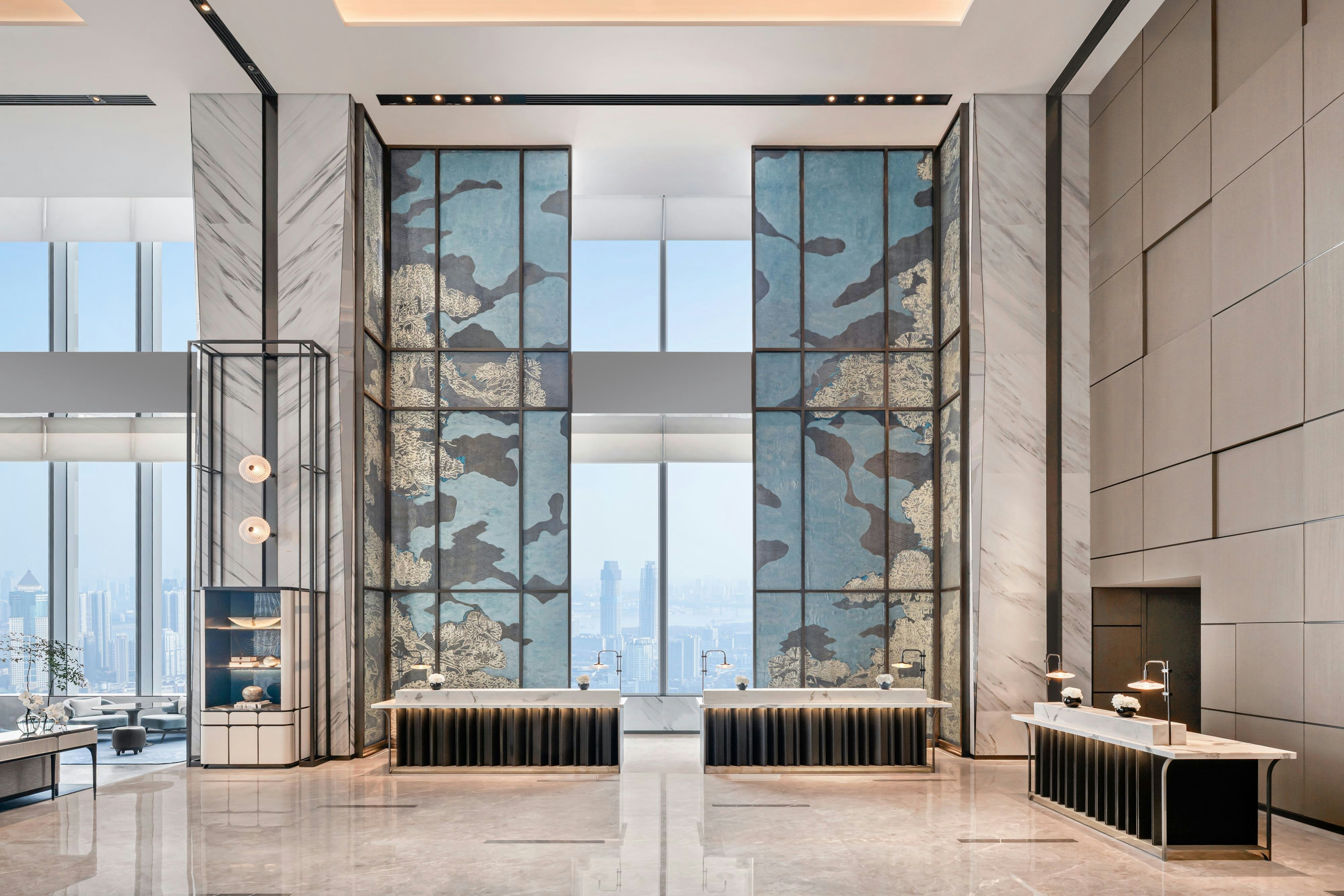
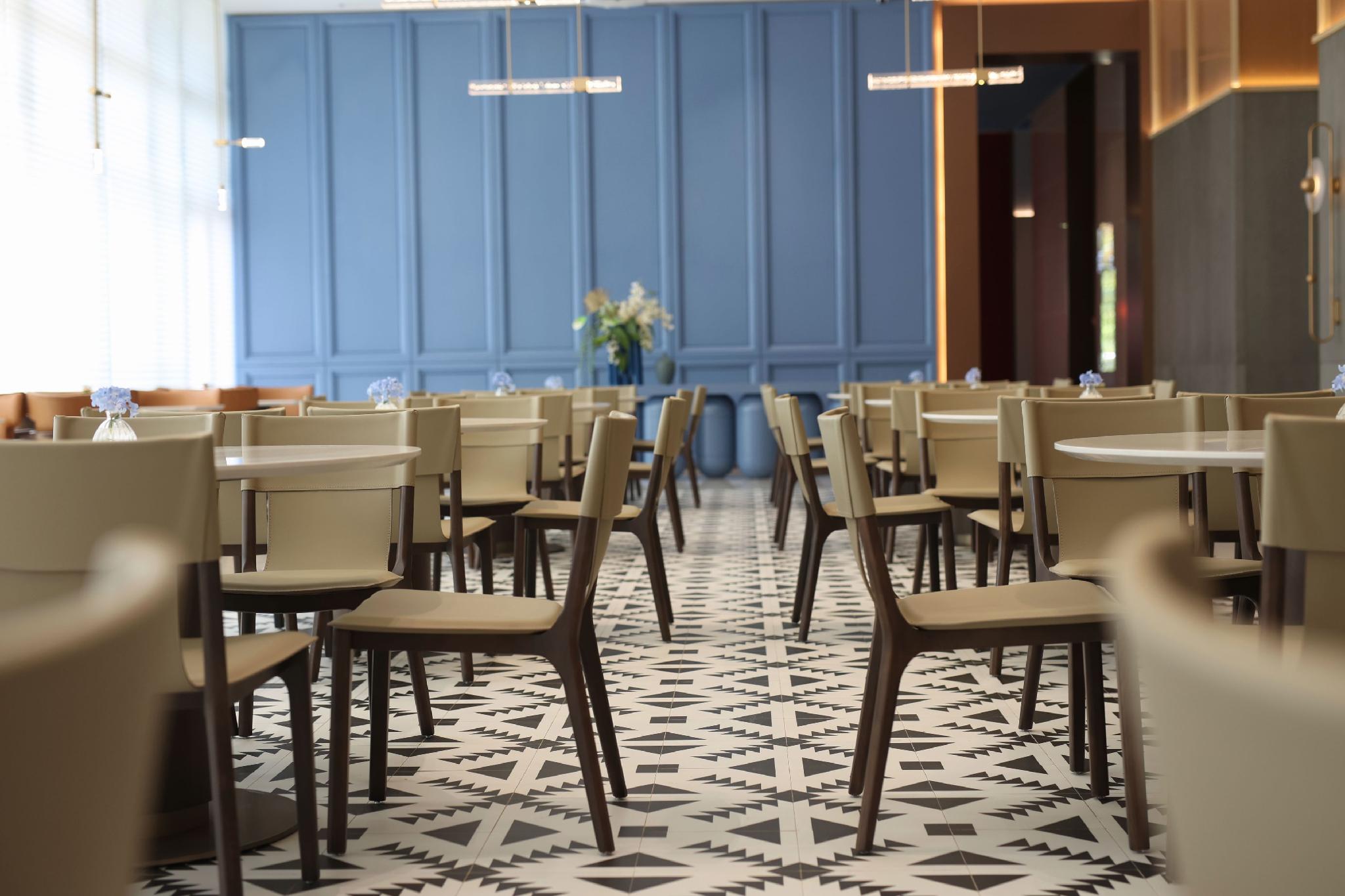
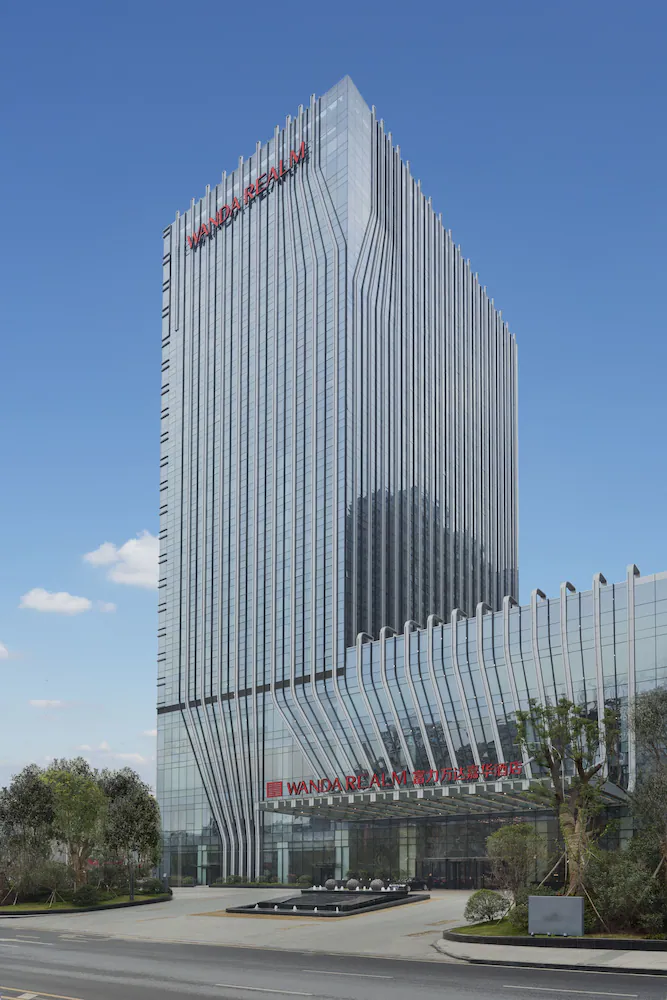
International hotel chains are the safest and most straightforward option. The Hilton, Marriott (various brands), Accor (Sofitel, Novotel), InterContinental, and Shangri-La all have properties in Wuhan. These hotels accept same-sex couples in the same room without question. They are accustomed to diverse international clientele and do not discriminate. Rooms are clean, reliable, and prices are comparable to other major Chinese cities—expect to pay 400-800 CNY (55-110 USD) per night for a mid-range international property.
Budget options include Airbnb and mainstream Chinese hotel chains (Home Inns, Hanting, etc.), but be cautious. Some smaller hotels retain policies against unmarried couples sharing beds; the policy may not be stated online. If booking budget accommodation, contact the hotel directly (via phone or email) and confirm that same-sex couples can book a double room. International chains do not have this issue.
Expat-friendly guesthouses in central areas may be more relaxed; some are explicitly welcoming to LGBTQ+ guests, though this is not common in Wuhan as it is in more liberal cities. Research reviews on Booking.com and Agoda for hints of inclusivity before booking.
Wuhan has a modern metro system, buses, and taxis. Apps like DiDi (Chinese Uber equivalent) and Didi Chuxing are the primary ride-sharing services. Taxis can be hailed from the street. No special considerations apply for LGBTQ+ travellers; use standard travel safety practices. The airport is well-connected to the city centre via metro and taxi.
WHO SHOULD VISIT; WHO SHOULD RECONSIDER
Wuhan is suitable for LGBTQ+ travellers who are comfortable with discretion, understand the legal and social context, and do not require an explicitly LGBTQ+-friendly environment. If you are looking for Pride events, gay bars, gay nightlife, or LGBTQ+ tourism infrastructure, Wuhan will not provide it. Such spaces do not exist openly in mainland China.
Wuhan is a good fit for:
- Travellers visiting for work or business who are comfortable keeping their personal life private in public.
- Couples or individuals interested in mainstream cultural and historical tourism (riverside sites, museums, food).
- People with realistic expectations about discretion and who do not need to be visibly LGBTQ+ while travelling.
- Travellers with some Mandarin ability or comfort navigating a non-English-speaking city (though Wuhan's major tourist areas and hotels are increasingly multilingual).
Wuhan is not a good fit for:
- People seeking LGBTQ+ nightlife, venues, or community spaces.
- Travellers uncomfortable with discretion or who require explicit LGBTQ+-friendly signalling from their surroundings.
- First-time travellers to China without prior experience of Chinese social norms around privacy and public behaviour.
- Activists or people seeking to engage in LGBTQ+ organising or advocacy.
OVERALL ASSESSMENT
Wuhan is a modern, functioning city with good mainstream tourism infrastructure, food, history, and accessibility. For LGBTQ+ travellers, it offers the experience of a major Chinese city without the additional legal or safety risks present in countries where same-sex conduct is criminalised. However, it does not offer an LGBTQ+-specific travel experience. Success in Wuhan as an LGBTQ+ visitor depends on comfort with invisibility, realistic expectations, and standard travel safety practices. The city is safe in ordinary crime terms; the considerations are social and legal, not physical danger in most cases. Visit for the city itself—the river, the food, the history—not for LGBTQ+ tourism. If you can enjoy Wuhan on those terms, you will likely have a good experience.
Your privacy choices.
We use cookies to run GayOut and, with your consent, measure usage. Learn more
Your privacy choices
We use cookies to keep GayOut running, remember your preferences, and (with your permission) measure how the site is used. You can accept all, reject all, or pick what you allow. Learn more
Essential
Required for sign-in, fraud prevention, CSRF protection and remembering your language. Cannot be disabled.
Always on
Remembers your favourites, dark mode and other interface preferences across visits.
Helps us understand which pages people visit (Google Analytics, server-side stats) so we can improve.
Used by campaign tracking pixels. None are active right now, reserved for future use.
Install GayOut
Add GayOut to your home screen for faster access, offline favourites, and Pride alerts.


 Gay-Friendly Hotel
(1)
Gay-Friendly Hotel
(1)