

China for LGBTQ+ Travelers: A Candid Overview
China is a country of stark contradictions for LGBTQ+ travelers. The world's most populous nation decriminalized homosexuality in 1997 and removed it from its official list of mental disorders in 2001. Those steps, at the time, seemed to point toward gradual liberalization. For much of the 2000s and early 2010s, that progress continued: Shanghai Pride grew to become Asia's largest, university LGBTQ+ groups multiplied, gay bars operated openly in Beijing and Shanghai, and Chinese gay dating apps reached hundreds of millions of users. Then the trajectory reversed.
Since 2021, the Chinese government has systematically campaigned against LGBTQ+ visibility. Shanghai Pride was disbanded. University LGBTQ+ groups were shut down or had their social media accounts deleted. WeChat groups discussing queer topics were mass-suspended. Content deemed to "promote" LGBTQ+ lifestyles was restricted on Bilibili, Douyin, and other major platforms. LGBTQ+ NGOs — including Beijing's LGBT Center, which had operated for more than a decade — ceased operations under pressure. Spartacus Guide lowered China's safety rating significantly in 2022 and again in 2023.
None of this means China is off-limits for LGBTQ+ travelers. Gay bars, saunas, and cruising areas continue to operate in all major cities. The gay dating apps Blued and Grindr still function (Grindr requires a VPN). Chinese LGBTQ+ people continue to exist, socialize, and build community — they just do so more quietly than a decade ago. But the contrast with, say, Japan, Thailand, or Taiwan — China's neighbors with far more tolerant environments — is stark. Visitors who understand what they're walking into will have a better, safer, and more realistic experience.
Legal Status
Homosexuality isn't illegal in China. The key facts: decriminalized 1997; removed from psychiatric diagnostic manuals 2001; no criminal penalties for same-sex activity between adults. The legal gray zone comes from everything else that's absent. There's no recognition of same-sex partnerships, civil unions, or marriages. There are no federal anti-discrimination protections covering sexual orientation. There's no hate crime law. There's no ban on conversion therapy.
Gay venues — bars, saunas, clubs — operate without any explicit legal basis. They aren't licensed as gay venues; they exist as entertainment or health businesses in categories that don't acknowledge their LGBTQ+ clientele. This means they operate in a perpetual gray zone: not illegal in themselves, but subject to raids, licensing investigations, and sudden closure at the discretion of local authorities. The frequency of such actions varies by city and by political climate. Right now, closures are more common than they were in 2015–2019.
Safety for Visitors
Foreign LGBTQ+ travelers aren't specifically targeted by Chinese law enforcement. You won't be arrested for visiting a gay bar or walking through a gay-friendly neighborhood. The practical risks are more subtle and more situational. Public displays of affection between same-sex couples — even something as mild as holding hands — can attract unwanted attention in most Chinese cities and outright hostility in smaller cities or rural areas. The risk of physical violence from other members of the public is low in major cities; the risk of social discomfort is higher.
The more serious risk is digital. Chinese social media platforms actively censor LGBTQ+ content. Using WeChat or Weibo to organize LGBTQ+ meetups or discuss queer topics has led to account suspension and, in some documented cases, to police attention. Foreign visitors should use a VPN for all communication that touches on LGBTQ+ identity — WhatsApp, Signal, Telegram, and foreign email providers are all blocked without one. Don't rely on Chinese apps for finding the gay scene.
Hotel rooms: China's hotel registration system requires real-name ID registration, including for foreign visitors. Same-sex couples sharing a double room are technically sharing in the eyes of the state. In practice, this creates no specific legal issue — the law doesn't prohibit same-sex couples from sharing accommodation — but it means there's no anonymity. This is a concern primarily for Chinese citizens, not international visitors.
The Gay Scene in China's Cities
The gay scene is concentrated in five cities: Shanghai, Beijing, Guangzhou, Chengdu, and Shenzhen. Each has a distinct character.
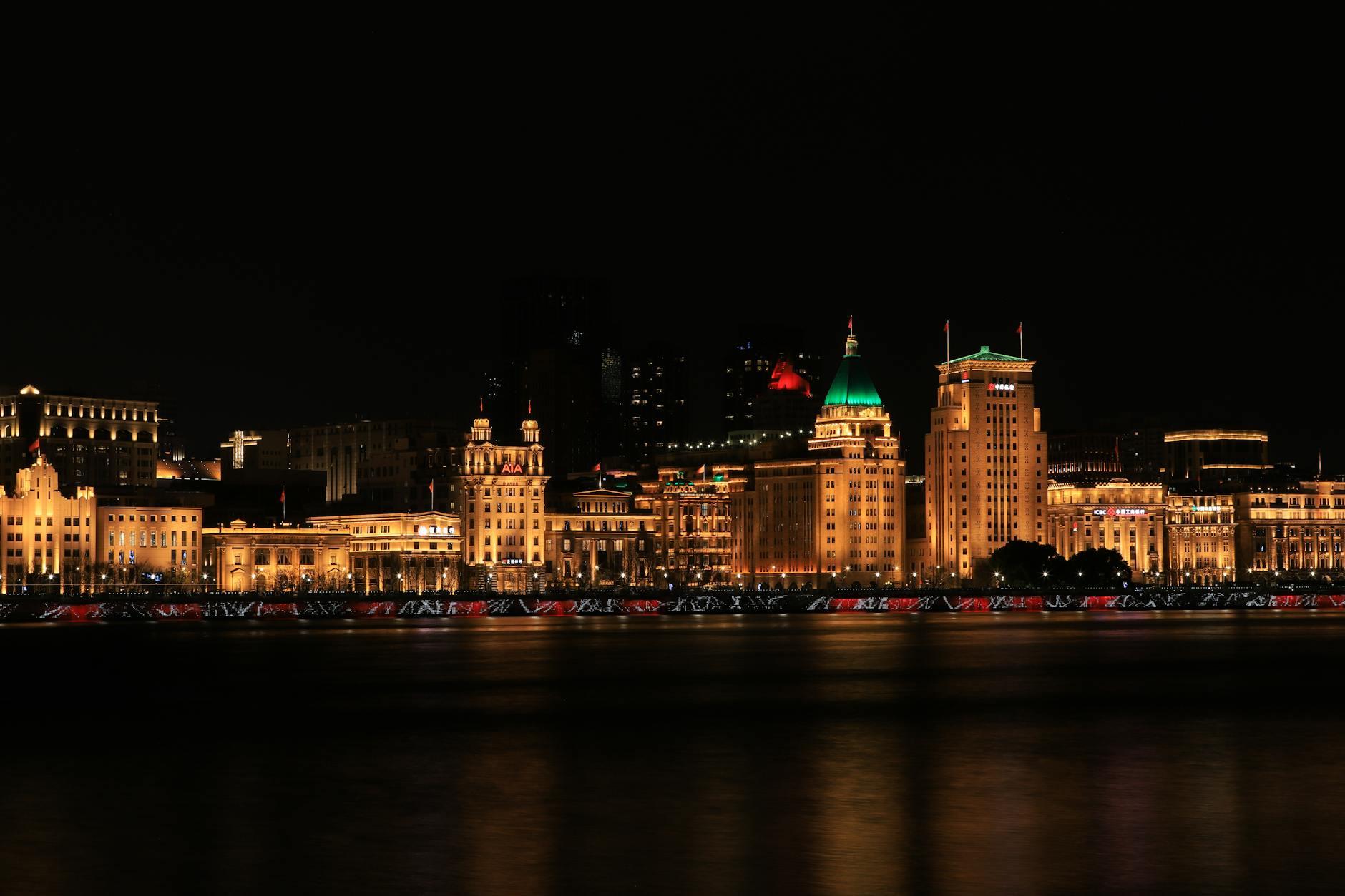
Shanghai had China's most prominent gay scene through the 2010s — a cluster of bars on Julu Road and the surrounding streets of the Former French Concession, a large international community, and Asia's biggest Pride. The 2021 disbanding of Shanghai Pride was symbolically devastating. Several venues have since closed, but the scene persists. The Former French Concession remains the geographic anchor. Shanghai is the most international and English-speaking of Chinese cities, which makes it more accessible for foreign visitors.
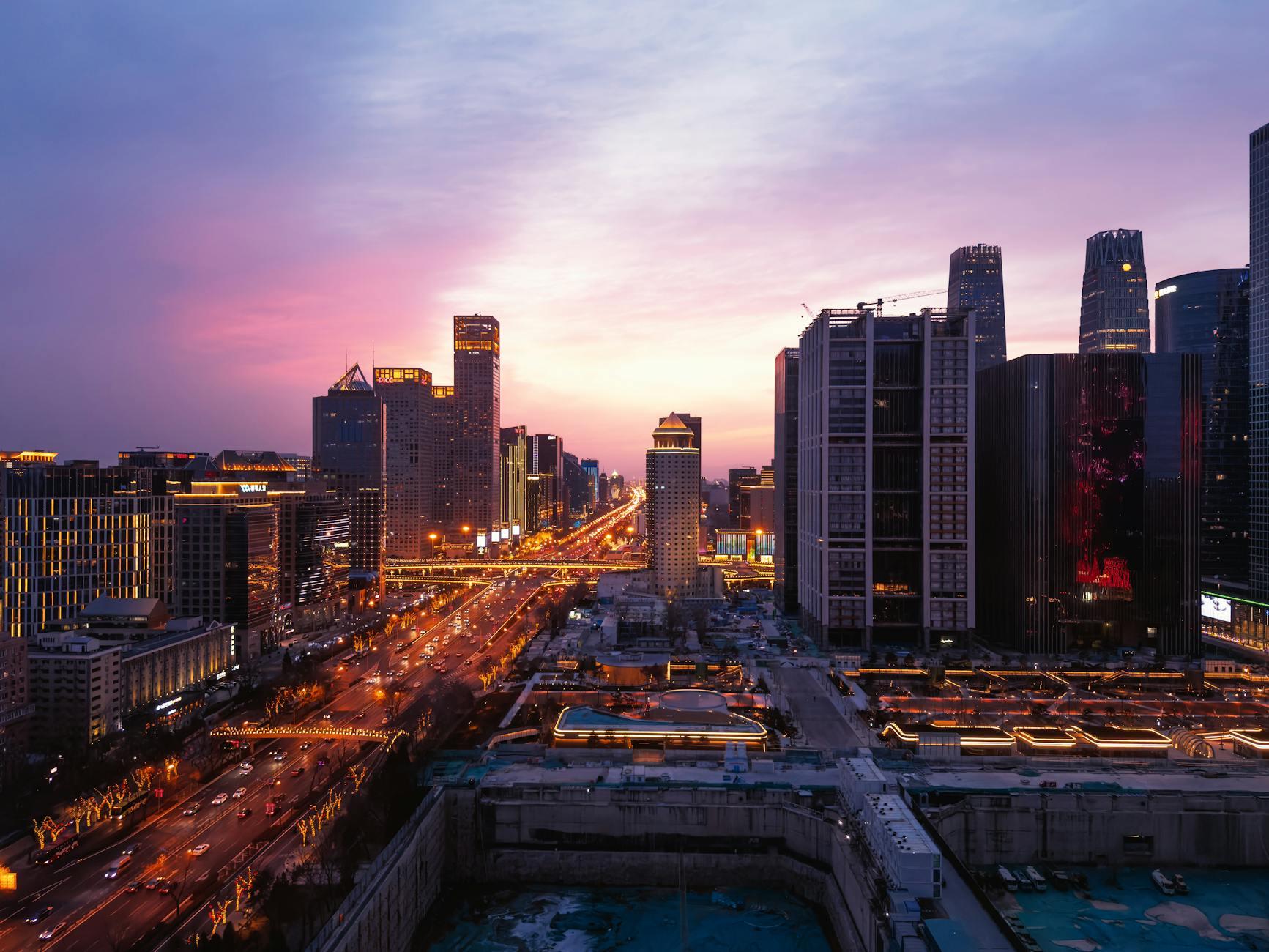
Beijing now arguably has the most visible active gay scene. The Workers' Stadium area in Chaoyang District has historically been the gay hub — the stadium itself is surrounded by gay bars that have operated for decades. The political sensitivity of operating a gay venue in the national capital is real, but Beijing's bars have shown remarkable resilience. Sanlitun's international embassy and expat community creates a buffer that has helped preserve the scene.
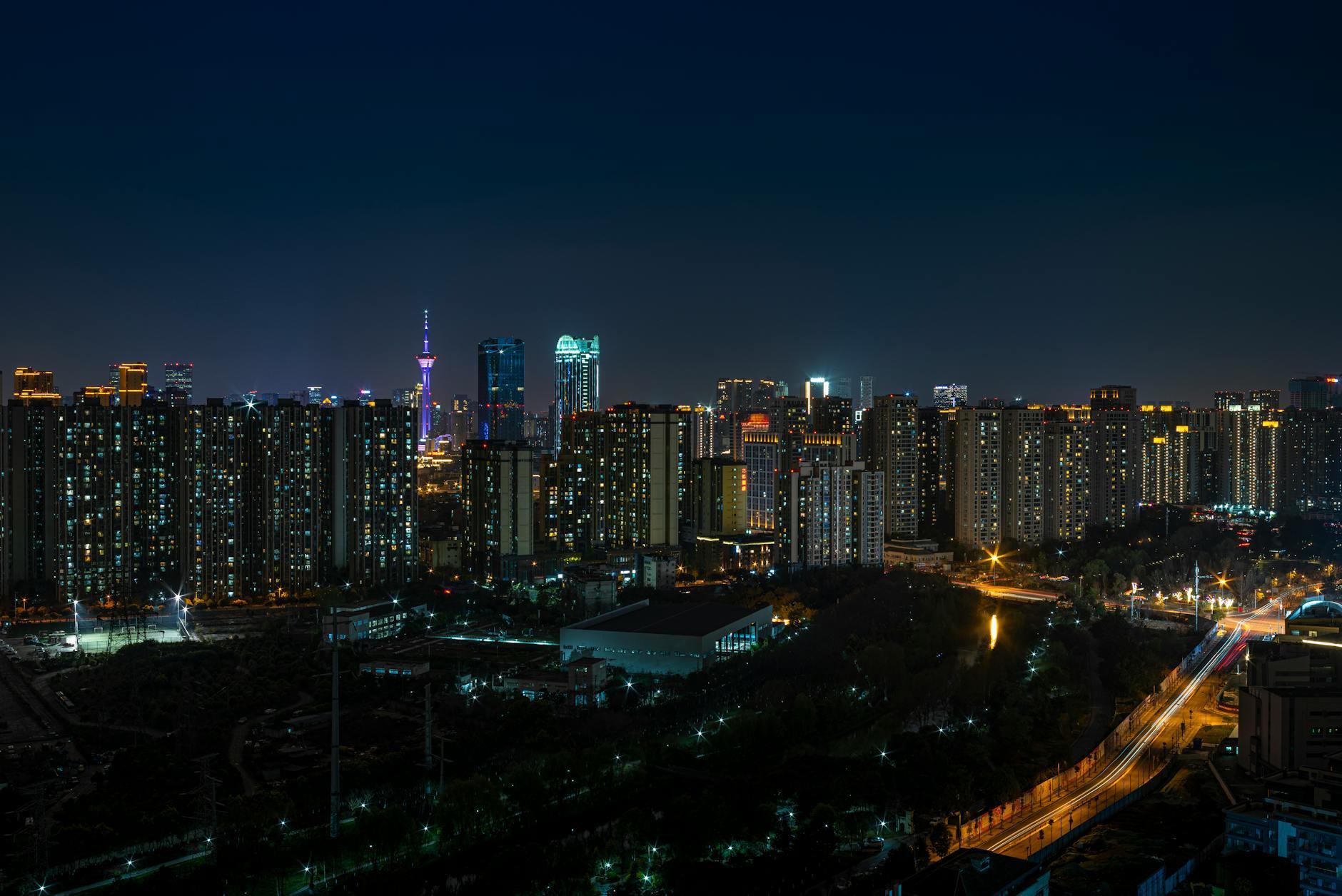
Chengdu is consistently described by Chinese LGBTQ+ people as having the most relaxed social environment in China. The city's reputation for a laid-back lifestyle and its strong local arts and café culture have produced an atmosphere more tolerant of difference than the anxious political climate of Beijing or the international performance of Shanghai. Chengdu's gay bars are fewer in number but tend to have a more community-rooted character.
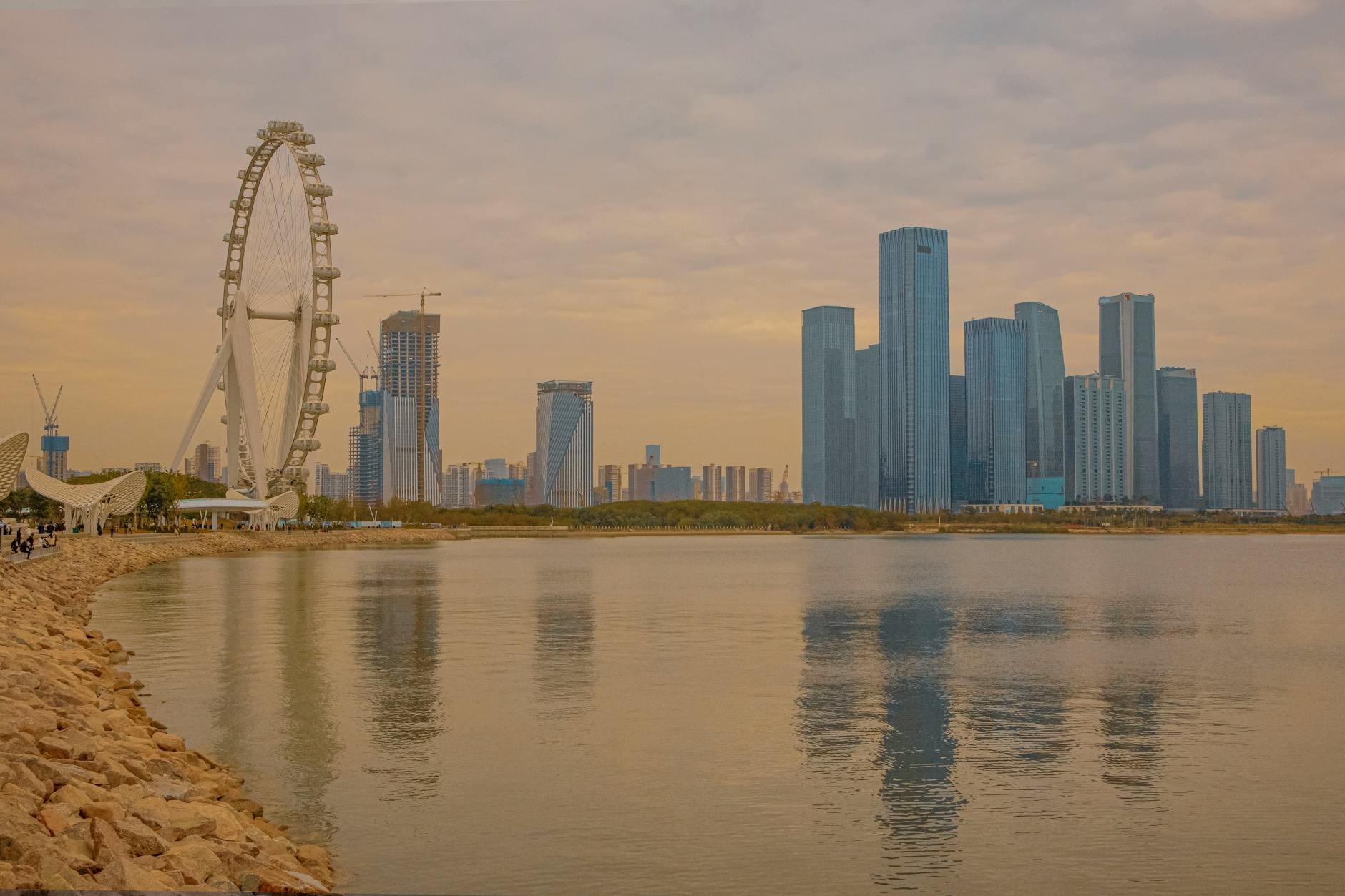
Guangzhou is a major southern commercial city with a smaller but established gay scene in the Tianhe district. Shenzhen, immediately north of Hong Kong, has a scene shaped by its proximity to a more open city and its large population of internal migrants — younger, more fluid in attitude.
Finding the Scene
Finding gay venues in China takes more effort than in Western cities. There's no rainbow flag outside the door. Most bars advertise only on social media — primarily WeChat and Blued — under names and descriptions that don't explicitly identify them as gay. The Spartacus International Gay Guide and apps like Grindr (VPN required) and Blued (China's own gay app, which has navigated the political environment by being officially listed on app stores) give the most reliable venue information. Word of mouth from other visitors or expats remains valuable.
The gay dating app Blued is China's own platform, used by tens of millions of men in China, and it works without a VPN. However, Blued has been known to report suspicious activity to authorities in response to government pressure — exercise caution using it for anything beyond hookups and social connection. Grindr, available with a VPN, has no such compliance obligation to Chinese authorities.
The Trans Experience
Trans people in China face particularly difficult conditions. Legal gender change is possible in theory but requires a psychiatric diagnosis, proof of gender reassignment surgery, and approval from family members — a multi-year process that relatively few complete successfully. There are no non-binary or third-gender options in Chinese official documents. Trans visibility has been specifically targeted in the post-2021 crackdowns, with content featuring trans people disproportionately removed from Chinese platforms.
LGBTQ+ Community in China Today
Despite the political environment, LGBTQ+ community in China hasn't disappeared — it has adapted. Community organizing has moved from public events to private networks, from verified WeChat groups to anonymous apps, from campus groups to informal social circles. International LGBTQ+ organizations working in China do so with increasing difficulty.
The Beijing LGBT Center, which operated for over a decade offering counseling, testing, and community support, ceased operations in 2021. Several other organizations followed. What remains is largely informal and underground. Foreign visitors shouldn't expect to find an organized civil society infrastructure like the kind that exists in Tokyo, Bangkok, or Taipei.
Practical Tips
- VPN first: Install and test your VPN before entering China. Many VPNs are blocked; paid services with obfuscation (ExpressVPN, NordVPN with obfuscation, Astrill) have better success rates than free options.
- Don't discuss LGBTQ+ topics on Chinese apps: WeChat, Weibo, Douyin — all monitored and censored. Use foreign apps over VPN.
- Blued is your map: The gay app Blued gives a real-time picture of who is nearby and, indirectly, which venues are active. It doesn't require a VPN.
- Verify venue status: Closures happen. Check that any venue you plan to visit is still operating before going — a quick Blued search or a look at the venue's most recent WeChat posts (if findable) will usually confirm status.
- Discretion in public: Major city centers (especially tourist areas, expat zones, and international hotels) are relatively comfortable. Avoid same-sex public displays of affection on public transport, in restaurants, or in residential neighborhoods.
- Travel insurance: Standard medical travel insurance is advisable. China's hospitals will treat LGBTQ+ patients without discrimination — healthcare providers are generally more pragmatic than law enforcement.
When to Visit
China's LGBTQ+ calendar is sparse compared to a decade ago. There's no national Pride. Some cities have low-key events — private parties, bar nights — organized through Blued and social media, but these aren't publicly advertised. The best time to visit from a weather and tourism perspective is April–May or September–October (avoiding summer heat and humidity in southern cities, and the extreme cold of Beijing winters). The Golden Week national holidays (early October) bring heavy domestic tourism and are best avoided for city stays.
China is a viable destination for LGBTQ+ travelers who go with realistic expectations and appropriate precautions. The gay scene exists — bars, saunas, community — but operates more quietly and more precariously than it did a decade ago. Compare China not to France or Germany, but perhaps to Turkey or Russia-lite: legal but increasingly hostile to visibility. An LGBTQ+ visitor's experience in Shanghai or Beijing will be largely fine; the experience in smaller cities or rural areas is harder to predict. Prepare technically (VPN), socially (discretion in public), and informationally (verify venues before going).