Gay-Friendly Hotel
Eastern House
Gay-Friendly Hotel
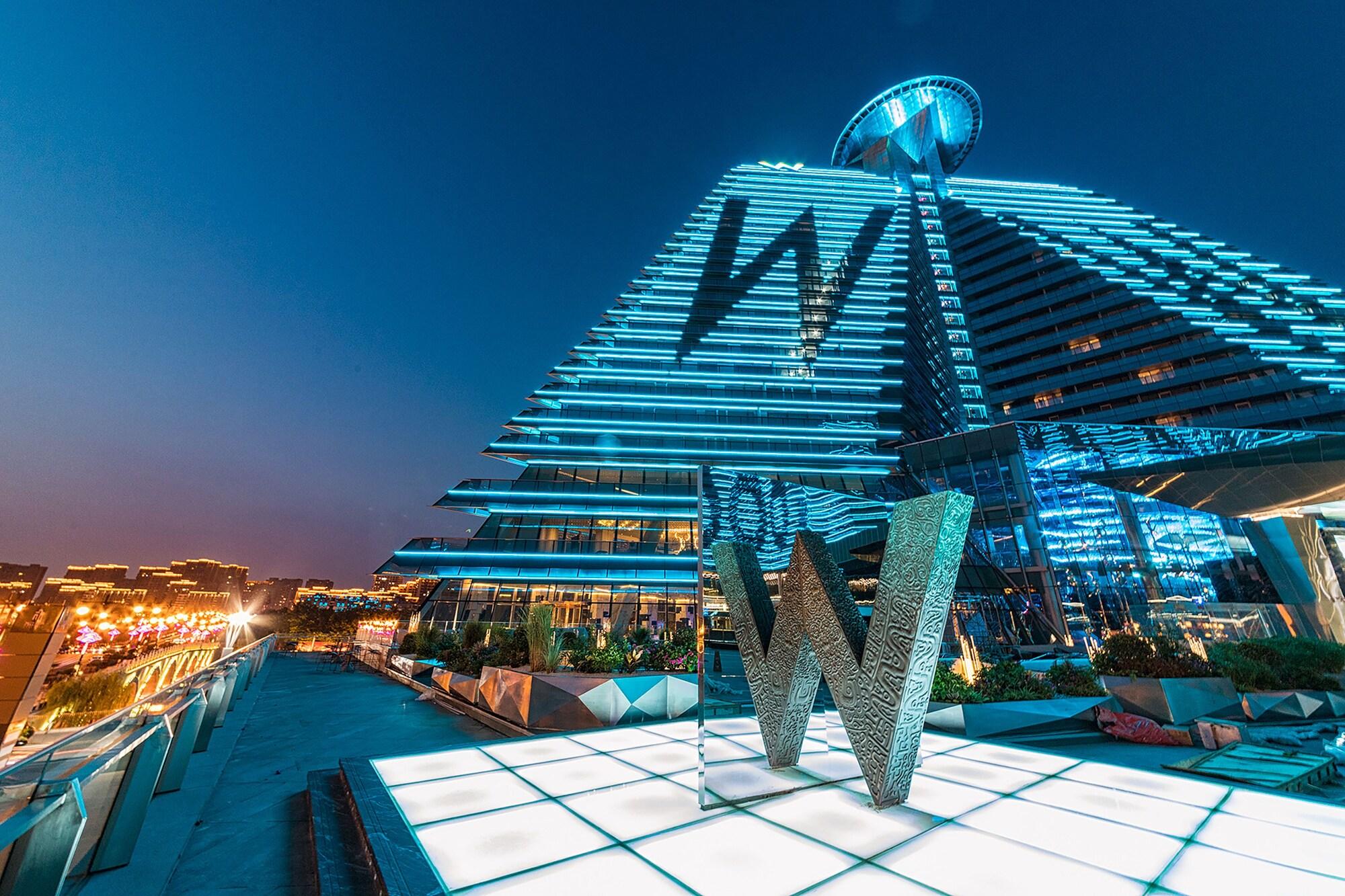
Discover Eastern House in Xi'an, a welcoming hotel for LGBTQ+ travelers seeking comfort and inclusivity in Shaanxi.
LGBTQ+ Travel Guide & City Directory · Shaanxi
Based on national laws as of 2025
Homosexuality decriminalised in 1997 under revised Criminal Law. Removed from the official Classification of Mental Disorders in 2001 — a landmark step at the time. No legal recognition of same-sex partnerships, civil unions or marriages. No adoption rights for same-sex couples. No federal anti-discrimination protections covering sexual orientation or gender identity. Legal gender change is possible in limited circumstances (requires medical diagnosis and, in most provinces, surgical…
Gay-Friendly Hotel
Gay-Friendly Hotel
Discover Eastern House in Xi'an, a welcoming hotel for LGBTQ+ travelers seeking comfort and inclusivity in Shaanxi.
Gay-Friendly Hotel
Gay-Friendly Hotel
Experience the vibrant city of Xi'an in comfort. This hotel offers an inclusive and welcoming atmosphere for all travellers.
Gay-Friendly Hotel
Gay-Friendly Hotel
Experience a welcoming stay in Xi'an, China. This LGBTQ+ friendly hotel offers comfortable accommodations in a convenient location.
Gay-Friendly Hotel
Stay at West Capital International Hotel Xi'an, an LGBTQ+ friendly hotel in the heart of Xi'an, China.
Skip-the-line tickets, walking tours, day trips and unique LGBTQ+ friendly experiences — booked instantly with free cancellation.
Travel Guide
Everything worth knowing before you go.
China does not have laws that explicitly criminalise consensual same-sex conduct between adults, which distinguishes it from some other Asian countries. However, this legal neutrality masks a deeply restrictive environment. Same-sex marriage is not recognised. The government actively suppresses LGBTQ+ activism, visibility, and community organising. Content depicting same-sex relationships is censored from film, television, and online platforms. The Communist Party frames LGBTQ+ issues as threats to social stability and traditional family values. While prosecutions for consensual same-sex conduct alone are rare, individuals can face harassment, detention, or legal action under vague charges related to "public morality" or "disrupting social order" if their sexuality becomes a public issue. Workplace discrimination is widespread and legal. Hotels, employers, and government agencies have no anti-discrimination protections for LGBTQ+ people.
Practically speaking, a foreign tourist engaging in consensual same-sex activity in private is unlikely to face criminal prosecution — China's law enforcement typically does not target foreigner-on-foreigner encounters. However, this is not permission to be open or visible. Risk escalates if a visitor is detained for any reason, as sexual orientation can become a complicating factor in custody or questioning.
Discretion is not optional; it is a survival strategy. Avoid any form of public affection with same-sex partners — hand-holding, kissing, or even standing close will draw stares, comments, and potential intervention from strangers or authorities. In restaurants, hotels, and public spaces, behave as you would in conservative environments elsewhere: minimise markers of sexual orientation and present yourself in culturally neutral terms.
Digital safety is critical. Grindr, Blued, WeChat (when used for dating), and similar apps are subject to government surveillance. Police have been documented accessing dating apps to identify and harass users. Using these apps in Xi'an carries real risk. Phone calls, texts, and messaging apps are monitored by authorities. Do not discuss sexuality, relationships, or LGBTQ+ politics via any digital channel. Assume all electronic communication may be accessed.
Hotel booking and rooming: International chains (Marriott, Hilton, Four Seasons, etc.) are accustomed to guests of all backgrounds and will typically assign same-sex couples to a double room without comment. Budget guesthouses, small hotels, and family-run establishments often will not — they may refuse booking or require separate beds. Book international chains if possible. When checking in, keep your identification and paperwork in order; immigration officials may question foreign nationals more closely if any issue arises.
Public bathrooms and changing facilities: Use gender-segregated facilities according to the sex on your legal documents or in a way that minimises confrontation. Avoid drawing attention.
Police and authorities: While foreign tourists are not typically stopped randomly, remain polite and compliant if approached. Do not argue about rights; your priority is leaving the interaction safely. If detained, contact your embassy immediately.
Areas to avoid or be especially cautious in: Parks at night (parks have been informal gathering points historically, but increased surveillance has made them risky). Cruising areas or any location known for same-sex socialising — avoid seeking these out.

There are no openly gay bars, clubs, or bathhouses in Xi'an. Any LGBTQ+ socialising happens privately. Expat and international hotel communities sometimes include LGBTQ+ individuals, and private gatherings or dinners among trusted friends do occur, but these are not advertised or public. Hotel bars and upscale restaurants frequented by expats and business travellers tend to be more relaxed and less hostile to mixed-gender groups or same-sex pairs; blending in as tourists or business associates reduces attention.
If you connect with other LGBTQ+ travellers or locals through international networks (university friends, work connections, online communities outside China), socialising in private apartments or quiet restaurant corners can occur, but always with awareness that any gathering could attract suspicion. Private spaces are inherently safer than public ones.
Many LGBTQ+ Chinese use VPNs to access international dating and social apps, which slightly reduces surveillance risk but does not eliminate it. If you do use such tools, understand that you are operating at the edges of legal risk and that a VPN can fail or be detected.
Xi'an is one of China's most historically significant cities and offers world-class attractions:
Terracotta Army: The famous terracotta warrior statues near Xi'an are among the world's greatest archaeological discoveries. The museum is well-organised, can be crowded, and usually requires a 1-2 hour journey outside the city centre.
City Wall: The Ming Dynasty city wall (built 1370) encircles the old city. You can walk or cycle the wall, which offers views of the city and is a popular tourist activity.
Museums: The Shaanxi History Museum is one of China's best, covering the region's role as a capital of multiple dynasties. Entry is free but requires advance online registration.
Temples and Religious Sites: The Great Mosque (Qingzhen Si) serves the local Muslim community and is open to respectful visitors. Buddhist temples like Dayan Pagoda and Xiao Yan Pagoda are tourist-friendly.

Food: Xi'an's street food and restaurant scene is excellent. Famous dishes include roujiamo (meat-stuffed flatbread), biangbiang noodles, and lamb skewers. Night markets offer affordable eating and local atmosphere.
Nightlife: Xi'an has bars, clubs, and KTV (karaoke) venues scattered throughout the city, particularly in the Tang West Street entertainment district and near universities. These are mainstream establishments, not LGBTQ+-oriented. Karaoke is popular; renting a private room with friends is common.
International hotel chains are the safest choice for LGBTQ+ travellers. Marriott, Hilton, Sofitel, Shangri-La, and similar brands have professional staff trained for international guests. They will not question same-sex couples sharing a room and offer reliable customer service if any issue arises. These hotels are more expensive but provide security and privacy.
Mid-range options: Some Chinese chains catering to business travellers (like Home Inns or Greentree) are reasonably safe, though attitudes vary by property. Read recent reviews carefully for any mention of discrimination.
Budget guesthouses and Airbnb: Higher risk. Many small proprietors are uncomfortable with same-sex couples. If booking Airbnb or similar, communicate clearly with the host beforehand without being explicit — ask "is this suitable for two friends sharing a room?" Hosts who are evasive or suggest separate beds should be avoided.
Locationally, the city centre (near Bell Tower and Drum Tower) is most convenient for tourism, restaurants, and nightlife. It is also busier and more anonymous — good for travellers seeking to blend in. University districts (like around Northwest University) have younger, slightly more cosmopolitan atmospheres but are further from main attractions.
Xi'an is worth visiting for its history and culture. It is possible for LGBTQ+ travellers to visit safely if they:
— Are comfortable with sustained discretion and will not seek visible LGBTQ+ community or expression.
— Can tolerate significant stress from constantly monitoring behaviour and speech.
— Are experienced international travellers accustomed to restrictive environments.
— Have realistic expectations: no Pride events, no gay venues, no open community.
— Are prepared to be alone or socialise only in private or with trusted contacts.
— Will not attempt activism, public displays, or political speech.
LGBTQ+ travellers should reconsider or defer visiting if they:
— Are newly out and need visible community or affirmation of identity.
— Are unable to suppress public expressions of sexuality or relationships.
— Are political activists or vocal about human rights.
— Have mental health vulnerabilities exacerbated by isolation and hiding.
— Are seeking a social scene or nightlife.
— Cannot tolerate the psychological weight of constant self-surveillance.
— Have specific safety concerns or are fleeing persecution (Xi'an is not safe for asylum or refuge).
The honest assessment: Xi'an is manageable for discrete, cautious LGBTQ+ travellers interested in history and culture. It is not a destination for seeking community, celebration, or openness. Visitors should treat it as they would any other restrictive environment: prioritise safety, blend in, enjoy mainstream attractions, and do not expect social acceptance or LGBTQ+-specific venues. The city's beauty and significance as a historical centre are worth experiencing, but only for those who can do so authentically hidden.
Videos representative of China
Chengdu Hotpot, Gay Nightlife & Hidden Gems You Can’t Miss!
Help the community by adding it to our directory — it's free and reviewed within 48 hours.
We use cookies to keep GayOut running, remember your preferences, and (with your permission) measure how the site is used. You can accept all, reject all, or pick what you allow. Learn more
Essential
Required for sign-in, fraud prevention, CSRF protection and remembering your language. Cannot be disabled.
Remembers your favourites, dark mode and other interface preferences across visits.
Helps us understand which pages people visit (Google Analytics, server-side stats) so we can improve.
Used by campaign tracking pixels. None are active right now, reserved for future use.
Add GayOut to your home screen for faster access, offline favourites, and Pride alerts.