Ireland was the first country to legalise same-sex marriage by popular referendum (May 2015, 62.1% Yes). Same-sex activity decriminalised 1993. Gender Recognition Act 2015 introduced self-declaration gender change, one of the first in the world. Full adoption rights. Conversion therapy ban 2024. Comprehensive employment and service discrimination protections.
Limerick and the LGBTQ+ Community: A Practical Guide
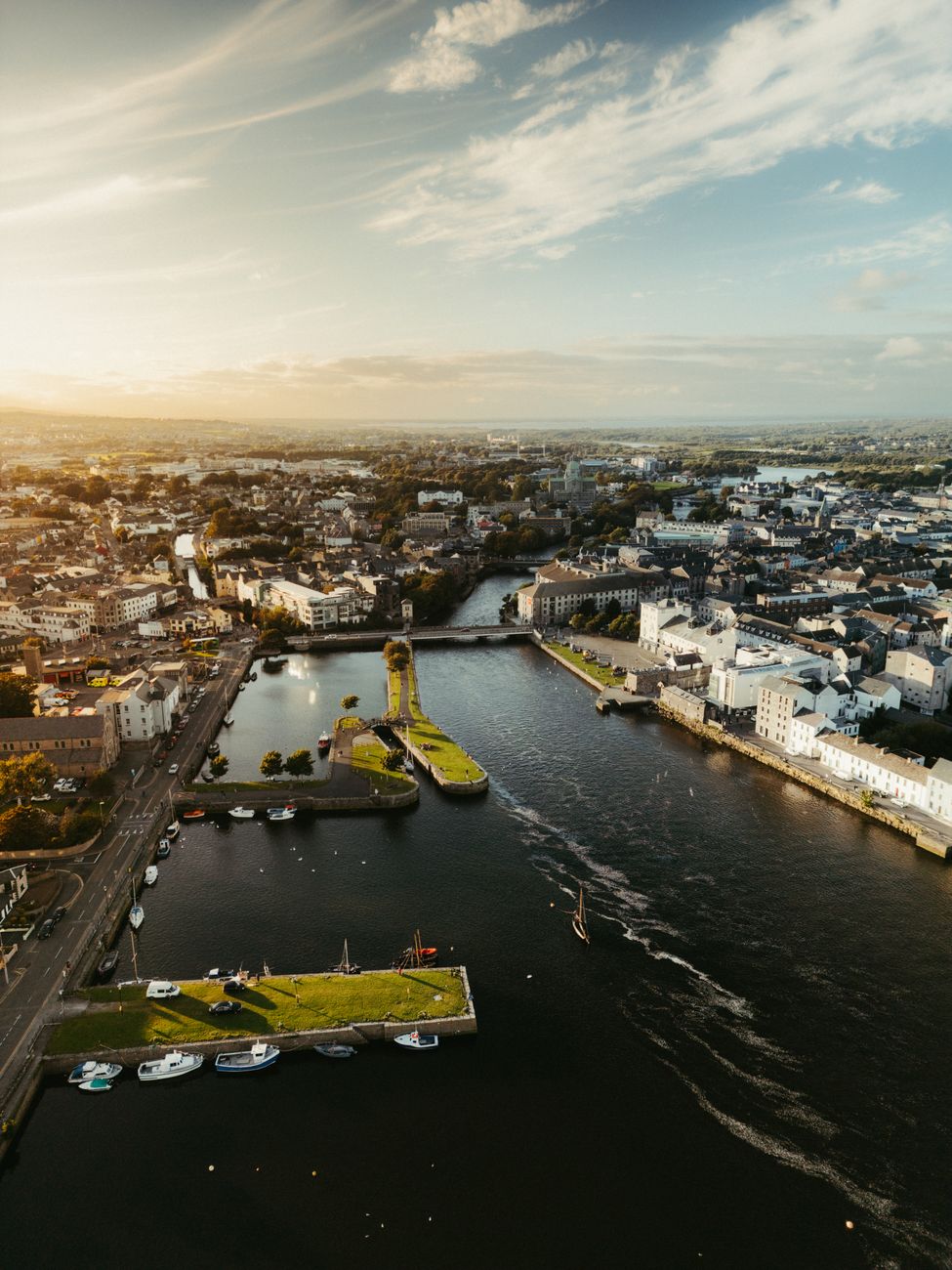
Limerick, located on the River Shannon in County Limerick, is a city with deep historical roots and a gradually evolving LGBTQ+ scene. As Ireland's third-largest city with around 100,000 residents, Limerick offers visitors and residents a balance between authentic Irish culture and modern urban amenities, including an accessible queer community.
History of the LGBTQ+ Scene
Like much of Ireland outside Dublin, Limerick's gay scene developed quietly for many years. The decriminalization of homosexuality in Ireland came in 1993, relatively late compared to other European nations, which shaped the cautious emergence of visible gay culture. Over the past two decades, Limerick has seen increasing LGBTQ+ visibility through Pride events, community organizations, and the gradual opening of welcoming venues. The city's cultural institutions, including the University of Limerick, have contributed to a more progressive atmosphere. Today, while Limerick's scene remains smaller than Dublin's or Cork's, it is recognized as inclusive and genuinely welcoming.
Neighborhoods and Areas
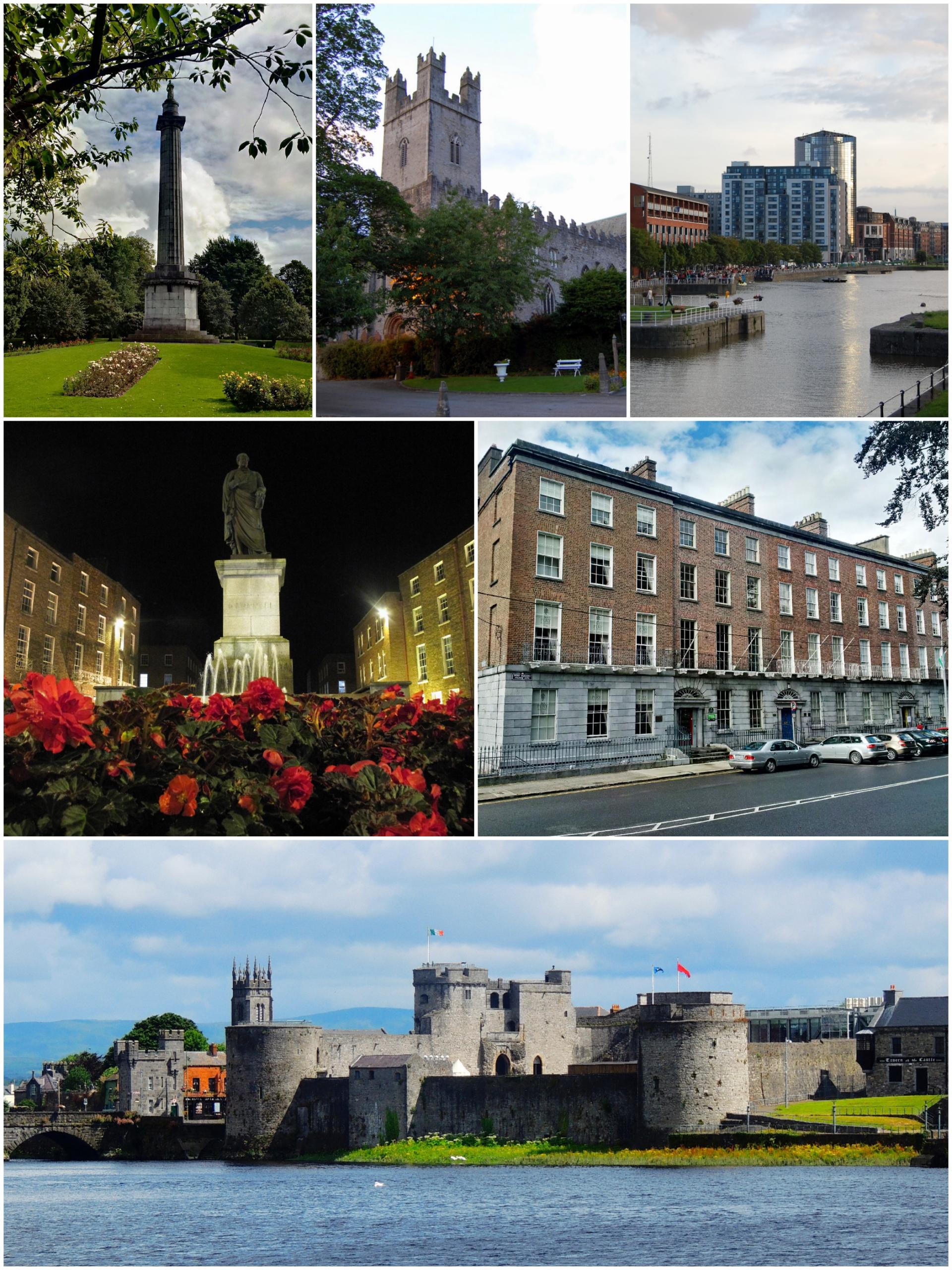
Limerick's city center, centered around O'Connell Street and Henry Street, is where most of the commercial activity and nightlife occurs. The King's Island area, home to King John's Castle and St. Mary's Cathedral, is the historic heart and has seen cultural revitalization in recent years with galleries, cafes, and restaurants. The Limerick Docks area, particularly around Dock Road, has undergone regeneration and attracts younger residents and visitors. Pery Square and the Georgian Quarter represent the city's architectural heritage and contain many shops, cafes, and accommodation options. None of these areas are exclusively gay neighborhoods in the way parts of Dublin are, but LGBTQ+ individuals and couples move freely throughout the city.
Venues and Nightlife
Limerick's gay-friendly venues have historically been limited compared to larger Irish cities, but the situation has improved. Limerick has no permanent dedicated gay bar today – its last one, Strokers on Upper William Street, closed in 2017. Instead, queer nightlife runs as club nights: Dyke Nite, the city's first and only regular queer night, and the related GOWL HAUS / Haus of Cxnt drag-and-club events, both hosted at Pharmacia on Sarsfield Street. During Pride week in July, Limerick Pride throws its big "Climax" party at Dolan's Warehouse on the Dock Road. Because these are event series rather than fixed venues, check their social channels for the next date. For a larger permanent scene, many locals travel to Cork or Dublin.
Online communities, particularly Irish LGBTQ+ social media groups and apps, provide the most up-to-date information on current events, gatherings, and venue status in Limerick.
Limerick Pride and Events
Limerick Pride takes place in July and has grown substantially since the first Pride night in 2001 and the first parade in 2007. Organised by the volunteer-led Limerick Pride collective, the week-long festival includes a parade, community stalls, live entertainment and social events. In 2026 it runs 6–11 July, with the parade on Saturday 11 July gathering at Pery Square. It attracts thousands of participants and visitors, drawing people from throughout Munster and beyond. The Pride parade generally moves through O'Connell Street and surrounding areas, with the main gathering and entertainment in Peoples Park. Pride week often includes special events at venues throughout the city.
Beyond Pride, GOSHH and other community groups run social evenings and support groups year-round, and there are regular drag brunches at venues around the city. The wider cultural calendar also includes the Limerick Jazz Festival, Limerick Food Festival and other events where LGBTQ+ people participate fully in civic life.
Where to Stay
Limerick offers accommodation ranging from budget hostels to four-star hotels. Absolute Hotel, located in the city center with views of the Shannon, is a popular option for visitors. Clayton Hotel Limerick is centrally located and modern. Dunraven Arms in nearby Adare (about 15 kilometers south) offers a boutique country experience. The Savoy Hotel on O'Connell Street provides mid-range comfort in the heart of the city. Budget options including Limerick Hostel and others cater to backpackers. Many accommodations are LGBTQ+-friendly, and booking platforms typically allow filtering for verified inclusive properties.
Ireland overall is very safe for LGBTQ+ travelers, and Limerick is no exception. Violent crime against queer people is rare. The city, while historic and Irish Catholic in heritage, is nonetheless modern and progressive. Public displays of affection between same-sex couples are generally not problematic in the city center, though as with anywhere, using judgment in quieter areas is sensible. Anti-LGBTQ+ sentiment exists in Ireland as it does everywhere, but is not a significant travel concern for visitors to Limerick.
Transportation
Limerick is compact and walkable. The city center can be explored on foot. Bus Éireann and GoBe operate local bus services. Limerick has a train station with connections to Dublin, Cork, and other cities via Irish Rail. The city is accessible by car via major motorways. Taxis and ride-sharing services operate throughout the city. Walking or cycling are viable for getting around central Limerick.
Food and Culture
Limerick has developed a strong food scene in recent years. The Limerick Food Trail highlights local restaurants and producers. Restaurants like The Grove and others in the city center offer contemporary Irish cuisine. The Milk Market on O'Connell Street is a food and social hub with multiple vendor stalls and a convivial atmosphere. For LGBTQ+-owned or operated venues, research through community groups or online forums will provide current recommendations. The University of Limerick's cultural programs, galleries, and the Limerick City Gallery of Art offer cultural experiences.
Day Trips and Surrounding Region
Limerick is well-positioned for day trips. Adare, a picturesque village about 15 kilometers south, is known for its thatched cottages and is a popular day excursion. The Cliffs of Moher, about an hour north, are among Ireland's most visited natural attractions. The Dingle Peninsula and Ring of Kerry are within reach for longer day trips. Cork city, about 90 kilometers south, has a more visible LGBTQ+ scene and can be visited for day trips or overnight stays. Dublin is approximately 200 kilometers north by road or rail.
Practical Information
Limerick's time zone is GMT (UTC+0), with daylight saving in summer. The currency is the Euro. English is the primary language, with Irish also officially spoken. The city experiences typical Irish weather: cool temperatures and frequent rain, so visitors should pack accordingly. Healthcare access is excellent through Ireland's HSE system, and visitors from EU countries have reciprocal healthcare agreements.
Community Organizations
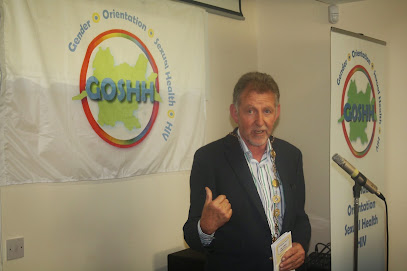
Limerick's flagship LGBTQ+ organisation is GOSHH (Gender Orientation Sexual Health HIV) on Davis Street, which offers peer support, counselling, rapid HIV testing and social groups for all ages. The University of Limerick's Out in UL society provides student community connection, and the national youth service BeLonG To supports under-23s locally. Online forums, Facebook groups dedicated to LGBTQ+ Limerick residents and visitors, and apps like Grindr and others facilitate community connection and information sharing.
Conclusion
Limerick offers visitors an authentic Irish experience combined with a welcoming, if modest, LGBTQ+ scene. The city appeals to travelers seeking cultural heritage, genuine hospitality, and community without the intensity of larger urban centers. While Pride and other events have increased visibility, the day-to-day experience is more about individuals and small groups navigating a progressive-leaning city rather than an established gay district. For LGBTQ+ travelers, Limerick provides safety, warmth, and access to Irish culture with the assurance of community support and increasing visibility.
Часті запитання
Limerick's LGBTQ+ community has worked to build community infrastructure and support services. While the city retains a more conservative character than some Irish cities, mainstream venues are known to be welcoming.
Limerick does not have a traditionally defined gay neighborhood like larger European cities. Instead, LGBTQ+ friendly venues and spaces are dispersed throughout the city center.
Limerick Pride is held in July. In 2026 the festival runs from 6 to 11 July, with the parade on Saturday 11 July gathering at Pery Square from 1pm. Organised by the volunteer-led Limerick Pride collective, it has grown since the first Pride night in 2001 and the first parade in 2007 into one of the biggest Prides in Ireland outside Dublin.
Limerick has no permanent dedicated gay bar – its last one, Strokers, closed in 2017. The queer nightlife now runs as club nights: Dyke Nite and the related GOWL HAUS / Haus of Cxnt events, both hosted at Pharmacia on Sarsfield Street, plus Limerick Pride's annual "Climax" party at Dolan's Warehouse on the Dock Road. GOSHH on Davis Street is the main community hub, and there are regular drag brunches around the city.
Limerick's LGBTQ+ community is smaller than Dublin's and has developed a close-knit network. The social scene operates differently, with a focus on mainstream pubs and venues rather than dedicated gay clubs.
The Southside and areas around the University of Limerick (UL) have younger populations and tend to be more progressive. University-affiliated spaces sometimes host LGBTQ+ events and social gatherings.
No. Limerick's only gay sauna, The Factory in Ballysimon, has long since closed, and other local businesses using the word "sauna" are wild-swimming cold-plunge or wellness operators, not gay venues. The nearest operating gay sauna in Ireland is the Boilerhouse in Dublin.
GOSHH (Gender Orientation Sexual Health HIV) on Davis Street is the Mid-West's flagship LGBTQ+ charity, offering peer support, counselling, rapid HIV testing and social groups. The University of Limerick has the Out in UL student society, the national youth service BeLonG To supports under-23s, and Limerick Pride runs events through the year.
Ваші налаштування конфіденційності.
Ми використовуємо файли cookie для роботи GayOut і, за вашою згодою, для вимірювання використання. Докладніше
Ваші налаштування конфіденційності
Ми використовуємо файли cookie, щоб забезпечити роботу GayOut, зберігати ваші налаштування та (за вашої згоди) вимірювати використання сайту. Ви можете прийняти всі, відхилити всі або обрати, що саме дозволяєте. Докладніше
Необхідні
Потрібні для входу в систему, запобігання шахрайству, захисту від CSRF та збереження вашої мовної локалізації. Не можуть бути вимкнені.
Завжди увімкнено
Запам’ятовують ваші улюблені місця, темний режим та інші налаштування інтерфейсу між візитами.
Допомагає нам зрозуміти, які сторінки відвідують користувачі (Google Analytics, серверна статистика), щоб ми могли покращувати сайт.
Використовується пікселями відстеження кампаній. Наразі жоден не активний, зарезервовано для майбутнього використання.
Встановити GayOut
Додайте GayOut на головний екран для швидшого доступу, офлайн-збереження улюблених та сповіщень про Pride.


 Дружні ЛГБТК+-дружній готель
(322)