Ireland was the first country to legalise same-sex marriage by popular referendum (May 2015, 62.1% Yes). Same-sex activity decriminalised 1993. Gender Recognition Act 2015 introduced self-declaration gender change, one of the first in the world. Full adoption rights. Conversion therapy ban 2024. Comprehensive employment and service discrimination protections.
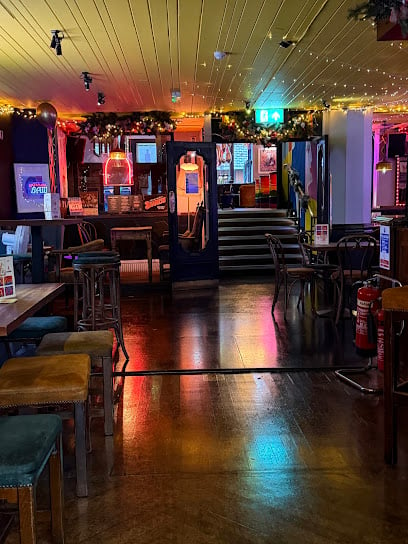
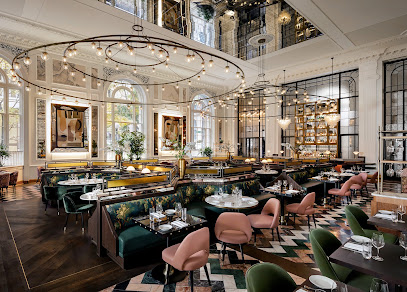
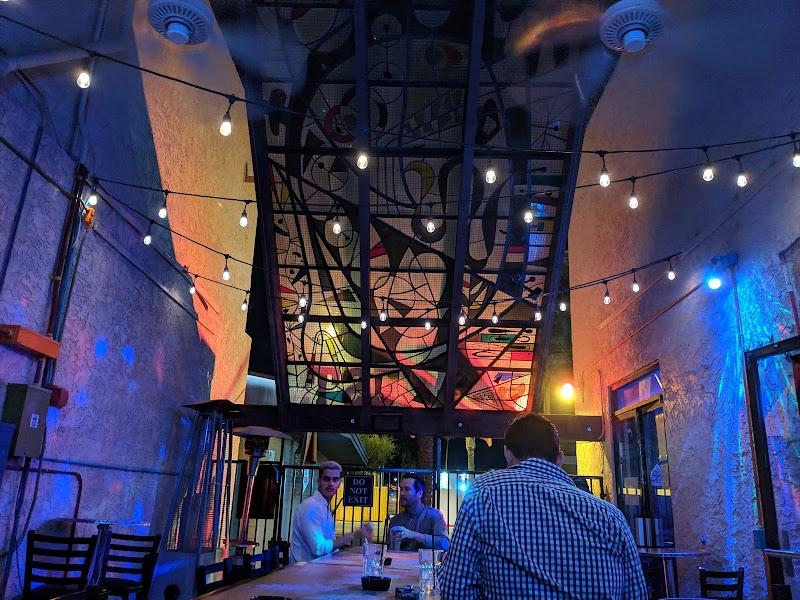
Owned by Panti Bliss — Ireland's most famous drag queen and LGBTQ+ activist. The social hub of Capel Street, Dublin's new gay village. Loud, warm, politically engaged, and always packed at weekends.
Capel Street bar opened 2016 — DJ sets, cocktails, good-looking crowd, relaxed atmosphere. Quickly established as one of Dublin's most popular LGBTQ+ venues on the new gay village strip.
Ireland's oldest gay bar — open since 1985 on South Great George's Street. Sunday bingo nights with Shirley Temple Bar are a Dublin institution. The original anchor of Dublin's LGBTQ+ scene.
Capel Street bar with a warm neighbourhood feel — cocktails, good music, mixed LGBTQ+ crowd. A welcome addition to the Capel Street strip that has become a reliable evening destination.
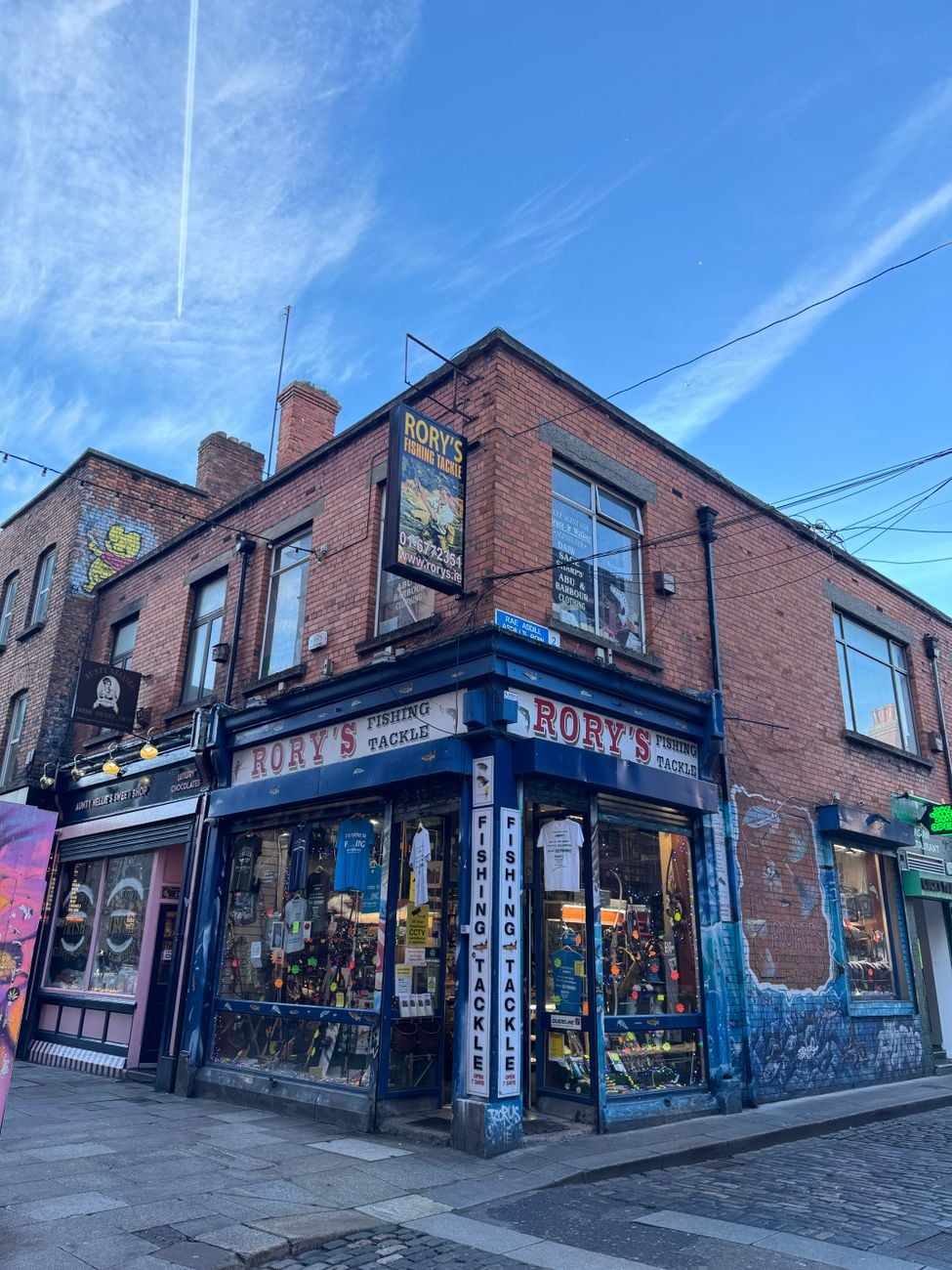
Ireland's only gay sauna - five floors of steam, jacuzzi, private cabins and a cafe bar on Crane Lane in Temple Bar, men-only and open since 1997. 24-hour opening from Friday through Monday morning.
Long-standing outdoor cruising area in the wooded western reaches of Phoenix Park, centred on the S-Bends of Upper Glen Road and the Furry Glen. Busiest on warm afternoons and early evenings.
Summer cruising spot in the dunes at the far end of Dollymount Strand on Bull Island, a long sandy beach reached by the wooden bridge from Clontarf. Warm-weather afternoons only.
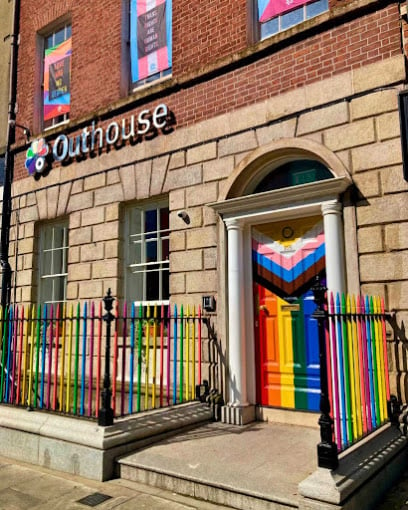
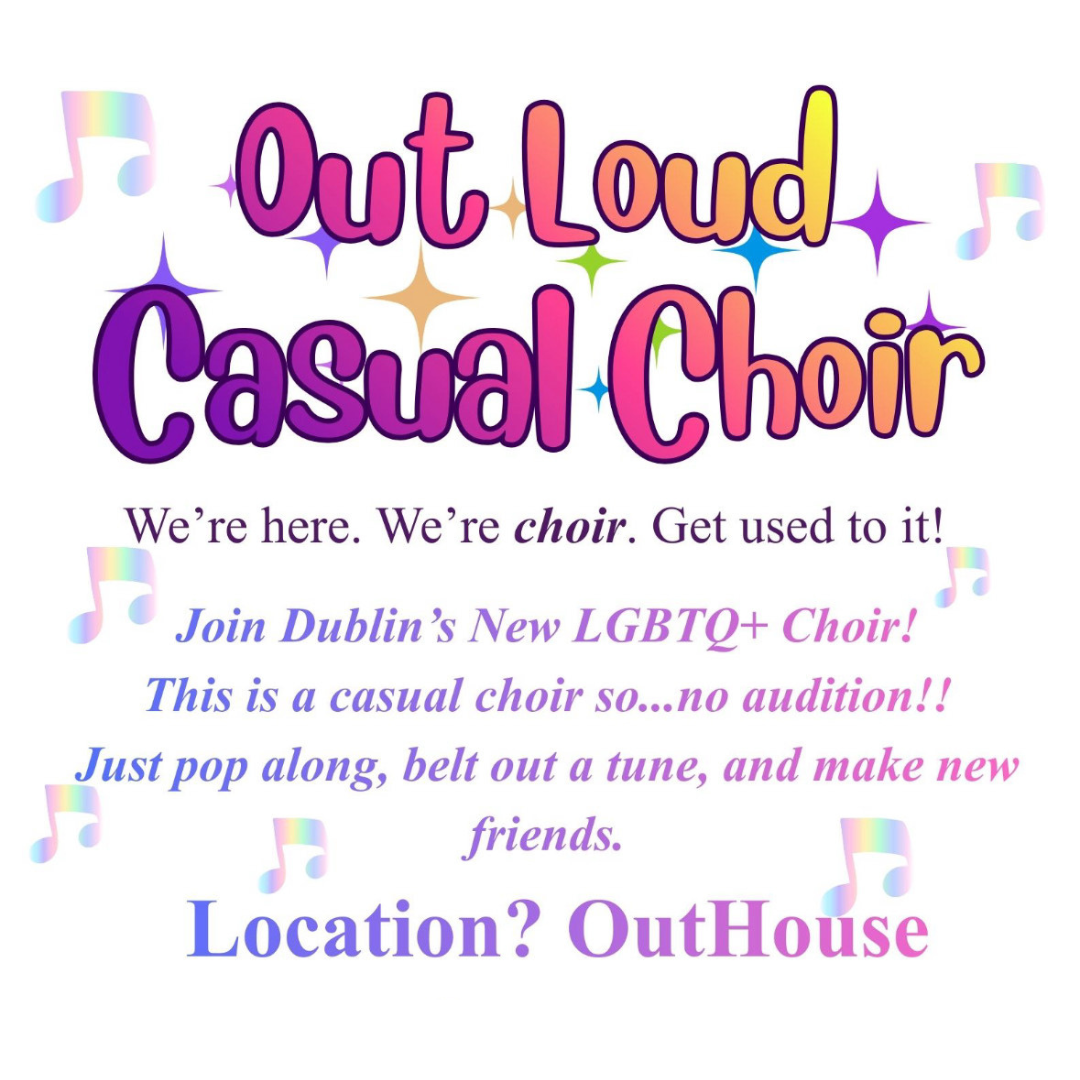
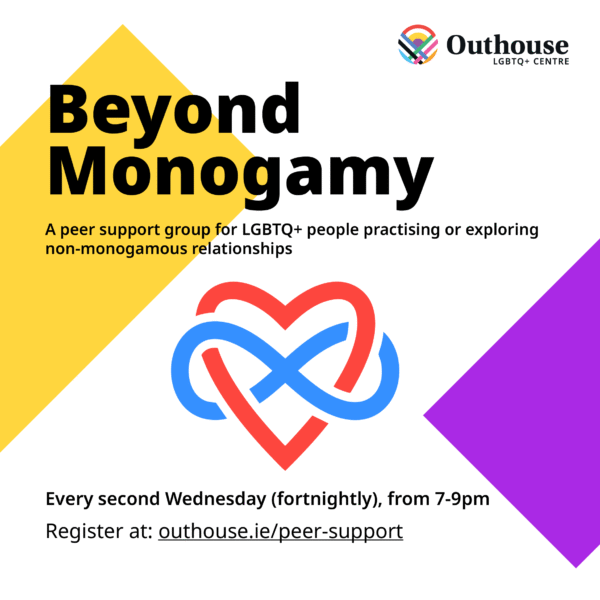
National LGBTQ+ support organisation headquartered on Capel Street. Provides a helpline, peer support groups, counselling referrals, and information services.
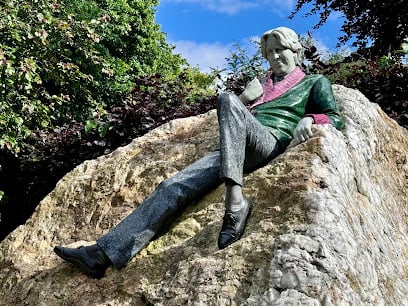
Danny Osborne's polychrome Wilde reclining on a Wicklow boulder in Merrion Square — grinning on one side, grieving on the other — opposite his childhood home.
Dublin's gay scene has grown dramatically over the past two decades, reflecting Ireland's broader social transformation. Homosexuality was decriminalized in Ireland in 1993, relatively late by European standards, but the country's subsequent progress has been swift. The 2015 marriage equality referendum passed with 66% support—the first country to legalize same-sex marriage by popular vote—marking a significant cultural shift. This rapid liberalization created momentum that has made Dublin increasingly welcoming to LGBTQ+ visitors and residents. Today, the city hosts Pride celebrations drawing over 30,000 people, maintains multiple gay-specific venues, and integrates LGBTQ+ culture into mainstream Irish life in visible, celebrated ways.
Neighborhoods and Geography
Temple Bar, located between Dame Street and the Liffey River, is Dublin's primary gay quarter. This historic medieval neighborhood is home to most dedicated gay bars and has become the symbolic center of LGBTQ+ nightlife. The district is very compact—most venues are within a 5-10 minute walk of each other—making it easy to bar hop or explore the scene on foot.
Dame Street itself runs east-west through the area and is lined with bars, restaurants, and shops. Parliament Street and Eustace Street branch off with additional venues. The surrounding neighborhoods of Grafton Street (upscale shopping and dining), the Quays (riverside walks), and the South City Center (residential and increasingly trendy) are all within walking distance.
For accommodation, the city center is highly walkable, and staying near Temple Bar, around Grafton Street, or in the Liberties neighborhood puts visitors close to venues and attractions. South Dublin neighborhoods like Rathmines and Ranelagh, further from the gay quarter but increasingly LGBTQ+-friendly, offer quieter alternatives with good transport links.
Venues and Nightlife
Temple Bar itself is the most iconic gay bar, located on Temple Bar Street in the heart of the quarter. This multi-story venue features a cruise bar, dance floor, and roof terrace, and is often the social hub for gay Dublin.
Pride of Place is another central venue, known for its welcoming atmosphere and regular crowds.
George on South Great George's Street, near Grafton Street, is one of Dublin's longest-running and most established gay bars, with a loyal clientele and relaxed vibe during the day, livelier in evenings.
The Gay Community News and various local publications and websites list current venues, as Dublin's exact venue landscape shifts periodically. At present, the scene includes dedicated gay bars, mixed venues with strong gay followings, and increasingly, mainstream clubs that regularly host LGBTQ+ nights or welcome gay crowds.
Clubs and Larger Events
Dublin's larger dance venues periodically host gay-specific nights. Venues like The Void and other nightclubs in the city center advertise themed nights, Pride parties, and special events. These are best checked via local LGBTQ+ websites and social media closer to travel dates, as programming changes seasonally.
Dublin has at least one sauna facility serving gay men, though specifics should be confirmed with current local guides or community websites, as these can change.
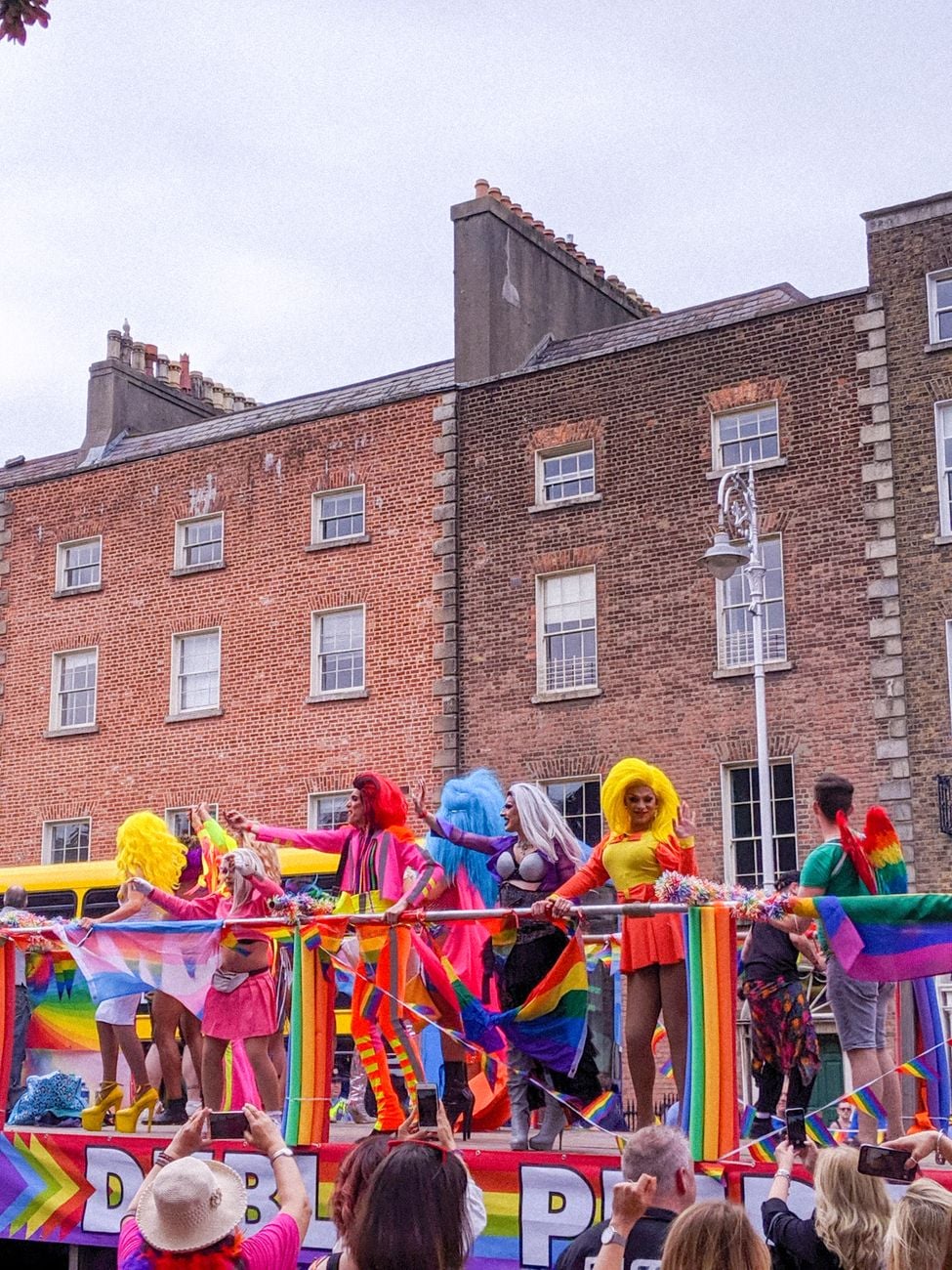
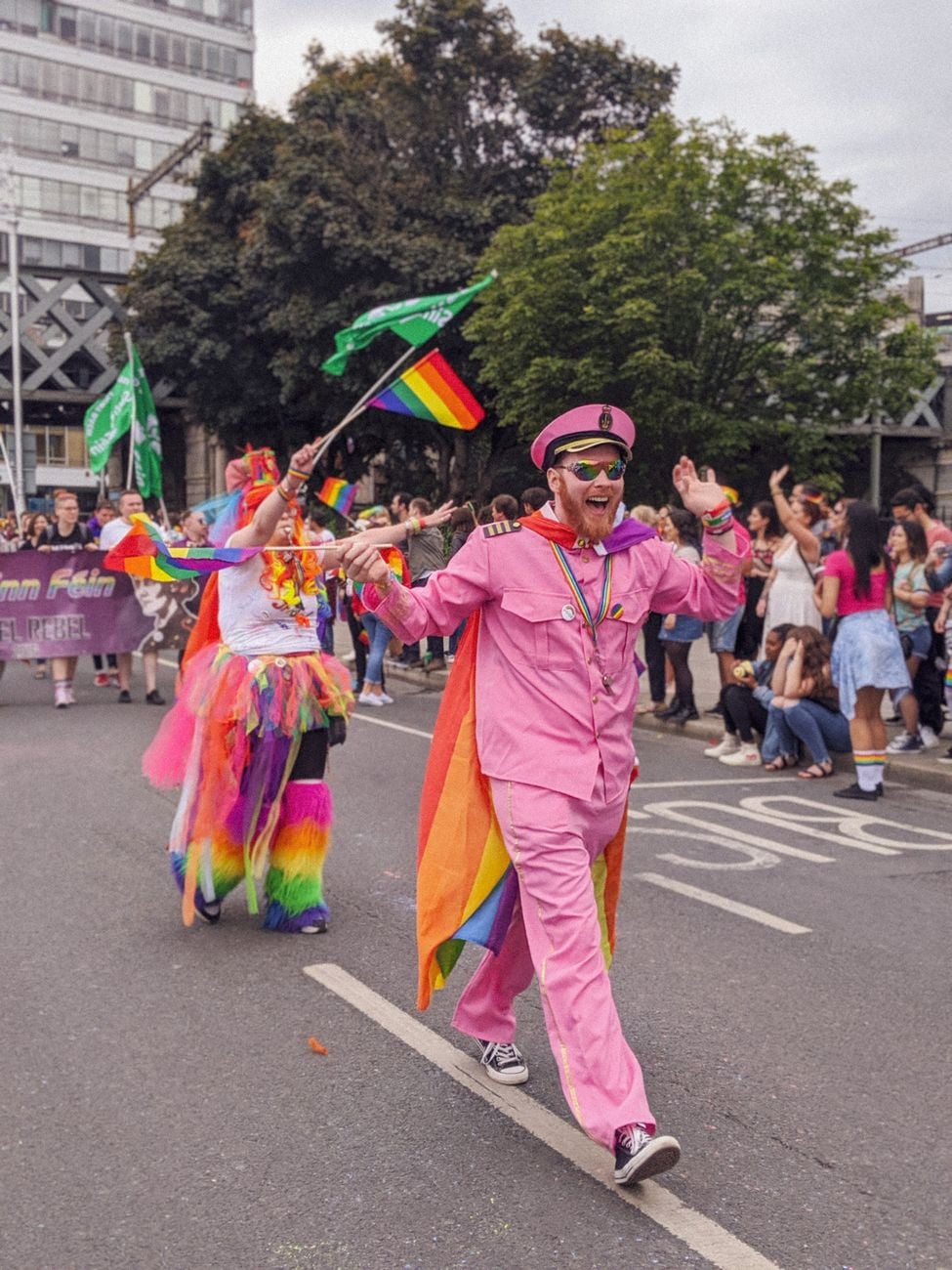
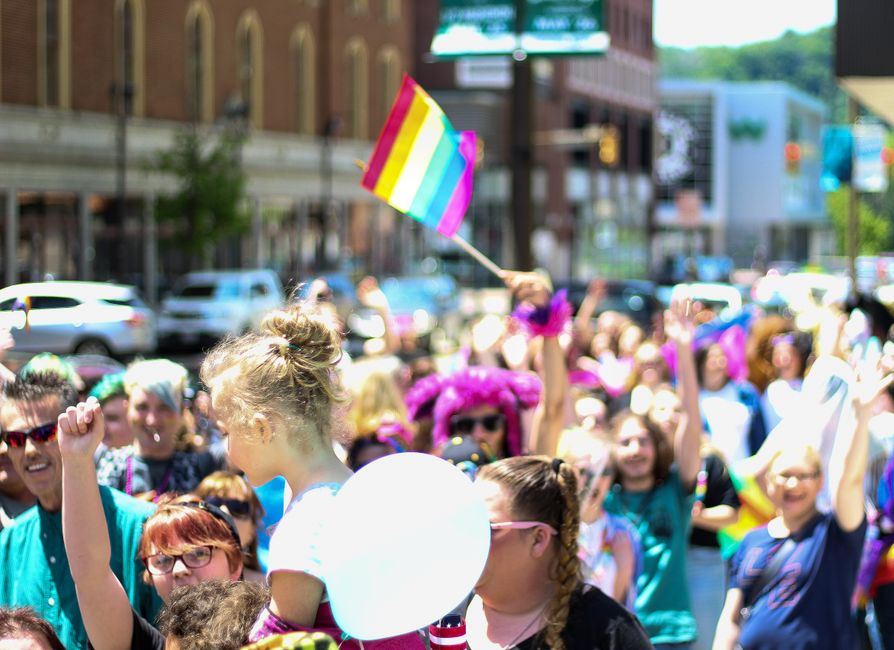
Dublin Pride takes place annually in late June and early July, typically centered around June 28-30 with a large parade. The parade route typically runs from the south city center through to Merrion Square or the Quays, drawing families, floats from major corporations, political parties, and activists. The week surrounding Pride includes various parties, concerts, community events, and special programming at venues. Accommodation and flights book up significantly for Pride, so early planning is essential. Pride tickets for the official events are usually required for front-row parade access, though large sections of the parade route remain freely viewable.
Beyond Pride, Dublin hosts periodic LGBTQ+-themed cultural events, film festivals, and parties throughout the year, advertised through local community organizations and venues.
Where to Stay
Temple Bar Hotel and other properties in and around Temple Bar offer convenient proximity to the gay scene but can be expensive and touristy. Hotels and guesthouses on Grafton Street, around Merrion Square, or along the Quays provide good alternatives with walking distance to venues.
For budget options, Dublin has hostels throughout the city center. Airbnb and short-term rentals are widely available and often offer better value than hotels, particularly for groups or longer stays.
Rathmines and Ranelagh, south of the city center, have more residential character, better value accommodations, and their own bar and café scenes. These neighborhoods are 15-20 minutes from Temple Bar by foot or a short bus ride, making them viable for those who prefer quieter areas.
Dublin is highly walkable, and the city center—including Temple Bar, Grafton Street, and major attractions—is easily navigable on foot. Public transport includes buses (Dublin Bus), trams (Luas), and regional rail (Irish Rail for day trips). The Luas tram system is modern and efficient, with red and green lines serving different parts of the city. Buses are extensive but sometimes crowded during peak hours.
Taxis and ride-sharing apps like Uber and Bolt operate in Dublin and are reliable options for nights out, particularly for groups splitting costs.
Cycling is increasingly popular, with Dublin Bikes bike-share scheme available throughout the city center, though cycling in heavy traffic requires confidence.
Food and Drink
Dublin's food scene has evolved dramatically, with excellent restaurants, cafés, and casual eateries throughout the city. Temple Bar itself, while touristy, has numerous restaurants and pubs. Grafton Street and surrounding neighborhoods offer higher-end dining, cozy gastropubs, and casual spots. Italian, Asian, and international cuisines are well-represented.
Traditional Irish fare—fish and chips, Irish stew, soda bread, and traditional pubs—remains a draw. Guinness and Irish whiskey are iconic, though the bar culture extends far beyond.
Vegan and vegetarian options are increasingly available, and kosher, halal, and other dietary accommodations can be found with some planning.
Coffee culture is strong, with numerous independent and chain cafés offering excellent coffee and pastries—particularly in the Liberties and around South City Center.
Glendalough, in the Wicklow Mountains (about an hour south), features monastic ruins, lakes, and hiking—a picturesque escape.
Dun Laoghaire, a coastal town south of Dublin with beaches, piers, and seafront dining, is accessible by Luas or train in 20-30 minutes.
Malahide Castle, north of Dublin, offers gardens and historic interiors in a quieter setting.
Kilmainham Gaol, within Dublin, is essential Irish history and accessible by bus or Luas.
The Cliffs of Moher and Burren region are further afield (about 2.5 hours by bus or car) but spectacular.
Safety and Practical Considerations
Dublin is generally safe for LGBTQ+ travelers. Irish law protects against discrimination based on sexual orientation and gender identity, and societal attitudes are increasingly progressive, particularly in Dublin. Public displays of affection between same-sex couples are generally accepted without issue in the city center and gay venues.
As with any major city, standard safety precautions apply—avoid isolated areas at night, be aware of surroundings, and use trusted transport. Pickpocketing in crowded tourist areas like Temple Bar is more a concern than anti-LGBTQ+ incidents.
Weather in Dublin is cool and often rainy; bring layers and waterproof jackets year-round. Summer (June-August) is warmest and Pride season. Winter (December-February) is cold and dark but quieter and cheaper.
The currency is the Euro. Most venues accept cards, though some traditional pubs may be cash-only.
Conclusion
Dublin offers a compelling mix of vibrant LGBTQ+ nightlife, cultural attractions, Irish heritage, and genuine hospitality. The city's Pride celebration, established venues, and progressive atmosphere make it an excellent destination for gay travelers of all types—whether seeking party culture, cultural experiences, or simply a welcoming place to explore.
Frequently asked questions
Dublin is exceptionally progressive and welcoming. The LGBTQ+ community is deeply integrated into the city's cultural fabric, meaning acceptance is encountered across neighborhoods and industries.
Temple Bar and the Southside remain the geographic heart of Dublin's gay scene. The area around George Street and South William Street houses most major gay bars and clubs.
The George is Dublin's flagship gay bar and a social hub. Other venues include The Porterhouse, Au Pair, Pantibar, and Cheers Bar, offering different atmospheres and experiences.
Dublin is home to Ireland's only LGBTQ+ museum, housed in a historic building. The city also has landmarks connected to queer Irish literary giants like Oscar Wilde and Samuel Beckett.
The George on South Great George's Street is considered the best starting point for visitors, hosting themed nights, drag shows, and DJ sets. Pantibar also hosts regular shows and is becoming increasingly iconic.
The Southside, encompassing areas around Baggot Street and Leeson Street, contains gay venues and accommodations. While not explicitly stated as exclusively LGBTQ+ hotels, these areas are noted for having accommodations within the vicinity of gay venues.
Your privacy choices.
We use cookies to run GayOut and, with your consent, measure usage. Learn more
Your privacy choices
We use cookies to keep GayOut running, remember your preferences, and (with your permission) measure how the site is used. You can accept all, reject all, or pick what you allow. Learn more
Essential
Required for sign-in, fraud prevention, CSRF protection and remembering your language. Cannot be disabled.
Always on
Remembers your favourites, dark mode and other interface preferences across visits.
Helps us understand which pages people visit (Google Analytics, server-side stats) so we can improve.
Used by campaign tracking pixels. None are active right now, reserved for future use.
Install GayOut
Add GayOut to your home screen for faster access, offline favourites, and Pride alerts.














 Gay Bars & Clubs
Featured
(767)
Gay Bars & Clubs
Featured
(767)