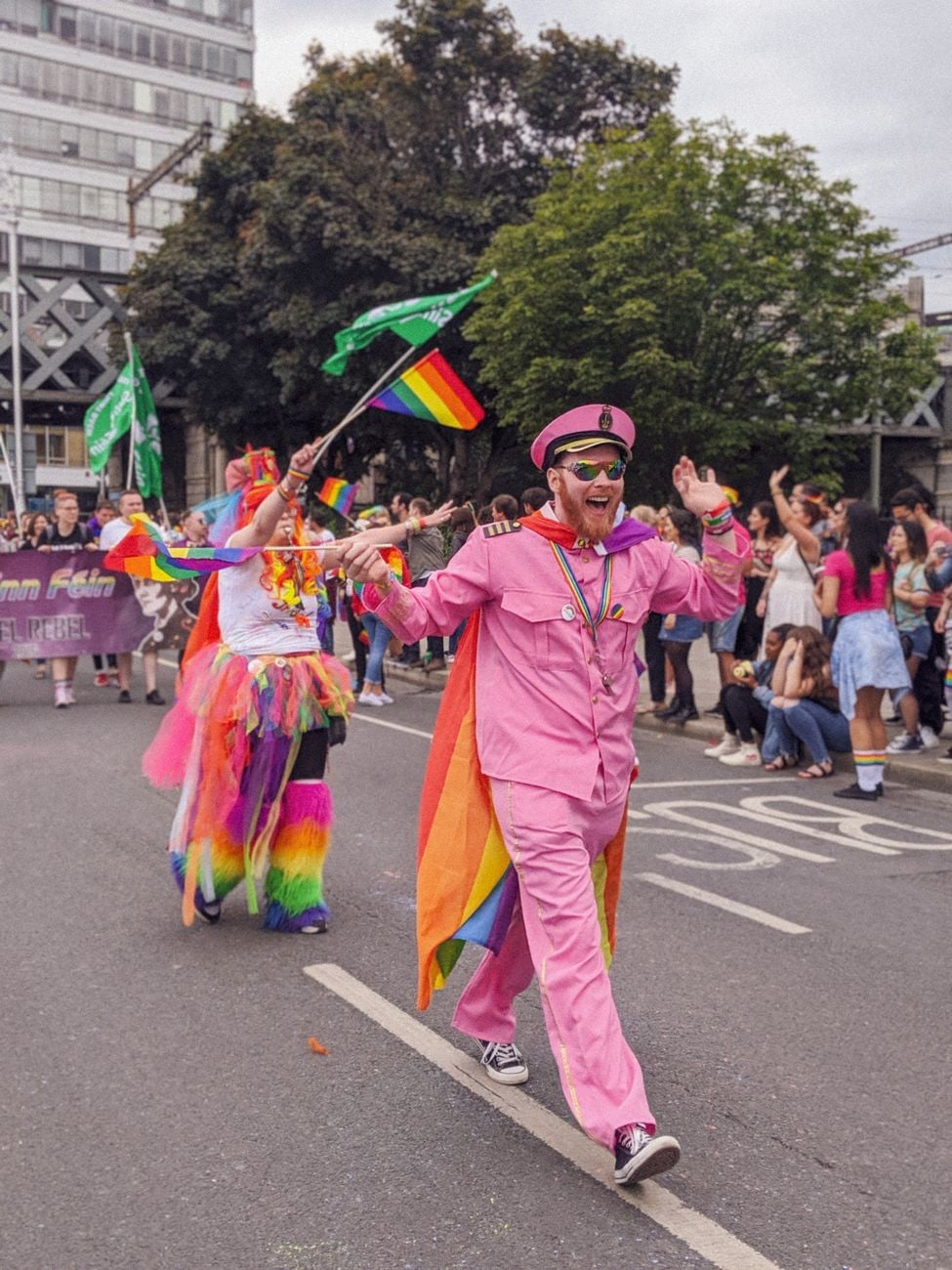
Dublin's queer story is one of the fastest turnarounds in Europe. Homosexuality was only decriminalised in Ireland in 1993 — late by Western European standards — yet just over two decades later, in May 2015, Ireland became the first country in the world to introduce same-sex marriage by popular vote, with 62% saying yes in a national referendum. The same year brought a progressive Gender Recognition Act built on self-declaration. That momentum is felt everywhere in the capital today: Dublin Pride now draws tens of thousands onto the streets each summer, and LGBTQ+ life is woven openly into the fabric of the city rather than tucked away.
Neighbourhoods and Geography
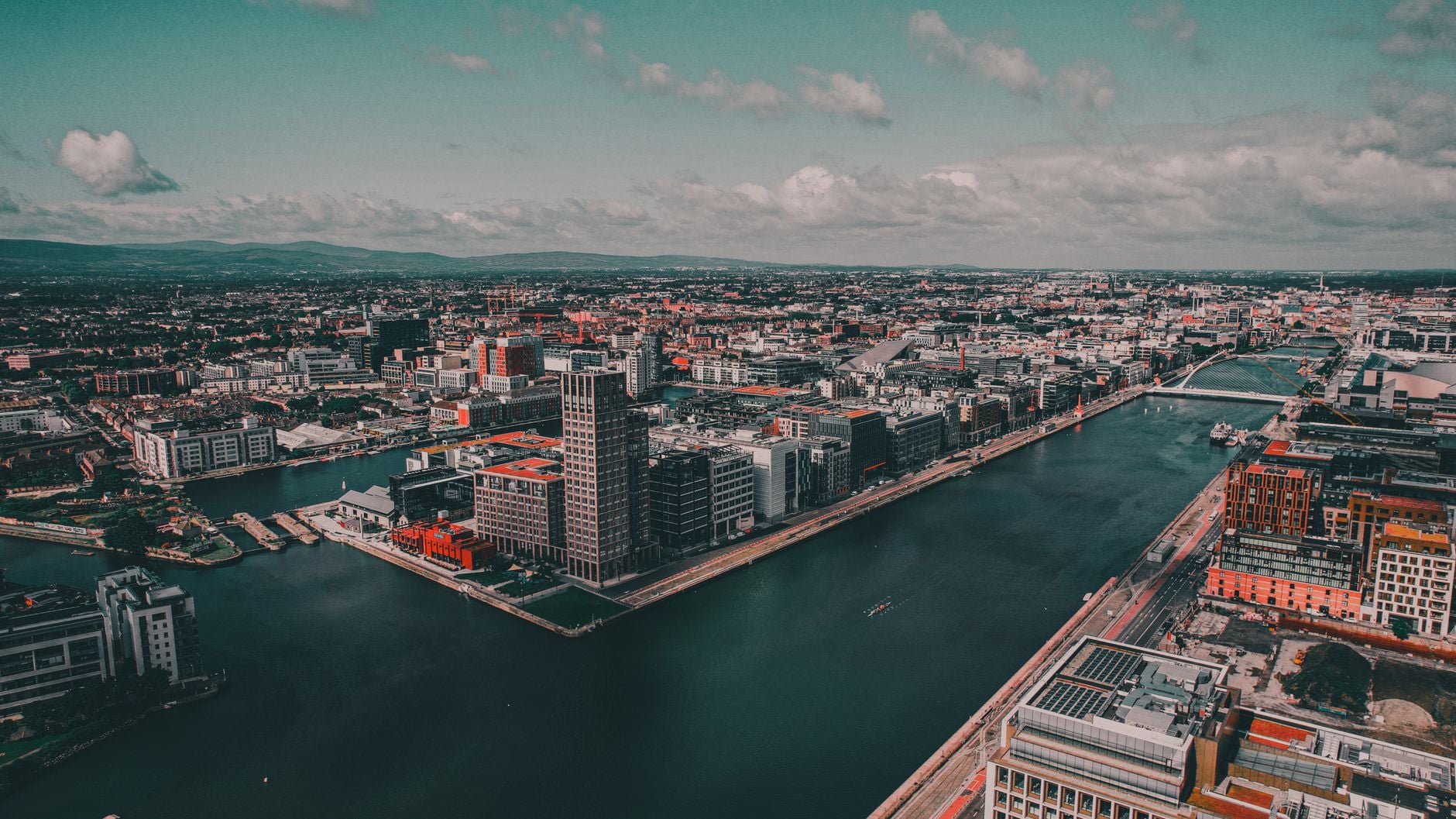
Dublin's gay scene runs on two hubs on opposite banks of the River Liffey, linked in under ten minutes by the pedestrian Millennium Bridge.
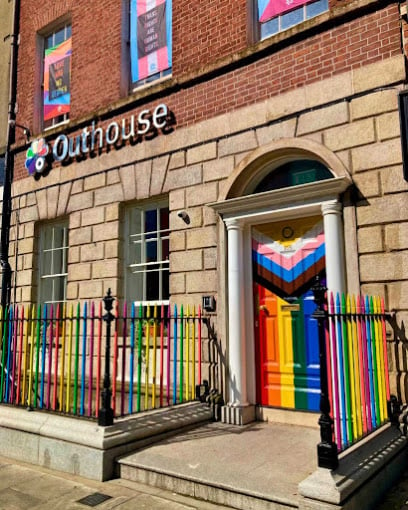
On the Northside, Capel Street has quietly become the city's gay village. Pedestrianised in 2022, this lively strip is home to Pantibar and Pennylane — which sit almost opposite each other near the Strand Street corner — as well as the Outhouse LGBTQ+ community centre and the gay-friendly Jack Nealon's pub. Locals increasingly point newcomers here first.
On the Southside, South Great George's Street and the neighbouring Temple Bar quarter form the historic heart. The George, Ireland's oldest gay bar, has anchored George's Street since 1985, while Temple Bar holds Street 66, the Boilerhouse sauna and the Basic Instincts adult store. Everything in both hubs is within a compact, walkable radius, so bar-hopping on foot is easy.
Bars
The George on South Great George's Street is the one everyone knows — open since 1985, Ireland's longest-running gay bar and still the default first stop. The downstairs bar is relaxed by day; upstairs turns into a club at weekends, and drag runs most nights of the week. Sunday-night drag bingo with Shirley Temple Bar is a genuine Dublin institution.
Pantibar on Capel Street belongs to Panti Bliss, the drag queen who became the accidental face of the marriage-equality campaign. It is loud, red and sociable, with cabaret and drag upstairs; the programme lives on the bar's Instagram. A few doors away, Pennylane is the calmer neighbourhood option — cocktails and a warm room that pairs naturally with Pantibar on a Capel Street crawl.
Street 66, on Parliament Street at the edge of Temple Bar, occupies the space older Dubliners remember as The Front Lounge. Since reopening in 2016 it has been a dog-friendly, cocktail-forward bar with a genuinely mixed crowd of queer women, gay men and their friends.
Two roaming club nights, rather than fixed venues, carry Dublin's late scene. Mother is the best-loved — a Saturday-night party currently resident at Lost Lane just off Grafton Street, built on disco and pop and an everyone-welcome door. Mother also throws the enormous Pride block party each June. Euphoria is Ireland's biggest gay club night, taking over the Button Factory in Temple Bar roughly once a month with headline drag and a younger, high-energy crowd. Both announce dates on social media a few weeks ahead, so check before you travel.
The Boilerhouse on Crane Lane in Temple Bar, open since 1997, is the only gay sauna in the whole of Ireland — five floors with a wet area, dry sauna and an on-site café, busy late at weekends. Nearby on Eustace Street, Basic Instincts is a long-running adult and fetish store with a members' cruise cinema in the basement, open through the day.
Ireland is one of the safer places in Europe to be openly gay, and two long-documented daytime cruising spots persist: Phoenix Park (around the S-Bends on the Upper Glen Road and the Furry Glen) and the dunes at Dollymount Strand on Bull Island, busiest in summer. Both are public parkland — keep activity discreet, stick to daytime, and be aware of dog-walkers and families sharing the space.
The Outhouse LGBTQ+ Centre at 105 Capel Street is the city's community hub, with a café, library and meeting rooms hosting dozens of groups each week. LGBT Ireland runs the national helpline and support services from Dame Street, and Belong To, based on Parliament Street, is the country's leading LGBTQ+ youth organisation.
Pride and Major Events
Dublin Pride is the big one, held over the last week of June — in 2026 the festival runs 24 to 28 June, with the parade on Saturday 27 June assembling on O'Connell Street and finishing at the Pride Village in Merrion Square. Dublin's first Pride demonstration dates to 1974 and the first full parade to 1983. Beyond Pride, GAZE, Ireland's LGBTQ+ film festival, screens in late July and early August at the Light House Cinema and IFI, and the long-running Dublin Gay Theatre Festival (staged in recent years as Wilde Stages) takes over city venues in early May. Accommodation books up fast around Pride weekend, so plan ahead.
Where to Stay
The city centre is highly walkable, so almost any central base works. Temple Bar puts you in the middle of the Southside scene but is touristy and pricey; the Northside around Capel Street and the Ha'penny Bridge keeps you close to Pantibar and Pennylane. Grafton Street and Merrion Square offer smarter options, while Rathmines and Ranelagh, a short bus or Luas ride south, are quieter and better value with their own café scenes.
Dublin is compact enough to walk most of, and the two Luas tram lines (red and green) plus an extensive Dublin Bus network and the coastal DART rail cover the rest. Taxis and apps like Free Now and Bolt run reliably for nights out, and the Dublin Bikes share scheme dots the centre. Note that most bars and clubs close around 2:30am under Irish licensing.
Food and Drink
Dublin's food scene has come a long way. Capel Street itself is now one of the city's best eating streets, packed with Korean, Brazilian, Middle Eastern and vegan spots, while Grafton Street and the Southside hold the higher-end dining rooms. Traditional pubs, Guinness and Irish whiskey remain part of any visit — and card payment is accepted almost everywhere, though the odd old pub is still cash-only.
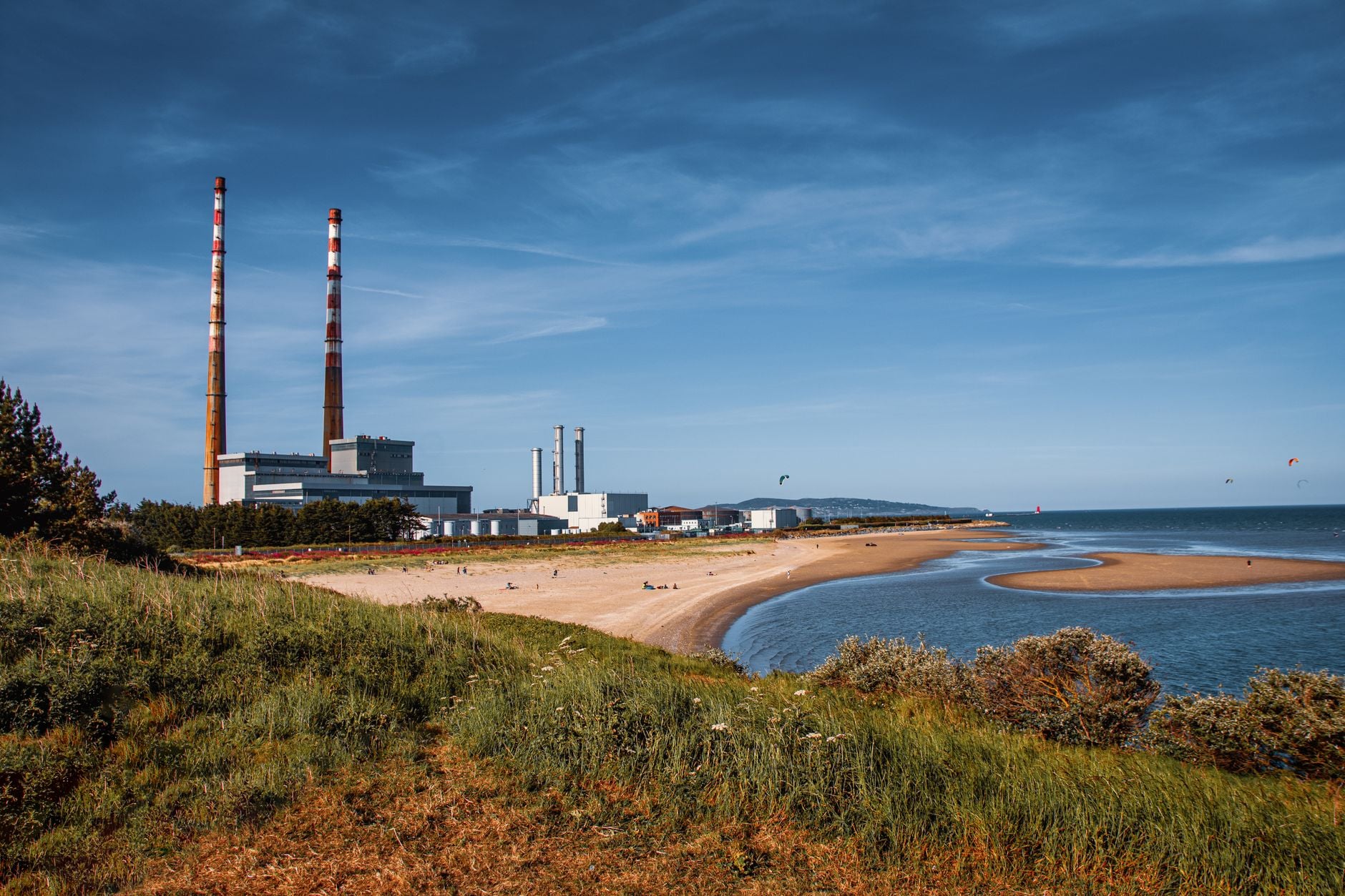
Dublin is a good base for escapes: Glendalough's monastic ruins and lakes in the Wicklow Mountains (about an hour south), the seaside village of Dún Laoghaire and the cliff walk at Howth (both a short DART ride), Malahide Castle to the north, and Kilmainham Gaol within the city for essential Irish history.
Safety and Practical Considerations
Dublin is one of the easier cities in Europe to be visibly queer. Anti-discrimination law protects sexual orientation and gender identity, and public displays of affection between same-sex couples are unremarkable in the city centre. Ordinary big-city caution applies late at night around the busier stretches of O'Connell Street and Temple Bar — mind your phone and your drink — but harassment aimed at LGBTQ+ people is rare. The weather is cool and often wet year-round, so pack layers; the currency is the Euro.
Conclusion
Dublin's scene is small next to London or Berlin, but it is warm, drag-obsessed and easy to cover in a single weekend — two walkable hubs, one legendary flagship in The George, Ireland's only gay sauna, and a Pride that reflects a country that changed faster than almost anywhere. For gay travellers it is one of Europe's most genuinely welcoming capitals.
都柏林的同志圈主要分布在利菲河兩岸的兩個核心區域。北岸方面,改為步行區的 Capel Street 已成為城市的同志村,Pantibar 與 Pennylane 兩間酒吧隔街相望,附近還有 Outhouse LGBTQ+ Centre。南岸方面,South Great George's Street 與 Temple Bar 構成了歷史悠久的核心地帶,這裡坐落著 The George、Street 66 以及 Boilerhouse 三溫暖。
The George 是都柏林的旗艦酒吧,也是愛爾蘭歷史最悠久的同志酒吧。其他重要據點包括 Pantibar(Panti Bliss 的酒吧)、Capel Street 上的 Pennylane,以及 Temple Bar 區的 Street 66。最受歡迎的俱樂部之夜為 Mother(在 Lost Lane)和 Euphoria(在 the Button Factory),而 Boilerhouse 則是愛爾蘭唯一的同志三溫暖。










 同志酒吧與俱樂部
精選
(767)