
Ireland: A Remarkable LGBTQ+ Transformation
Few countries have changed more dramatically in LGBTQ+ rights and culture than Ireland. In 1993, gay sex was still a crime. By 2015, Ireland was the first country in the world to legalize same-sex marriage by popular vote.
That 62.1% Yes vote on May 22, 2015 — in a country shaped by centuries of Catholic conservatism — was a turning point. Not just for Irish LGBTQ+ people, but for the global movement. Ireland now has one of the most progressive legal frameworks in the world, an LGBTQ+ scene centered on Dublin, and a social culture that has shifted across all generations.
The Legal Framework
Ireland's legal path for LGBTQ+ rights is among the most dramatic in the democratic world:
- 1988: David Norris takes a case to the European Court of Human Rights, challenging the criminalization of gay sex in Ireland.
- 1993: Same-sex sexual activity decriminalized (Criminal Law (Sexual Offences) Act 1993) — later than most of Western Europe.
- 2010: Civil Partnership Act introduces legal recognition for same-sex couples, short of full marriage rights.
- 2015: The thirty-fourth amendment to the Irish constitution passes by 62.1% Yes — the first country in the world to achieve marriage equality by popular vote. The Marriage Act 2015 follows, extending full civil marriage to same-sex couples.
- 2015: Gender Recognition Act — one of the world's first self-declaration gender change systems, requiring no medical diagnosis or court approval.
- 2016: Full joint adoption rights for same-sex couples legislated.
- 2024: Health (Conversion Practices) Act bans conversion therapy with criminal penalties.
Anti-discrimination protections covering sexual orientation and gender identity come from the Employment Equality Acts 1998–2015 and the Equal Status Acts 2000–2018. They cover employment, goods, services, accommodation, and education.
Dublin: The Heart of Irish LGBTQ+ Life
Dublin's LGBTQ+ scene is in two areas, reflecting the city's evolution. The George on South Great George's Street — Ireland's oldest gay pub, open since 1985 — anchors the traditional southern scene.
But since the early 2010s, the real center of gay Dublin has moved north of the River Liffey to Capel Street. It's become the de facto gay village: a street of bars, cafés, and community spaces with more energy and variety than the older George's Street cluster.
Capel Street has Pantibar. It's owned by Rory O'Neill, better known as drag queen Panti Bliss, who became one of Ireland's most celebrated LGBTQ+ activists after a 2014 TV appearance that sparked a national conversation about homophobia. Pantibar is the social hub of the new gay village: loud, warm, politically engaged, and always busy. Street 66, a few doors down, opened in 2016 and quickly became one of Dublin's most popular gay bars. The Dragon, a short walk away, serves the late-night crowd.
The Workman's Club on Wellington Quay runs regular queer nights that draw a mixed LGBTQ+ and straight creative crowd — less specifically gay than the Capel Street venues, but still an important part of the ecosystem. The Front Lounge on Parliament Street is a mixed, friendly bar that has welcomed LGBTQ+ customers since the 1990s. For spa and sauna, Sweat and Sauna 4 serve the Dublin market.
The Referendum and Its Meaning
The 2015 marriage equality referendum deserves special attention for any LGBTQ+ visitor to Ireland. It shaped the country's self-understanding beyond its legal consequences.
The Yes Equality campaign organized canvassers across every constituency. Tens of thousands of Irish emigrants flew home specifically to vote — a defining image of the campaign. The 62.1% Yes majority won in every constituency in the country except one (Roscommon-South Leitrim, which later reversed its position).
For many Irish LGBTQ+ people, the referendum was the first time they felt their full citizenship confirmed by their neighbors, families, and communities. The streets of Dublin on the night of the count — particularly outside Dublin Castle where the results were announced — were some of the most emotionally charged scenes in the country's modern history. If you visit Dublin, the referendum isn't just history: it's recent memory, and the people you meet in the bars and cafés of Capel Street lived through it as adults.
Dublin Pride
Dublin Pride in June is Ireland's largest LGBTQ+ event, drawing about 60,000 people to the parade and 130,000 overall across the weekend's events. The parade route goes through the city center, finishing near Merrion Square — the park that was once Archbishop Desmond Connell's residence and is now Dublin's official LGBTQ+ park.
The meaning of Pride in Dublin post-2015 differs from many other cities: it carries the weight of recent victory as well as ongoing celebration. The weekend includes community events, club nights at venues across the city, film screenings, and family-friendly daytime events.
Cork: Ireland's Second City
Cork has its own LGBTQ+ scene that's bigger than its size suggests. Loafers Bar on Douglas Street is the cornerstone — Ireland's oldest gay bar outside Dublin, open since 1979. It's a traditional pub with a loyal community following. Chambers has a more social bar environment, and Taboo is the main club for dancing. Cork Pride in August is a genuine community celebration, not a tourist spectacle. The city's compact size means the scene feels more personal and connected than Dublin's.
Galway
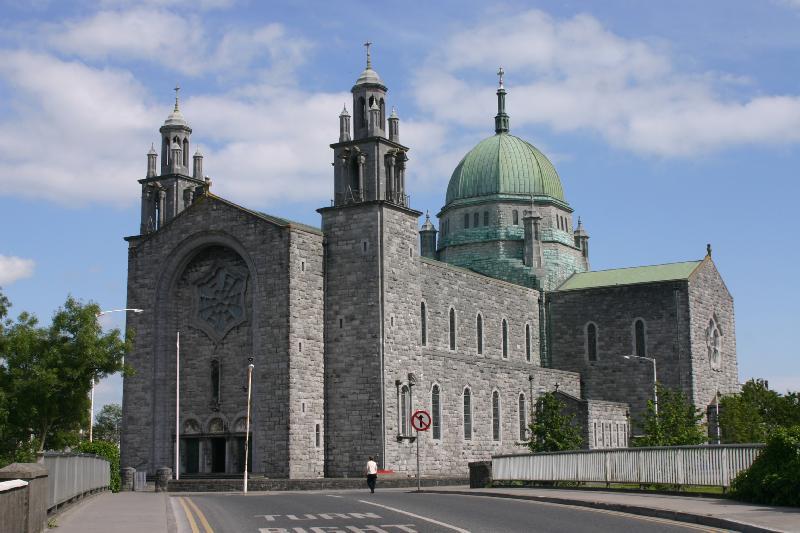
Galway is Ireland's bohemian university city on the west coast, with a strong arts culture and an LGBTQ+ community that benefits from the student population. The city is small enough that LGBTQ+ life is spread across multiple venues rather than concentrated in one district. Galway Pride, held in June, is one of Ireland's more distinctive Pride events — a city of 80,000 people that puts on a Pride weekend of genuine scale and warmth.
Practical Information
Currency: Euro (EUR). Dublin is expensive by European standards — comparable to London for accommodation and food. Cork and Galway are much more affordable.
Getting around: Dublin's DART rail line and Luas tram system are useful for getting around the city. Capel Street is walkable from most city center accommodation. Cork and Galway are small enough to walk everywhere. Inter-city buses (Bus Éireann) and trains connect the major cities.
Climate: Ireland's weather is famously mild and often wet. Summer (June–August) is the season for Pride and outdoor events, with long evenings (daylight until 10pm in June) and temperatures around 15–20°C. Bring a waterproof layer no matter the season.
Safety: Ireland is one of Europe's safest countries for LGBTQ+ travelers. Public displays of affection are generally fine in Dublin's city center and LGBTQ+ areas. Rural areas are more conservative but not hostile. The Garda Síochána (police) have dedicated LGBTQ+ liaison officers in Dublin.
Resources: LGBT Ireland (lgbt.ie) offers support services. GLEN (Gay and Lesbian Equality Network) was key in the marriage equality campaign. BelongTo supports LGBTQ+ young people. The Irish Times and national media cover LGBTQ+ issues significantly — a reflection of how central the community is to mainstream Irish life post-2015.