Одностатеві статеві контакти легалізовані з 1977 року. Цивільні партнерства визнані з 2020 року (набули чинності у 2021 році) — перші в Західних Балканах; шлюб або спільне усиновлення не передбачені. Антидискримінаційний захист діє з 2010 року. Montenegro Pride проводиться у Подгориці з 2013 року. Прибережні туристичні райони, такі як Котор, є ліберальними; у сільській та північній місцевості рекомендується дотримуватися стриманості.
Не пропустіть жодної гей-події у Котор
Один лист на тиждень — розклад вихідних, вечірки та акції. Без спаму, відписка будь-коли.
Weekly event updates. Notifications appear on your lock screen.
On iPhone: first add GayOut to your Home Screen (Share → Add to Home Screen), then open it from there to enable notifications.
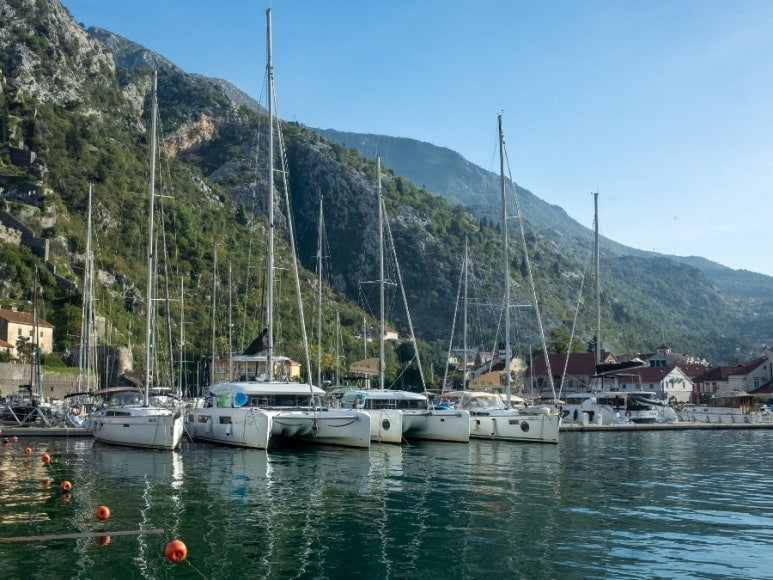
Kotor, a jewel of the Adriatic, offers a welcoming atmosphere for LGBTQ+ travelers, despite Montenegro's evolving stance on LGBTQ+ visibility. The town's status as a significant tourist destination and its cosmopolitan feel contribute to a more open environment than might be found elsewhere in the country.
While Kotor doesn't boast a large, established LGBTQ+ scene like larger regional cities, it is growing. Same-sex relations were decriminalized back in 1977, and in 2020 Montenegro became the first Western Balkans country to legally recognize same-sex civil partnerships (in force since 2021). Kotor's tourism-driven economy and international connections foster a tolerant atmosphere. The scene here is more social than institutional; there are no dedicated gay venues, but rather a selection of establishments that are known to be welcoming to a mixed crowd of locals and visitors.
The Old Town, encircled by 15th-century Venetian walls, is the heart of Kotor and the most likely place for LGBTQ+ visitors to find community. Its narrow stone lanes are lined with Renaissance and Baroque architecture, housing numerous cafes, bars, and restaurants. The Riva, the waterfront promenade, serves as a central gathering spot, particularly in the evenings and on weekends. Certain bars along the Riva and within the Old Town have a reputation among gay travelers for being welcoming. Specific venues can change, so checking recent travel forums or LGBTQ+ travel resources before arrival is recommended.
Tivat, about 15 kilometers south, is developing as a secondary hub, notably with Porto Montenegro, a luxury marina that attracts an international clientele. However, Kotor remains the primary base for LGBTQ+-friendly exploration in the region.
While local Pride events are not held in Kotor, the town sees increasing international LGBTQ+ tourism, especially from June to September. Spring (April-May) and early autumn (September-October) offer pleasant weather with fewer crowds. LGBTQ+ events and Pride observances in Montenegro have typically taken place in Podgorica or Herceg Novi, though visibility is expanding.
Where to Stay
Accommodation in Kotor ranges from guesthouses to hotels, with most located in or near the Old Town. The Riva promenade features several hotels, and many property owners are welcoming to LGBTQ+ guests. Booking platforms like Airbnb, Booking.com, and Agoda offer a wide selection. Independent LGBTQ+ travel sites may provide traveler reviews. Staying within the Old Town offers convenience for walking and social access, though prices can be higher. Quieter neighborhoods like Lastva or Dobrota, just outside the walls, provide more space and lower costs with short walks to the center.
The easiest way to reach Kotor is via Podgorica International Airport, approximately 65 kilometers north, which has direct flights from major European cities. Regular bus services connect Podgorica and Kotor, with a scenic journey of about 1.5 hours along the bay. Taxis and car rentals are available but not essential for navigating Kotor itself, which is best explored on foot. Local buses serve the wider Bay of Kotor area for day trips. English is spoken by many locals, especially in the tourism sector, though learning basic Montenegrin or Serbian phrases is appreciated.
Kotor's cuisine blends Mediterranean and Balkan influences. Fresh seafood, including grilled fish, octopus, and mussels, is common along the waterfront. Traditional dishes like cevapi and pljeskavica, along with pasta influenced by Venetian traditions, are also available. Restaurants on the Riva tend to be more tourist-focused and pricier; more authentic and better-value options can be found on the side streets of the Old Town. Montenegrin and Balkan wines are affordable and of good quality. Cafes are social hubs throughout the day, and the evening aperitivo culture is strong. Enjoying a drink and snacks at a Riva cafe while taking in the bay and mountain views is a characteristic Kotor experience.
Day trips from Kotor are plentiful. Perast, a 20-minute boat ride away, features the Church of Our Lady of the Rocks and offers swimming and dining. Beaches can be found on the Lustica Peninsula and near Morinj. Hiking trails lead into the surrounding mountains, and climbing the fortress walls offers panoramic views. Inland, Cetinje, Montenegro's historic capital, provides cultural and historical sites. Lovcen National Park offers dramatic scenery and winding mountain roads. Herceg Novi, further down the coast, is another coastal town with a similar waterfront charm.
Montenegro has the most progressive LGBTQ+ legal framework in the Western Balkans. Same-sex relationships have been legal since 1977, anti-discrimination protections covering sexual orientation exist (since 2010), and same-sex civil partnerships have been legally recognized since 2020; same-sex marriage, however, is not available. Public displays of affection between same-sex couples may attract attention in some areas, particularly outside major tourist centers. However, Kotor, as a tourist destination, has not seen reported incidents targeting gay travelers. The town's international character and reliance on tourism generally foster a welcoming environment. Travelers are advised to remain aware of their surroundings, though risks are generally lower than in some neighboring regions. Emergency services are reliable, and English is spoken at tourist facilities.
Montenegro is a small Balkan nation with Orthodox Christian traditions and conservative social attitudes in many areas, though younger generations and urban centers are becoming more progressive. LGBTQ+ activism exists but is less established than in Western Europe. The country's aspiration for EU membership is driving gradual legal reforms and social changes. International tourism, especially to coastal areas like Kotor, contributes to cultural shifts and cosmopolitanism.
The warmest weather, typically 25-30°C (77-86°F), occurs from June to September, coinciding with peak tourist numbers and higher prices. May and October offer pleasant temperatures with fewer crowds. Winter (December-February) is cooler, 5-12°C (41-54°F), with occasional rain, and many hotels and restaurants close. Spring and autumn are ideal for outdoor activities and hiking.
Kotor provides a stunning natural setting, rich history, and accessible charm, with a quietly welcoming atmosphere for LGBTQ+ travelers. It is best suited for those who prioritize scenic beauty, culture, and relaxation over extensive nightlife or dedicated LGBTQ+ infrastructure. It can serve as a base for exploring Montenegro and can be incorporated into broader Balkan travel itineraries.
Часті запитання
Чорногорія поступово лібералізується в соціальному плані, і одностатеві цивільні партнерства тут легальні. Водночас ширші суспільні погляди за межами великих міст можуть залишатися консервативними. Котор як туристичне призначення вигідно використовує міжнародний потік відвідувачів та молодіжну культуру, сформовану під впливом європейських цінностей.
ЛГБТК+ мандрівники зазвичай збираються у Старому місті Котора, яке пропонує найбільше можливостей для гастрономічних відкриттів, спілкування та спостереження за людьми. Набережна (Riva) поза межами Старого міста також вирізняється привітною атмосферою й приваблює як туристів, так і місцевих мешканців.
У Которі немає спеціалізованих гей-барів чи клубів. Натомість геї-мандрівники покладаються на змішані заклади, відомі своєю дружністю та гостинністю, а значна частина соціального життя зосереджена навколо онлайн-спільнот і неформальних мереж.
ЛГБТК+ сцена в Которі описується як така, що розвивається та має низький профіль, на відміну від міст на кшталт Подгориці чи Белграда, де діють спеціалізовані гей-заклади. Котор ідеально підходить для тих, хто шукає занурення в культуру та природну красу, а не нічне життя.
Старе місто та набережна (Riva) — це місця, де більшість мандрівників, включно з представниками ЛГБТК+, проводять свій час і знаходять гостинні заклади. Кафе та ресторани в цих районах орієнтовані на міжнародних туристів і зазвичай є дружніми до ЛГБТК+ за замовчуванням.
Сама Котор не приймає подій Прайду. Прайд Чорногорії щороку проходить у столиці, Подгориці, зазвичай восени (перша хода відбулася у 2013 році), організований за підтримки Queer Montenegro. У Которі немає спеціальних подій для ЛГБТК+, але старе місто з фортечними стінами радісно зустрічає міжнародних ЛГБТК+ відвідувачів протягом усього літнього сезону.
Ваші налаштування конфіденційності.
Ми використовуємо файли cookie для роботи GayOut і, за вашою згодою, для вимірювання використання. Докладніше
Ваші налаштування конфіденційності
Ми використовуємо файли cookie, щоб забезпечити роботу GayOut, зберігати ваші налаштування та (за вашої згоди) вимірювати використання сайту. Ви можете прийняти всі, відхилити всі або обрати, що саме дозволяєте. Докладніше
Необхідні
Потрібні для входу в систему, запобігання шахрайству, захисту від CSRF та збереження вашої мовної локалізації. Не можуть бути вимкнені.
Завжди увімкнено
Запам’ятовують ваші улюблені місця, темний режим та інші налаштування інтерфейсу між візитами.
Допомагає нам зрозуміти, які сторінки відвідують користувачі (Google Analytics, серверна статистика), щоб ми могли покращувати сайт.
Використовується пікселями відстеження кампаній. Наразі жоден не активний, зарезервовано для майбутнього використання.
Встановити GayOut
Додайте GayOut на головний екран для швидшого доступу, офлайн-збереження улюблених та сповіщень про Pride.


 Дружні ЛГБТК+-дружній готель
(865)