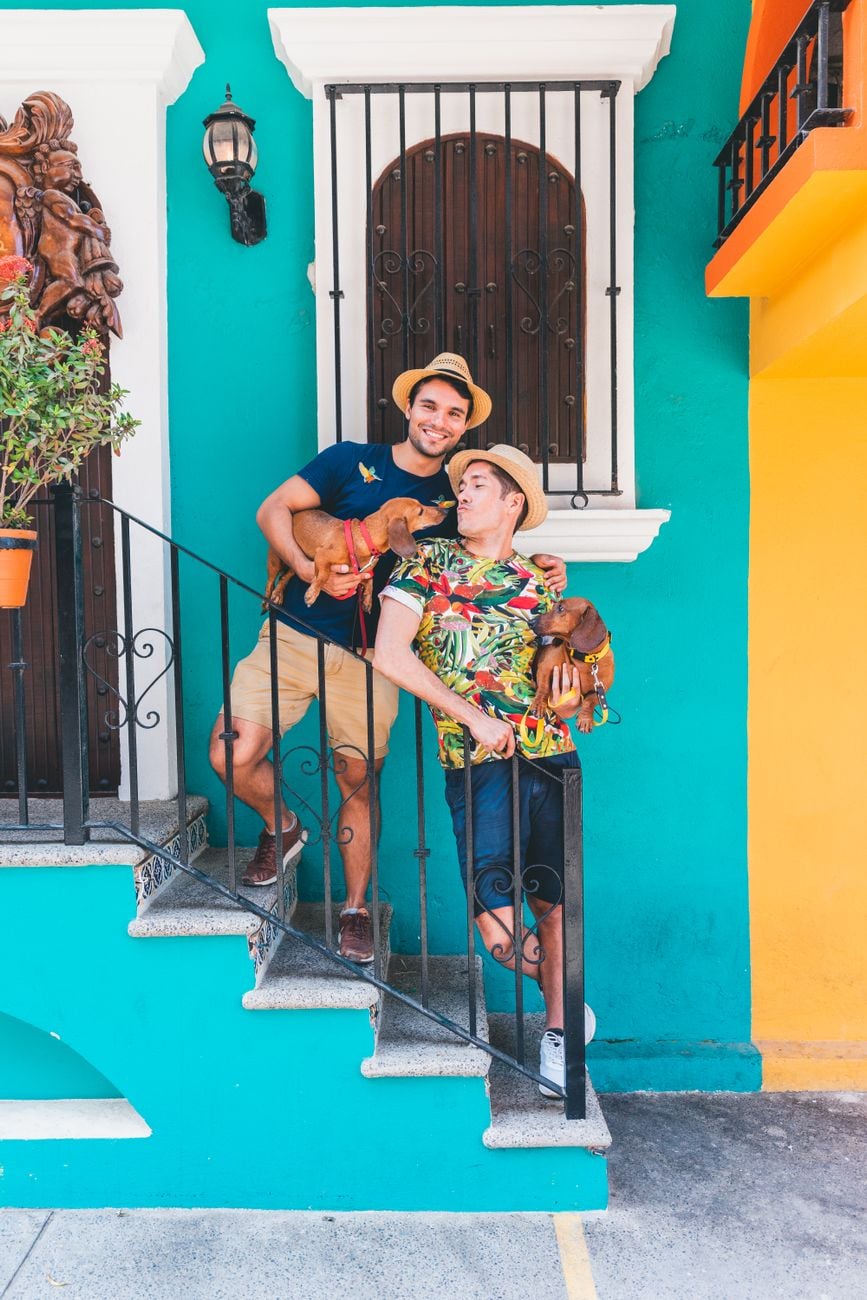
Україна декриміналізувала гомосексуальність у 1991 році та заборонила дискримінацію в сфері зайнятості за ознакою сексуальної орієнтації (2015). Визнання партнерства чи шлюбу відсутнє, хоча законопроєкт про цивільне партнерство перебуває на розгляді, а суди почали визнавати фактичні одностатеві сім’ї у 2025 році. У Києві діє активна та стійка гей-спільнота попри війну; поза квір-закладами та подіями рекомендується дотримуватися обережності.
Не пропустіть жодної гей-події у Київ
Один лист на тиждень — розклад вихідних, вечірки та акції. Без спаму, відписка будь-коли.
Weekly event updates. Notifications appear on your lock screen.
On iPhone: first add GayOut to your Home Screen (Share → Add to Home Screen), then open it from there to enable notifications.
KYIV: A GROWING LGBTQ+ DESTINATION IN EASTERN EUROPE
History and Context
Ukraine's LGBTQ+ rights movement has developed significantly since the country's independence in 1991. Homosexuality was decriminalized in 1991, making Ukraine one of the first post-Soviet states to do so. However, legal protections and social acceptance have evolved unevenly. Anti-discrimination laws covering sexual orientation were introduced in 2015, and same-sex partnership recognition remains absent, reflecting broader conservative cultural attitudes influenced by the Orthodox Church and traditional values.
Kyiv, as the capital and most cosmopolitan city, has become the epicenter of LGBTQ+ activism and community life. The city's younger demographic, exposure to Western culture, and status as a cultural hub have fostered a more open environment compared to other Ukrainian cities. However, the 2022 Russian invasion and ongoing conflict have impacted community activities and travel safety considerations significantly.
Neighborhoods and Districts
The city center, particularly around Maidan Nezalezhnosti (Independence Square) and the surrounding downtown area, is the most walkable and tourist-friendly zone. This area contains many cafes, restaurants, cultural institutions, and some LGBTQ+-friendly establishments.
Podil, located north of the center along the Dnieper River, has emerged as the city's hippest neighborhood in recent years. It features independent galleries, trendy cafes, vintage shops, and a younger creative crowd. The neighborhood's artistic and bohemian character makes it relatively welcoming to LGBTQ+ visitors and residents.
Shevchenka (also spelled Shevchenko) is another central neighborhood known for cultural institutions, parks, and a progressive atmosphere. This area hosts several theaters, museums, and educational institutions that attract a diverse, educated population.
Venues and Nightlife
Kyiv's gay scene is more modest and underground compared to major Western European capitals, reflecting both legal protections and persistent social conservatism. Many venues operate discreetly or are known primarily through word-of-mouth and social media.
Despite the war, several dedicated venues remain active. PORTUM in Podil is the city's flagship gay club, known for drag shows and a darkroom, while LIFT and the long-running Pomada (open since 2005) offer drag, karaoke and dance nights. Kharakternyky hosts drag and themed queer nights in the centre, and K41 (Kyrylivska 41) — a Berlin-inspired queer techno club in a former Podil brewery — anchors the underground scene. Blindage, near Kudriavskyi Descent, is the city's only dedicated gay sauna. Opening hours follow Ukraine's wartime curfew, so nights end earlier than before; verify current status before visiting.
Cafe and restaurant culture is generally welcoming, particularly in central and trendy neighborhoods. Many establishments in Podil and the city center are accepting of LGBTQ+ customers, and casual same-sex dining encounters little overt hostility in these areas, though public displays of affection remain inadvisable in less progressive zones.
Kyiv Pride and its Equality March are the flagship LGBTQ+ events in Ukraine, historically held in June. The march has grown significantly since its first edition in 2013 (an attempt in 2012 was cancelled), rising from about 100 participants to roughly 8,000 by 2021, though it has consistently faced organized opposition from right-wing groups and conservative activists. During the full-scale war, marches were held abroad in 2022-2023 and returned to Kyiv from 2024. Security presence is substantial, with police forming cordons to protect marchers. The event represents both celebration and political statement, drawing international attention and support.
Beyond Pride, LGBTQ+ film festivals, cultural events, and smaller gatherings occur throughout the year, though information availability can be limited. Current event status should be verified due to ongoing security concerns.
Where to Stay
The city center and Podil neighborhoods offer the best options for LGBTQ+ travelers seeking walkable, culturally rich environments. International hotel chains operate throughout the center, while boutique and mid-range hotels cluster in trendier neighborhoods.
Apartment rentals through platforms like Airbnb historically offered good value and flexibility, though availability and operations may be affected by current conditions. When booking, reading recent reviews and verifying current operational status is essential.
Physical safety depends greatly on context. In central areas, particularly during daytime, travelers of all orientations encounter minimal harassment. However, overt public displays of same-sex affection can attract negative attention, and walking alone late at night in unfamiliar areas is not advisable for any traveler.
Kyiv is generally safe for LGBTQ+ visitors who exercise standard travel caution and discretion. The city's educated, cosmopolitan population in central areas is accustomed to diverse visitors. However, traveling outside major cities, visiting certain nightlife venues, or engaging in public demonstrations of sexuality carries greater risks.
More importantly, Ukraine's ongoing conflict with Russia has created significant security concerns. Before travel, visitors must verify current security conditions, check government travel advisories, and ensure travel insurance covers the destination. The security situation can change rapidly, and decisions to visit should account for real risks to personal safety.
Transportation
Kyiv's metro, tram, and bus system is extensive and affordable, operating predominantly in Cyrillic. Metro stops are marked and navigation is possible with translation apps or printed maps. Taxis, including Uber and Bolt, are widely available and reasonably priced. For longer distances or day trips, marshrutka (shared minibus) services connect Kyiv to nearby towns, though they operate informally and require basic navigation skills.
Food and Culture
Ukrainian cuisine emphasizes hearty, warming dishes. Borscht (beet soup), varenyky (filled dumplings), and pelmeni (meat dumplings) are staples. Kyiv's dining scene has modernized significantly, with international restaurants, fusion cuisine, and farm-to-table establishments particularly concentrated in Podil and the city center.
Cultural attractions include the St. Michael's Golden-Domed Monastery, Kyiv Pechersk Lavra (cave monastery complex), numerous museums covering art, history, and culture, and parks along the Dnieper River. The city's architectural heritage spans Ukrainian Baroque, Soviet-era structures, and contemporary construction.
Day Trips and Nearby Attractions
Chornobyl Exclusion Zone tours depart from Kyiv, offering visits to the 1986 nuclear disaster site and surrounding towns. Tours are heavily regulated and booked through licensed operators. This is a historically significant but emotionally intense experience.
Pyrohiv (Ukrainian Open-Air Museum) recreates traditional Ukrainian village life with authentic wooden structures, crafts, and demonstrations, located on Kyiv's outskirts.
Small towns along the Dnieper River, including Pereyaslav and Chyhyryn, offer historical sites and traditional landscapes accessible by day trip.
Final Notes
Kyiv offers rewarding experiences for LGBTQ+ travelers with realistic expectations and attention to current conditions. The city combines genuine cultural richness, architectural beauty, and a resilient LGBTQ+ community navigating complex circumstances. However, visitors must prioritize safety awareness, verify current security situations, and exercise judgment regarding public behavior. The LGBTQ+ scene exists but is more discreet and less developed than in comparable Western European capitals.
Часті запитання
Загалом культура України залишається консервативною. Хоча одностатеві стосунки є легальними, закони, що захищають ЛГБТК+ людей від дискримінації, слабкі. Місцева гей-сцена менша й обережніша, ніж у Західній Європі.
Поділ, історичний прирічковий район на північ від центру, є серцем квір-нічного життя Києва, тут розташовані флагманський клуб PORTUM та квір-техно-клуб K41. Ще кілька закладів знаходяться в центральних районах навколо Хрещатика та Майдану Незалежності. До всього легко дістатися метро або короткою поїздкою на Uber/Bolt.
Гей-сцена Києва менш зосереджена, ніж в інших європейських містах: заклади розкидані по центральних районах. Підпільна сцена історично була активною завдяки приватним вечіркам. Деякі заклади відкрито орієнтовані на ЛГБТК+-аудиторію, тоді як інші просто є дружніми до квір-спільноти.
Марш рівності (Прайд) у Києві зазвичай відбувається в червні. Перший марш пройшов у 2013 році (спроба провести його у 2012-му була скасована), а до 2021 року кількість учасників зросла приблизно до 8 000 осіб. Після того, як у 2022–2023 роках під час війни подія проходила за кордоном, у 2024 році марш повернувся до Києва. Ці заходи досі залишаються суперечливими та потребують значного поліцейського захисту.
У Києві немає виключно гей-готелів, але багато центральних готелів привітно ставляться до гостей LGBTQ+. Серед варіантів, дружніх до геїв, — відомий Premier Palace і Fairmont Grand Hotel Kyiv, розташовані в центрі Hotel Khreschatyk та Hotel Ukraine, а також невеликі бутикові готелі, такі як Gintama і The Key. Проживання в центрі або на Подолі тримає вас близько до нічного життя та метро.
ЛГБТК+-спільнота поступово стає більш помітною, особливо серед молоді та в культурних просторах, таких як мистецтво й театр. Водночас загальна культура залишається консервативною.
Ваші налаштування конфіденційності.
Ми використовуємо файли cookie для роботи GayOut і, за вашою згодою, для вимірювання використання. Докладніше
Ваші налаштування конфіденційності
Ми використовуємо файли cookie, щоб забезпечити роботу GayOut, зберігати ваші налаштування та (за вашої згоди) вимірювати використання сайту. Ви можете прийняти всі, відхилити всі або обрати, що саме дозволяєте. Докладніше
Необхідні
Потрібні для входу в систему, запобігання шахрайству, захисту від CSRF та збереження вашої мовної локалізації. Не можуть бути вимкнені.
Завжди увімкнено
Запам’ятовують ваші улюблені місця, темний режим та інші налаштування інтерфейсу між візитами.
Допомагає нам зрозуміти, які сторінки відвідують користувачі (Google Analytics, серверна статистика), щоб ми могли покращувати сайт.
Використовується пікселями відстеження кампаній. Наразі жоден не активний, зарезервовано для майбутнього використання.
Встановити GayOut
Додайте GayOut на головний екран для швидшого доступу, офлайн-збереження улюблених та сповіщень про Pride.


 Геї-бари та клуби
Рекомендовано
(50)