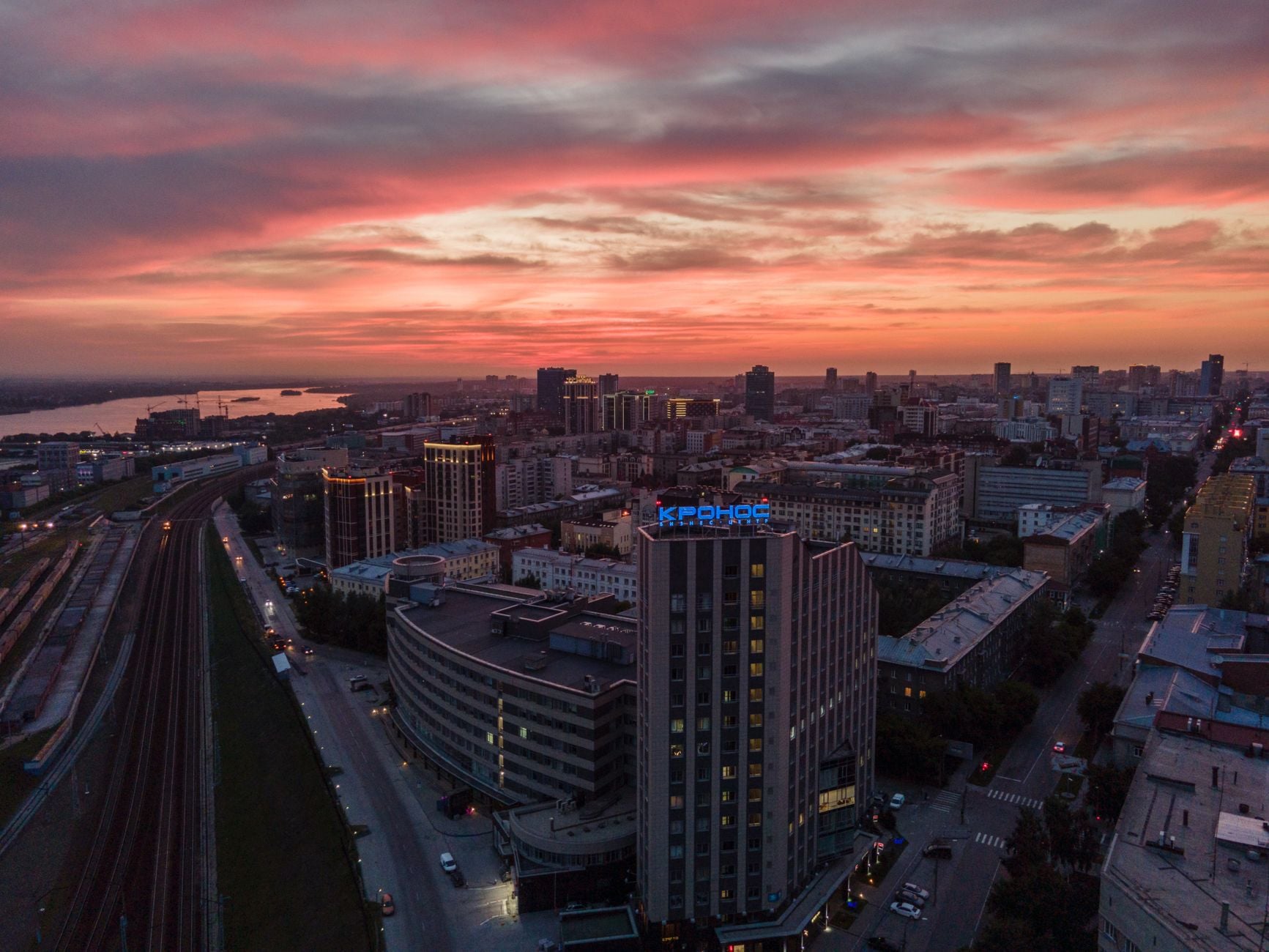
Kharkiv, located in northeastern Ukraine approximately 30 kilometers from the Russian border, is Ukraine's second-largest city with a population of around 1.4 million. While it lacks the established gay infrastructure of Kiev, Kharkiv hosts a growing and increasingly visible LGBTQ+ community that reflects broader social changes in Ukraine.
Historical Context
Ukraine decriminalized homosexuality in 1991 following independence from the Soviet Union. However, social acceptance has developed gradually, particularly outside major cities. Kharkiv, as a major cultural and educational hub with significant university populations, has developed a more progressive environment than many smaller Ukrainian cities. The local LGBTQ+ movement gained momentum in the 2000s and 2010s, with Pride events beginning around 2014-2015. Like much of Ukraine, Kharkiv's LGBTQ+ community has shown resilience and activism in asserting rights and visibility despite conservative opposition and, more recently, the impact of military conflict.
Neighborhoods and City Layout
Kharkiv's city center is relatively compact and walkable. The downtown area (Tsentr) contains most cultural venues, restaurants, and social spaces. Pushkinska Street is a central thoroughfare with cafes and gathering spots. Universitet district, home to Kharkiv National University, has younger demographics and cultural energy. Feldman Ecopark area and the Riverside (Naberezhnaya) offer green spaces and leisure activities. For LGBTQ+ visitors, the central downtown area is the primary focus for finding community-oriented venues and social spaces.
Venues and Gathering Spaces
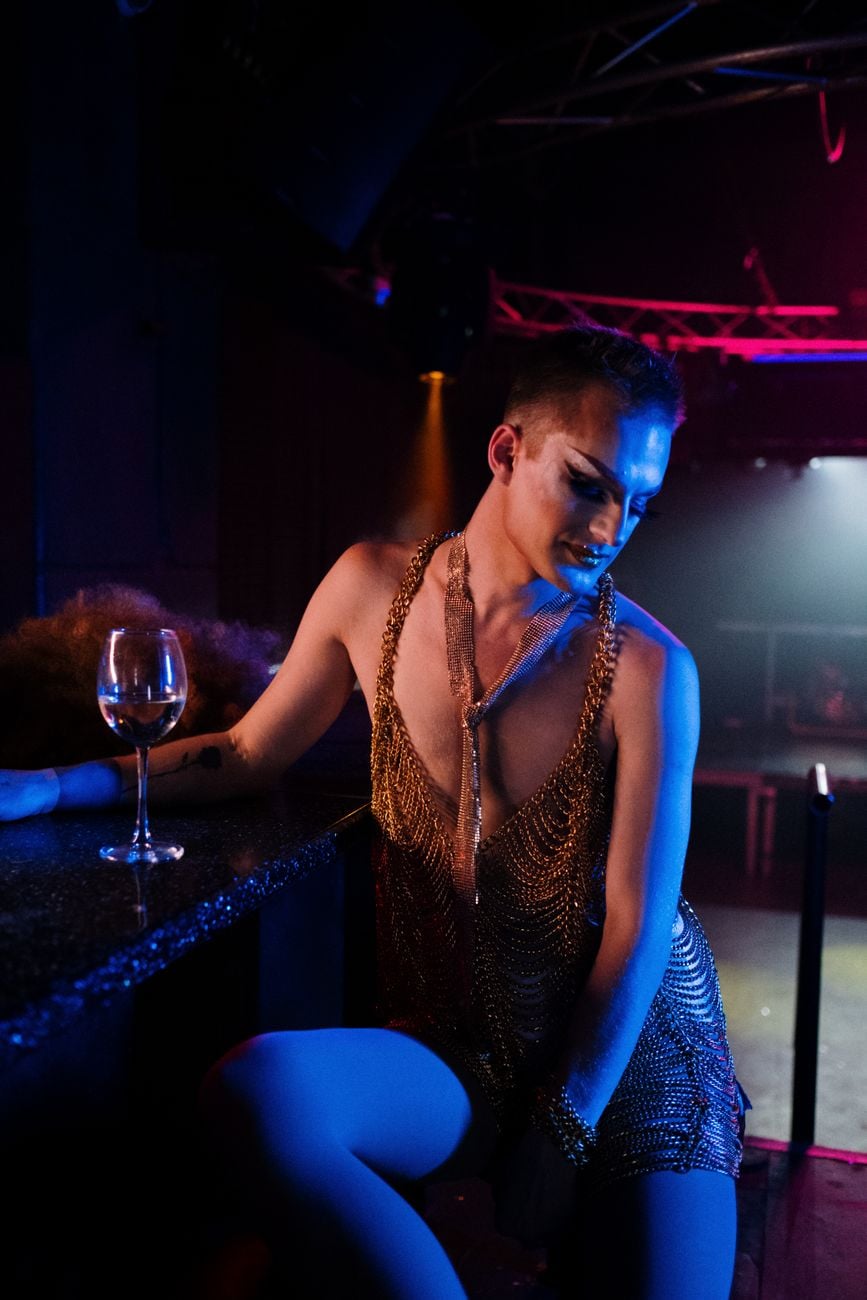
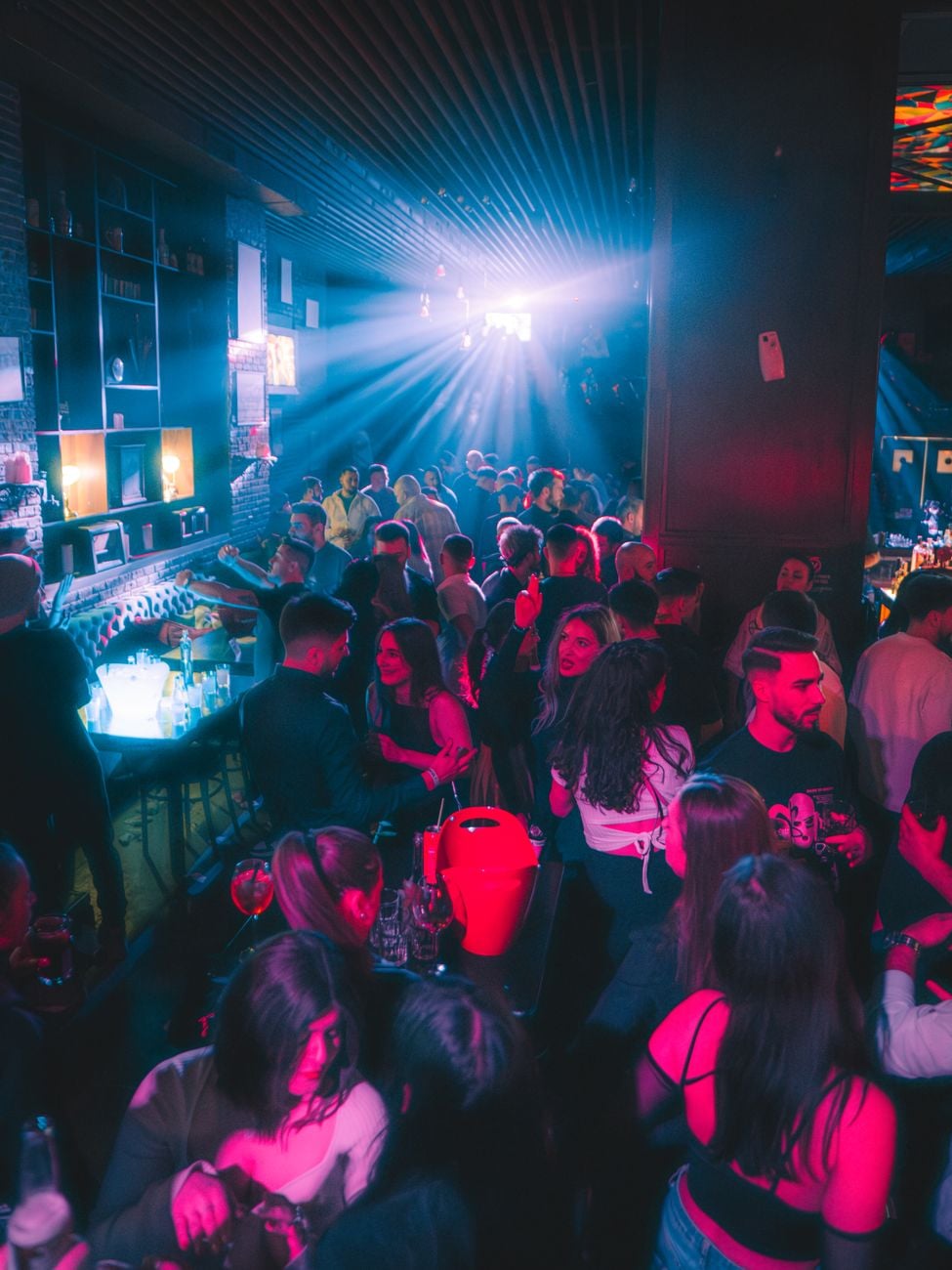
Information about specific dedicated gay venues in Kharkiv is limited and can change due to the city's current security situation. Unlike Kiev, which has several established gay bars and clubs, Kharkiv's LGBTQ+ social scene operates through smaller, sometimes less visible venues—including cafes, cultural centers, and private gatherings. Some restaurants and bars in the city center are known as friendly spaces without being explicitly marketed as LGBTQ+ venues. The local LGBTQ+ community often coordinates social events and gatherings through social media and messaging apps rather than through permanent dedicated establishments.
The city has hosted underground electronic music parties and cultural events catering to LGBTQ+ audiences, though these vary in schedule and location. Pride events and occasional film screenings or cultural talks represent organized LGBTQ+ activities. Visitors seeking to connect with the local scene should research current community groups and events online before traveling, as the landscape is less formalized than in larger European cities.
Kharkiv Pride and Events
Kharkiv Pride typically takes place in May or June, though dates and formats have varied. The event has grown from smaller gatherings to larger public demonstrations, reflecting increased activism and community organization. Pride in Kharkiv is notably more politically charged than typical Western Pride celebrations, as it represents a statement for LGBTQ+ rights and acceptance in a society where conservative and religious opposition remains significant. Participants and organizers demonstrate considerable courage and commitment. Beyond Pride, the community organizes smaller cultural events, discussion groups, and film screenings throughout the year.
Accommodation
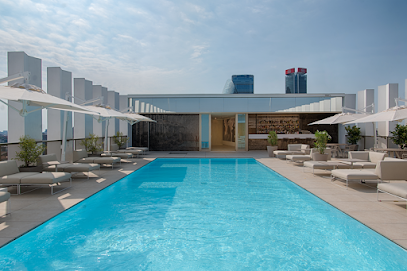
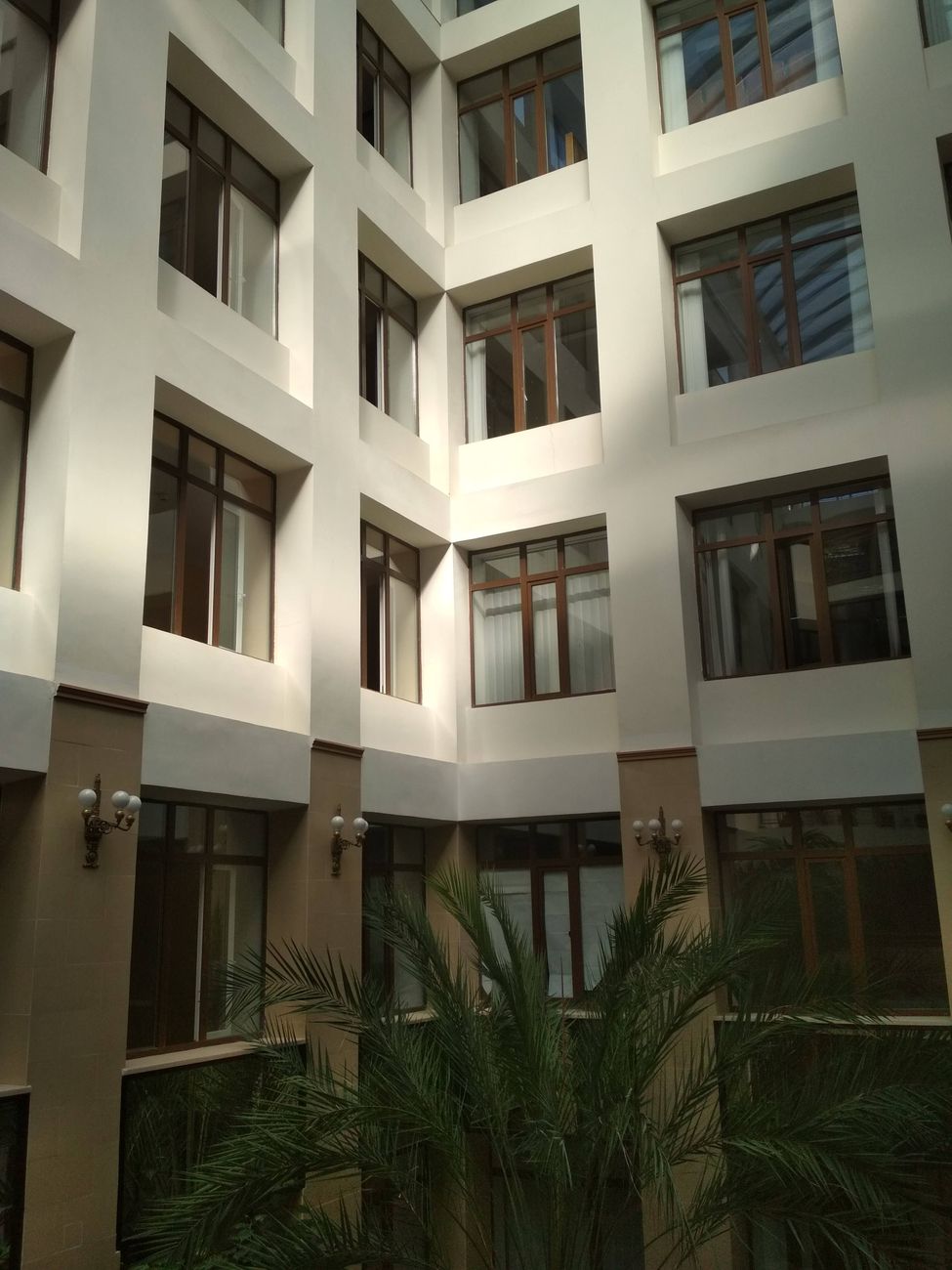
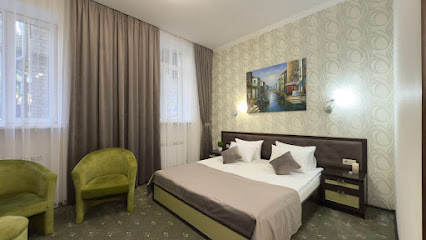
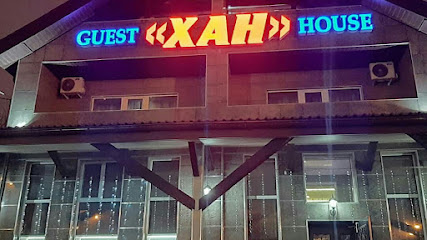
Kharkiv offers various hotels ranging from budget to luxury options throughout the city center. Hotels such as Kharkiv Palace, Park Inn by Radisson, and various mid-range and boutique hotels are located downtown. LGBTQ+ travelers should note that Ukraine has no explicit legal protections against discrimination in accommodation, though major hotels typically serve international guests without incident. Guesthouses and Airbnb options are available. The city center remains the best base for accessing cultural attractions and social venues.
Ukraine's ongoing conflict with Russia creates significant uncertainty and safety concerns for travelers. Kharkiv, located near the border in the Kharkiv Oblast region, has experienced military activity and remains subject to security threats. Russian airstrikes and artillery attacks have periodically targeted the city and surrounding areas. Travel to Kharkiv requires checking current government travel advisories (from the US State Department, UK Foreign Office, Australian DFAT, etc.) which may recommend against all travel or travel to specific regions.
Beyond the military situation, LGBTQ+ travelers should be aware that Ukraine remains a society where homophobic attitudes persist, particularly outside progressive circles in major cities. While violent attacks on LGBTQ+ individuals are not endemic, public displays of affection between same-sex couples may attract negative attention in some areas. The legal environment includes some protections against discrimination, but implementation is inconsistent. The local LGBTQ+ community, while growing bolder, sometimes operates with caution. International LGBTQ+ travelers should exercise discretion, avoid isolated areas at night, and be aware of their surroundings.
Transportation
Kharkiv is accessible via Kharkiv International Airport (ZhM), which receives flights from several European cities and from Kiev. The airport is located about 15 kilometers from the city center, with taxi and shuttle services available. Train connections link Kharkiv to Kiev and other Ukrainian cities, though travel times are substantial and current security situations affect rail schedules. Within the city, public transportation includes metro, trams, and buses. The metro system is extensive and affordable. Taxis and ride-sharing apps (Uber, Bolt) operate in the city. The city center is walkable for most tourist purposes.
Food and Culture
Kharkiv has a rich culinary tradition featuring Ukrainian and Russian cuisine. Traditional dishes include borsch, varenyky (dumplings), and various grilled meat dishes. The city center contains restaurants ranging from casual to upscale, as well as cafes offering coffee culture. Ukrainian craft beer has developed a presence in recent years. The city is known for its cultural institutions, including the Kharkiv National Opera House, which offers performances and architectural interest. Museums covering Soviet history, art, and local history reflect the city's cultural significance. University areas host younger demographics with contemporary cultural offerings.
Day Trips
The surrounding Kharkiv Oblast region offers natural attractions, though security considerations significantly limit travel outside urban areas. Feldman Ecopark, located within the city limits, offers recreational space with wildlife and nature settings. Historic sites and smaller towns in the region can theoretically be explored, but current security situations should be carefully considered before traveling beyond the main city.
Practical Information
Language: Ukrainian and Russian are widely spoken; English is less common outside hotels and tourist businesses in central areas. Learning basic Ukrainian or Russian phrases is helpful. Currency: The Ukrainian hryvnia (UAH) is the official currency. ATMs are widely available in the city center. Visa requirements vary by nationality; EU, US, UK, Canadian, Australian, and most other citizens can visit visa-free for up to 90 days. Travel insurance is strongly recommended, particularly given current security circumstances.
Conclusion
Kharkiv offers visitors authentic engagement with a developing LGBTQ+ community in a major Ukrainian city with significant cultural attractions. However, any visit must be contingent on careful assessment of current security conditions and government travel advisories. The city's LGBTQ+ scene, while smaller than Kiev's, reflects genuine local activism and community resilience. Travelers should connect with local LGBTQ+ groups and resources before visiting, exercise appropriate caution, and remain aware of both the broader social context and the immediate military situation. Only during periods of genuine security should travel to Kharkiv be seriously considered.
Frequently asked questions
Same-sex relationships are legal in Ukraine, and anti-discrimination protections exist in law, though enforcement can be inconsistent. While Kharkiv has a growing LGBTQ+ community, social conservatism remains strong in some segments of the population.
The Shevchenko District and areas near Karazin National University are popular with younger residents and tend to have more liberal attitudes. The city center is also a good option as it's compact and walkable with many cultural venues.
The guide mentions that Pride events have gained support, particularly among younger residents and in academic circles, but does not specify dates.
Bars and clubs catering to LGBTQ+ clientele exist, but they may not always be explicitly marketed as gay venues. Word-of-mouth and local LGBTQ+ networks are important for finding welcoming spaces.
Kharkiv has an affordable and efficient metro system for easy navigation. Marshrutkas (shared minibuses) are also available for longer distances within the city.
Kharkiv's LGBTQ+ scene is smaller and more understated than in Kyiv. While there's a growing community and occasional cultural events, the scene has historically been discreet.
Your privacy choices.
We use cookies to run GayOut and, with your consent, measure usage. Learn more
Your privacy choices
We use cookies to keep GayOut running, remember your preferences, and (with your permission) measure how the site is used. You can accept all, reject all, or pick what you allow. Learn more
Essential
Required for sign-in, fraud prevention, CSRF protection and remembering your language. Cannot be disabled.
Always on
Remembers your favourites, dark mode and other interface preferences across visits.
Helps us understand which pages people visit (Google Analytics, server-side stats) so we can improve.
Used by campaign tracking pixels. None are active right now, reserved for future use.
Install GayOut
Add GayOut to your home screen for faster access, offline favourites, and Pride alerts.



 Gay-Friendly Bars & Clubs
(26)
Gay-Friendly Bars & Clubs
(26)