Alles, was Sie vor der Reise wissen sollten.
LGBTQ+ status
Travel advisory
China does not have laws criminalizing consensual same-sex relationships between adults. Same-sex activity was decriminalized in 1997, and homosexuality was removed from the list of mental disorders in 2001. However, this does not equate to legal protections or social safety for LGBTQ+ individuals.
Same-sex marriage is not recognized. There is no legal framework protecting LGBTQ+ people from discrimination in employment, housing, or services. While the government does not prosecute consensual private relationships, it maintains strict control over LGBTQ+ spaces, activism, and online discourse. Recent years have seen increased state surveillance of dating apps, social media, and LGBTQ+ communities. Some activists and organizers have experienced detention or harassment.
For tourists, a same-sex couple sharing a hotel room is unlikely to face criminal prosecution. However, the legal environment can be unpredictable, and political priorities may shift. There is no recourse if a hotel refuses service, nor a guarantee of protection if a situation escalates. Travelers should assume that visible public affection or LGBTQ+ activism could attract police attention, questioning, or detention.
Digital surveillance is a significant concern. Dating apps have been subject to state monitoring and user data requests, carrying risk when used in China or before arrival. WeChat, the primary messaging platform, is monitored by authorities. Assume no privacy on any digital communication platform.
International hotel chains (Marriott, Hilton, InterContinental, etc.) generally accommodate same-sex couples without issue, booking rooms with double or single beds. Staff are accustomed to international clientele. Budget guesthouses and some Chinese-run hotels may question same-sex room-sharing and could refuse service. Booking with international chains is advisable, and using real names and passports is recommended.
Public displays of affection are uncommon for all couples in Chengdu. Same-sex couples engaging in kissing or close physical contact in public will likely draw attention and potentially police involvement. Hand-holding is less noticeable but still may attract stares. It is advisable to avoid public displays of affection.
Avoid discussing LGBTQ+ identity with strangers, hotel staff, or police. Do not wear visible markers of LGBTQ+ identity, such as rainbow flags or pins. Do not attempt to attend or organize any LGBTQ+ gatherings, events, or protests. Using VPN services to access blocked content in China is illegal and may attract scrutiny. Refrain from photographing or filming police, officials, or sensitive locations.
Police may conduct random checks, particularly of foreign visitors. Hotels are known to report guest information to authorities. Other travelers or locals might report perceived "inappropriate" behavior. Assume that any unusual situation, such as a noise complaint or an immigration check, could escalate if LGBTQ+ identity becomes relevant.
There are no openly gay bars, clubs, or designated LGBTQ+ spaces in Chengdu. Seeking them out may lead to dead ends or potentially untrustworthy contacts.
Most LGBTQ+ socialising occurs in private settings: small apartment gatherings, private dinners among trusted friends, or introductions within expat or university circles. These spaces are not accessible to random travelers and require established social networks.
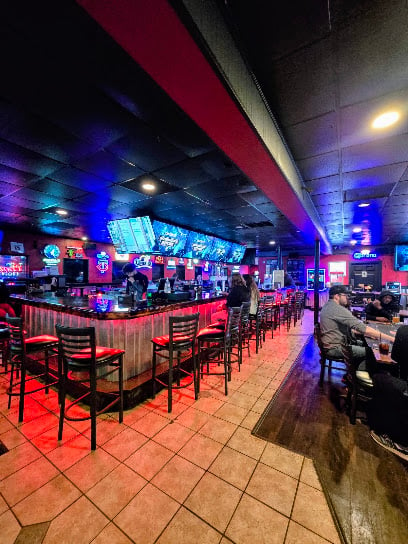
Expat bars and hotel lounges in central Chengdu attract a mixed international crowd. While not explicitly LGBTQ+ venues, they offer more anonymity and a cosmopolitan atmosphere than typical Chinese establishments. A couple can sit together without drawing undue attention. These are not specific meeting places for LGBTQ+ individuals but rather places where diverse clientele are present.
Some travelers have made discreet connections through expat forums or existing social networks prior to travel. This requires caution and careful vetting. Avoid sharing personal details or photos with strangers online.
Chengdu Research Base of Giant Panda Breeding is the city's most famous attraction. Visitors can observe pandas in a natural setting and learn about conservation efforts.
Kuanzhai Xiangzi (Wide and Narrow Alleys) is a restored historic neighborhood with traditional architecture, tea houses, restaurants, and shops. It is touristy but atmospheric.
Jinli Street is a reconstructed ancient marketplace selling souvenirs, street food, and local crafts. Its crowded and touristy nature can provide a degree of anonymity.
Wenshu Monastery is a major Buddhist temple with gardens, courtyards, and a vegetarian restaurant. Respectful dress and behavior are expected.
Chengdu Cuisine, particularly Sichuan food, is renowned for its bold flavors. The city offers a wide range of dining options, from street stalls to upscale restaurants.
Dujiangyan Irrigation System, located about an hour from Chengdu, is an ancient engineering marvel offering hiking and scenic views.
Sanxingdui Museum displays ancient artifacts from a pre-Shang civilization, providing a different historical perspective.
Mainstream nightlife includes karaoke bars (KTV), nightclubs, and bar streets. These are not segregated by sexuality. A mixed group can blend in, but same-sex couples should be cautious in dimly lit spaces. Some international hotel bars offer a more comfortable environment due to their international clientele and staff.
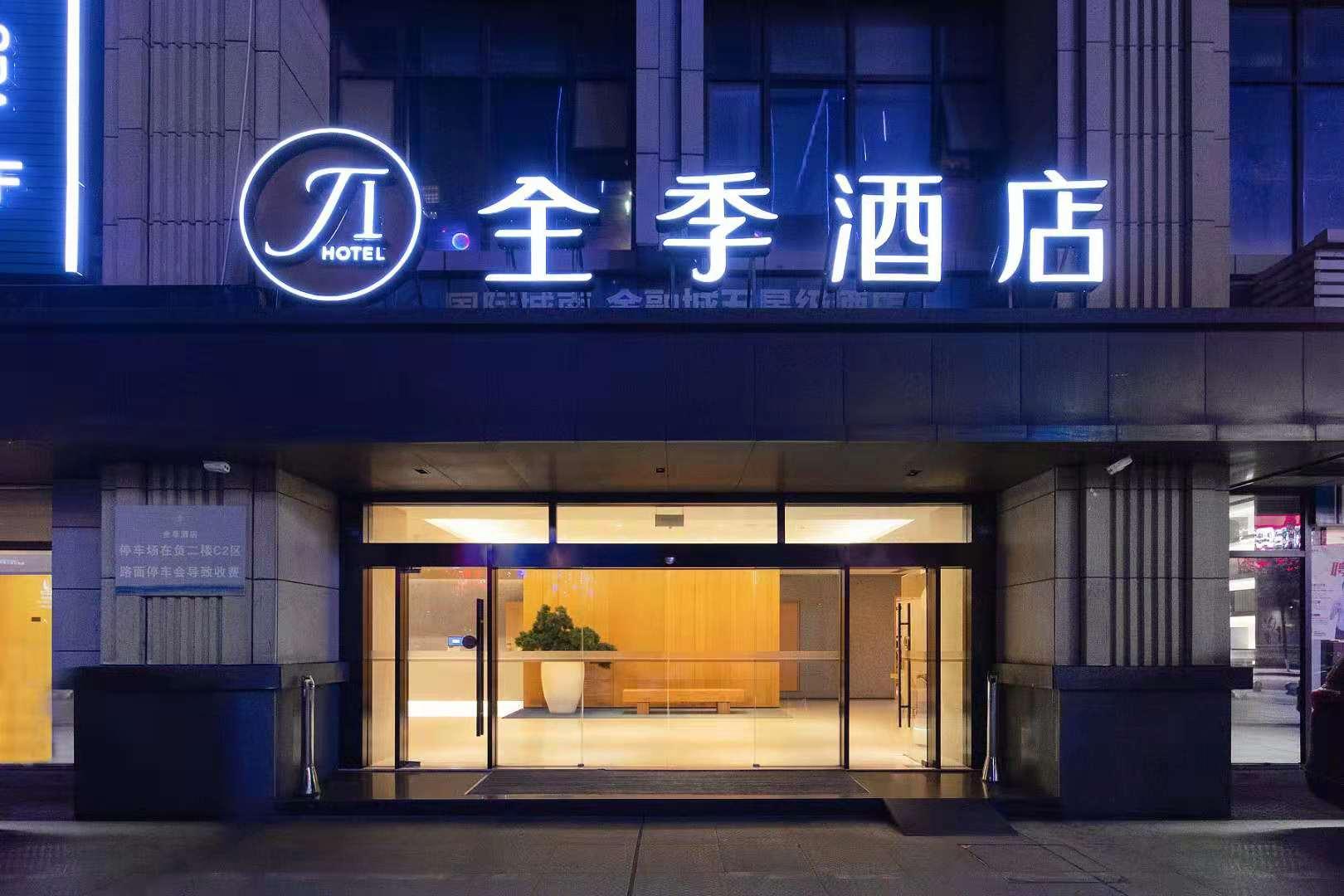
International hotel chains such as Marriott, Hilton, and InterContinental have multiple properties in Chengdu and are the safest choice. Staff are professional, bookings are confidential, and same-sex couples are treated as any other guests.
Boutique international hotels also cater to tourists and are generally reliable.
Most hostels in Chengdu accept same-sex couples in private rooms, especially those in central, touristy areas. Dorm rooms are typically gender-segregated, but private double rooms are available. Inquire about room configurations before booking.
Chinese guesthouses and budget hotels may question same-sex bookings or require separate rooms. Booking through online platforms like Booking.com or Agoda may help ensure consistent policy enforcement compared to calling ahead or checking in in person.
Airbnb can be an option, but carefully read reviews. Some hosts are accommodating to same-sex couples, while others may cancel or deny service, with no legal recourse.
Travelers who are willing to remain discreet during their stay are best suited for Chengdu. Couples in stable relationships who can navigate the experience together without stress will find the city offers rich cultural experiences. Visitors interested in Chinese culture, food, history, and nature can compartmentalize their LGBTQ+ identity. Experienced travelers comfortable in restrictive countries may also find Chengdu manageable. Short-term visits of a few days with realistic expectations are also suitable.


 Freundliche Schwule Bars & Clubs