










In this guide · 14 sections
- The Gay Scene
- Best Time to Visit
- Bars & Clubs
- Hotels
- Events
- Getting Around
- Practical Info
- FAQ
- Where is the gay neighborhood in Minneapolis?
- When is Twin Cities Pride?
- Is Minneapolis worth visiting in winter?
- How LGBTQ+-friendly is Minneapolis?
- What is the best base for visiting the Minneapolis gay scene?
- Related Guides
The Gay Scene
Minneapolis doesn't have a traditional gay neighborhood like other US cities. No single street or district packs everything together. Instead, the LGBTQ+ community is spread out, across several neighborhoods. The heaviest concentration of bars runs along the Hennepin and Lyndale Avenue corridor in Uptown and the adjacent Loring Park. People joke that Minneapolis' "gayborhood" is everywhere and nowhere at once. That's about right.
Loring Park, just west of downtown, has historically been the closest Minneapolis gets to a gay neighborhood. Several of the city's longest-running gay bars are within a few blocks of the park. The area has an LGBTQ+-friendly reputation going back decades. But the gay population isn't concentrated there like it is in Capitol Hill in Seattle or Boystown in Chicago. It's mixed into the general fabric of a dense urban neighborhood.
The Hennepin and Lyndale corridor, extending south from downtown through Uptown, has more of the bar scene. These aren't exclusively gay streets — they're busy commercial corridors where gay bars sit alongside straight bars, restaurants, and shops. That's just how Minneapolis nightlife works. The integration runs both ways: the bars here aren't uncomfortable for straight visitors, and a gay traveler walking through Uptown at night won't feel like they're in foreign territory.
Minnesota's progressive politics extend to its LGBTQ+ community. Same-sex marriage was legalized here in 2013, before the federal decision. The city council and state legislature consistently support LGBTQ+ rights. Public acceptance of openly gay and transgender people is high compared to US averages, especially in Minneapolis itself, which skews considerably more progressive than the state.
Best Time to Visit
Cold winters shape everything about this city's culture, including the gay scene. Minneapolis isn't a place where outdoor cafés drive nightlife. For about five months of the year, from November through March, outdoor activity is limited by temperatures that regularly drop below zero Fahrenheit. This means indoor venues are where the community gathers. Bars here are built for sustained winter occupation in a way sunbelt cities aren't: warm, social, designed for long stays, not quick drinks.
If you want to visit when the city is most outdoor-friendly, June through August is the window. Minneapolis summers are genuinely pleasant — warm, not humid, with long daylight hours (sunset around 9pm in June). Outdoor bar patios come alive, the lakes fill with activity, and the city's mood shifts noticeably. Twin Cities Pride runs in late June. It's the obvious anchor event for an LGBTQ+ visit.
Fall (September and October) is beautiful, cool, and not yet frozen. A good time to visit if you want the city without summer crowds or summer hotel prices.
Winter visits are entirely possible. Locals will tell you they're underrated. You'll need the right clothing and mindset. The bars are warm, the skyway system keeps you connected between buildings downtown, and the city doesn't empty out just because it's cold. But arrive prepared.

Bars & Clubs
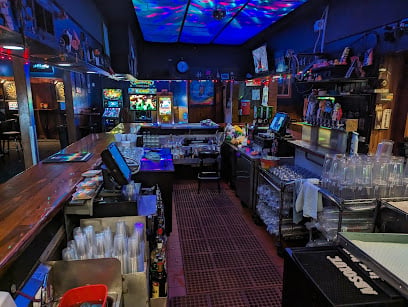
Minneapolis has a solid bar scene for a city its size. It's not a party city on the Miami or New York scale, but it has depth: long-running institutions with loyal local followings, drag venues with real talent, a few leather and bear options, and the kind of neighborhood bar culture that comes from a community that's been here a long time.
The city's indoor social culture makes bars more central than they'd be in a warm-weather city. In summer, patios and lake culture compete for people's time. In winter, the bar is where you go. Venues here tend to be stickier — people stay longer. There's more mixing between regulars and visitors than you might find in a more surface-level nightlife city.
- LUSH Lounge & Theater — Queer-owned bar and restaurant in Northeast Minneapolis. Full kitchen, diverse queer crowd. It's the NE Minneapolis arts and creative community's favorite LGBTQ+ gathering place.
- The Gay 90's — Minneapolis's legendary gay complex since 1983. Cabaret theatre, multiple bars, drag shows, dance floors. Four decades of LGBTQ+ history on Hennepin Avenue. An irreplaceable centerpiece of Minneapolis nightlife.
- The 19 Bar — Minneapolis's oldest continuously operating gay bar. A Loring Park dive since 1952. Unpretentious, neighborhood-oriented. An irreplaceable piece of Minneapolis LGBTQ+ history.
- The Saloon — Long-running downtown gay bar on Hennepin Avenue. Dance floor, DJs, weekly themed nights. A consistent presence in Minneapolis's gay scene since the 1980s.
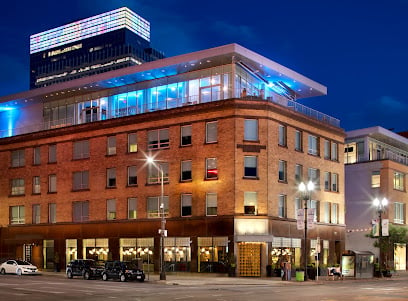
- The Hewing Hotel — Design boutique hotel in Minneapolis's North Loop neighborhood. Converted warehouse, rooftop sauna and hot tub, gay-welcoming culture. A prime location for downtown nightlife and the Gay 90's.
- Twin Cities Pride 2026 — 27 June 2026 to 28 June 2026
- Minnesota Fringe Festival 2026 — 6 August 2026 to 16 August 2026
- Twin Cities Pride (Minneapolis) — Date TBA
- Twin Cities Pride 2027 — 26 June 2027 to 27 June 2027
- Twin Cities Pride 2028 — 24 June 2028 to 25 June 2028
- Cold weather: If you visit November through March, dress in proper layers. A down jacket, wool hat, and insulated boots aren't optional when temperatures drop below zero. Wind chill on exposed skin at -20°F causes frostbite quickly. Locals aren't exaggerating about the cold.
- Skyway system: Downtown Minneapolis has an enclosed second-floor walkway network connecting most major buildings. It doesn't cover the neighborhoods where the bars are, but it helps for getting around downtown in winter.
- Cost: Minneapolis is moderately priced by US city standards. Drinks in bars run $8-12. The city is cheaper than Chicago or New York for comparable accommodations.
- Lakes: Minneapolis has dozens of lakes within the city limits. The Chain of Lakes (Bde Maka Ska, Lake of the Isles, Lake Harriet) is the main summer recreation area and attracts a strongly LGBTQ+-friendly crowd. Worth visiting if you're here in summer.
- Safety: The LGBTQ+-heavy areas of Uptown and Loring Park are safe. Downtown Minneapolis has had some public safety issues in recent years; use standard city awareness and you'll be fine.
- Minnesota Nice: This regional cultural phenomenon means people are polite, indirect, and won't confront you even if something's wrong. For visitors, this reads as genuinely welcoming. For longer stays, the indirect communication style can be confusing. Either way, people are friendly.
For the full breakdown, see the Minneapolis gay bars guide.
Hotels
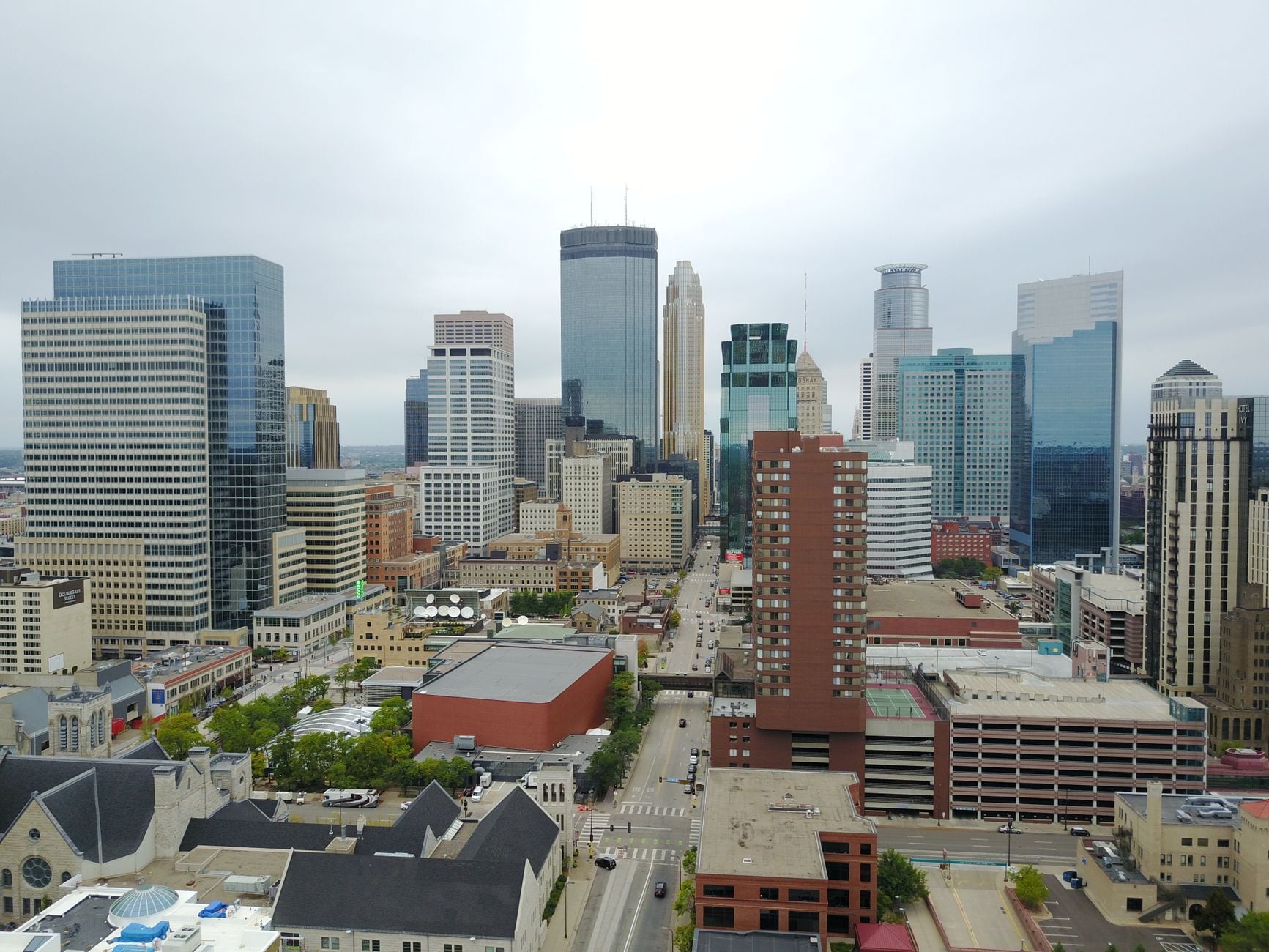
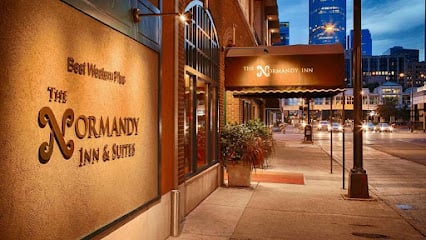
Downtown Minneapolis is a functional base for visiting the gay scene. Most bars are 10 to 20 minutes on foot or a short Uber from the main hotel cluster. Uptown, further south, puts you closer to the Hennepin/Lyndale bar corridor but has less hotel inventory. Downtown is the practical choice for most visitors.
The Minneapolis skyway system — an enclosed network of second-floor walkways connecting most downtown buildings — means that in winter you can move between hotels, restaurants, the convention center, and entertainment venues without putting on a coat. This is more useful than it sounds when it's minus fifteen outside.
For the full breakdown, see the Minneapolis gay hotels guide.
Events
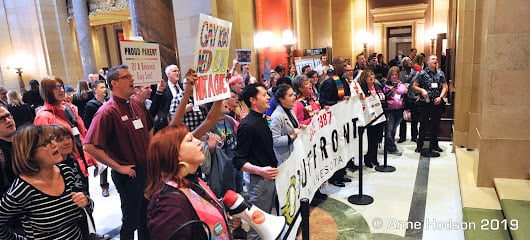
Twin Cities Pride runs in late June. It's one of the larger Pride events in the Midwest. The parade goes down Hennepin Avenue. The festival takes place at Loring Park, which connects both geographically and symbolically to the neighborhood's gay history. The event draws upwards of 400,000 people over the festival weekend. Book accommodation several months ahead for Pride weekend.
Minneapolis also has a Midwest Leather event that typically runs in winter. Camp Lunacy is an annual LGBTQ+ camping event in summer. Various community events run year-round through organizations like OutFront Minnesota and the different LGBTQ+ community centers.
Getting Around
Minneapolis has a light rail system (the Green Line connects downtown to St. Paul; the Blue Line goes to the airport and Mall of America) and a reasonable bus network. For the gay scene, light rail and bus are useful for getting downtown or to major event venues, but the Hennepin/Lyndale corridor in Uptown is easier to reach by Uber or bike.
Minneapolis has an extensive dedicated bike lane network and a bike-share program (Nice Ride, now part of Lyft Bikes). In summer, biking between downtown, Uptown, and the lakes is genuinely pleasant and faster than driving for short distances. In winter, a small but committed population of locals still bikes, but visitors aren't expected to.
Minneapolis-Saint Paul International Airport (MSP) is about 15 minutes from downtown by Blue Line light rail. The airport is well-connected. Hub status means fares are competitive.

Practical Info
FAQ

Where is the gay neighborhood in Minneapolis?
Minneapolis doesn't have a single concentrated gay neighborhood. The scene is spread across several areas. Loring Park (just west of downtown) and the Hennepin/Lyndale corridor in Uptown have the highest concentration of gay bars and LGBTQ+-friendly venues. The community is integrated throughout several neighborhoods rather than clustered in one district.
When is Twin Cities Pride?
Twin Cities Pride runs in late June. The parade goes down Hennepin Avenue and the main festival takes place at Loring Park. It's one of the larger Pride events in the Midwest, drawing over 400,000 people. Book accommodation several months in advance if you're planning to attend.

Is Minneapolis worth visiting in winter?
Yes, if you come prepared for the cold. Minneapolis winters are severe — temperatures regularly drop below zero Fahrenheit. The bar scene is active year-round (the cold drives people indoors), hotel prices are lower, and the city doesn't shut down. You'll need proper cold-weather clothing. The skyway system in downtown lets you move between buildings without going outside.
How LGBTQ+-friendly is Minneapolis?
Very. Minneapolis is one of the more progressive US cities. Minnesota was an early state to legalize same-sex marriage (2013). Public acceptance of openly LGBTQ+ people is high. The city has strong anti-discrimination protections and a visible, politically engaged LGBTQ+ community.

What is the best base for visiting the Minneapolis gay scene?
Downtown Minneapolis has the most hotel options and is within a short Uber ride of the main bar areas. Uptown puts you closer to the Hennepin/Lyndale bar corridor but has limited hotel inventory. For most visitors, downtown is the practical choice.
Related Guides

