
Gay New York City: The Birthplace of Pride, the Heart of the Movement
There is no city in the world whose relationship to LGBTQ+ history is what New York City's is. The Stonewall Inn at 53 Christopher Street in Greenwich Village is not merely a famous gay bar — it is the site of an uprising that changed the world. On the night of 28 June 1969, police raided the bar in the routine way that New York police harassed gay establishments, and for the first time the patrons fought back. The Stonewall riots lasted several nights. The movement they catalysed has lasted fifty-seven years and counting: Pride marches in every major city on earth, legal recognition in dozens of countries, and the slow, incomplete but real transformation of the social position of LGBTQ+ people in Western societies. All of it traces back to this bar, on this street, in this city.
That history is not merely commemorative in New York. It is present. You can stand on the pavement outside the Stonewall Inn — now a National Monument, the only US federal monument dedicated to LGBTQ+ rights — and understand exactly why this place matters. The neighbourhood around it, the West Village, still contains Julius' Bar, the oldest gay bar in the country, operating since the 1860s. The LGBT Community Center on West 13th Street, founded in 1983, is four blocks away. — founded in a Greenwich Village apartment in 1982 by Larry Kramer and friends watching their community die with no government response — is still operating, still serving thousands of people living with HIV every year. The infrastructure of an extraordinary community-building effort remains visible and active.
The Neighbourhoods
Hell's Kitchen is where Manhattan's gay nightlife is concentrated today. The stretch of 9th and 10th Avenues between roughly 42nd and 57th Street has accumulated the city's highest density of gay bars, and it works because it is a real neighbourhood — inhabited by restaurant workers, theatre people, and long-term residents who use these bars as genuine community spaces rather than tourist destinations. Industry Bar at 355 West 52nd Street is the largest gay bar in the city, running drag shows, themed nights, and go-go events nightly. Therapy NYC programs Broadway performers and cabaret artists in a proper show bar format. Boxers NYC — Hell's Kitchen brings the sports bar ethos to the gay scene with sincerity. Hardware Bar and Reliable Tavern serve the function that neighbourhood bars are supposed to serve — they are there, they are cheap, they are welcoming, and they are not trying to be anything other than themselves.
Greenwich Village and the West Village carry more LGBTQ+ history per square metre than any comparable area on earth. The Stonewall Inn Stonewall Inn, Julius' Bar on West 10th, The Monster on Grove Street with its beloved piano bar and basement dance floor, and on West 13th are all within a ten-minute walk of each other. The neighbourhood is expensive — it has been expensive since the 1980s — and it is no longer the centre of nightlife activity in the way it was in the 1970s. But its symbolic weight is undimmed. Sheridan Square, the small park adjacent to the Stonewall, is the physical endpoint of every NYC Pride March. For visitors who want to understand where LGBTQ+ history was made, this is the geography.
Chelsea — particularly the 8th Avenue strip — was the epicentre of Manhattan's gay scene in the 1990s and early 2000s. The Eagle NYC at 554 West 28th Street has been the city's flagship leather bar since 1970 and remains the most serious fetish venue in Manhattan. The High Line, whose transformation from derelict elevated railway into a public park is partly attributable to the gay community that had long used it as a gathering space, runs through the neighbourhood. Rebar Chelsea maintains the neighbourhood bar tradition on 8th Avenue.
Brooklyn — particularly Bushwick and Williamsburg — has become the alternative to Manhattan's gay scene for a younger, more gender-diverse, more politically-oriented LGBTQ+ population. Lower prices, warehouse party culture, and a queer scene that is explicitly inclusive across gender and sexuality rather than primarily gay-male-oriented. Metropolitan Bar in Williamsburg is the neighbourhood anchor; a rotating calendar of queer parties in loft and warehouse spaces provides the nightlife.
Nightlife: Bars, Leather, and the Piano Bar Tradition
New York's gay nightlife operates across a wider range of formats than most cities. At the organised-entertainment end: Industry Bar, with its drag productions, themed nights, and go-go dancers, and Therapy NYC, where Broadway performers hold cabaret residencies. At the leather end: The Eagle NYC, where the dress code is enforced and the darkroom is an actual part of the architecture. At the neighbourhood bar end: Julius' Bar, Hardware Bar, and Reliable Tavern, which exist to provide a place where gay people can drink together without spectacle.
The piano bar tradition — gay men gathering around a piano, singing together — has its most distinguished surviving examples in New York. The Monster on Grove Street runs piano bar every night upstairs; Julius' Bar has its own version of the same social ritual in a space that has been facilitating it since the Eisenhower administration. This is an old tradition and a specifically New York one; it is worth experiencing.
For the leather and fetish dimension, The Eagle NYC is the primary venue, with Woof Wednesdays for the bear community and leather nights on weekends. The Black Party in March — see Mega Events below — is the world's largest leather circuit event and draws 10,000 people to Manhattan every year.
Accommodation
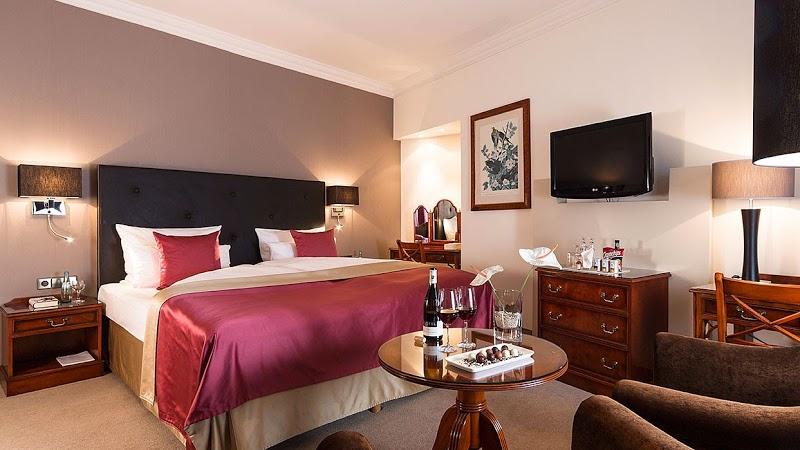
The OUT NYC Hotel at 510 West 42nd Street is New York's only explicitly gay hotel — a boutique property in Hell's Kitchen with a rooftop pool, an in-house gay bar, and staff drawn from the LGBTQ+ community. It is the natural base for visitors who want their accommodation to be part of the experience. The Standard, High Line in the Meatpacking District is not a gay hotel but is emphatically gay-friendly, positioned between the West Village's historic bars and the Chelsea scene, with a design and social culture that suits LGBTQ+ visitors.
Culture and History
Beyond the bars, New York's LGBTQ+ cultural infrastructure is extraordinary. on West 13th Street is the largest LGBT community centre in the United States — founded in 1983, hosting over 200 groups and organisations, providing social services from HIV support to legal aid, and functioning as the civic heart of the community. ACT UP, the organisation whose street protests in the late 1980s accelerated the federal AIDS response and changed the politics of the epidemic, was founded here in 1987. on West 38th Street is America's first AIDS service organisation, founded in 1982, still serving over 8,000 people per year.
The Harvey Milk statue on the Castro — New York has no equivalent monument, but the Stonewall National Monument includes interpretive materials and public programming. The New York Public Library's LGBT collections are among the most significant in the world. The Bureau of General Services — Queer Division on Hester Street in the Lower East Side — successor to the legendary Oscar Wilde Bookshop — stocks queer literature, hosts readings and exhibitions, and maintains the tradition of the queer bookshop as community space.
Pride and Mega Events
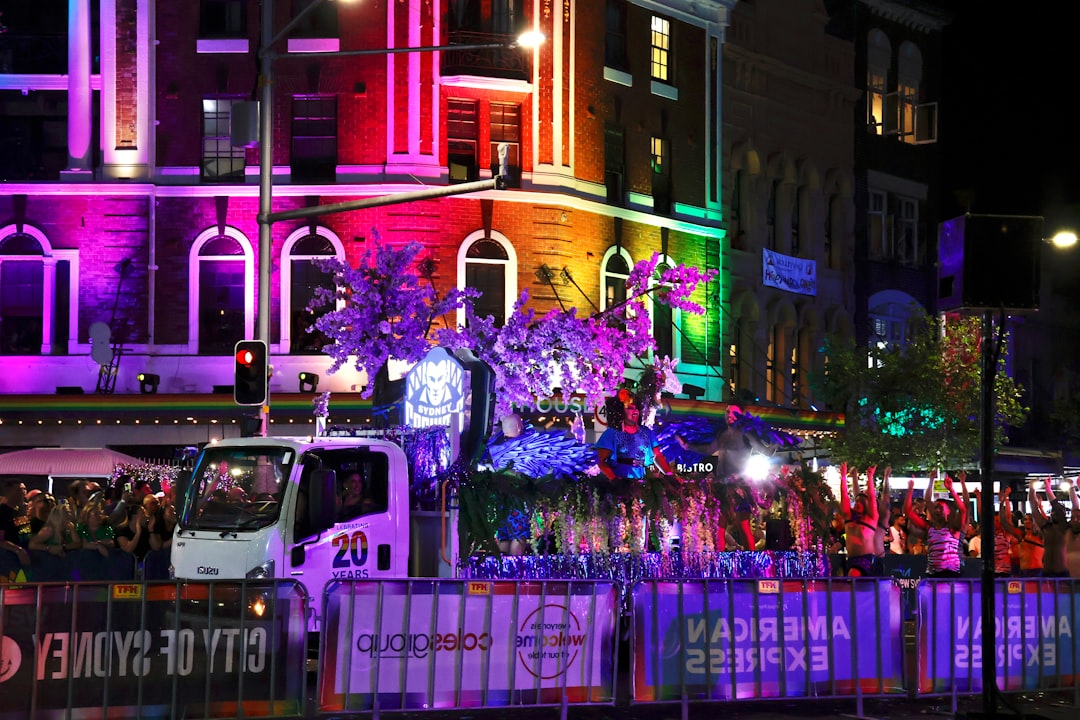
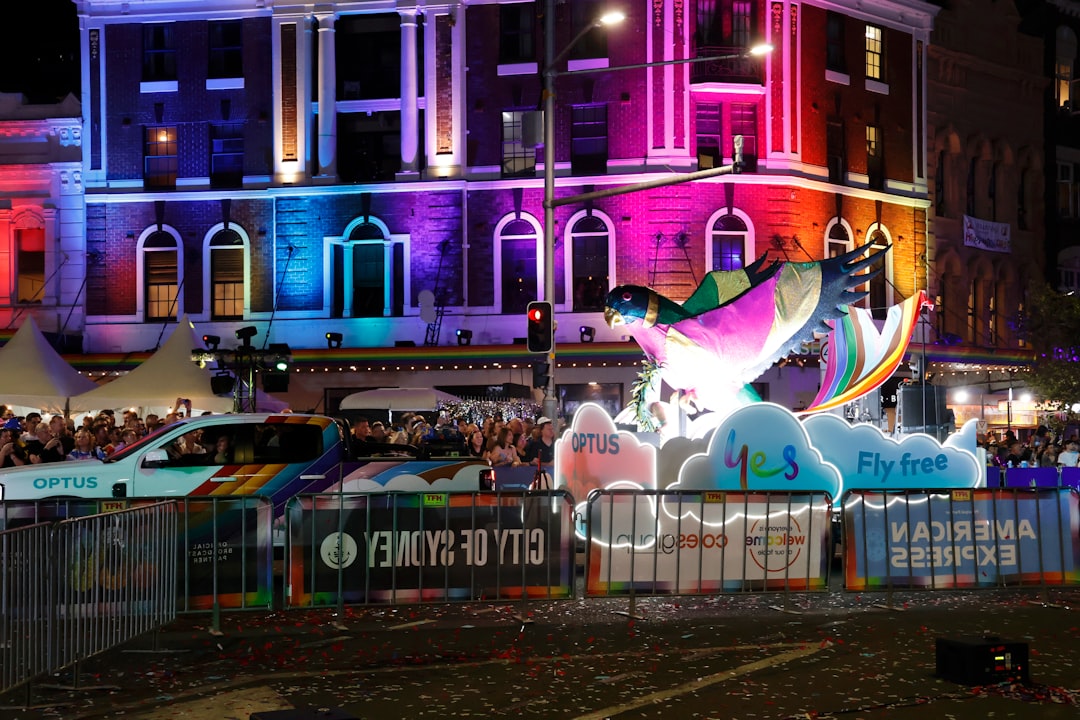
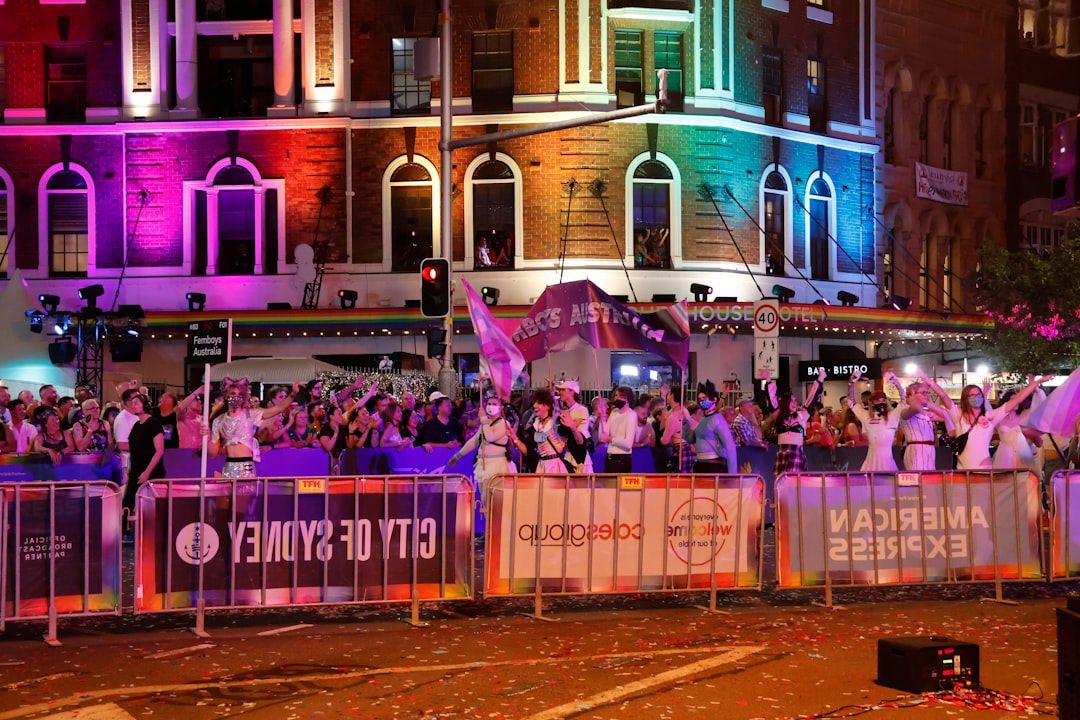
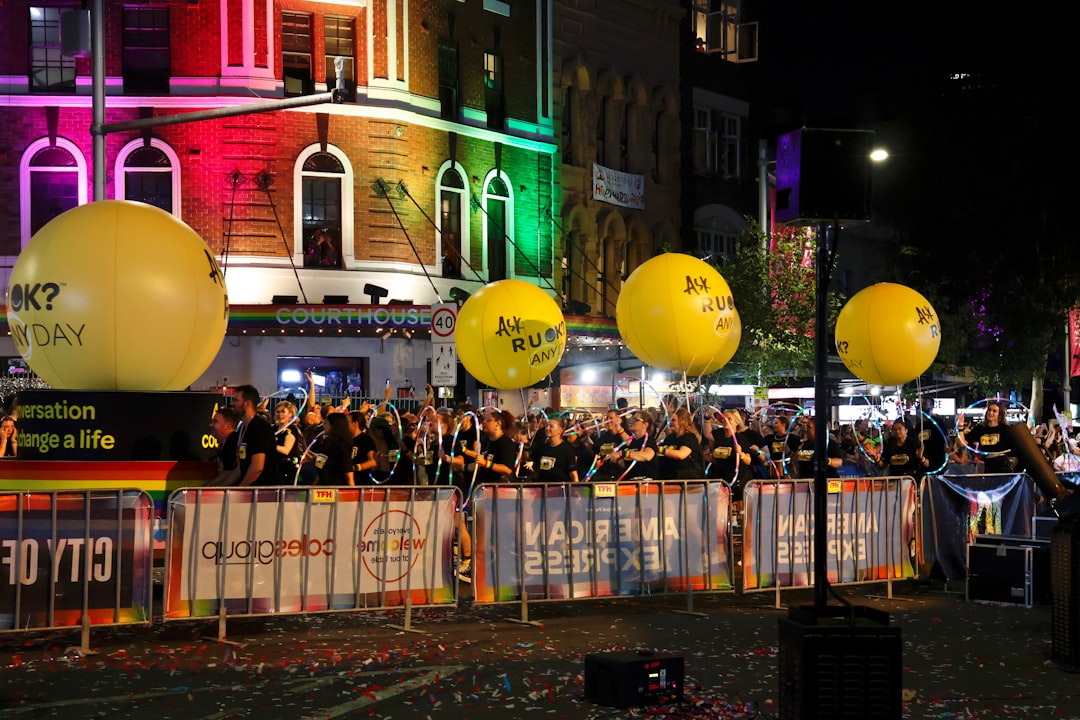
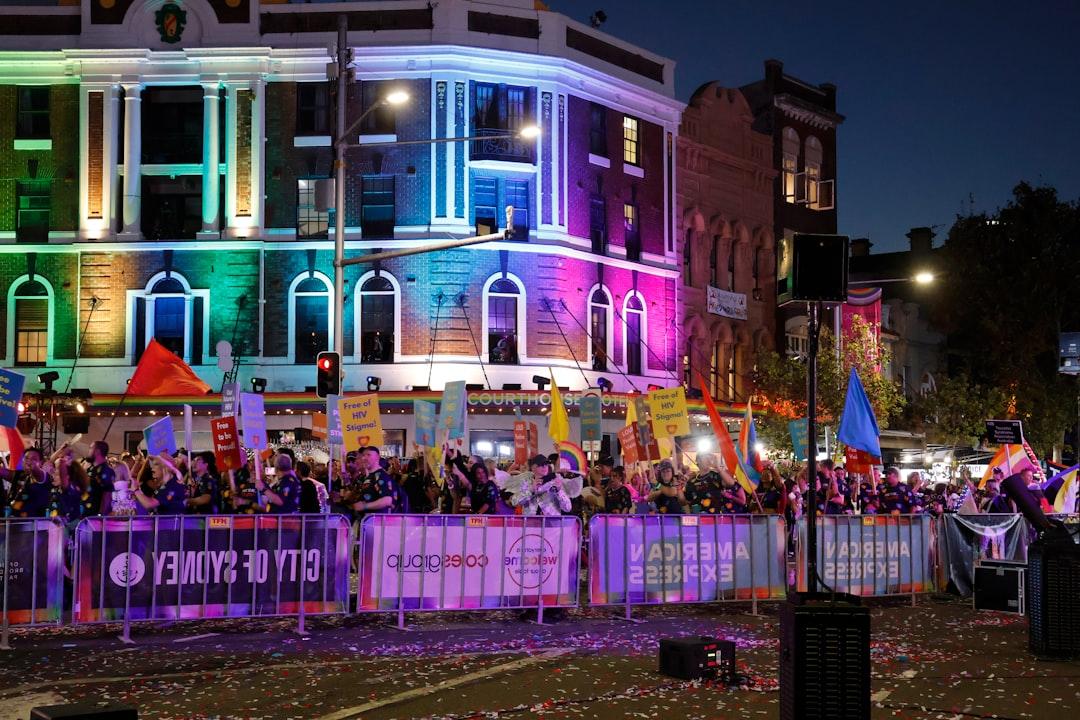
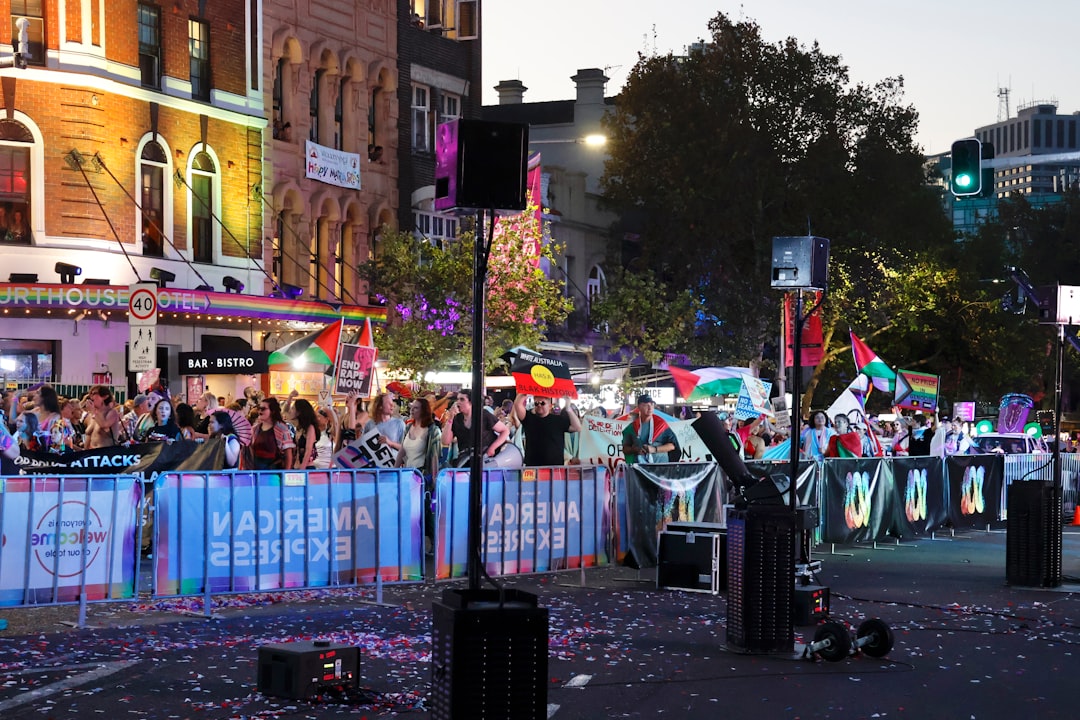
NYC Pride — Heritage of Pride — is the world's largest Pride event. The march on the last Sunday of June draws over two million participants and spectators along a route from 26th Street and Fifth Avenue, south and west through the city, to Christopher Street and the Stonewall Inn. No other Pride march on earth ends at its own origin point. The preceding Pride Week includes the Dyke March (Saturday before the main march), Trans Day of Action (Friday), the Spirit of Stonewall Rally, PrideFest street fair on Hudson Street, and over 200 community events across all five boroughs. Pride Weekend 2025 hosted World Pride — the international rotating event — marking 56 years since Stonewall with an estimated five million visitors to the city over Pride week.
For 2026, the march is on June 28 — the precise anniversary of the 1969 uprising. This is the date to be in New York if LGBTQ+ history matters to you.
The Black Party in March is the world's largest leather and fetish circuit event — running since 1981, drawing 10,000 people to a Manhattan venue overnight, with dress code enforced and the full leather community in attendance.
Fire Island deserves mention even though it is not a single event. The Fire Island Pines and Cherry Grove communities, an hour from Midtown by ferry and Long Island Rail Road, are the longest-running gay resort communities in America — functioning from roughly Memorial Day (late May) to Labor Day (early September), with a density of gay visitors in summer that makes it the most overtly gay geography in the country outside of the bars of Manhattan. The Meat Rack — the wooded area between Pines and Cherry Grove — is one of the most famous outdoor cruising areas in the world. The Pines has a full infrastructure of bars, restaurants, and guest houses; Cherry Grove is smaller and historically more mixed-gender. The ferry from Bay Shore on Long Island is the standard route.
Practical Information
Getting around: The New York City subway is the primary transport method. The 1/2/3 trains serve the West Village (Christopher Street station) and Hell's Kitchen (50th Street). The A/C/E serve 42nd Street–Port Authority for the OUT NYC Hotel and the centre of Hell's Kitchen. The 1 train serves 28th Street for the Eagle and Flex Spa. Walking between Greenwich Village, Chelsea, and Hell's Kitchen is entirely practical — the distances are modest and the route takes you through the neighbourhood.
Costs: New York is expensive. Bar drinks run $15–20 for cocktails; $10–14 for beer. Hotel rooms in Manhattan run $250–500 per night at the mid-range level. Pride weekend accommodation prices double or triple; book six months in advance. The subway costs $2.90 per ride; unlimited weekly MetroCards are available.
Best time to visit: June for Pride (essential if you can manage it). May and September for good weather without peak prices. The city operates year-round and has no off-season for LGBTQ+ visitors; the bars are full and the culture is active in every month.
Safety: Manhattan's gay neighbourhoods — Greenwich Village, Chelsea, Hell's Kitchen — are among the safest urban areas in the city. Hate crimes targeting LGBTQ+ people do occur in New York, as they do everywhere, but the density of visible LGBTQ+ presence in these neighbourhoods provides a practical social safety in numbers. The usual urban precautions apply; the specific queer risk is low.
In Summary
New York City gave the world the modern LGBTQ+ rights movement and has spent the fifty-seven years since Stonewall building the most extensive LGBTQ+ urban infrastructure in existence. The Stonewall Inn is still open. Julius' Bar is still pouring drinks in the same building where the Sip-In happened in 1966. The Center is still providing services. GMHC is still operating. The Eagle is still enforcing its dress code. Industry Bar is still running drag shows to a packed house in Hell's Kitchen. The piano is still being played at The Monster on Grove Street. The history is alive here in a way that no other city on earth can claim.