כל מה שכדאי לדעת לפני הנסיעה.
קוסטה דה קאפאריקה מציעה גישה ייחודית לתיירות להט"ב בפורטוגל. בעוד שליסבון היא המרכז לחיי הלילה הגאים, קאפאריקה מציעה חוויית קהילה חופית שבה מטיילי להט"ב יכולים ליהנות מפנאי לצד הים מבלי להסתמך על מקומות בילוי גאים ייעודיים. התמקדות זו בפנאי קהילתי בחוץ תואמת את מגמות הנסיעות המתפתחות של להט"ב באירופה.
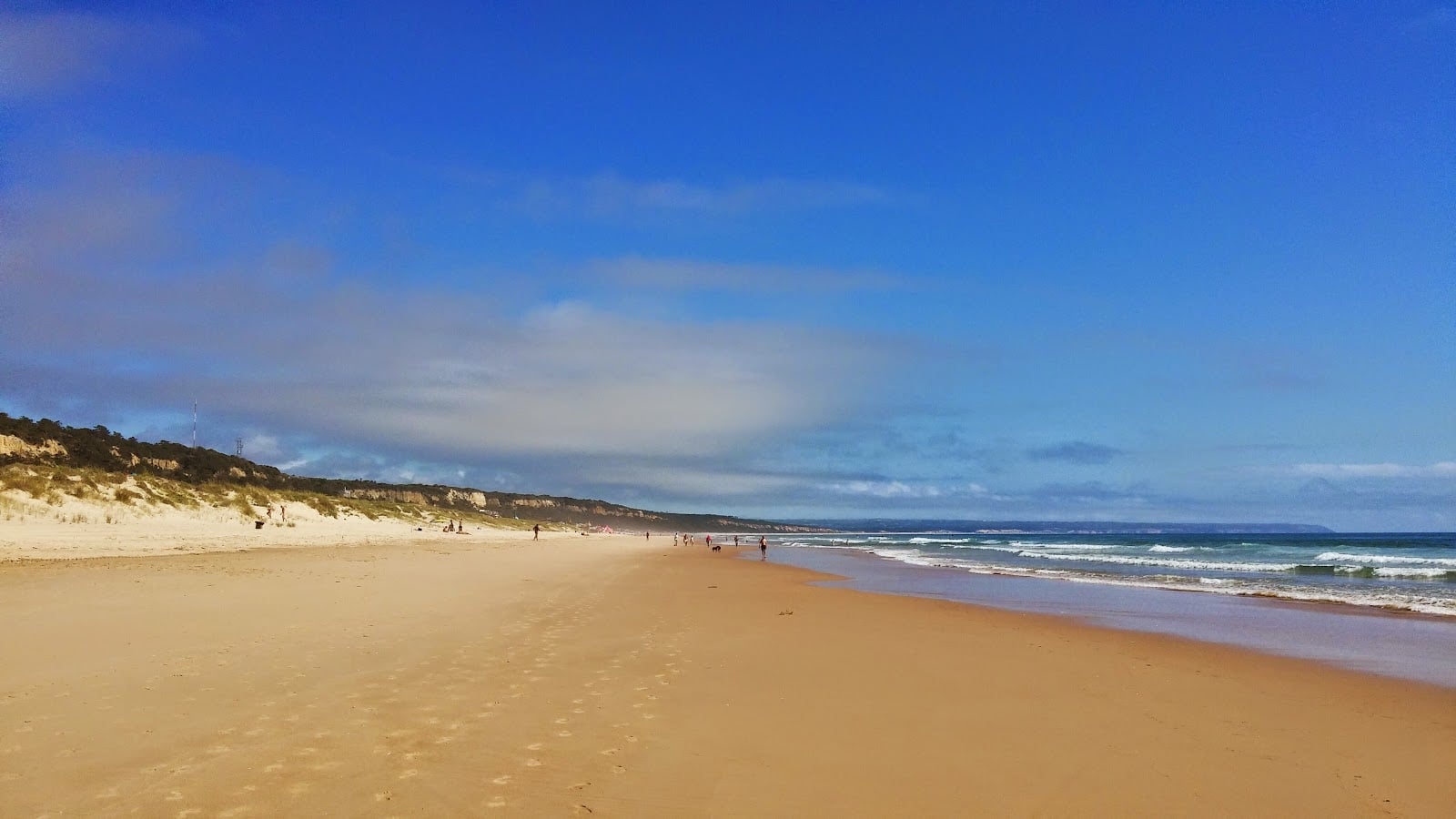
הלב החברתי של העיירה הוא ה-Marginal שלה, טיילת חוף הנמתחת דרומה מהמרכז. אזור זה מארח את רוב הפעילות של המבקרים, עם מסעדות ומועדוני חוף רבים. החופים עצמם משתנים; החלקים הצפוניים ליד העיירה מיועדים למשפחות ולתיירות מיינסטרים. דרומה יותר, האווירה הופכת רגועה יותר, עם אזורים גוברים של לבוש אופציונלי. Praia 19 הוא נקודת מפגש ידועה למבקרי חוף להט"ב, המסומנת בשלטים לאורך ה-Marginal. חופים דרומית ל-Praia 19, כמו Praia 18 ו-17, שקטים יותר ומתאימים יותר לרחצה בעירום, עם קהילה קבועה, שרבים ממנה הם להט"ב, המטפחת סביבה של כבוד הדדי.
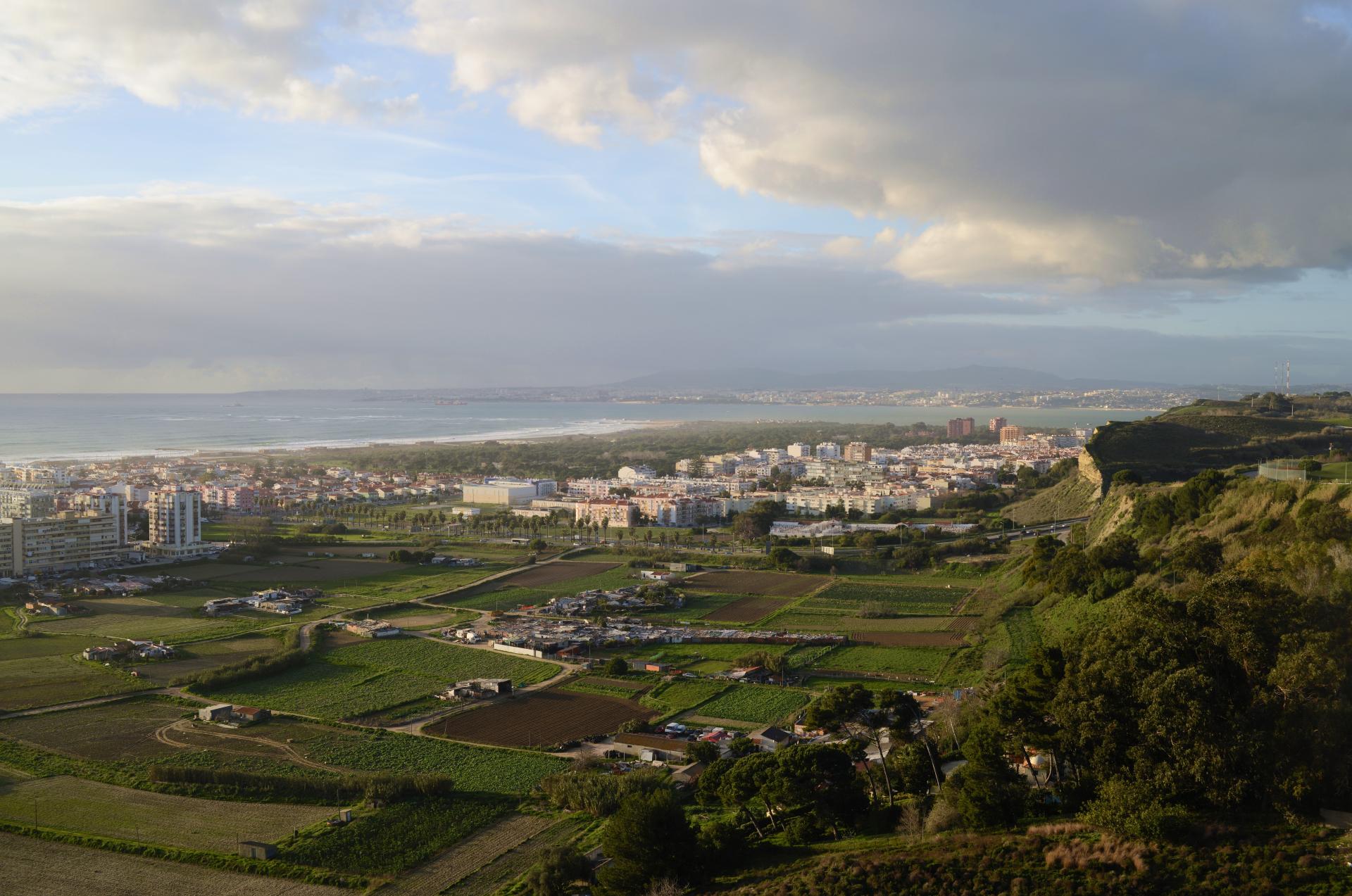
מעבר ל-Marginal, לעיירה יש אזורים מובחנים. המרכז ההיסטורי, בפנים הארץ, מציע כיכרות קטנות, חנויות מקומיות ומסעדות פורטוגזיות מסורתיות, המספקות הצצה לחיים המקומיים הרחק מרצועת החוף. ה-Marginal עצמו הוא אזור התיירות העיקרי, המציע לינה, אוכל ובידור. שכונות מגורים מתפשטות דרומה לאורך החוף, והופכות בהדרגה שקטות יותר.
מקומות בילוי ייעודיים ללהט"ב אינם רבים, מה שמשקף את אופי העיירה. עם זאת, כמה מועדוני חוף וברים לאורך ה-Marginal מוכרים כידידותיים ללהט"ב ופופולריים בקיץ. הפופולריות של מקומות ספציפיים יכולה להשתנות עונתית. מומלץ לשאול מקומיים להמלצות עדכניות; האירוח הפורטוגזי חם בדרך כלל, ואנגלית מדוברת באופן נרחב. במהלך עונת השיא של הקיץ (יולי-אוגוסט), אווירת החוף הופכת חגיגית יותר וגלויים יותר ללהט"ב, עם התכנסויות לא רשמיות המתרחשות לעיתים קרובות.
אירועי להט"ב מאורגנים בקוסטה דה קאפריקה פחות נרחבים מאשר בליסבון, אך הם נמצאים בפיתוח. לעיתים מתקיימים אירועים קטנים יותר הקשורים לגאווה ומפגשי להט"ב, במיוחד בקיץ, אם כי הם אינם מבוססים או מפורסמים ברמה בינלאומית כמו ליסבון פרייד (בדרך כלל ביוני). הקרבה לליסבון מאפשרת הגעה נוחה לאירועים מרכזיים שם, כאשר מבקרים רבים מתבססים בקאפריקה לטיולי יום.
אפשרויות הלינה נעות בין מלונות על חוף הים לפנסיונים ודירות. חלק מהמקומות מיועדים למטיילי להט"ב. מלונות על חוף הים מציעים קרבה לאזורים החברתיים המרכזיים, בעוד שאפשרויות פנימיות או שקטות יותר לאורך החוף מספקות שקט ושלווה. מבקרים רבים בוחרים לשכור דירות לשהיות ארוכות יותר, ליצירת תחושה יותר מגורים. המחירים בדרך כלל נוחים יותר מאשר בליסבון, במיוחד מחוץ לחודשי הקיץ העמוסים של יולי ואוגוסט.
הגעה לקוסטה דה קאפריקה מליסבון פשוטה. מעבורת מטרמינל Cacilhas בליסבון, ואחריה אוטובוס מקומי או מונית, אורכת כשעה. השכרת רכב מציעה גמישות לחקור את קו החוף והאזורים הסובבים. אוטובוסים מקומיים מחברים אזורים מרכזיים בתוך העיירה, שהיא גם ברובה ניתנת להליכה בזכות גודלה הקומפקטי.
פורטוגל מדורגת גבוה בזכויות להט"ב, ואזור ליסבון נחשב לאזור בטוח ומקבל. הצגת חיבה בפומבי בין זוגות מאותו המין מקובלת בדרך כלל. קהילת החוף מכילה באופן בולט. מומלץ לנקוט באמצעי בטיחות נסיעה סטנדרטיים, אך אין חששות בטיחות ספציפיים הקשורים ללהט"ב מעבר למודעות כללית.
המטבח המקומי שם דגש על פירות ים טריים ומנות פורטוגזיות מסורתיות. מסעדות לאורך ה-Marginal מציעות מגוון החל מבתי קפה קז'ואליים ועד לארוחות ערב רשמיות יותר. דגים בגריל, קטפלנה ופסטייז דה נאטה הם התמחויות מקומיות. המסעדות בדרך כלל מקבלות בברכה את כל הסועדים. המחירים מתונים ומציעים תמורה טובה.
אפשרויות לטיול יום כוללות את ליסבון (30 ק"מ צפונה), העיירה ההיסטורית סינטרה (כשעה נסיעה), ואת עיירות החוף קסקאיש ואסטוריל. הרי ארבידה נמצאים מדרום. מבקרים רבים משלבים רגיעה על החוף עם חקר תרבותי של האזור.
הסצנה החברתית ב-Costa da Caparica מתרכזת סביב פעילויות חוף ומפגשים ספונטניים, ולא סביב חיי לילה מובנים. קשרים נוצרים לעיתים קרובות דרך מפגשים יומיומיים והתכנסויות לא רשמיות. מבקרים חוזרים ותושבים ותיקים יוצרים קהילה ליבה, כאשר חדשים משתלבים דרך הדינמיקה החברתית של החוף. זה מושך מטיילים המחפשים חיבור אותנטי ורוגע. הסביבה נוחה למשפחות, זוגות ומטיילים יחידים.
הזמן הטוב ביותר לביקור הוא ממאי עד ספטמבר. יולי ואוגוסט מציעים את אווירת החוף בשיאה. מאי, יוני וספטמבר מספקים מזג אוויר חם יותר, תרבות חוף פעילה, ופחות קהל. חודשי החורף (נובמבר-מרץ) שקטים יותר עם טמפרטורות קרירות יותר, ומתאימים למי שמחפש זמן שליו על שפת הים או שילוב של ביקור בחוף עם חקר פנים הארץ.




 בארים ומועדונים לקהילה הגאה
מומלץ
(97)
בארים ומועדונים לקהילה הגאה
מומלץ
(97)