Wszystko, co warto wiedzieć przed wyjazdem.
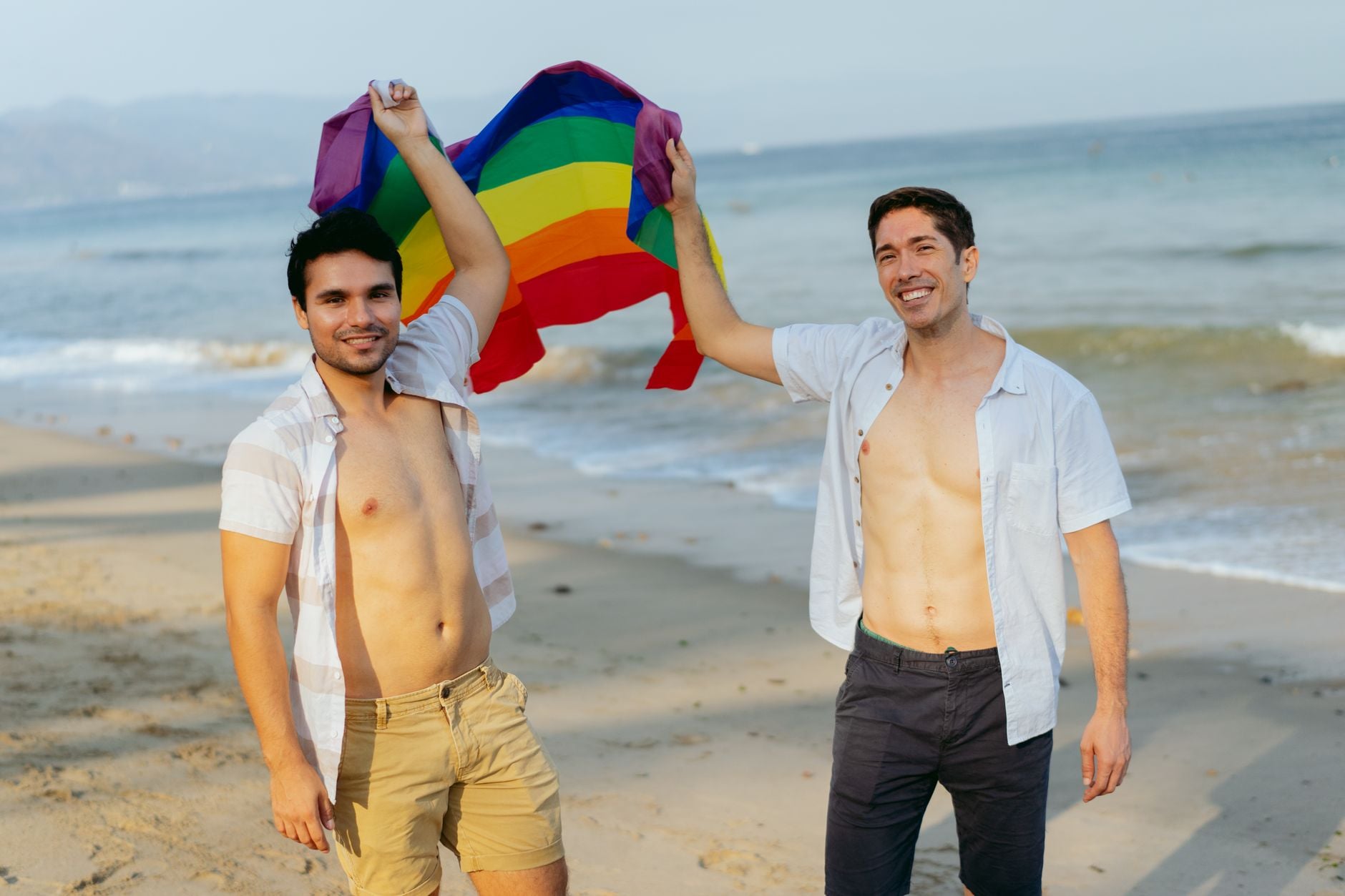
Scena LGBTQ+ Granady rozwijała się cicho, ale konsekwentnie. Hiszpania zalegalizowała małżeństwa osób tej samej płci w 2005 roku, i choć społeczność Granady rozwijała się wolniej niż w Madrycie czy Barcelonie, duża populacja studentów i zrelaksowana kultura społeczna Andaluzji sprawiły, że miasto stało się komfortowym, otwartym i przyjaznym miejscem dla osób LGBTQ+. Akceptacja jest dziś wpisana w tkankę miasta, a nie ograniczona do jednego obszaru.
Granada nie ma tradycyjnej "dzielnicy gejowskiej"; zamiast tego bary skupiają się w dzielnicy Centro. Największa koncentracja znajduje się na ulicach na północny zachód od Katedry – Calle Duquesa, Plaza de los Lobos, Calle Santa Paula i Calle Horno de Haza – z kilkoma kolejnymi lokalami w niewielkiej odległości na zachód, w rejonie Ronda. Wszystko jest na tyle blisko, że można przejść między miejscami w ciągu jednej nocy, co jest dokładnie tym, co robią miejscowi.
Życie nocne jest bardziej barowe niż klubowe. Six Colours i La Sal (oba w pobliżu Calle Santa Paula) to sprawdzone, mieszane bary dla gejów; ECLIPSE na Plaza de los Lobos i Pub TicTac na Calle Horno de Haza to łatwe pierwsze przystanki; La Marida na Calle Montalbán ma ciepłą, przyjazną lesbijkom atmosferę; a Mens Night Pub, w rejonie Ronda przy Calle Sol, to bar dla mężczyzn. Dla bardziej "cruiserowej", późno nocnej publiczności jest Septimocielo na Calle Duquesa, a także kino dla dorosłych Sala X. Granada nie ma sauny gejowskiej – słynne "baños árabes", takie jak Hammam Al Ándalus, to tradycyjne arabskie łaźnie, a nie miejsca dla gejów, więc nie spodziewajcie się tu sceny łaźniowej.
Orgullo Granada, Pride LGBTIQA+ prowincji, odbywa się pod koniec czerwca. W 2026 roku główna prowincjonalna parada wyruszy o 19:00 26 czerwca z Plaza del Triunfo na esplanadę Palacio de Congresos, a towarzyszyć jej będzie tydzień wydarzeń kulturalnych, społecznościowych i nocnych. Jest to celebracja skoncentrowana na społeczności, przyjazna rodzinom – mniejsza i znacznie mniej komercyjna niż te w Madrycie czy Barcelonie, co stanowi dużą część jej uroku.
Granada – noclegi dla każdego
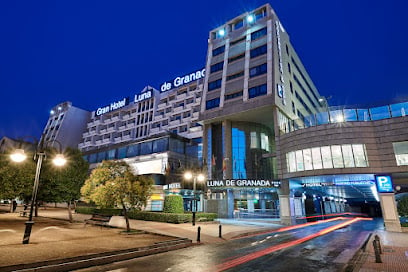
Noclegi znajdziesz na każdą kieszeń. Dzielnica Centro i okolice Katedry zapewnią Ci bliskość barów i tapasów. Albaicín, historyczna dzielnica mauretańska naprzeciwko Alhambry, oferuje klimatyczne pensjonaty i butikowe hotele (choć to raczej strefa mieszkalna i turystyczna, a nie rozrywkowa). Realejo, dawna dzielnica żydowska na południu, to urocza i coraz modniejsza baza wypadowa z dobrymi, niezależnymi barami i restauracjami.
Poruszanie się po mieście jest łatwe. Stare Miasto i centrum są zwarte i najlepiej zwiedzać je pieszo. Lokalne autobusy łączą dalsze rejony miasta, a na lotnisko dojedziesz autobusem lub taksówką w około 20 minut. Samochód nie jest konieczny w mieście, ale przyda się na jednodniowe wycieczki.
Granada to bezpieczne miejsce dla podróżujących LGBTQ+. Akceptacja na ulicach jest wysoka, a pary tej samej płci w centrum nikogo nie dziwią. Obowiązują standardowe środki ostrożności, ale specyficzne ryzyko dla odwiedzających LGBTQ+ jest minimalne.
Jedzenie to główna atrakcja. Granada to jedno z ostatnich hiszpańskich miast, gdzie do drinka nadal dostaniesz darmowego tapa, co sprawia, że odwiedzanie barów w centrum jest zarówno towarzyskie, jak i tanie. Wśród specjałów znajdziesz jamón, espinacas con garbanzos, remojón i świeże owoce morza. Ulice wokół Katedry i Calle Navas (najbardziej ruchliwa ulica z tapasami) pękają w szwach od lokali.
Jednodniowe wycieczki wynagrodzą wysiłek. Alhambra to punkt obowiązkowy, wymagający wcześniejszej rezerwacji. Sierra Nevada oferuje szlaki turystyczne i narciarstwo w sezonie. Nerja i Costa Tropical to dostęp do plaż, w tym do gejowskiej i naturystycznej zatoczki w Cantarriján koło La Herradura. Órgiva, artystyczne miasteczko w górach Alpujarras, ma znaczącą międzynarodową społeczność LGBTQ+.
Wiosna (marzec–maj) i jesień (wrzesień–listopad) to pory roku z najprzyjemniejszą pogodą; lata są gorące i suche, często powyżej 35°C, podczas gdy zimy są chłodne, z możliwością jazdy na nartach w pobliskich górach. Językiem urzędowym jest hiszpański; młodsi pracownicy sektora usług często mówią po angielsku, a znajomość kilku podstawowych zwrotów bardzo pomaga. Przede wszystkim jednak, Granada nagradza powolne tempo zwiedzania – to historyczne, progresywne miasto, w którym osoby LGBTQ+ są po prostu częścią tłumu.




 Gejowskie bary i kluby
(238)
Gejowskie bary i kluby
(238)