

São Paulo LGBTQ+ History: A 3-Day Group Itinerary
This three-day group itinerary covers São Paulo's LGBTQ+ history across República, Centro, Santa Cecília and Bela Vista. It pairs major institutions like MASP and Parque Ibirapuera with community landmarks such as Largo do Arouche and Casa 1.
Dzień 1
São Paulo · Dzień 1 — República / Centro
In República / Centro, the day moves from MASP's art collection to browsing Rua Augusta, starting at Galeria Ouro Fino.
MASP (Museu de Arte de São Paulo) — An iconic architectural landmark housing one of Latin America's most important art collections. (book ahead) · Browse Rua Augusta in Consolação / Jardins — start at Galeria Ouro Fino, Trashy Fame, Cotton Project
APOGLBT — Parada do Orgulho LGBT+ de São Paulo — Non-profit that has organised São Paulo's Pride Parade on Avenida Paulista since 1999, one of the largest Prides in the world.
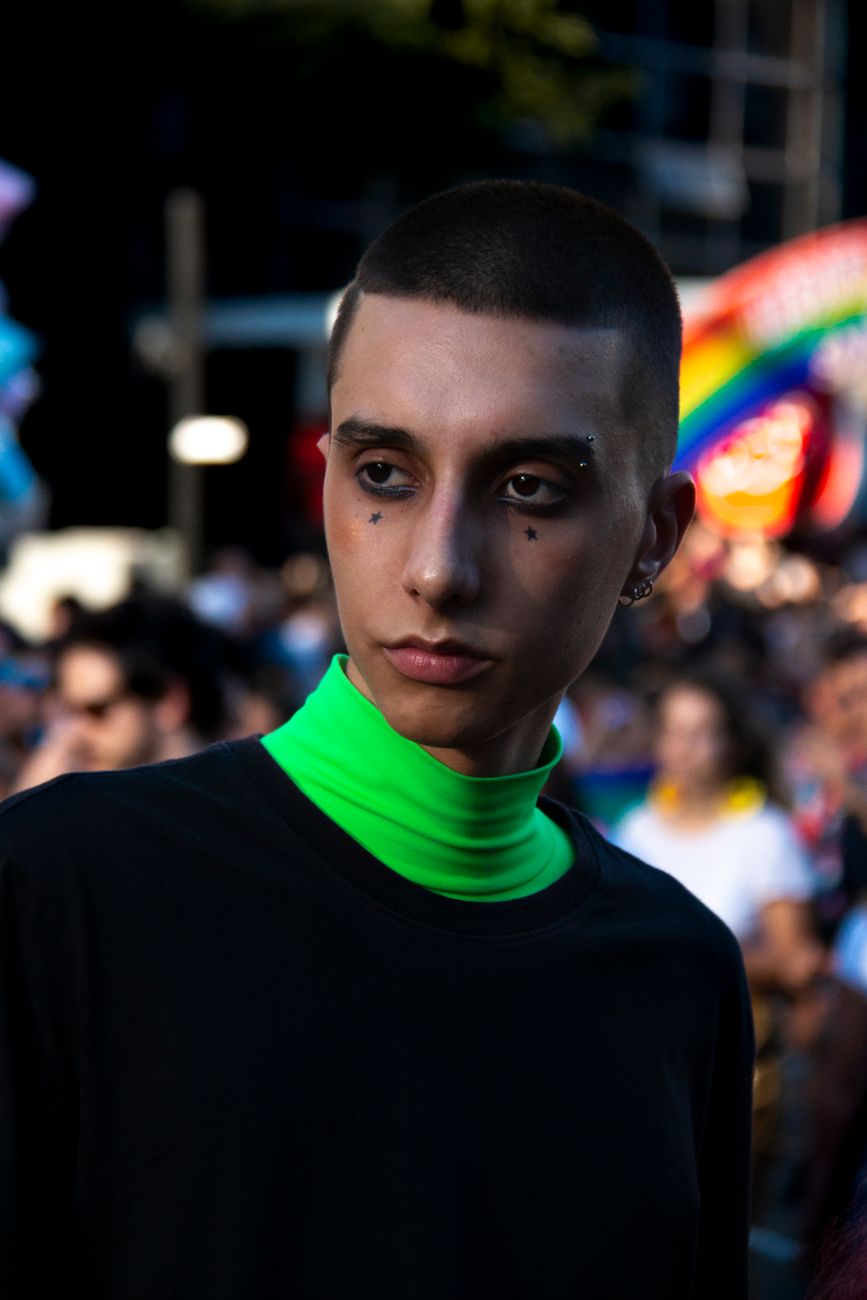
A Lôca — Club on Rua Frei Caneca since 1995: dark, sweaty dance floor, mixed queer crowd and long weekend nights. · Bar do Netão — Cheap, no-frills gay bar on Rua Frei Caneca, good for cold beer before a night out on the strip.


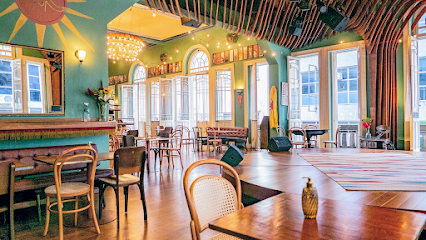
Live-music venue and restaurant in the Palacete Teresa Toledo Lara, Centro, São Paulo.
Dwie inne opcje na dziś wieczór ▾
Dzień 2
São Paulo · Dzień 2 — Santa Cecília
From Santa Cecília, the day splits between the museums and green space of Parque Ibirapuera and Casa 1, the LGBTQ+ shelter and cultural centre in Bela Vista.
Parque Ibirapuera — São Paulo's largest and most important urban park, featuring museums, auditoriums, and vast green spaces. · Casa 1 — LGBTQ+ shelter and cultural centre in Bela Vista with a library, courses, a low-cost clinic and public events.
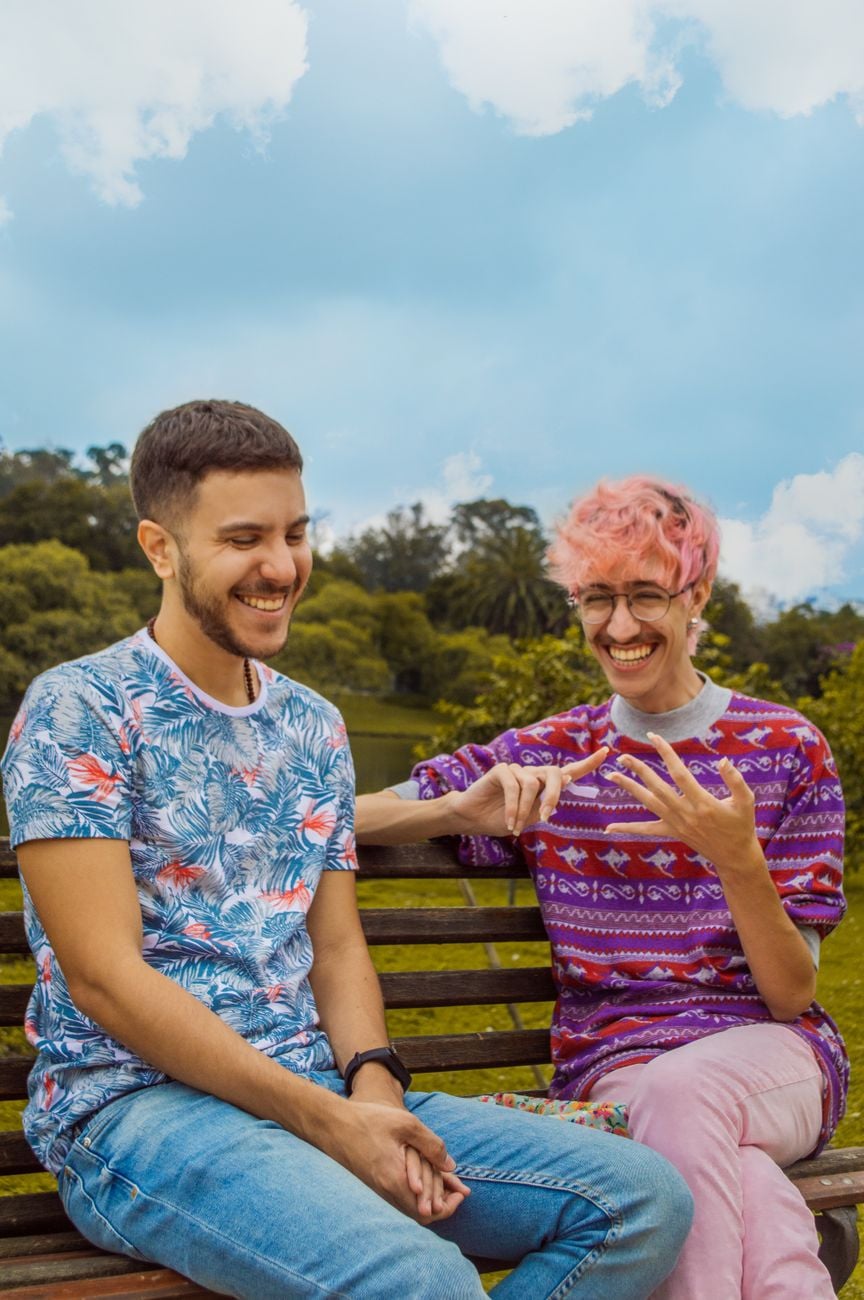
ZIG — Artist-run queer club on Rua Álvaro de Carvalho in central São Paulo, with electronic music, drag and performance.
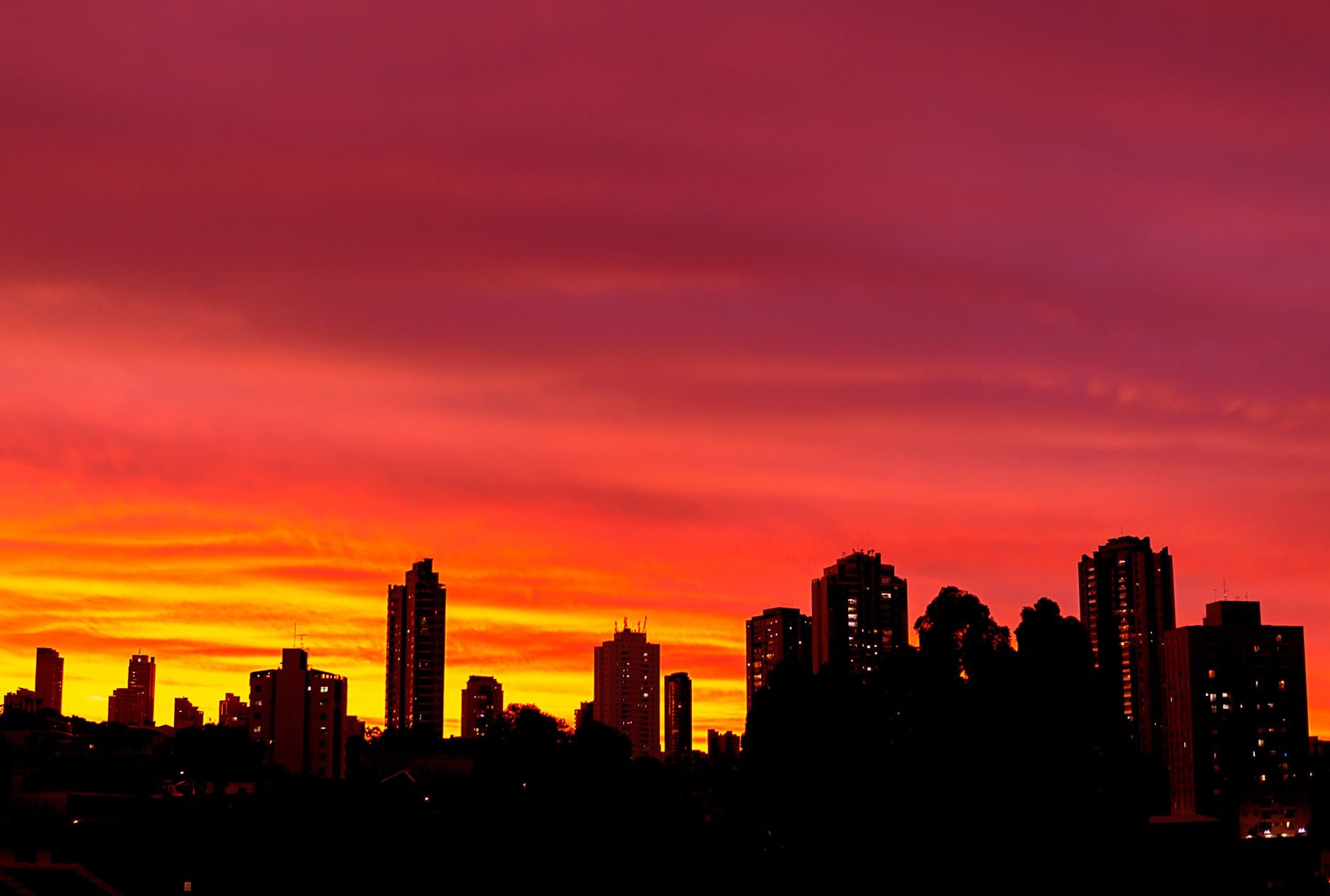
Cecília Embriagada — Busy, cheap-drinks bar on Rua Barão de Tatuí in Santa Cecília, part of the neighbourhood's young, alternative and queer night circuit.


São Paulo's 1930s municipal market downtown: produce stalls, stained glass and the famous mortadella sandwich.
Dwie inne opcje na dziś wieczór ▾
Wycieczki i atrakcje w São Paulo
Darmowe anulowanie · Bilety mobilne
Dzień 3
São Paulo · Dzień 3
The final day traces queer social history, from Largo do Arouche, a traditional LGBTQ+ meeting point, to Tunnel on Rua dos Ingleses, running since 1992.
Largo do Arouche — A historic square known as a traditional meeting point and social hub for the LGBTQ+ community in São Paulo.
Tunnel — São Paulo's oldest running gay club (since 1992) on Rua dos Ingleses: three dance floors for electronic, pop and flashback. · Bandeira Bandeira — Barra Funda bar and party space for São Paulo's lesbian, bi and trans women, with DJs, karaoke and themed nights.

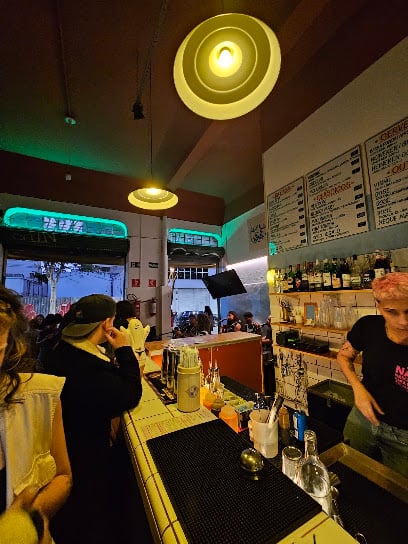
Dinner then an easy evening.
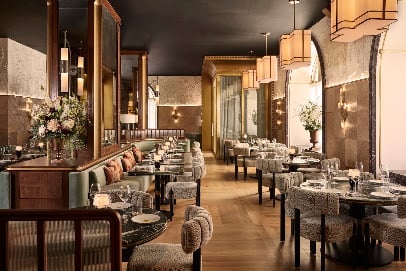
São Paulo branch of the Monaco-born Beefbar steakhouse brand, on Rua Barão de Capanema in Jardins.
Dwie inne opcje na dziś wieczór ▾
Praktyczne wskazówki
- 1 Dates shown are sample dates (assuming a Friday arrival) — add your real dates and the plan re-checks what's open.
- 2 See the Health & Safety block below for PrEP/testing access and practical norms.
- 3 Club doors: Valid photo ID (18+) is always required; payment for entry and drinks can typically be made with cash or card, and dress codes are usually casual.
- 4 Restaurants marked "book" fill up — reserve a day ahead.
Gdzie się zatrzymać:

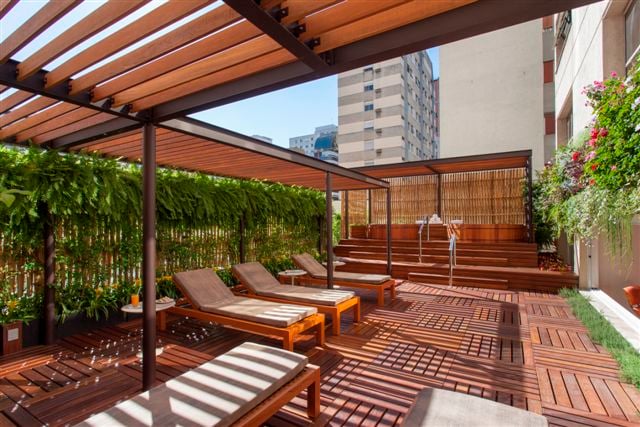
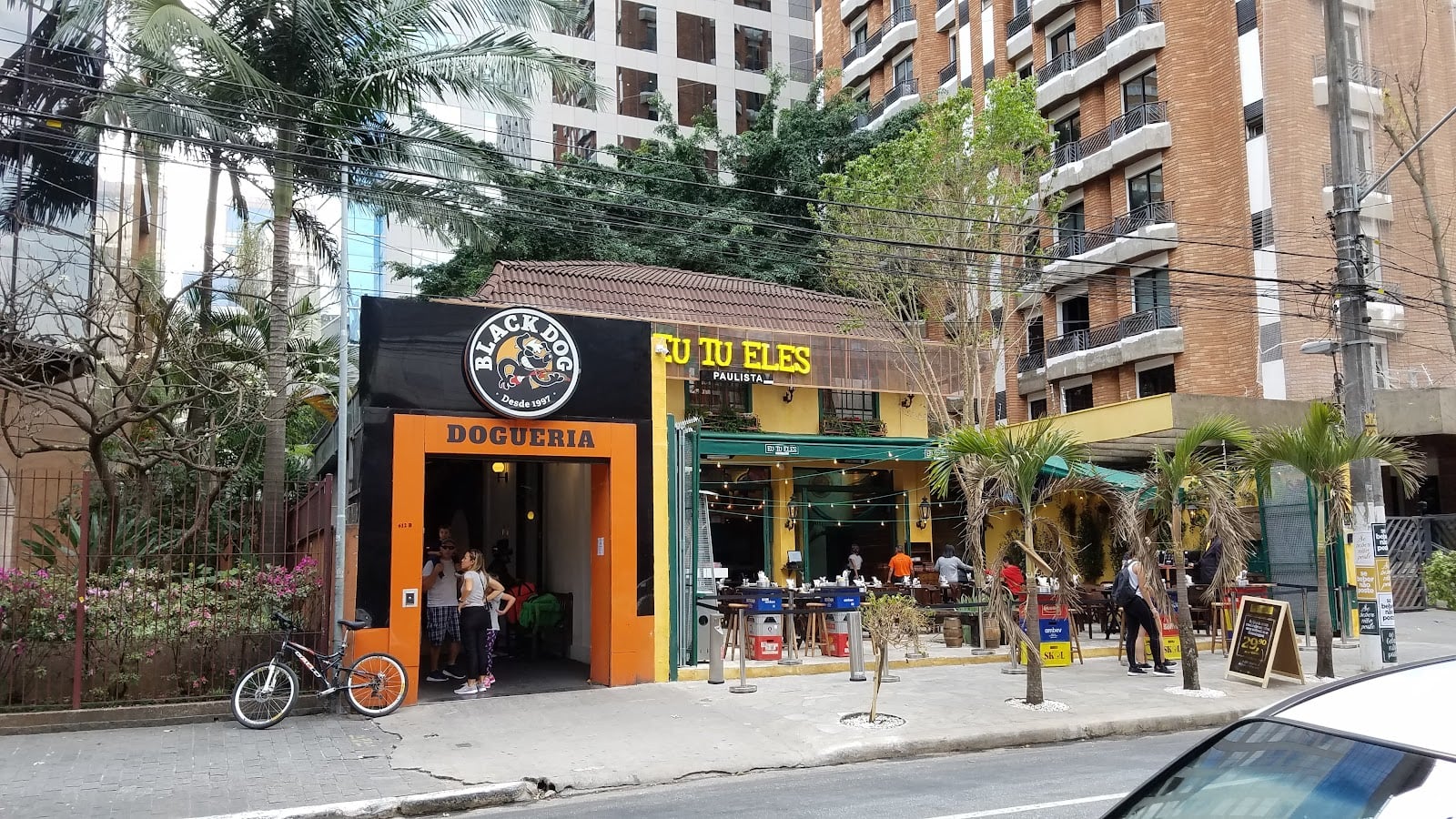
Ceny hoteli w Twoim terminie
via Stay22Niezbędnik miasta
- MASP (Museu de Arte de São Paulo) — Kultowy zabytek architektury, w którym mieści się jedna z najważniejszych kolekcji sztuki w Ameryce Łacińskiej. — kup bilety online wcześniej Bilety bez kolejki →
- Parque Ibirapuera — Największy i najważniejszy park miejski w São Paulo, oferujący muzea, audytoria i rozległe tereny zielone.
- Largo do Arouche — Historyczny plac znany jako tradycyjne miejsce spotkań i centrum życia społecznego dla społeczności LGBTQ+ w São Paulo.
Zdrowie i bezpieczeństwo
- PrEP i testy na choroby weneryczne: Odwiedzający mogą skorzystać z bezpłatnych testów PrEP i na choroby weneryczne w ramach publicznego systemu opieki zdrowotnej (SUS), w szczególności w Centro de Referência e Treinamento DST/AIDS-SP (CRT) w dzielnicy Santa Cruz, zazwyczaj wymagane jest wcześniejsze umówienie wizyty.
- Pogotowie: 192
- Apteka: Wiele głównych sieci aptek posiada całodobowe punkty w całym mieście, szczególnie w centralnych i mieszkalnych dzielnicach.
- Okazywanie uczuć w miejscach publicznych: Publiczne okazywanie uczuć przez pary queer jest generalnie bezpieczne i powszechne, zwłaszcza w centralnych i przyjaznych społeczności LGBTQ+ dzielnicach.
- Wejścia do klubów: Zawsze wymagany jest ważny dokument tożsamości ze zdjęciem (od 18 lat); płatność za wstęp i napoje zazwyczaj można dokonać gotówką lub kartą, a dress code jest zazwyczaj nieformalny.
- Gotówka vs karta: Płatności kartą (kredytową/debetową) są powszechnie akceptowane wszędzie, a Pix (błyskawiczne płatności) jest również bardzo popularny, co sprawia, że gotówka jest mniej potrzebna.
Wyślij mi ten plan e-mailem
Bez rejestracji — wyślemy Ci link.
✓ Wysłane! Sprawdź skrzynkę.
Więcej planów LGBTQ+
Parada do Orgulho de São Paulo: 3 Dni Imprez, Kultury i Społeczności
São Paulo · Przyjaciele · Budżetowy
3 Days of LGBTQ+ São Paulo: MASP, Augusta & Arouche
São Paulo · Przyjaciele · Średni
4 Days in Gay São Paulo: Art, Augusta and Late Nights
São Paulo · Solo · Średni
Pride w Chicago: 4 Dni Imprez, Jedzenia i Kultury LGBTQ+
Chicago · Solo · Średni
Pride w Chicago: 4 Dni Imprez, Kultury i Społeczności
Chicago · Solo · Średni
Berlin Pride: Imprezy, Kultura i Klimat nad Jeziorem
Berlin · Solo · Średni
Stworzone przez GayOut AI · zawsze sprawdzaj godziny i szczegóły bezpośrednio u właścicieli miejsc.
São Paulo — Mapa gejowska
Miejsca i dzielnice LGBTQ+ w São Paulo
Generuję wersję w tym języku…
Około 15–20 sekund