Maracaibo, Venezuela's second-largest city, presents a different urban landscape and cultural context than the capital. As the center of the country's oil industry, it has a distinct working-class character. For LGBTQ+ travelers, understanding this environment is key to a visit.
Historical Context and Current Scene
Venezuela's LGBTQ+ movement has historically been centered in Caracas, with established organizations, Pride events, and visible community spaces developing over decades. Maracaibo has not historically featured a prominent gay quarter or a commercial LGBTQ+ scene comparable to other major Latin American cities. The city's cultural conservatism, coupled with Venezuela's broader economic challenges since 2013, has meant that any existing LGBTQ+ social infrastructure has significantly contracted.
Currently, LGBTQ+ life in Maracaibo tends to be private and informal. Community members often connect through personal networks, encrypted messaging applications, and social media rather than through dedicated venues. Public displays of affection between same-sex couples are uncommon and can carry social risk in many neighborhoods.
Neighborhoods and Geography
The city center (Centro) serves as the commercial and administrative hub, though it has experienced deterioration due to the economic crisis. Historic areas like the Casco Histórico contain colonial architecture but have limited tourist infrastructure. Avenida 5 de Julio is a major thoroughfare with some ongoing commercial activity. Residential areas such as Maracaibo Norte and the surrounding suburbs include middle-class neighborhoods, though investment and maintenance have declined. The waterfront along Lake Maracaibo (Paseo de las Aguas) was once a social area but is now underutilized. Unlike cities with identifiable gay neighborhoods, Maracaibo does not have a specific area known as an LGBTQ+ district. Community members reside throughout the city, and social gathering points are not geographically concentrated.
Venues and Social Spaces
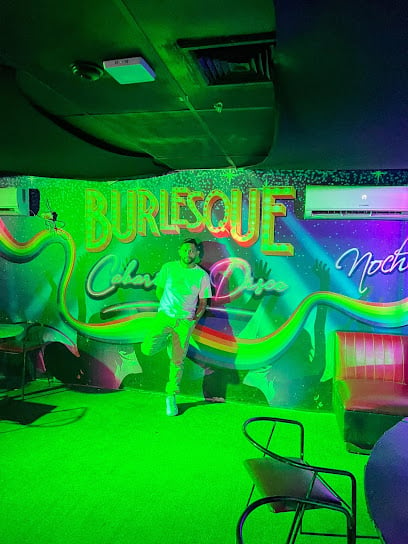
Due to Venezuela's economic situation and the informal nature of Maracaibo's LGBTQ+ scene, there are no consistently operating or visible gay bars, clubs, or saunas. Social connections primarily occur through private residences and house parties organized via trusted networks. Online platforms like Grindr, WhatsApp, and Instagram are used by locals to arrange informal gatherings. Occasionally, LGBTQ+-friendly groups or individuals might organize events in rented spaces, but these are not typically advertised publicly. LGBTQ+ travelers should anticipate networking through apps and local contacts rather than expecting to find established venues. Reliable WiFi and phone service at accommodation are crucial for connecting with local community members.
Pride and Events
Maracaibo does not host a prominent Pride celebration. Annual LGBTQ+ Pride events in Venezuela are concentrated in Caracas, usually held in November or December, with dates varying each year. Organizations in Caracas coordinate national visibility efforts, but Maracaibo lacks equivalent local Pride infrastructure. Smaller, private commemorations of LGBTQ+ awareness may occur within close-knit groups but are not typically tourist events.
Where to Stay
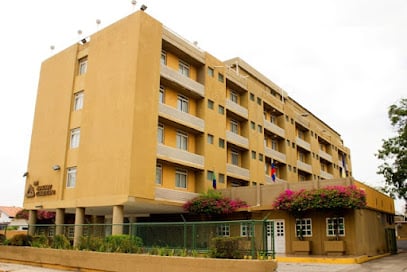
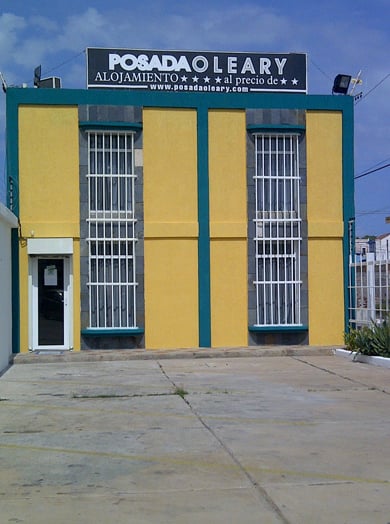
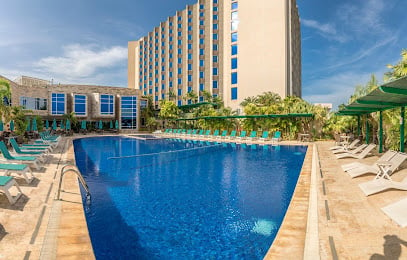
Accommodation options are limited. The city's hotel infrastructure has seen a significant reduction. Travelers may find basic mid-range hotels in the city center, though many are in poor condition. Hostels or guesthouses may be available, but their availability can vary and should be confirmed immediately before travel. Airbnb and similar platforms have very limited listings with inconsistent service. WiFi and electricity reliability are not guaranteed. Travelers should prioritize accommodations with recent guest reviews confirming the functionality of basic services like running water, electricity, and WiFi. Accommodation with explicitly LGBTQ+-welcoming policies is not commonly marketed in Maracaibo. Travelers are advised to research reviews carefully and, if possible, contact hosts directly to discuss comfort levels.
Safety is a primary concern for all visitors to Maracaibo. Venezuela experiences extremely high rates of violent crime, including armed robbery and homicide. Multiple international governments advise against all travel to Venezuela. Petty theft is prevalent, and visitors are often targets. Gang activity and drug trafficking contribute to dangerous conditions in many areas. Police authority and the rule of law have deteriorated, with widespread corruption. For LGBTQ+ travelers, public displays of same-sex affection can carry social risk and attract unwanted attention. Transgender and gender-nonconforming travelers may face heightened vulnerability to harassment and violence. Emergency services and medical care are inadequate, with hospitals often understaffed and lacking supplies. These risks are significant and may not be mitigated by standard travel precautions.
Transit
Navigating Maracaibo presents challenges. Public buses (guaguas) are the primary transit option but are often overcrowded, poorly maintained, and can be sites of theft. Taxi services are unreliable, and hailing them on the street is not recommended for tourists. Ride-sharing apps have a limited or non-existent presence. Car rental is possible but requires navigating poor road conditions and insecurity. Walking after dark is not advisable in most areas. The city lacks a metro or formal rapid transit system. Travel within the city should be minimized, planned in advance, and conducted during daylight hours. Travelers should avoid displaying valuables, cameras, or phones in public.
Food and Local Culture
Maracaibo offers a regional food culture featuring dishes like arepas, seafood from the lake, and local specialties such as patacones. However, restaurant availability has diminished due to the economic crisis, with many establishments closed or operating with limited hours and menus. Food safety is a concern, as water quality is uncertain in many areas, and tap water is generally not safe for visitors. Bottled water is essential but can be difficult to find. Local culture is conservative and religious, with a predominantly Catholic and evangelical Protestant population. LGBTQ+ individuals in Maracaibo navigate a traditionally-minded society where discretion is common.
Day Trips and Attractions
The surrounding region includes natural features like the Catatumbo Lightnings in the Maracaibo Basin, but tourism infrastructure to access these is limited. Travel beyond the city limits carries additional security risks. Cultural and historical attractions within Maracaibo include the Basílica de Nuestra Señora de Chiquinquirá and various museums, though many are in a state of disrepair or are closed.
Practical Travel Information
Visa and entry requirements should be checked with Venezuelan consulates, as political instability can affect diplomatic relations. The Venezuelan currency (bolívar) has experienced severe hyperinflation. US dollars and other foreign currencies are unofficially used but can be scarce. Credit cards and ATMs are unreliable, making cash essential. It is advisable to exchange currency before arrival if possible. Mobile phone service exists but is unreliable. WiFi is generally limited to hotels and a few cafes. International roaming should be arranged before travel. Yellow fever vaccination is recommended. Medical facilities are strained.
Часто задаваемые вопросы
Maracaibo, like all of Venezuela, is impacted by the country's economic and political crisis, which affects safety across all sectors. While same-sex relationships are not criminalized, anti-discrimination protections are limited in practice. It's advisable to stay informed about the current situation and connect with local networks for up-to-date safety information.
Downtown Maracaibo, particularly around Calle 96 and the historic center, has social gathering points. The lakefront area also has restaurants and bars where LGBTQ+ people socialize, though these are not exclusively gay venues. Residential neighborhoods like El Saladillo and Bella Vista are not specifically LGBTQ+ destinations.
Information about specific gay bars or clubs is limited and constantly changing due to economic conditions, with many establishments having closed over the past decade. The LGBTQ+ scene is primarily social rather than commercial and operates largely through informal networks and word-of-mouth. Connecting with local LGBTQ+ networks online before arrival is recommended to find current gathering spots.
Organized Pride celebrations are not a feature of Maracaibo's calendar. While there may be small informal acknowledgments on International Day Against Homophobia and Transphobia (May 17), there are no major public events comparable to those in other regional cities.
The visible LGBTQ+ scene in Maracaibo has shrunk considerably due to massive emigration from Venezuela over the past 15 years. The community largely operates through informal networks rather than organized venues or events.
Information on specific LGBTQ+ friendly hotels is limited. Hotels with international staff or tourism offices may be able to provide discreet recommendations. It is advisable to research hotels and connect with local LGBTQ+ networks for potential suggestions.
Настройки приватности.
Мы используем файлы cookie, чтобы обеспечить работу GayOut и, с вашего согласия, измерять использование. Подробнее
Настройки приватности
Мы используем куки, чтобы сайт работал, запоминал ваши настройки и (с вашего согласия) собирал статистику использования. Вы можете принять всё, отклонить или выбрать сами. Подробнее
Необходимые
Нужны для входа, защиты от мошенничества, защиты CSRF и сохранения языка. Отключить нельзя.
Всегда включено
Запоминают избранное, тёмный режим и другие настройки интерфейса между визитами.
Помогают нам понять, какие страницы посещают (Google Analytics, серверная статистика), чтобы мы могли улучшать сайт.
Используются пикселями отслеживания рекламы. Сейчас не активны, оставлены на будущее.
Установить GayOut
Добавьте GayOut на главный экран — быстрый доступ, избранное офлайн и анонсы Прайдов.


 Дружелюбные Гей-бары и клубы