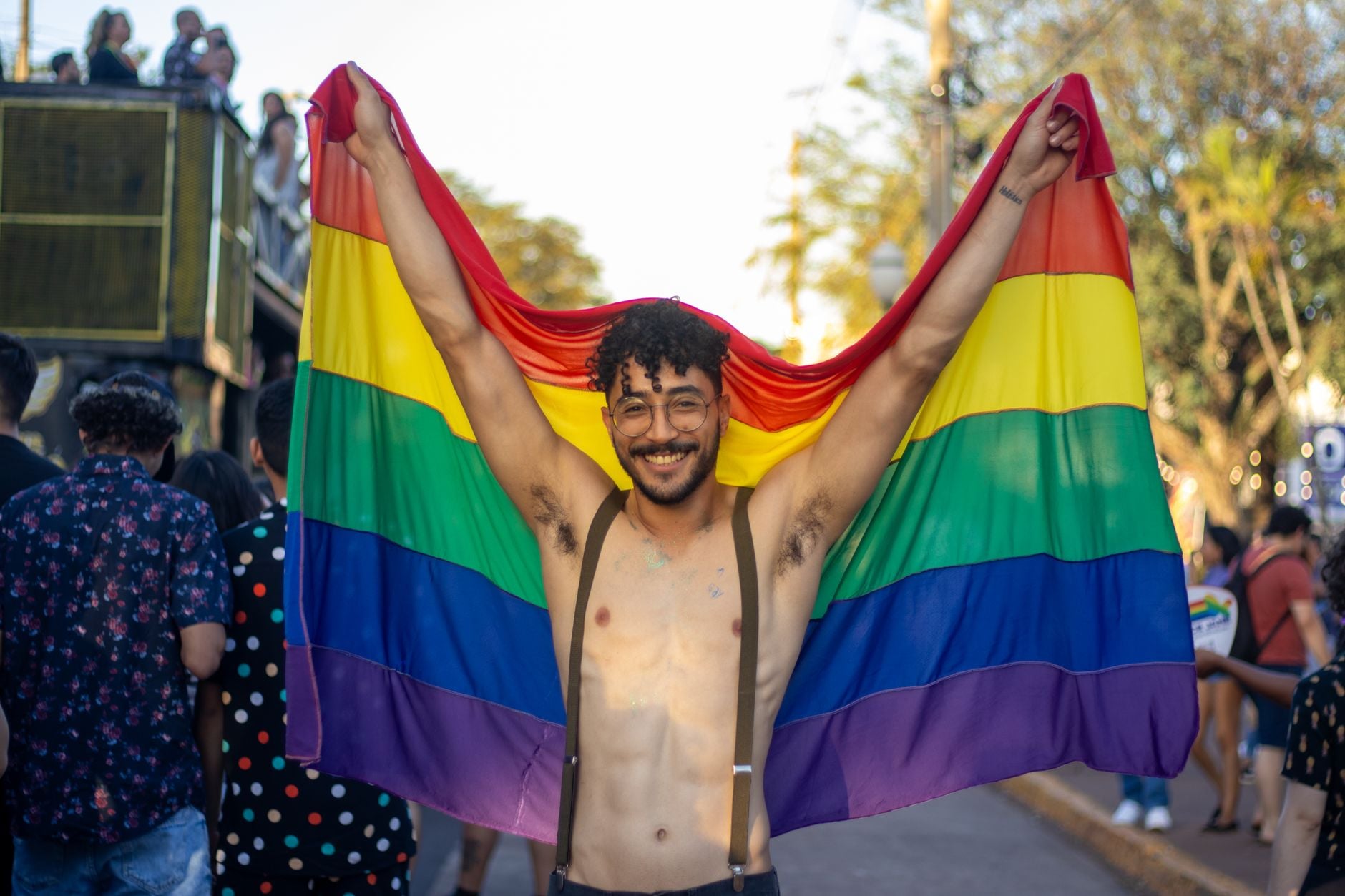
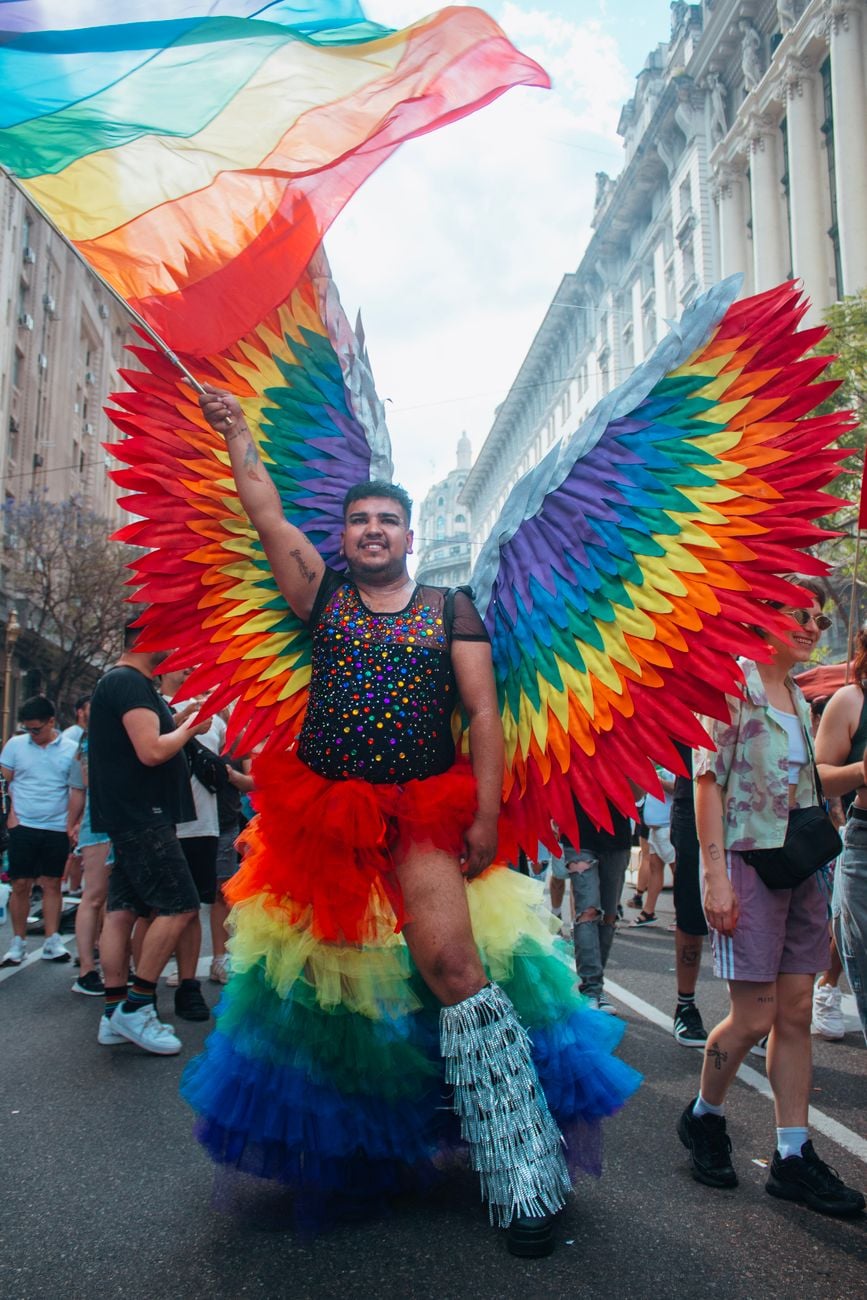
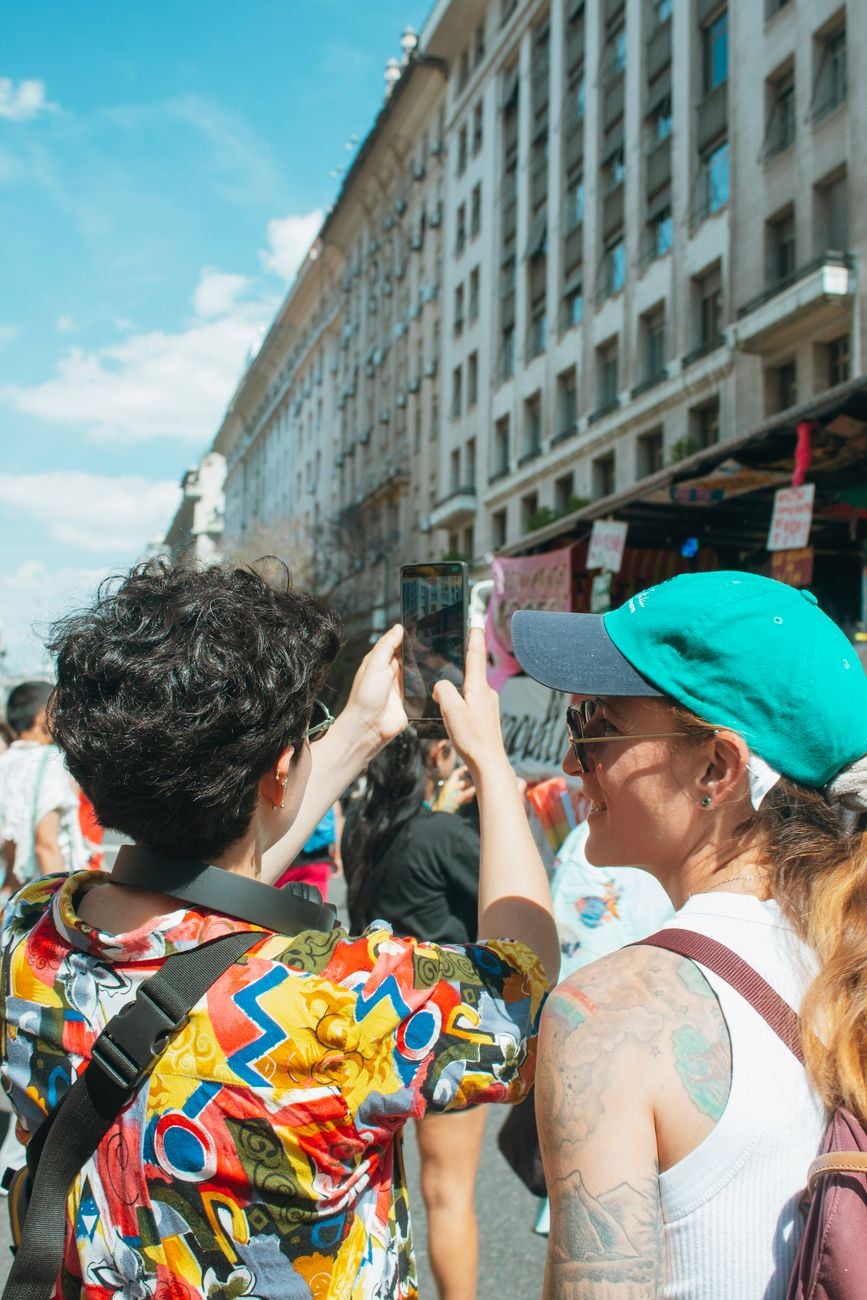
Every Saturday at Crobar in Palermo. Music mix of pop, dance, and electro style music. The place in Buenos Aires for gays and their friends in their ’20s and ’30s.
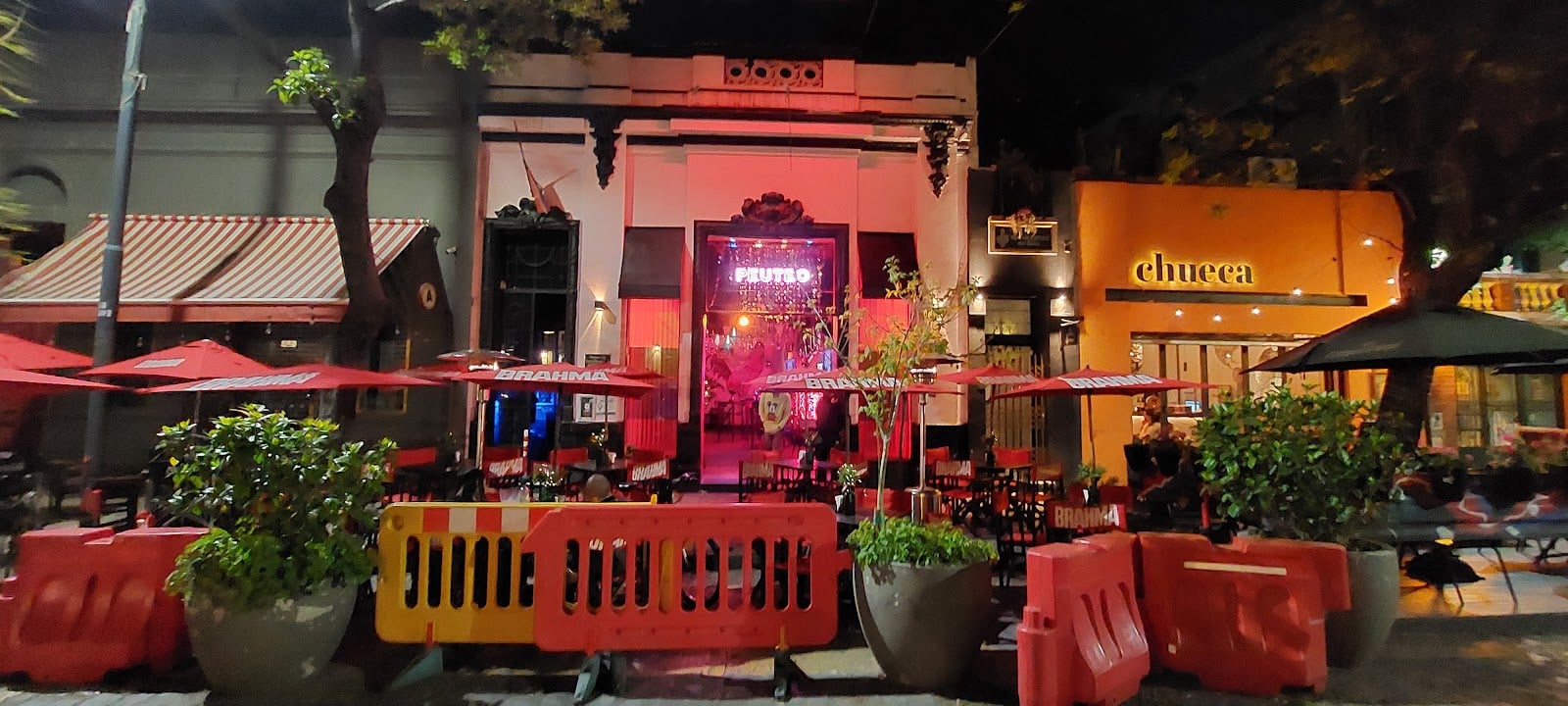
Located in Recoleta neighborhood, this bar is super friendly! You can find here a mix of music - including the best pop hits as well as Latino anthems.
The club Amerika is huge! Every weekend 3 floors full of music and gay happiness. Club Amerika is more of a niche club for gays. Definitely look on their website to find your party.
Popular gay cruise bar in central Buenos Aires — a front bar with drink promos leading to cabins, dark rooms, glory holes, a cruising tunnel and a smoking patio.
Long-running gay cruise bar off Avenida Florida in central Buenos Aires — one bar, DVD booths with glory holes, an intricate maze, a darkroom and a leather basement. No street sign, just a number.
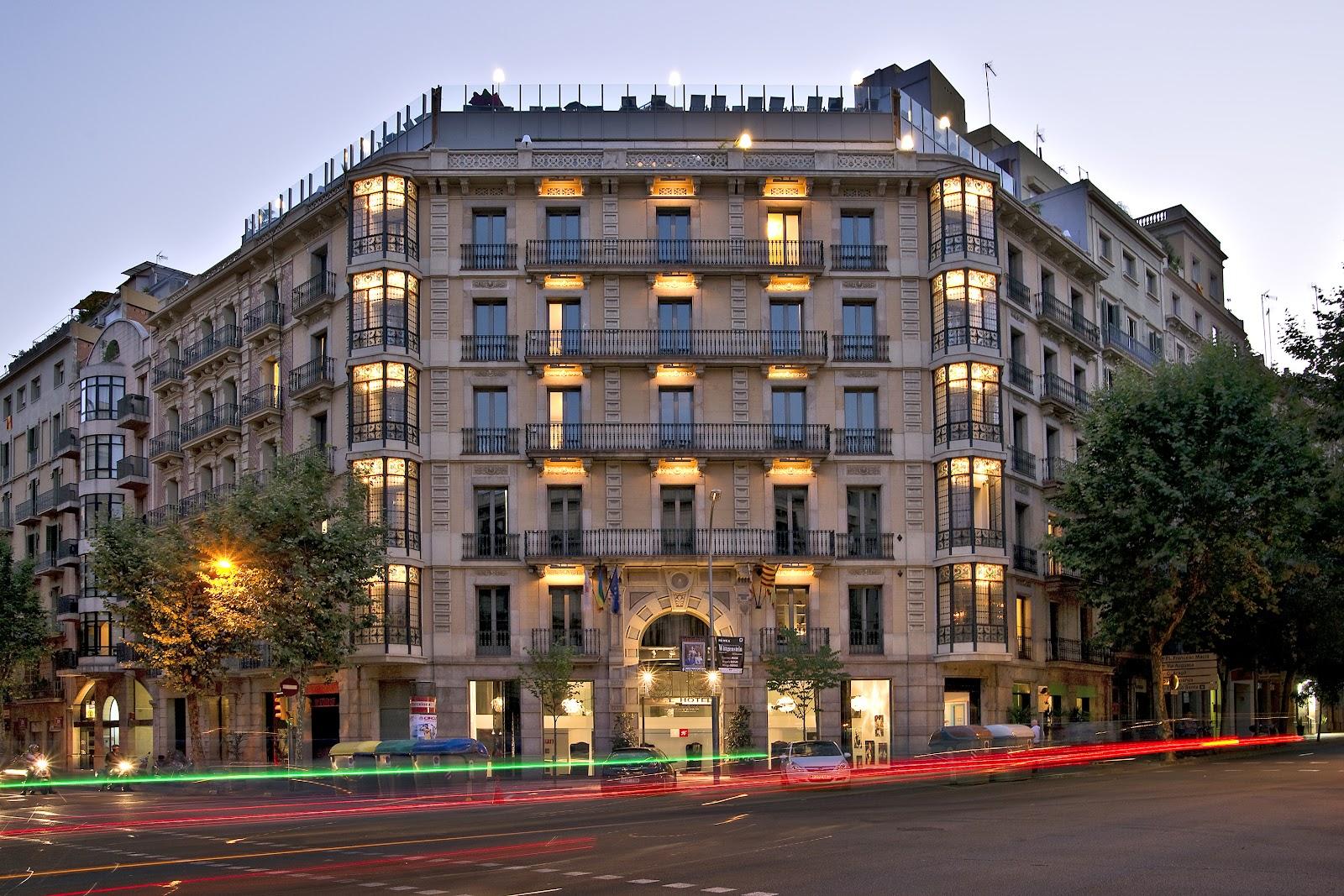
The Buenos Aires outpost of the international Axel Hotels chain — gay luxury hospitality in San Telmo, with rooftop pool, SkyBar, spa, and the brand's signature hetero-friendly philosophy.
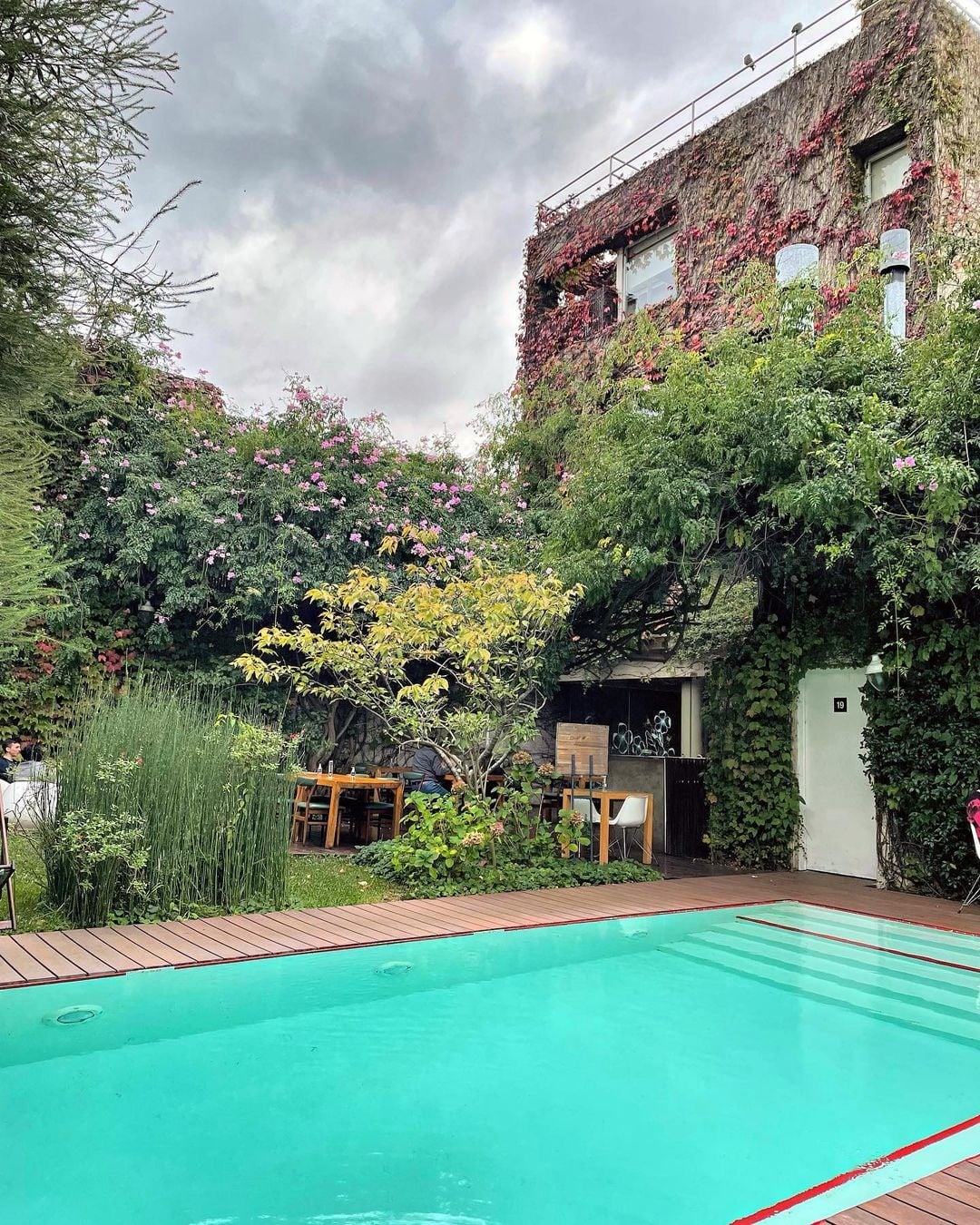
Gay-friendly boutique hotel in the heart of Palermo Soho — a thoughtfully designed, intimate property with pool, garden, and the warmth of genuine Buenos Aires hospitality.
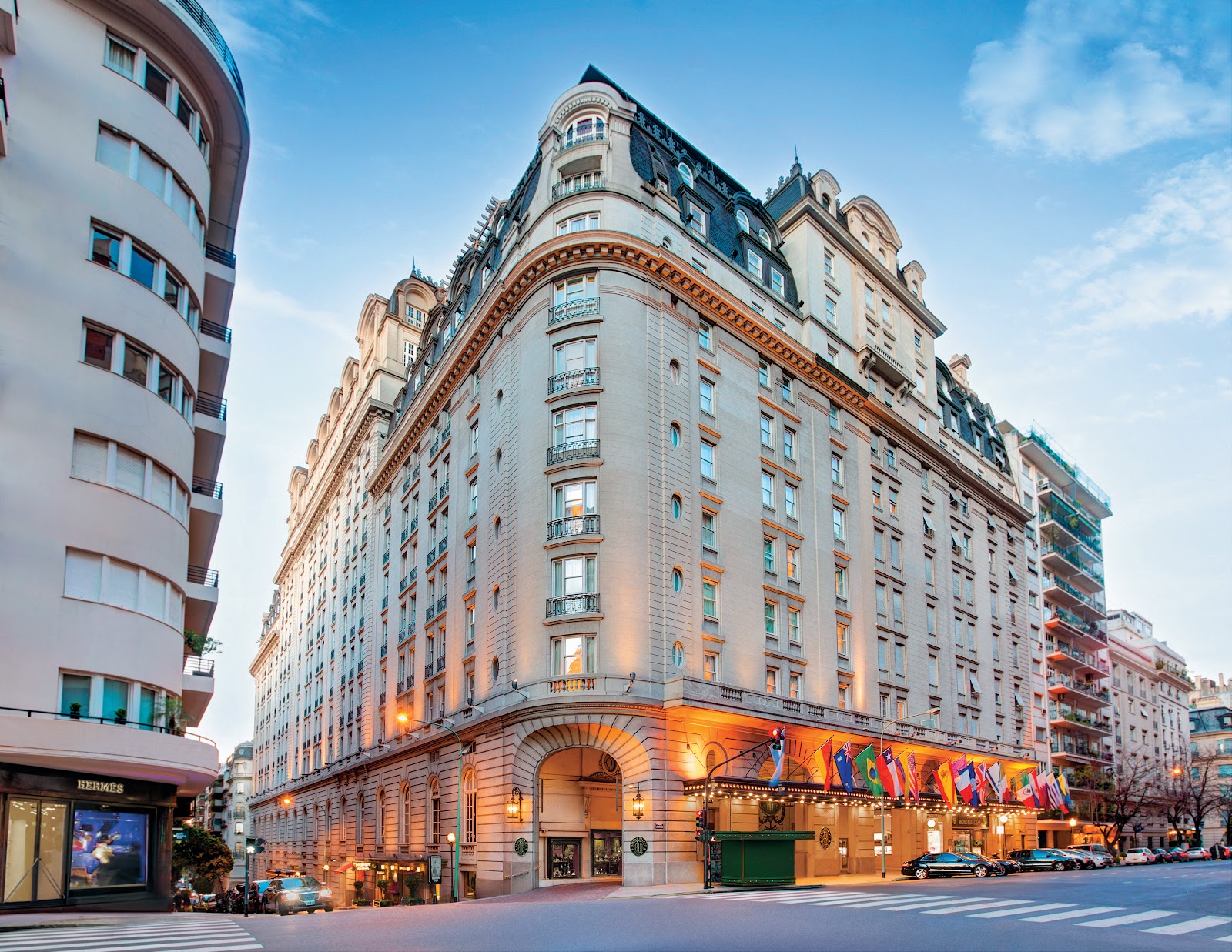
The Alvear Palace is a renowned luxury hotel located in Buenos Aires, Argentina. Recognized for its exceptional service and opulent atmosphere, it has also established itself as a gay-friendly…
Buenos Aires and LGBTQ+ Travel: A Comprehensive Guide
History and Context
Buenos Aires has a complex but ultimately progressive history with LGBTQ+ rights. While Argentina criminalized homosexuality until 1887, the city's gay scene began emerging visibly in the mid-20th century, particularly in neighborhoods like San Telmo. The 1990s and 2000s marked a turning point: Argentina decriminalized homosexual activity, age of consent laws were equalized, and crucially, in 2010, Argentina became the first country in Latin America to legalize same-sex marriage. This legal framework has created an environment where LGBTQ+ people live openly and visibility is normalized. Buenos Aires was also home to influential queer cultural figures and artists, making it a center of progressive thought in the region. Today, the city hosts vibrant Pride celebrations, LGBTQ+ film festivals, and maintains active queer cultural institutions.
Neighborhoods and Geography
San Telmo is historically the heart of the gay scene, known for its bohemian atmosphere, colonial architecture, and concentration of gay bars and cultural venues. The neighborhood has a long-established queer community and remains essential for any LGBTQ+ visitor. Calle Defensa and surrounding streets host numerous bars, cafés, and galleries with strong queer presence.
La Boca, famous for its colorful buildings and tango heritage, also has a visible gay scene with several bars and restaurants catering to queer clientele. The neighborhood offers a mix of tourists and locals, with waterfront charm and cultural institutions.
Avenida Corrientes and the theater district have historically been important to queer nightlife and culture, with numerous venues scattered throughout. This area pulses with energy, particularly in evenings.
Zona Norte (northern neighborhoods including Palermo and surrounding areas) contains many modern gay venues, restaurants, and accommodations. Palermo has become increasingly popular with younger queer visitors and expats, offering trendy bars and a relaxed vibe.
Recoleta, while not traditionally gay-focused, is upscale and welcoming, home to museums, parks, and high-end accommodations.
Key Venues and Nightlife
Glam is one of Buenos Aires' most famous gay nightclubs, located in San Telmo, operating for decades as an institution of the local scene. It hosts DJs, drag shows, and dense crowds, particularly on weekends.
Amerika is another long-standing venue known for electronic music and a diverse crowd.
Bar Sur, located in San Telmo, offers a more intimate setting with tango performances and a mature crowd.
Elsewhere in the city, numerous other bars exist at various scales—from large dance clubs to small cocktail bars. The scene is dynamic, with venues opening and closing. Current listings should be checked via local LGBTQ+ websites or travel guides closer to travel dates.
There are also known gay saunas in the city, though specific details change. Local resources and apps like Grindr or local websites provide current information.
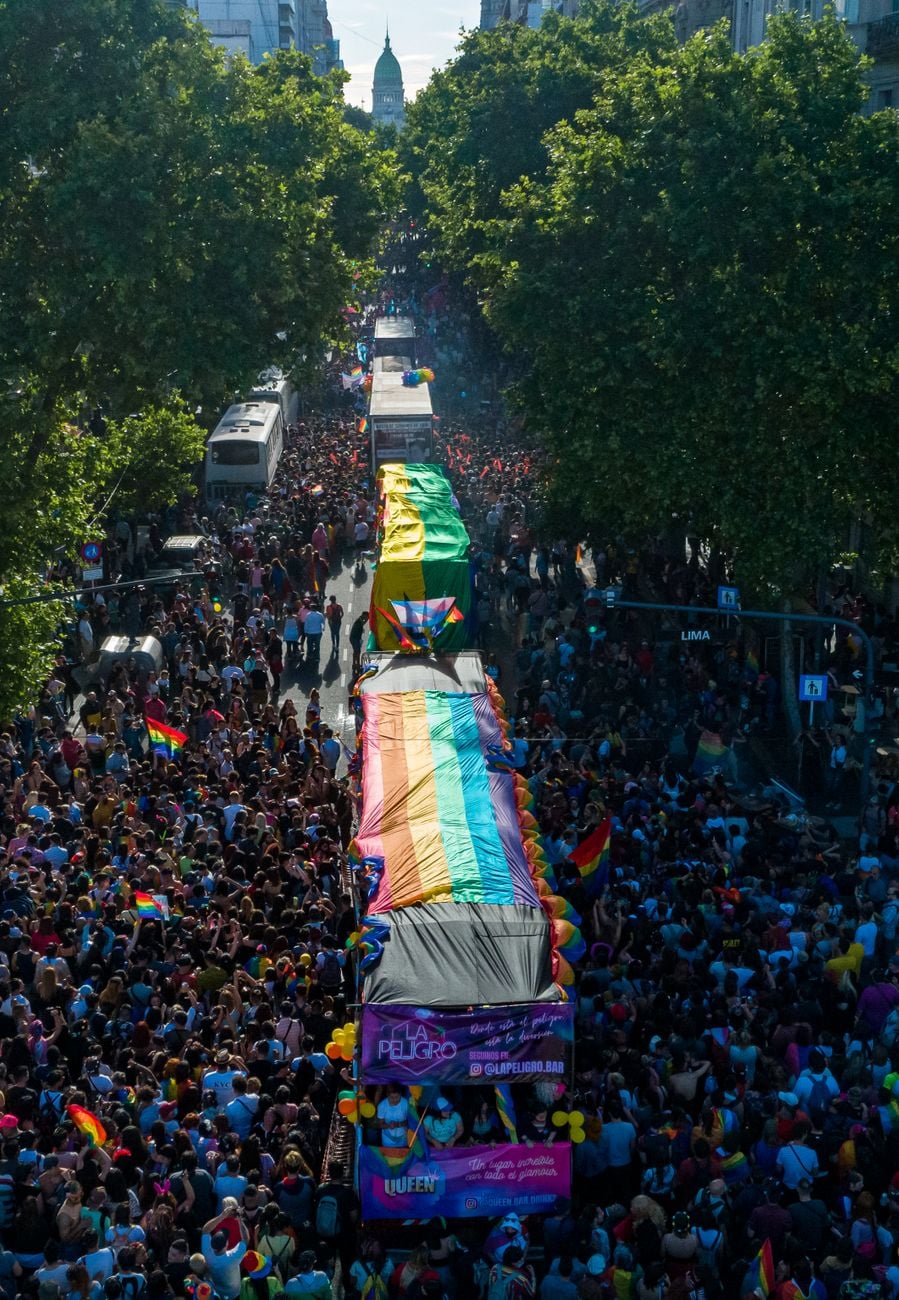
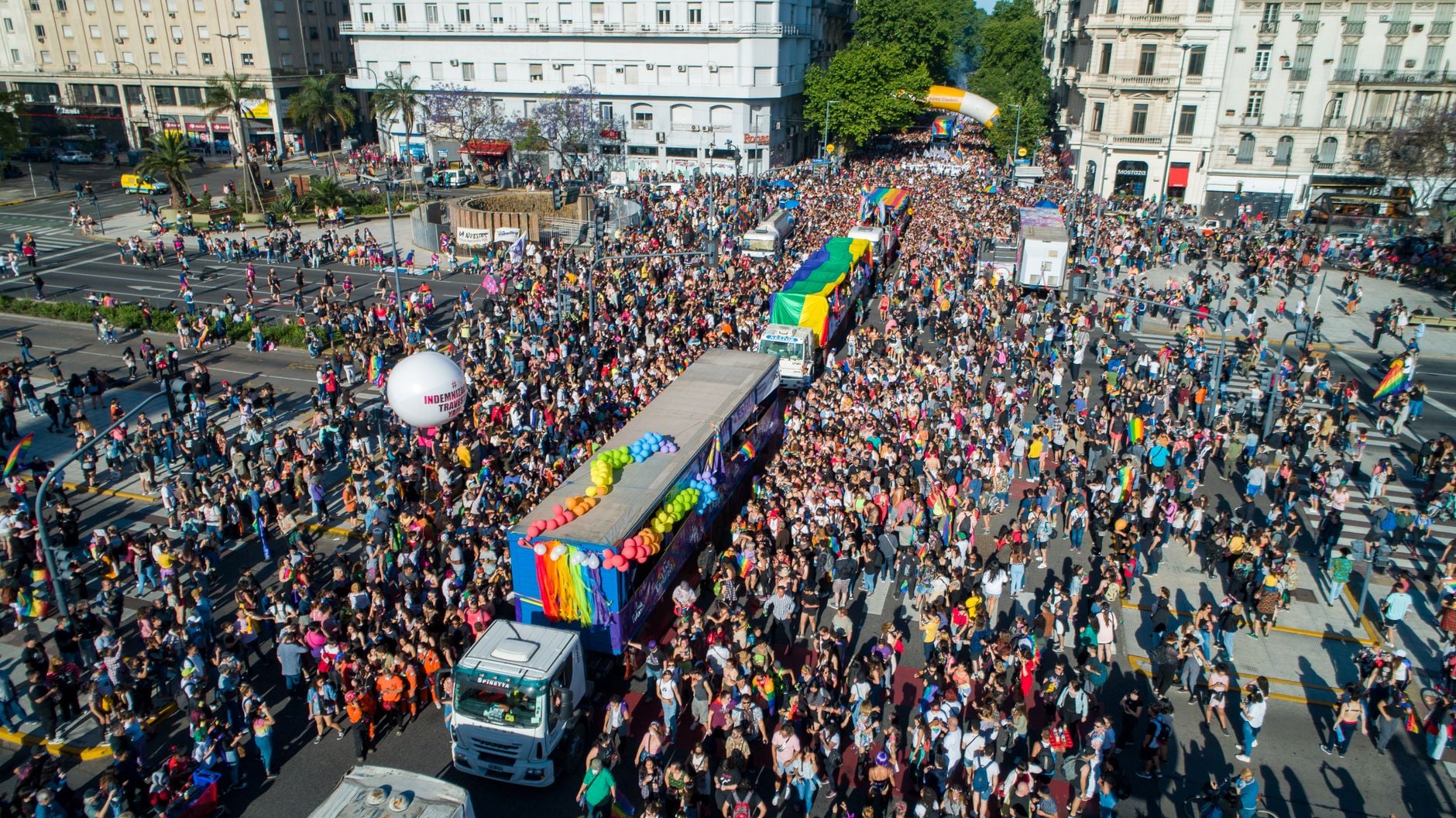
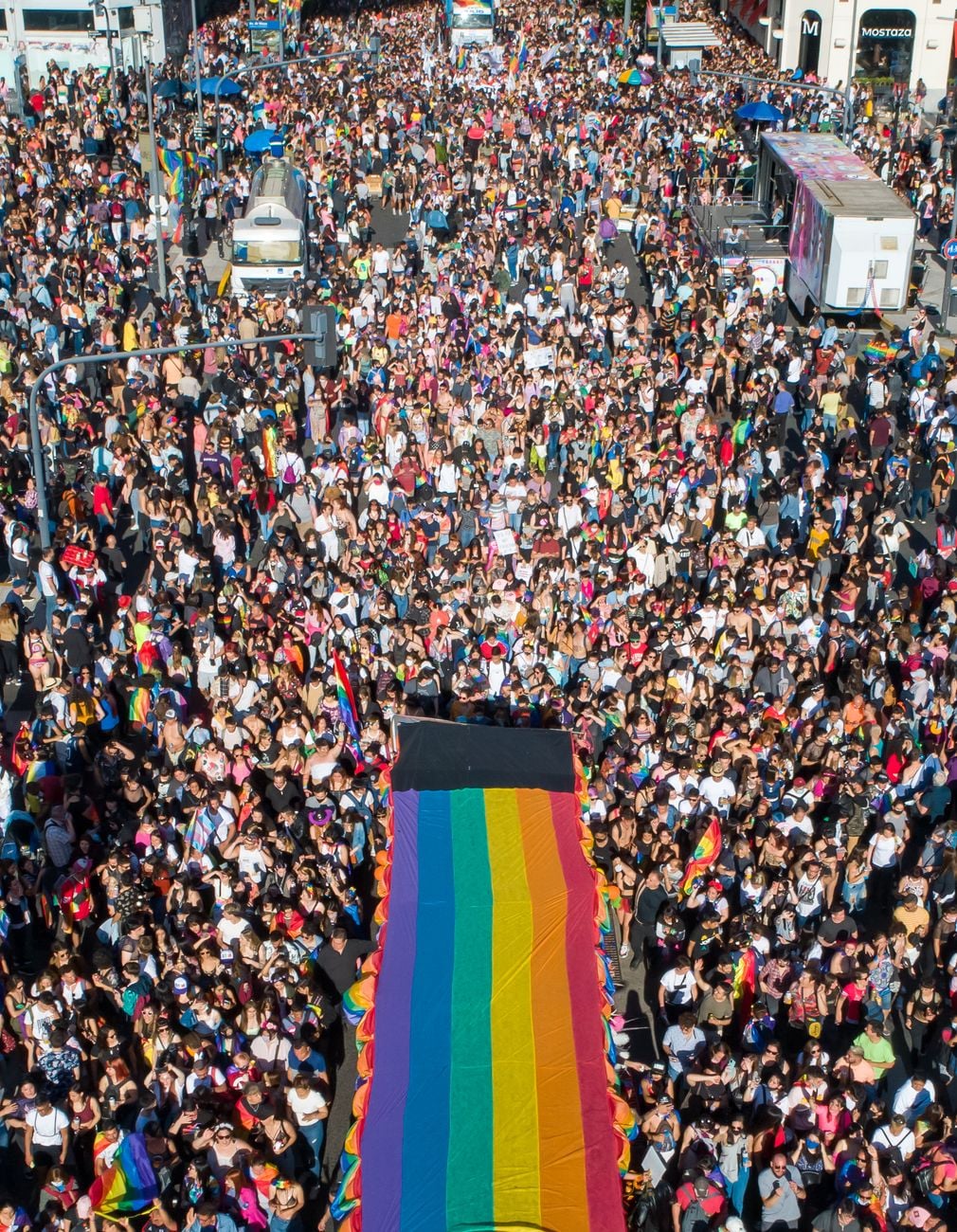
Buenos Aires Pride takes place in November each year, specifically around November 17, which marks the day of a historic police raid on a gay venue in 1982. The celebration has grown into one of the world's largest Pride events, with the main march typically drawing 100,000 to 300,000+ participants. The entire week (sometimes extending longer) includes parties, cultural events, film screenings, and performances throughout the city. The event is highly visible, celebratory, and considered safe and welcoming.
Beyond Pride, the city hosts Queer Film festivals and other cultural events throughout the year. The LGBTQ+ Museum and other cultural institutions offer year-round programming.
Where to Stay
For LGBTQ+ travelers, San Telmo is an atmospheric choice with boutique hotels, hostels, and guesthouses. It offers proximity to gay venues and cultural attractions while maintaining historic charm.
Palermo offers modern accommodations, trendy restaurants, and a younger scene. It's well-connected by public transit.
Recoleta provides luxury options and is near major museums and parks, though it's less gay-specific in focus.
There are LGBTQ+-owned or LGBTQ+-friendly guesthouses and hostels throughout the city. Many hostels cater to gay travelers and facilitate social connections.
Buenos Aires is significantly safer than many Latin American cities, but like any major urban center, standard precautions apply: avoid displaying excessive wealth, be aware of surroundings, and use registered taxis or ride apps (Uber, Cabify) rather than hailing cabs on the street. Petty theft and pickpocketing occur, especially in crowded areas and public transit.
For LGBTQ+ travelers specifically, Buenos Aires is genuinely welcoming and accepting. Same-sex couples can hold hands, kiss, and move openly without concern. The city is predominantly Catholic and diverse, with LGBTQ+ visibility normalized. Discrimination exists as it does everywhere, but it is not institutionalized or legal. The police do not target LGBTQ+ people; discrimination protections exist in law.
Visas: Most visitors from Western countries receive 90-day tourist visas upon arrival. Check current requirements based on nationality.
Transit
Buenos Aires has an extensive metro (subte) system, buses, and taxis. The metro is efficient and affordable, though crowded during peak hours. A SUBE card (rechargeable transit card) can be purchased and used on all transit. Neighborhoods mentioned are well-connected. Taxis are ubiquitous and relatively inexpensive by international standards; Uber and Cabify also operate.
Walking is pleasant in neighborhoods like San Telmo, Palermo, and Recoleta, though distances are significant.
Food and Culture
Buenos Aires is famous for its meat, wine, and Italian-influenced cuisine. Asados (barbecue) are cultural staples. The city has excellent restaurants ranging from casual to Michelin-starred, with many LGBTQ+ owned or frequented.
Café culture is huge—spending hours in a café with coffee and a medialunas (croissants) is standard. Many cafés have LGBTQ+ clientele and queer-friendly atmospheres.
Tango is iconic to Buenos Aires. Shows are widely available and range from tourist-oriented to authentic. Some venues have LGBTQ+ audiences and performers.
The city's cultural offerings include museums, theater, cinema, and galleries. Many institutions are progressive and feature queer artists and themes.
Language
Spanish is the primary language. English is spoken in tourism areas, hotels, and among younger people, but less commonly in neighborhoods and working-class areas. Learning some Spanish phrases is helpful and appreciated.
Day Trips
Colonia del Sacramento, Uruguay is a nearby historic colonial town accessible by ferry across the Río de la Plata (one hour). It's charming and LGBTQ+-friendly.
Estancias (rural estates) outside Buenos Aires offer traditional gaucho experiences and can be visited as day or overnight trips.
Climate and Best Times to Visit
Buenos Aires has four seasons. November Pride coincides with spring (warm, pleasant weather—70-80°F/21-27°C). Summer (December-February) is hot and humid; many locals leave the city. Autumn (March-May) and winter (June-August) are mild. Winter is generally pleasant for tourism, though evenings cool.
Visas and Documents
Most Western passport holders receive 90-day tourist visas on arrival. Some nationalities must obtain visas in advance. Travel insurance is recommended but not required. Medical care in Buenos Aires is good; ensure travel insurance covers needs.
Currency
The Argentine Peso is the currency. ATMs are widely available. Credit cards are accepted in most places, though cash is still common and necessary in some venues and neighborhoods. The black market exchange rate sometimes differs from the official rate; exchange money at banks or official cambios (exchange houses).
Tips for LGBTQ+ Travelers
Connect with local LGBTQ+ communities online before arrival. Facebook groups, Reddit (r/BuenosAires, LGBTQ+ subreddits), and local websites provide current information and social connections.
Attend events and venues at night when the scene is active; daytime in some neighborhoods can feel quiet.
Respect local customs—while openly gay, Buenos Aires maintains certain cultural norms around behavior. Public intimacy is less common than in some Western cities, though accepted.
Use apps like Grindr, Hornet, or Scruff for connecting with locals and finding events.
Visit the LGBTQ+ Museum and attend cultural events to engage with queer history and contemporary scene.
Be prepared for late nightlife—clubs don't fill until after midnight; dinner and drinks often start late (10 PM or later).
Conclusion
Buenos Aires remains one of the world's premier gay destinations, combining progressive legal frameworks, visible and vibrant queer culture, world-class dining and nightlife, and genuine acceptance. The city welcomes LGBTQ+ travelers and offers both adventure and authentic cultural immersion. Whether seeking nightlife, cultural experiences, or simply a place to be openly queer, Buenos Aires delivers comprehensively.
Frequently asked questions
Buenos Aires is considered one of the most welcoming and vibrant gay destinations in Latin America. The city's progressive legislation and cosmopolitan culture contribute to a generally inclusive environment for LGBTQ+ individuals.
Palermo — especially Palermo Soho and Palermo Hollywood — is the main hub for LGBTQ+ nightlife, with the greatest concentration of gay bars and clubs around the streets of Armenia and Gorriti. Recoleta and Barrio Norte, along Avenida Santa Fe, hold several long-running bars and saunas, while San Telmo adds a historic, bohemian atmosphere and the city's best-known gay tango halls.
Buenos Aires Pride (Marcha del Orgullo) is held in November — in 2026 the main march falls on Saturday, 7 November. It runs from Plaza de Mayo to the National Congress along Avenida de Mayo and draws hundreds of thousands of participants, making it one of the largest Pride celebrations in the Southern Hemisphere.
The gay scene in Buenos Aires is mature, well-established, and integrated into the broader social fabric. It is known for its substantial gay bar and club scene, with venues tending to open late.
Yes. Buenos Aires has several LGBTQ+-friendly and gay-owned places to stay. The Axel Hotel in San Telmo is a well-known gay hotel with a rooftop pool, and Lugar Gay de Buenos Aires is a long-running gay men's bed-and-breakfast, also in San Telmo. Beyond these, many boutique hotels in Palermo and luxury properties in Recoleta warmly welcome LGBTQ+ guests.
Venues in Buenos Aires tend to open late. Bars typically open from 9 or 10 PM, and clubs from midnight or 1 AM, with crowds arriving after 2 AM.
Your privacy choices.
We use cookies to run GayOut and, with your consent, measure usage. Learn more
Your privacy choices
We use cookies to keep GayOut running, remember your preferences, and (with your permission) measure how the site is used. You can accept all, reject all, or pick what you allow. Learn more
Essential
Required for sign-in, fraud prevention, CSRF protection and remembering your language. Cannot be disabled.
Always on
Remembers your favourites, dark mode and other interface preferences across visits.
Helps us understand which pages people visit (Google Analytics, server-side stats) so we can improve.
Used by campaign tracking pixels. None are active right now, reserved for future use.
Install GayOut
Add GayOut to your home screen for faster access, offline favourites, and Pride alerts.











 Gay Bars & Clubs
(8356)
Gay Bars & Clubs
(8356)