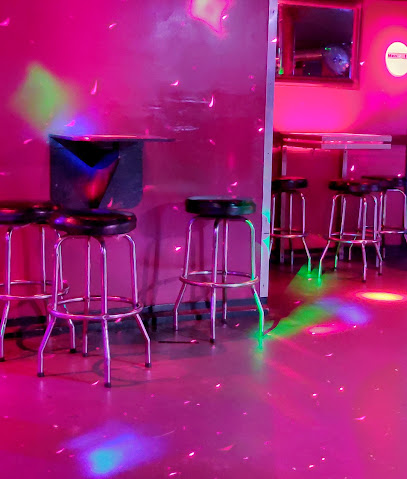
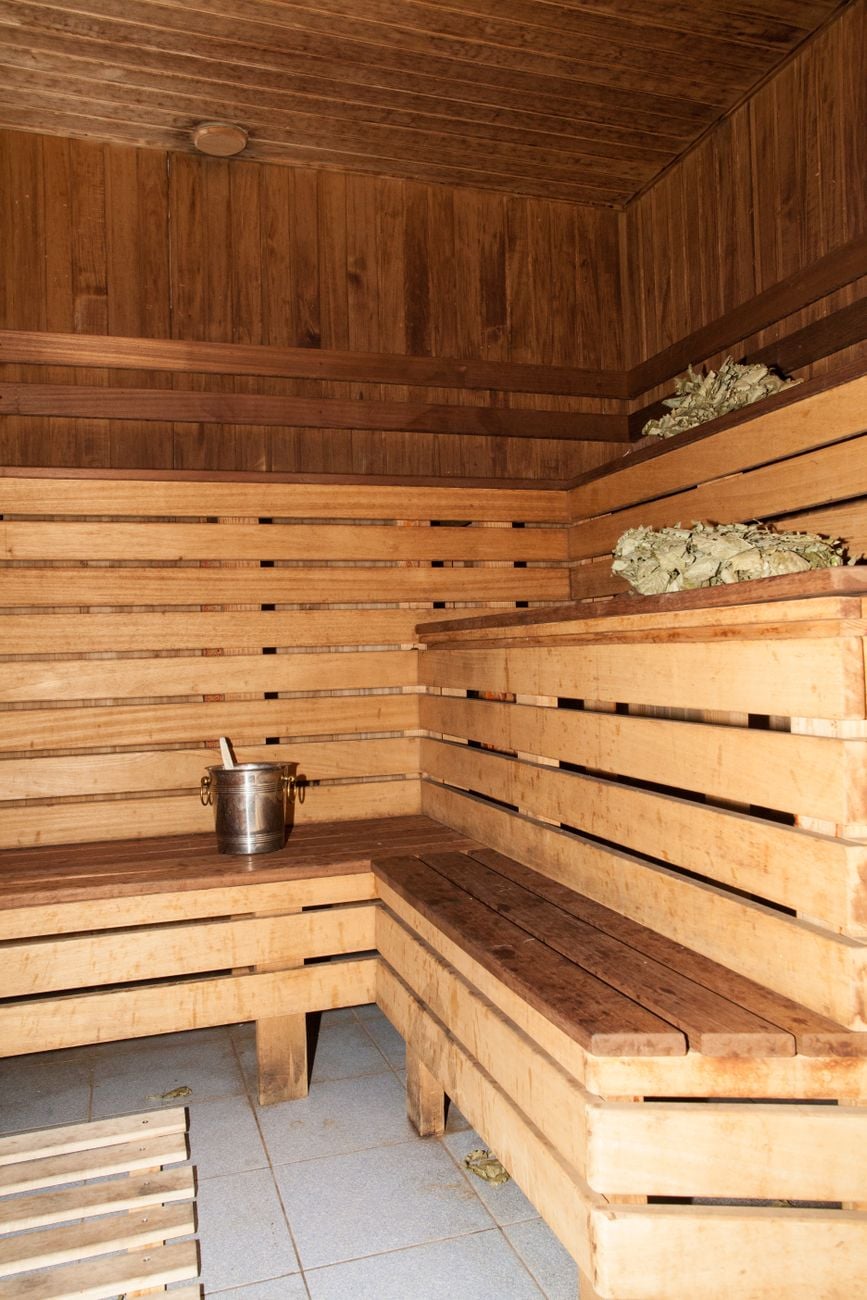
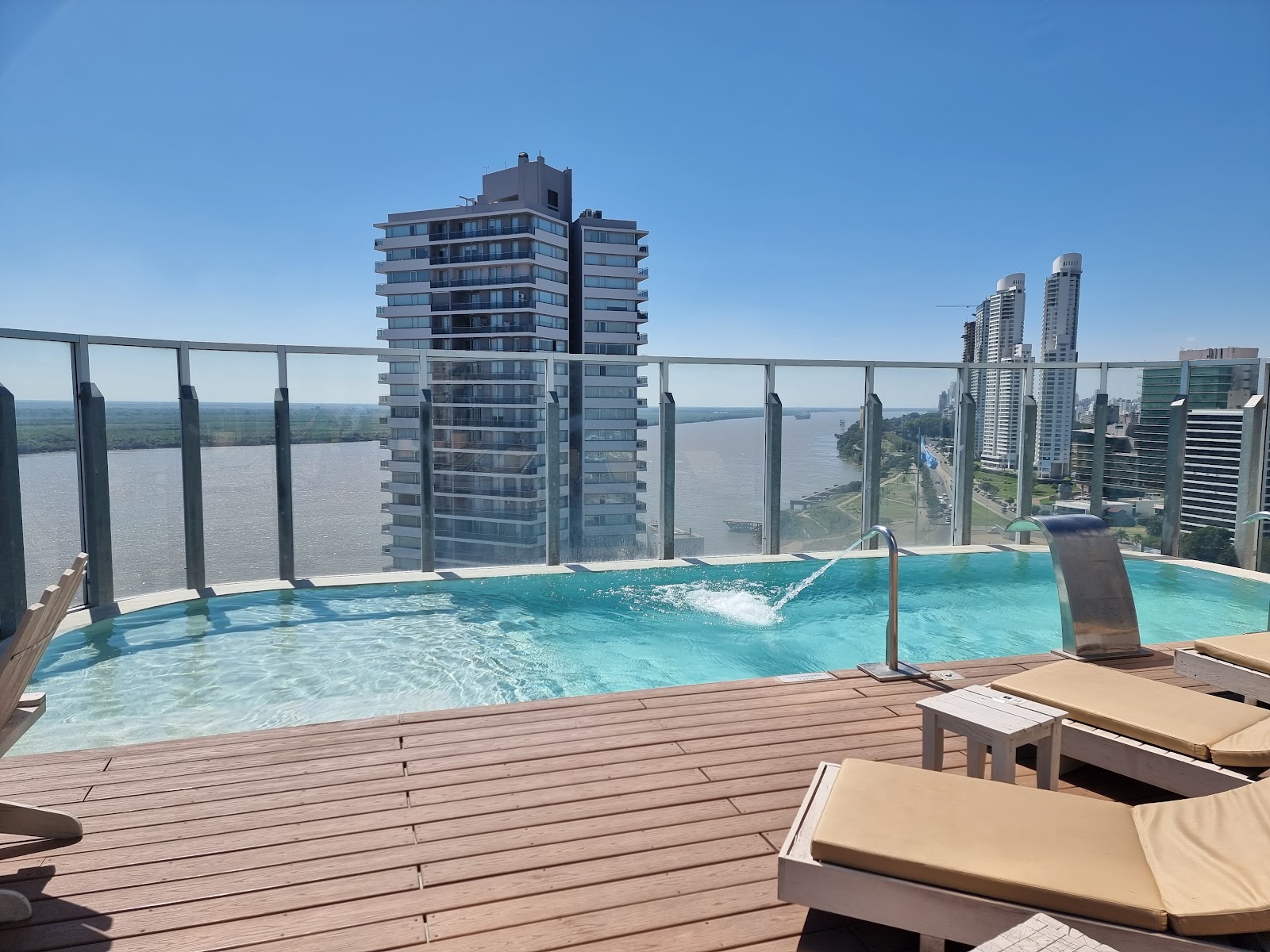
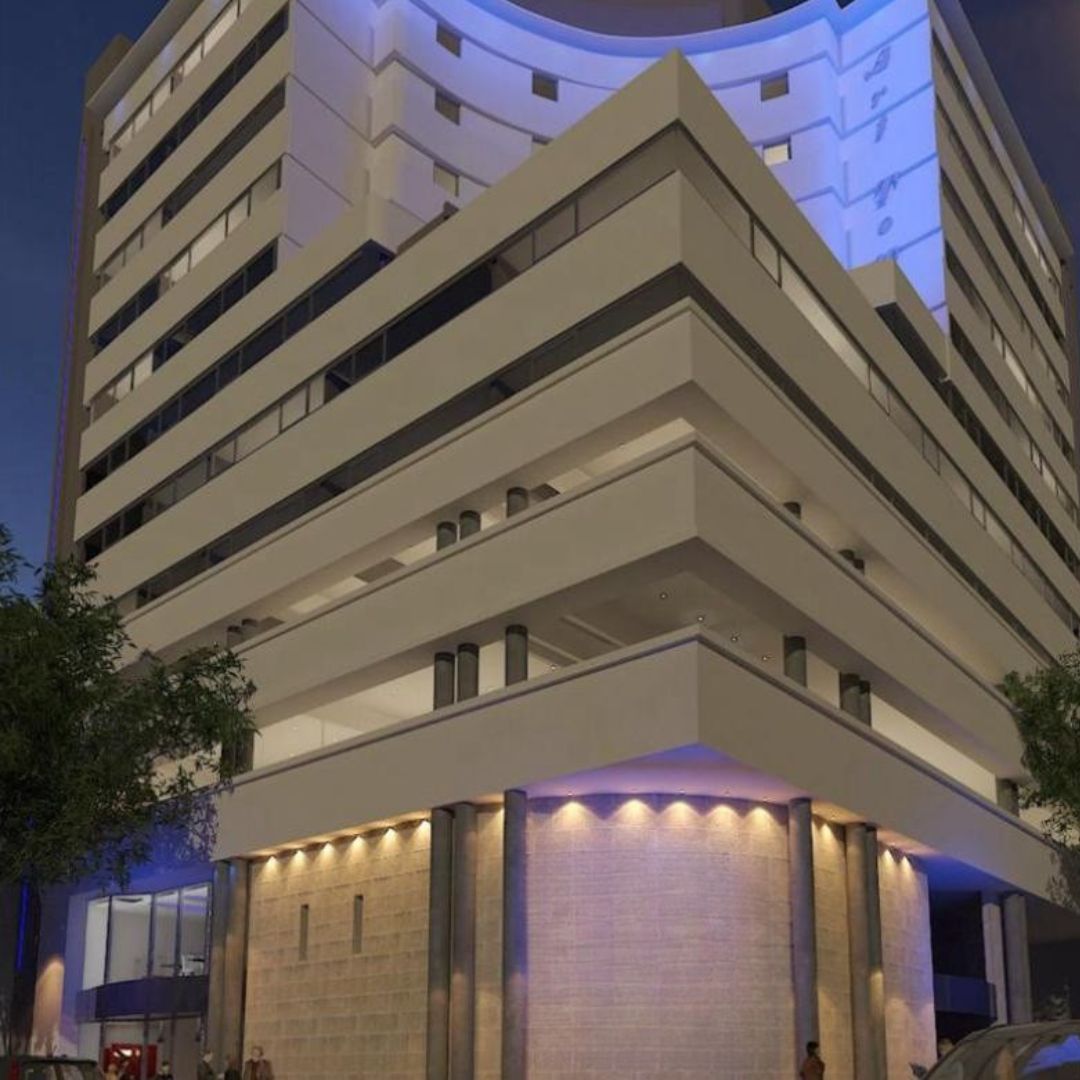
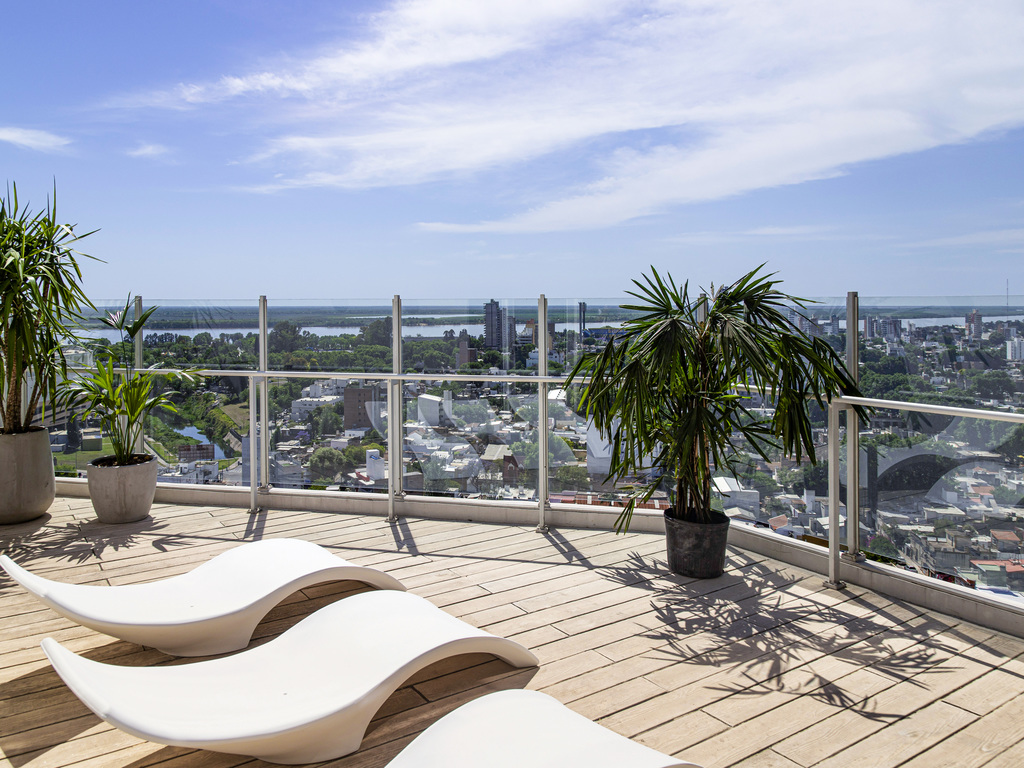
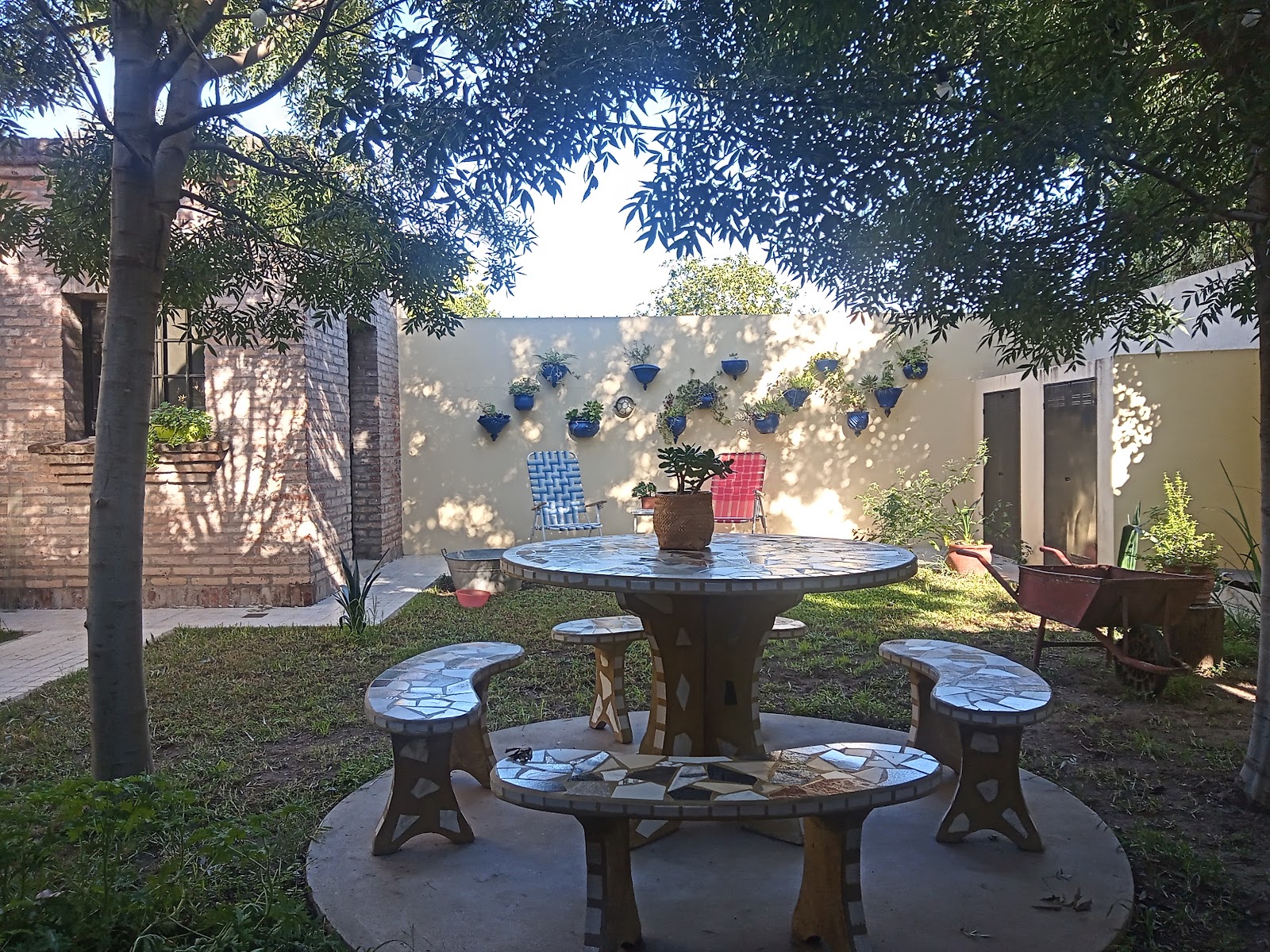
Small, honest gay sauna on Marcos Paz - jacuzzi, wet and dry saunas, private cabins, lockers and a bar. Basic but well-kept; the pool is the crowd favourite. Daily 3-11pm, Saturdays to midnight.
The Rosario branch of ATEM — Argentina's pioneering trans and travesti rights organisation, providing legal support, health services, and advocacy for Rosario's trans community.
Rosario, a significant Argentine city, fosters a well-established LGBTQ+ community. Its history of progressive politics and organized labor has provided fertile ground for social progress, contributing to a visible and active queer presence over the years. Argentina's pioneering legislation, including same-sex marriage in 2010 and gender identity recognition in 2012, has been embraced locally. The city's authorities have shown support for LGBTQ+ initiatives, contributing to its reputation as a welcoming destination in South America.
Neighborhoods and Layout
The city's geography is defined by the Paraná River. LGBTQ+ life clusters in a few areas: the Centro (downtown), where most gay bars sit along the Tucumán, Güemes and Laprida corridor; Pichincha, the bohemian former red-light barrio just north of Centro that is now Rosario's densest nightlife district; and the Costanera (riverfront promenade), whose Paseo de la Diversidad hosts the annual Pride march.
Centro, the city's historic core, is where many gay bars and clubs are found. This area is easily navigated on foot and by public transport, offering a mix of bookstores, cafes, cultural spaces, and restaurants alongside the nightlife. It maintains a lively and secure atmosphere, particularly in the evenings and on weekends.
Just north of Centro, Pichincha is Rosario's bohemian nightlife hub — a historic barrio of restored houses now packed with bars and clubs. It is mixed and alternative rather than exclusively gay, but it draws a queer-friendly crowd and anchors much of the city's late-night scene.
The Costanera is a riverside park featuring pedestrian paths, public art, and river views. While not exclusively an LGBTQ+ hub, it serves as a popular gathering spot for residents and visitors, with certain sections attracting a queer presence on weekends. It's an ideal location for walking, cycling, and enjoying outdoor activities.
Venues and Nightlife
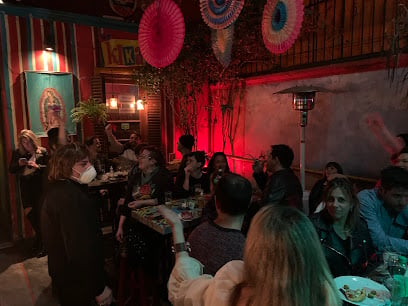
Rosario's LGBTQ+ nightlife is genuine and welcoming, though smaller in scale than Buenos Aires. The scene centres on a handful of dedicated venues in Centro: Kika (Urquiza 1580), a bar-theatre-disco that is the city's best-known LGBTQ+ nightspot and a Pride-week fixture; El Refugio (Laprida 847), a long-running gay after-hours club with drag shows; Club Mercury (Tucumán 1008), a gay dance club that took over the former La Casa de Cristal; and El Beso (Güemes 2655), a gay pub. La Coctelera (Sarmiento 209) is a popular LGBTQ+-friendly cocktail bar. Most open Thursday to Sunday, with the biggest crowds on Friday and Saturday nights.
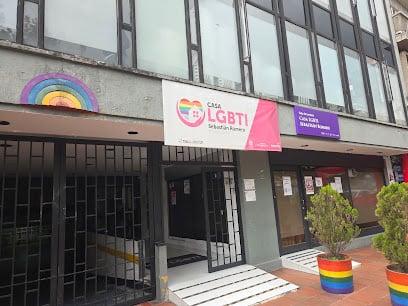
Alongside dedicated gay venues, many mainstream bars and clubs — especially in Pichincha — attract a mixed crowd that includes LGBTQ+ patrons. For a men's sauna, Rosario has two gay options: Aqua (Maipú 1282) and Midas Spa for Men (Marcos Paz 3456). Community life is anchored by VOX Asociación Civil, Santa Fe's pioneering LGBTQ+ organization, and the municipally supported Casa LGBTI (Córdoba 3650).
Rosario's strong café culture means that many cafes in Centro serve as informal gathering places for locals throughout the day and evening, offering spaces for socializing and casual meetings.
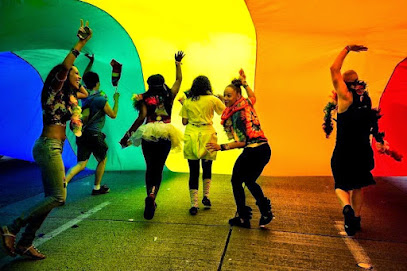
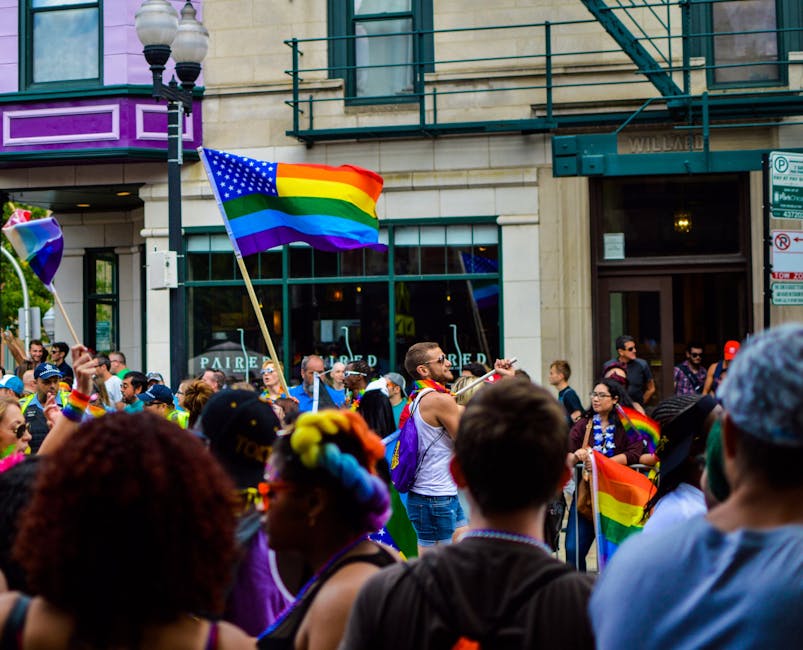
Rosario's Marcha del Orgullo (Pride march) is held in early October — distinct from the Buenos Aires march in November — and is one of Argentina's largest Pride celebrations outside the capital, drawing crowds of over 100,000. The 2026 edition is the 20th. The march traditionally ends at the Monumento a la Bandera on the riverfront, with a Feria Orgullosa (pride fair) at Plaza Libertad, live performances, and associated nightlife events across the surrounding days.
Throughout the year, Rosario hosts various LGBTQ+ cultural events. The city's film festival circuit frequently features queer cinema at local venues. Theater productions, art exhibitions, and community gatherings are common, reflecting the city's cultural activity.
Where to Stay
Centro is the most convenient neighborhood for LGBTQ+ visitors, providing close proximity to gay venues, dining, and cultural attractions. Accommodation options in Centro range from budget hostels to mid-range and higher-end hotels. Staying here ensures easy access to the city's nightlife and attractions.
The Costanera area has seen recent development in tourism infrastructure, offering hotels with river views, though it is less directly connected to the LGBTQ+ scene than Centro.
Hostels in Centro are a popular choice for international travelers, often providing a welcoming atmosphere and social opportunities, along with local information.
Rosario is generally considered safe for LGBTQ+ travelers. Argentina's legal framework offers strong protections for LGBTQ+ individuals, and Rosario is known for its progressive stance. Public displays of affection between same-sex couples are generally accepted in Centro and most tourist areas.
As in any urban environment, standard safety precautions are recommended: avoid isolated areas late at night, secure valuables, and remain aware of your surroundings. Petty theft can occur in crowded places, so exercising common sense is advised.
The city offers a more affordable travel experience compared to Buenos Aires, which can be beneficial for extended stays. Most venues, restaurants, and attractions are reasonably priced.
Transportation
Rosario is a compact city, particularly Centro and the Costanera, making it easily walkable. Most gay venues are within walking distance of central hotels.
The city's public bus system is extensive and inexpensive, though routes may appear complex to new visitors. Many travelers can navigate the city without relying on buses by staying in or near Centro.
Taxis are readily available and reasonably priced. Ride-sharing applications also operate in Rosario.
Rosario International Airport offers connections to Buenos Aires and some regional destinations. Many international travelers arrive in Buenos Aires and then travel to Rosario by bus (approximately 4.5 hours) or domestic flight. The bus journey is an economical option and offers views of the Argentine countryside.
Food and Dining
Rosario's culinary scene is influenced by Argentine traditions and local river products. The city is known for regional specialties, including empanadas and dishes featuring fish from the Paraná River.
Centro offers a variety of restaurants, from traditional parrillas (steakhouses) to contemporary dining establishments. Many are welcoming to LGBTQ+ diners. The local wine selection is notable, with many restaurants featuring regional Malbecs and other varieties.
Café culture is integral to Rosario life, with cafes serving as common spaces for locals to spend time over coffee or wine.
Day Trips and Nearby Attractions
Rosario's riverside location provides opportunities for boat excursions and visits to nearby islands, some accessible by public ferry. These islands offer natural settings and local dining options.
The city is within driving distance of Argentine wine regions, although most wine tours originate from Buenos Aires. Day trips to smaller towns and rural areas can be arranged.
Within the city, cultural attractions include museums dedicated to Argentine history, art, and the life of Ernesto "Che" Guevara, a native of Rosario. These offer options for cultural exploration, often at low or no cost.
Practical Tips
Spanish is the primary language. English is spoken in tourist-focused establishments but is not universally prevalent. Learning basic Spanish phrases is recommended.
The Argentine peso is the currency. ATMs are widely available in Centro, and credit cards are accepted at most restaurants and hotels.
Rosario is in the Southern Hemisphere, so seasons are reversed. The October Pride march falls in mid-spring, with warm and pleasant weather. Summer (December-February) is hot and can be humid. Winter (June-August) is mild and can be damp.
Visas are not required for most Western passport holders for stays up to 90 days, but this should be confirmed based on individual citizenship.
Who Should Visit
Rosario is suitable for LGBTQ+ travelers seeking an authentic Argentine cultural experience without the scale of Buenos Aires. It appeals to those interested in attending Pride, experiencing a genuine queer community, enjoying local cuisine and wine, or simply spending time in a progressive and welcoming city. The pace is relaxed, costs are reasonable, and the community is generally welcoming.
Frequently asked questions
Yes, Rosario is considered one of the safest and most welcoming cities in South America for queer travelers. The local government has supported LGBTQ+ events and protections.
Rosario's dedicated gay bars and clubs are concentrated in Centro (downtown), along the Tucumán–Güemes–Laprida corridor. The adjacent Pichincha barrio is the city's densest general nightlife district and draws a queer-friendly crowd, while the Costanera riverfront and its Paseo de la Diversidad host the annual Pride march.
Rosario's gay scene is modest compared to Buenos Aires but is described as genuine and welcoming.
Most gay bars and clubs in Centro traditionally operate primarily Thursday through Sunday, with larger crowds on Fridays and Saturdays.
While there isn't one exclusively LGBTQ+ neighborhood, venues are concentrated in the Centro area. The Costanera can also have an LGBTQ+ presence on weekends as a major gathering space.
Rosario's core LGBTQ+ venues sit in Centro: Kika (Urquiza 1580), El Refugio (Laprida 847), Club Mercury (Tucumán 1008) and El Beso (Güemes 2655), plus the LGBTQ+-friendly cocktail bar La Coctelera (Sarmiento 209). The adjacent Pichincha barrio adds mixed nightlife, and VOX Asociación Civil and the Casa LGBTI (Córdoba 3650) are the main community organizations. Check each venue's social media for current hours.
Rosario's Marcha del Orgullo takes place in early October — the 2026 edition is the 20th. The march ends at the Monumento a la Bandera on the riverfront, with a Feria Orgullosa (pride fair) at Plaza Libertad and a closing festival. It is separate from the Buenos Aires march, which is held in November.
Your privacy choices.
We use cookies to run GayOut and, with your consent, measure usage. Learn more
Your privacy choices
We use cookies to keep GayOut running, remember your preferences, and (with your permission) measure how the site is used. You can accept all, reject all, or pick what you allow. Learn more
Essential
Required for sign-in, fraud prevention, CSRF protection and remembering your language. Cannot be disabled.
Always on
Remembers your favourites, dark mode and other interface preferences across visits.
Helps us understand which pages people visit (Google Analytics, server-side stats) so we can improve.
Used by campaign tracking pixels. None are active right now, reserved for future use.
Install GayOut
Add GayOut to your home screen for faster access, offline favourites, and Pride alerts.





 Gay Bars & Clubs
Featured
(1491)
Gay Bars & Clubs
Featured
(1491)