Obergefell v. Hodges (26 Haziran 2015) uyarınca evlilik eşitliği mevcut. Saygı Evlilik Yasası (Aralık 2022), gelecekteki Yüksek Mahkeme kararlarından bağımsız olarak tüm geçerli eşcinsel ve karma evliliklerin federal tanınmasını zorunlu kılan bir federal zemin sağlıyor. Bostock v. Clayton County (2020) kararı, Sivil Haklar Yasası'nın VII. Başlığı'nın cinsel yönelim ve cinsiyet kimliği temelinde istihdam ayrımcılığını yasakladığına hükmetti. Konut veya kamu alanlarında kapsamlı bir federal ayrımcılık karşıtı yasa bulunmuyor.
North Carolina's LGBTQ+ scene has grown significantly over the past two decades, particularly in its urban centers. The state's largest city, Charlotte, has emerged as the primary hub for gay tourism, while the Research Triangle (Raleigh, Durham, and Chapel Hill) offers a college-town atmosphere with strong community support. Wilmington and Asheville also have growing LGBTQ+ populations and increasingly welcoming establishments.
HISTORY OF THE LGBTQ+ SCENE
North Carolina's LGBTQ+ movement has roots dating back several decades, though the scene remained relatively underground until the 1990s. Charlotte's gay community organized formally in the 1980s, establishing community centers and advocacy organizations. The 2000s saw visible expansion of nightlife venues, particularly in uptown Charlotte. Raleigh and Durham's LGBTQ+ scenes grew alongside university expansion and tech industry growth. While North Carolina remains in the South with traditional conservative elements statewide, major urban centers have cultivated increasingly visible and organized LGBTQ+ communities. Pride celebrations began small but have grown substantially—Charlotte's Pride now draws tens of thousands of participants annually.
CHARLOTTE: THE PRIMARY GAY HUB
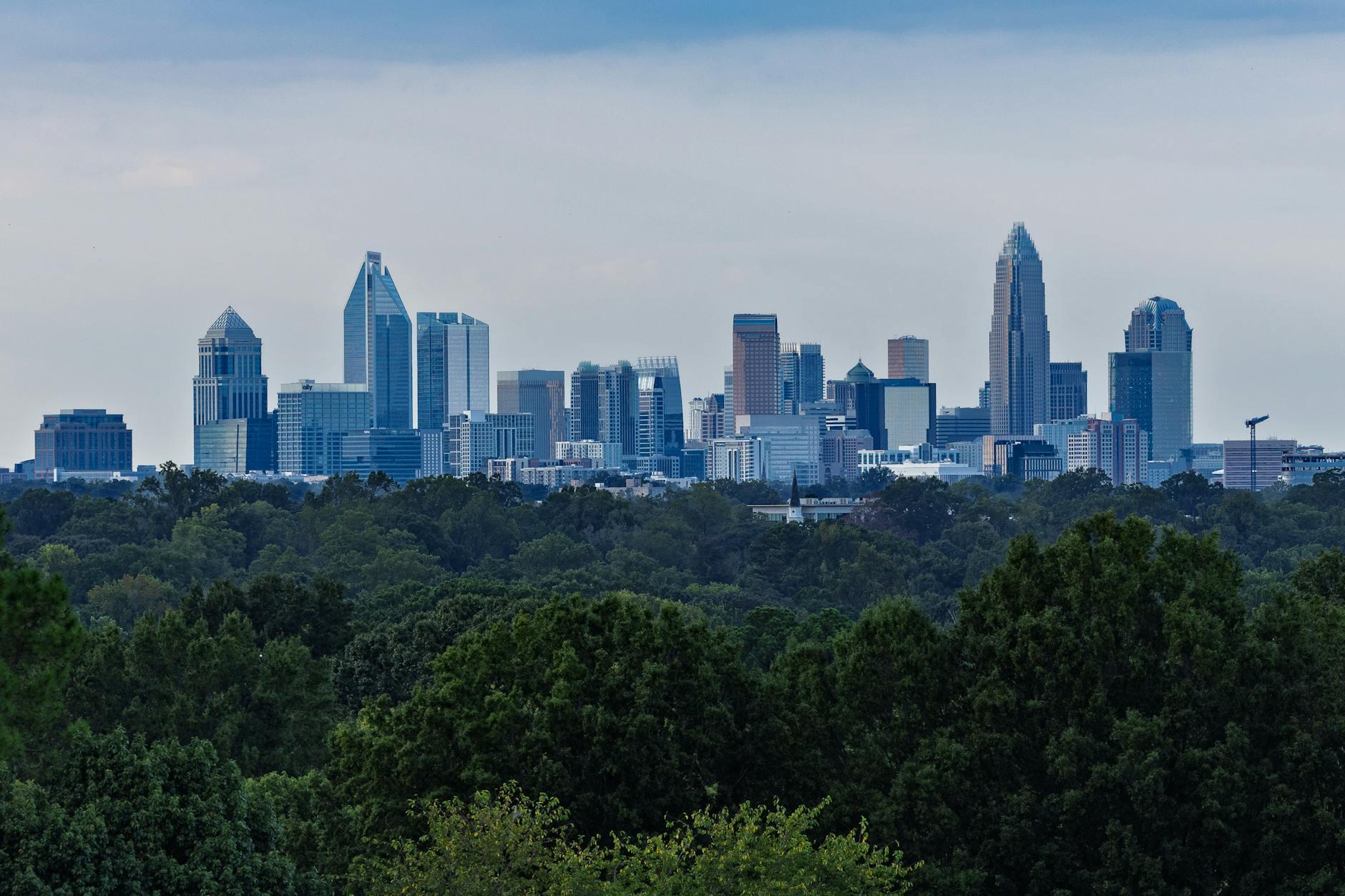
Charlotte is unquestionably North Carolina's gay capital. The city has developed a distinct gay neighborhood in the Uptown area, particularly along Tryon Street and surrounding blocks. This neighborhood contains most of the city's gay bars, clubs, and LGBTQ+-owned businesses. The Uptown district is walkable, well-lit, and generally safe, with a concentration of gay nightlife venues, restaurants, and accommodations.
Key venues in Charlotte include The Scorpio (a long-standing gay bar), Dragonfly (club), and various other bars scattered throughout Uptown. Charlotte's bar scene is relatively modest compared to major gay cities but provides reliable nightlife options. The city also hosts multiple LGBTQ+-owned restaurants and cafes, particularly in the Uptown area.
Charlotte Pride takes place each June and is the state's largest Pride celebration, drawing crowds from across the Southeast. The festival includes a parade through Uptown, vendor booths, entertainment, and multiple-day celebrations. Charlotte also hosts other LGBTQ+ events throughout the year, including film festivals and community gatherings.
THE RESEARCH TRIANGLE: RALEIGH, DURHAM, AND CHAPEL HILL
The Research Triangle offers a different experience from Charlotte—smaller, more college-oriented, and distinctly progressive. Raleigh, the state capital, has a modest gay scene centered around downtown establishments and local LGBTQ+ community organizations. Durham and Chapel Hill, home to Duke University and University of North Carolina respectively, have vibrant LGBTQ+ communities rooted in academia and progressive politics.
Chapel Hill is particularly known for its liberal politics and visible LGBTQ+ community. The town features LGBTQ+-owned businesses, affirming churches, and community spaces. While the bar scene is smaller than Charlotte, the overall atmosphere is welcoming and progressive.
The Triangle Pride festival occurs annually (typically in spring) and brings together communities from all three cities. It's smaller than Charlotte Pride but reflects the region's strong LGBTQ+ community engagement.
OTHER NOTABLE CITIES
Asheville, located in the Blue Ridge Mountains, has developed a reputation as an arts-oriented, progressive town with growing LGBTQ+ visibility. The city attracts creative professionals and has LGBTQ+-friendly venues, restaurants, and accommodations. Wilmington, a coastal city, has a small but present LGBTQ+ community and serves as a base for exploring the North Carolina coast.
VENUES AND NIGHTLIFE
Charlotte's Uptown remains the primary nightlife destination. While the bar scene is not massive, venues are concentrated geographically, making bar-hopping accessible. Most gay bars are casual rather than upscale, with a mix of dancing, karaoke, and social drinking. The scene tends toward friendly and inclusive rather than intensely clubby.
Raleigh and Durham have fewer dedicated gay bars, though LGBTQ+-owned and LGBTQ+-friendly establishments exist. Chapel Hill's scene revolves more around community spaces, campus organizations, and events rather than a traditional bar district.
While sauna culture exists in major cities, it's not a prominent feature of North Carolina's gay scene compared to larger metro areas.
Charlotte Pride (June) is the flagship event, featuring a full parade, festival grounds, multiple stages, and celebrations extending over a weekend. It draws 50,000+ participants and is family-oriented as well as party-focused.
Raleigh Pride (typically April) is smaller but growing. Triangle Pride draws from all three cities. These events are important community gatherings and good times to visit.
Many cities host smaller LGBTQ+ events, film festivals, and community celebrations throughout the year. Local Pride organizations and community centers can provide current event information.
WHERE TO STAY
Charlotte has multiple LGBTQ+-friendly hotels, particularly in the Uptown area and near the city center. Major hotel chains include Kimpton Hotels (known for LGBTQ+ friendliness) and numerous independent boutique hotels. Airbnb and vacation rental services are widely available throughout the state.
Raleigh and Durham have LGBTQ+-friendly accommodations, though options are less concentrated. Chapel Hill has various hotels and bed-and-breakfasts serving travelers.
Asheville offers mountain scenery, arts culture, and progressive communities. Visitors can combine mountain activities with LGBTQ+-friendly dining and lodging. The Blue Ridge Parkway nearby is a scenic attraction accessible for day trips.
SAFETY CONSIDERATIONS
Major urban areas (Charlotte, Raleigh, Durham, Chapel Hill) are generally safe for LGBTQ+ travelers. Uptown Charlotte and downtown areas of other cities are well-lit and patrolled. Standard urban safety practices apply.
Rural areas outside major cities are more conservative and may be less welcoming, though serious incidents are uncommon. LGBTQ+ travelers should exercise typical caution and use common sense when traveling outside urban centers.
Public displays of affection are generally accepted in urban areas but may attract attention in conservative rural areas.
TRANSIT
Charlotte has a light rail system (LYNX) connecting Uptown and surrounding areas—useful for getting around the gay district without driving. The city is otherwise car-dependent. Ride-sharing services are widely available.
Raleigh, Durham, and Chapel Hill have limited public transit. Having a car is beneficial, though downtown areas are walkable. Ride-sharing is reliable.
FOOD AND DINING
North Carolina has a growing food scene, particularly in Charlotte and Raleigh. Uptown Charlotte has numerous restaurants ranging from casual to upscale, many LGBTQ+-owned or friendly. BBQ is a regional specialty. The Research Triangle has a robust restaurant scene reflecting its educated, cosmopolitan population.
Chapel Hill offers college-town dining with diverse options. Asheville's food scene reflects its progressive, arts-oriented culture with excellent restaurants and cafes.
DAY TRIPS AND ACTIVITIES
From Charlotte, day trips include natural attractions and nearby towns. From the Triangle, travelers can visit Duke University's beautiful campus or explore downtown areas.
From Asheville or mountain regions, outdoor activities include hiking, waterfalls, scenic drives on the Blue Ridge Parkway, and small mountain towns. The Outer Banks beaches are accessible as longer day trips from eastern North Carolina cities.
CONCLUSION
North Carolina offers LGBTQ+ travelers a welcoming experience in progressive urban centers, with Charlotte providing the most developed gay infrastructure. The state combines urban nightlife with natural attractions, making it suitable for various travel preferences. Visitors should concentrate time in major cities for the most visible LGBTQ+ community and infrastructure.
Sıkça sorulan sorular
The South End neighborhood is the primary gay district in Charlotte, located south of downtown. This area has attracted LGBTQ+ residents and businesses, offering restaurants, bars, and retail spaces and is walkable with good transit access.
The Research Triangle is another significant LGBTQ+ hub. Chapel Hill has the most visible and organized gay community due to the university. Raleigh has been growing its scene with community organizations, and Durham has an emerging LGBTQ+ presence.
Charlotte's South End has hosted various bars and clubs catering to LGBTQ+ clientele, though specific venues change. Historically, these have included dance clubs, casual bars, and lounges. Travelers should research current venues as the nightlife landscape evolves.
Charlotte Pride began in 1997 and has grown into a significant regional event. Specific dates for the event are not provided in the guide.
Asheville, in the western mountains, has developed a reputation as artsy and progressive with a visible LGBTQ+ presence. While smaller than Charlotte or the Triangle, it is noted as having a present LGBTQ+ community.
North Carolina has seen increasing LGBTQ+ visibility and protections in urban areas. However, it remains a politically mixed state with conservative areas outside major cities.
Gizlilik tercihlerin.
GayOut'u çalıştırmak ve onayınızla kullanımı ölçmek için çerezler kullanıyoruz. Daha fazla bilgi
Gizlilik tercihlerin
GayOut'u çalışır tutmak, tercihlerini hatırlamak ve (izninle) sitenin nasıl kullanıldığını ölçmek için çerez kullanıyoruz. Tümünü kabul edebilir, tümünü reddedebilir veya neye izin vereceğini seçebilirsin. Daha fazla bilgi
Zorunlu
Giriş, dolandırıcılık önleme, CSRF koruması ve dil tercihinin hatırlanması için gerekli. Devre dışı bırakılamaz.
Her zaman açık
Favorilerini, koyu modu ve diğer arayüz tercihlerini ziyaretler arasında hatırlar.
İnsanların hangi sayfaları ziyaret ettiğini anlamamıza yardımcı olur (Google Analytics, sunucu tarafı istatistikler) — böylece geliştirebiliriz.
Kampanya takip pikselleri tarafından kullanılır. Şu anda hiçbiri aktif değil, ileride kullanılmak üzere ayrılmıştır.
GayOut'u Yükle
GayOut'u ana ekranına ekle; daha hızlı erişim, çevrimdışı favoriler ve Pride bildirimleri kazan.




 Gay-Friendly Barlar ve Kulüpler