כל מה שכדאי לדעת לפני הנסיעה.
North Carolina's LGBTQ+ Travel Guide
North Carolina's LGBTQ+ community has grown significantly over the past few decades, particularly in its urban centers. While the state remains politically diverse, cities like Charlotte and the Research Triangle area have become notable hubs for LGBTQ+ life and advocacy. Charlotte Pride, established in 1997, is now a major regional event.
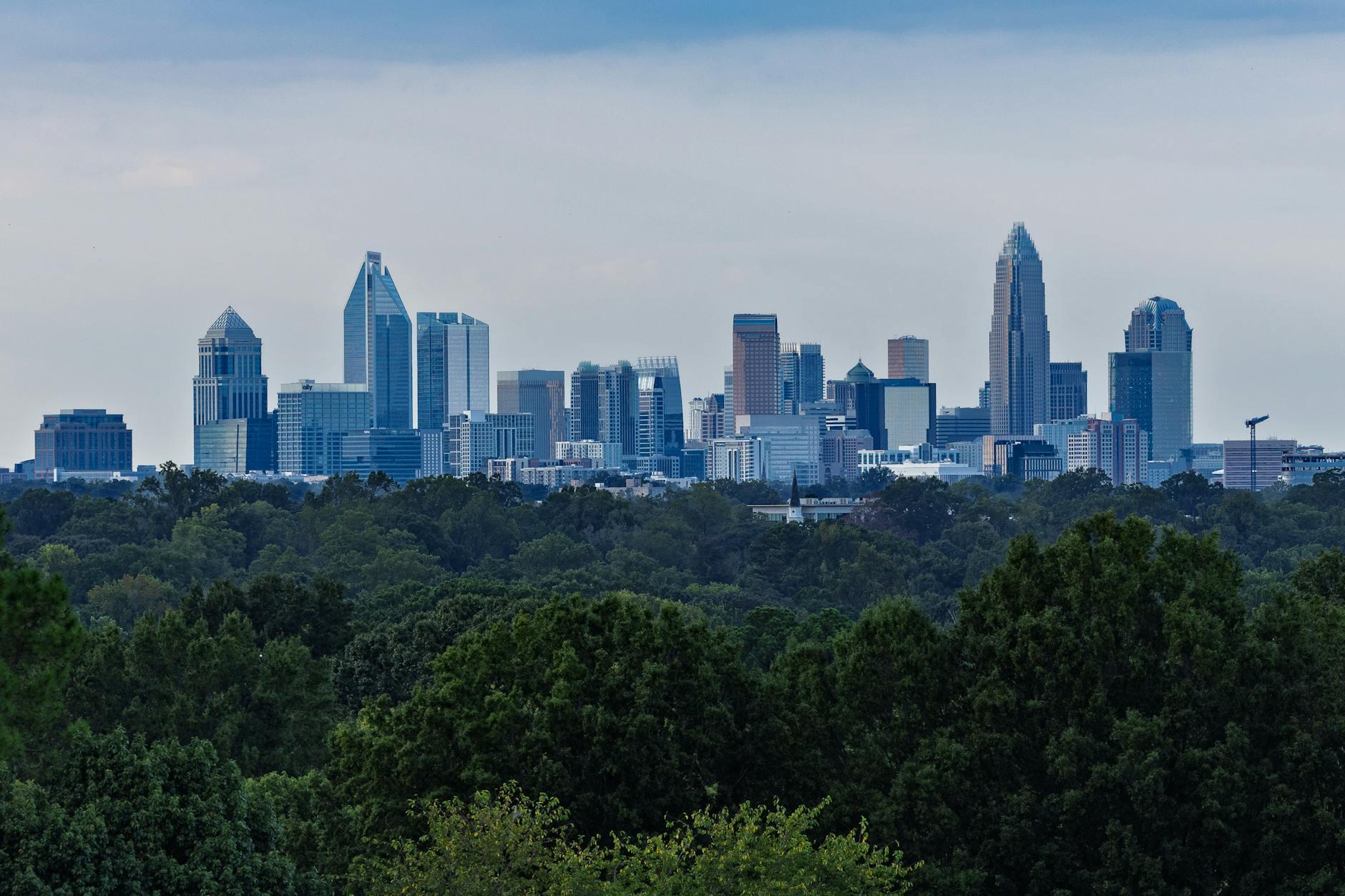
Charlotte offers the state's most extensive LGBTQ+ infrastructure. The South End neighborhood, south of downtown, is a focal point for LGBTQ+ residents and businesses, featuring a range of dining, bar, and retail options. This area is accessible by light rail and is also a popular destination for young professionals.
The Research Triangle, encompassing Raleigh, Durham, and Chapel Hill, is another key area. Chapel Hill, home to UNC, has a particularly visible and organized LGBTQ+ community, influenced by the university's progressive atmosphere and active student and community groups. Raleigh, the state capital, has seen its LGBTQ+ scene expand with new organizations and social gatherings. Durham, a revitalized former industrial city, also has a growing LGBTQ+ presence. Smaller but active LGBTQ+ communities can be found in Greensboro, Wilmington, and Asheville. Asheville, nestled in the western mountains, is known for its artsy and progressive culture, with a noticeable LGBTQ+ population.
In Charlotte, the South End neighborhood has historically been home to various LGBTQ+-focused bars and clubs. The types of venues and their specific offerings can evolve, so checking current listings is advisable. The Research Triangle area also has LGBTQ+-friendly establishments, often found near university campuses or in downtown districts. Community centers in these areas may also host events.
Charlotte Pride, typically held in September, is the state's largest Pride celebration, drawing attendees from across the Southeast with its parade, festival, and entertainment. Other cities host smaller Pride events, usually in June or September.
Charlotte provides numerous hotel options, particularly in and around South End. The Research Triangle offers a wide range of accommodations catering to university visitors and business travelers. Airbnb and other short-term rentals are available in major cities.
North Carolina does not have statewide non-discrimination laws based on sexual orientation or gender identity in public accommodations, employment, or housing. However, cities like Charlotte and Chapel Hill have local ordinances that offer these protections. Urban areas generally provide a welcoming environment for LGBTQ+ travelers due to established community networks. Rural and more conservative areas may be less openly welcoming. Public displays of affection are generally accepted in urban neighborhoods but might attract attention in smaller towns. Healthcare providers in major cities are more likely to have LGBTQ+ competency, though this can vary in rural locations.
Charlotte's public transportation includes a light rail system (Lynx) with service to South End, complemented by bus routes. Walking is a viable option within South End. Raleigh and Durham rely more heavily on bus services and are generally more car-dependent. Chapel Hill's bus system serves its university and downtown areas. Renting a car is practical for exploring beyond these city centers or for travel between cities.
Charlotte's South End offers a diverse culinary scene, from casual cafes to more upscale dining. Uptown Charlotte provides additional options. The Research Triangle is known for its varied dining, including international cuisines, farm-to-table restaurants, and casual eateries, reflecting its college-town and growing urban character. Asheville, despite its size, has a notable restaurant scene focused on creativity and local ingredients.
North Carolina offers extensive outdoor recreation. The Blue Ridge Mountains in the west, with Asheville as a gateway, provide opportunities for hiking and scenic drives. The Outer Banks on the coast offer beach access. Charlotte has urban parks and trails, while the Triangle region features numerous state parks and nature preserves.
North Carolina experiences a moderate climate, with hot, humid summers and mild winters. Spring and fall are ideal for outdoor activities. The state is generally affordable for travelers. Major cities have well-equipped healthcare facilities. The state observes the Eastern Time Zone. Driving is the most common mode of transport, especially outside major urban centers.




 בארים ומועדונים ידידותיים לקהילה הגאה