Англія має одну з найбільш комплексних правових рамок для ЛГБТК+ у світі. Одностатеві сексуальні відносини були декриміналізовані в Англії та Уельсі в 1967 році (Sexual Offences Act), а вік згоди був вирівняний до 16 років у 2001 році. Civil Partnership Act 2004 запровадив юридичне визнання одностатевих пар; Marriage (Same Sex Couples) Act 2014 розширив повні права на шлюб. Equality Act 2010 забезпечує комплексний захист від дискримінації, що охоплює сексуальну орієнтацію та гендерну…
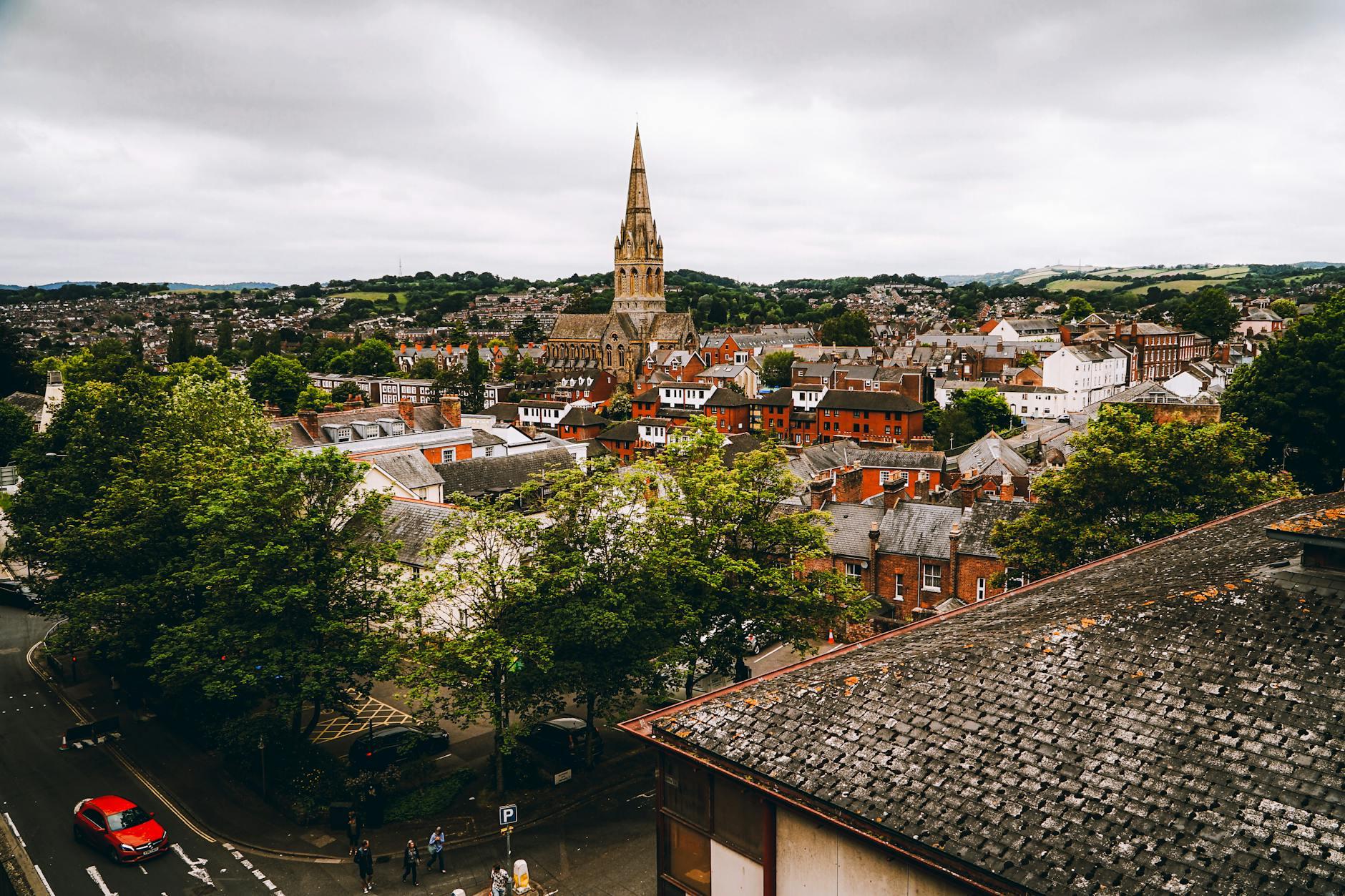
Exeter has a long history as a major English city, and like most UK urban centers, developed an LGBTQ+ community gradually over recent decades. The decriminalization of homosexuality in 1967 and subsequent legal reforms created space for community building, though it took until the 1980s and 1990s before visible gay venues emerged. Today, Exeter's LGBTQ+ scene is characterized by integration rather than segregation—the community is woven into the city's broader social fabric rather than concentrated in a single gayborhood. This reflects contemporary UK urban life, where LGBTQ+ people live and socialize throughout cities rather than in historically defined districts.
Intercom Trust, the South West's leading LGBT+ charity based in Exeter, and the Exeter Pride organisation have been instrumental in building community visibility and support services. Exeter Pride, held each May, has grown from small beginnings to an event drawing several thousand attendees. The Pride festival includes a parade through the city center, stage events, market stalls, and social gatherings. It's smaller and more intimate than Pride events in London, Manchester, or Brighton, which appeals to many visitors seeking community connection without overwhelming crowds.
Neighborhoods and Geography
Exeter's city center is remarkably compact and walkable, making it easy to navigate for visitors. The High Street runs through the heart of the city and contains many shops, cafes, and dining options. The Cathedral Quarter, centered around Exeter Cathedral (built between 1112 and the 1400s), provides historic ambiance and is home to museums, galleries, and restaurants. The Quay, about a 10-minute walk from the High Street along the Exe River, has been revitalized with bars, restaurants, and cultural venues in converted warehouse spaces—this area is popular for evening socializing.
The University Quarter, home to Exeter University's campus, is located on the outskirts and has its own student-oriented social scene. The university's active LGBTQ+ society and student union create welcoming spaces, and several bars near campus are popular with students and young professionals. Because the university is somewhat removed from the city center, the two areas function somewhat separately, with the Quay and High Street forming the main social hub for broader LGBTQ+ community gathering.
Bars, Cafes, and Social Venues
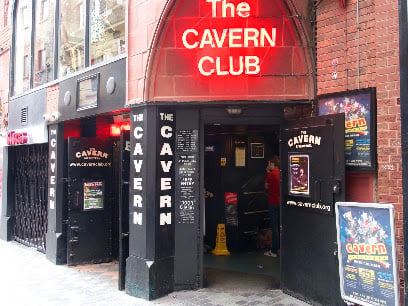
The Vaults, on Gandy Street, is Exeter's dedicated gay bar and nightclub — the city's most established LGBTQ+ venue, open most nights with two bars, DJs and karaoke. Gandy Street, a narrow medieval lane off the High Street, is the closest thing Exeter has to a gay hub. A short walk away, The Cavern on Queen Street is an independent live-music venue that hosts regular queer club nights, most famously Love Shack, one of the city's favourite camp pop parties. The atmosphere across Exeter's venues is relaxed and welcoming, with a mixed clientele — typical of modern UK gay nightlife, where inclusive spaces sit alongside dedicated ones.
The Quay has several bars and cafes popular with LGBTQ+ patrons, including establishments like Timepiece and various riverside cafes. While not exclusively gay venues, they're known for being welcoming and gay-friendly, with regular LGBTQ+ customers and staff. This mixed-venue approach is increasingly common in UK cities where younger LGBTQ+ people often prefer inclusive spaces over exclusively gay venues.
Cafes throughout the city center, particularly independent coffee shops, provide daytime social spaces. These informal gathering points are important for community building and meet-ups. The culture of independent cafes in Exeter is strong, reflecting the city's character as a place valuing locally owned businesses.
Exeter Pride takes place each May (10 May in 2025; Saturday 9 May in 2026). The march gathers at St Sidwell's Community Centre on Sidwell Street around 11:30am before processing through the High Street and city centre, finishing with community celebrations in Northernhay Gardens. Local community organizations, university groups, charities, and businesses participate, making it a genuine community event rather than a purely commercial spectacle.
Beyond Pride, organisations such as Intercom Trust and the Devon charity Proud2Be host regular social events, support groups, and community meetings. These provide opportunities for visitors to connect with locals beyond bar scenes. Monthly social mixers, film nights, and discussion groups are common.
The university hosts LGBTQ+ events throughout the academic year, though access for non-students varies. Student unions often welcome visitors to certain events, particularly during Pride season or for special celebrations.
Where to Stay
Exeter's compact size means most accommodations are conveniently located. Central hotels near the cathedral or High Street put visitors within walking distance of dining, shops, and social venues. The Quay area offers boutique hotels and guesthouses with river views and easy access to bars and restaurants.
Budget options include chain hotels (Travelodge, Premier Inn) found throughout the center and near the train station. Airbnb and guesthouses offer alternatives, with many hosts explicitly indicating they're LGBTQ+-friendly. Exeter's overall reputation for tolerance means LGBTQ+ travelers generally feel safe booking accommodations throughout the city without needing to seek out specifically "gay" lodging.
Exeter is generally very safe for LGBTQ+ visitors. The UK's strong legal protections for LGBTQ+ people, including hate crime legislation and employment protections, mean harassment is rare. Exeter specifically, as a university city with a young, educated population, is particularly liberal. Public displays of affection between same-sex couples are unremarkable.
Standard city safety precautions apply (avoiding isolated areas late at night, staying aware of surroundings), but there are no specific LGBTQ+-related safety concerns in Exeter. The city center is well-lit and heavily foot-trafficked in evenings, and late-night transport options are available.
Transport and Accessibility
Exeter St David's railway station is the main transport hub, located about 15-20 minutes' walk from the city center (or accessible via local buses). Direct trains connect to London Waterloo (about 2 hours), Bristol, Bath, and other UK cities. For visitors arriving by car, the city center has multiple car parks, though pedestrianization of many streets means exploring on foot is preferred.
Within the city, everything is walkable. The terrain is hilly—Exeter sits on a ridge—so flat shoes are helpful. Local bus services connect to outlying areas and the university district. Buses are accessible and LGBTQ+-friendly as part of Devon's public transport system.
Food and Dining
Exeter's dining scene reflects its status as a prosperous, culturally aware city. The High Street has chain restaurants, but independent restaurants are particularly strong. Turkish, Mediterranean, Indian, and vegetarian cuisines are well-represented, appealing to diverse preferences and diets.
The Quay area specializes in riverside dining with views of the water and historic quayside. Restaurants here range from casual to upscale. Many are explicitly welcoming to LGBTQ+ patrons, and LGBTQ+ ownership/staff is not uncommon.
Cafes throughout the city center offer excellent coffee and light meals, reflecting the UK's café culture. Independent bakeries and delis provide casual dining options. Farmers' markets and food festivals occur regularly, showcasing local Devon produce.
Day Trips and Regional Exploration
Exeter's location in Devon makes it an excellent base for exploring the Southwest of England. Several compelling day trips are possible:
Dartmoor National Park lies about 30 minutes north of the city. This stunning landscape of rolling moorland, ancient stone circles, and hiking trails is accessible by car or bus. The small town of Princetown on Dartmoor offers cafes and services. The scenery is spectacular and popular for walking.
Torbay and the English Riviera (Torquay, Paignton, Brixham) lies about 45 minutes south and offers traditional English seaside towns with beaches, arcades, and seafront entertainment. Torquay specifically has a more established LGBTQ+ scene with gay-friendly hotels and bars. A day trip combines beach time with seaside exploration.
Dartmouth, a picturesque coastal town about 40 minutes south, offers harbor views, museums, and historic charm. It's accessible by scenic train ride (the Dartmouth Steam Train, a heritage railway, offers fun journeys) or car.
Sidmouth and the Jurassic Coast (20-40 minutes east) provides seaside villages, dramatic cliffs, and access to UNESCO-listed geology. Multiple villages have tea rooms and beaches.
Tintagel in Cornwall (about 90 minutes southwest) offers legendary Arthurian connections, clifftop castle ruins, and coastal beauty, though it requires a longer day trip.
Beer and Seaton (30 minutes east) are smaller seaside villages with quieter charm, beach access, and riverside walks.
These regional options provide natural beauty, cultural interest, and gay-friendly communities (particularly Torquay) for visitors wanting to explore beyond the city.
Practical Tips for Visitors
Contact Intercom Trust or Visit Exeter ahead of arrival to confirm current venue information and upcoming events. Venues and event schedules can change, so advance research prevents disappointment.
Pride & Events
Pride timing varies by year. If Pride is a priority, confirm dates well in advance and book accommodations early, as the city gets busier during the event.
Exeter's university presence means better prices and more social options during the academic year (September-May) than summer holidays (though summer still offers adequate services). Winter is quieter and wetter but offers fewer crowds.
The city's compact size makes it easy to explore independently. A good map or smartphone GPS is helpful given the hilly terrain and historic street layouts that can feel confusing.
Parking in the city center is challenging; if arriving by car, use the car parks and explore on foot. Public transport and walking are preferable to driving within the city.
The West Country accent can be thick in surrounding areas; city center residents and service staff typically speak standard English.
Exeter's cultural offerings extend beyond LGBTQ+ venues—the Royal Albert Memorial Museum, Exeter Cathedral, and various galleries provide cultural activities. Combining LGBTQ+ social time with broader tourism creates a well-rounded visit.
Conclusion
Exeter offers LGBTQ+ visitors a welcoming, integrated community experience in a beautiful historic city. Rather than a flashy gay tourism destination, it provides genuine local community, cultural interest, and natural beauty. The safety, legal protections, and genuine openness of UK society mean LGBTQ+ travelers can explore confidently. For those seeking quieter alternatives to London or Manchester, or wanting to combine gay social scenes with regional exploration, Exeter serves as an excellent Southwest England base.
Часті запитання
Exeter is recognized as a relatively progressive city with visible LGBTQ+ representation. The city center is the primary hub for LGBTQ+ social life and is generally welcoming to visitors.
Exeter's LGBTQ+ social life is concentrated in the compact city centre. Gandy Street, a medieval lane off the High Street, is the de facto heart of the scene and home to The Vaults, the city's dedicated gay bar and nightclub.
Exeter Pride is held each May (Saturday 9 May in 2026). The march gathers at St Sidwell's Community Centre on Sidwell Street and finishes with celebrations in Northernhay Gardens. It is the city's signature LGBTQ+ event.
Yes. The Vaults on Gandy Street is Exeter's dedicated gay bar and nightclub, open most nights with DJs, karaoke and two bars. The Cavern on Queen Street also hosts regular queer nights such as Love Shack. It is always worth checking current listings via Visit Exeter or the venues' social pages.
Accommodation options range widely. The city center offers several hotels, and the medieval street layout means many are within walking distance of the main social hub.
Beyond Exeter Pride, smaller events are organized throughout the year by local LGBTQ+ groups and student societies. The city also hosts occasional drag nights and LGBTQ+ club events in central venues.
Ваші налаштування конфіденційності.
Ми використовуємо файли cookie для роботи GayOut і, за вашою згодою, для вимірювання використання. Докладніше
Ваші налаштування конфіденційності
Ми використовуємо файли cookie, щоб забезпечити роботу GayOut, зберігати ваші налаштування та (за вашої згоди) вимірювати використання сайту. Ви можете прийняти всі, відхилити всі або обрати, що саме дозволяєте. Докладніше
Необхідні
Потрібні для входу в систему, запобігання шахрайству, захисту від CSRF та збереження вашої мовної локалізації. Не можуть бути вимкнені.
Завжди увімкнено
Запам’ятовують ваші улюблені місця, темний режим та інші налаштування інтерфейсу між візитами.
Допомагає нам зрозуміти, які сторінки відвідують користувачі (Google Analytics, серверна статистика), щоб ми могли покращувати сайт.
Використовується пікселями відстеження кампаній. Наразі жоден не активний, зарезервовано для майбутнього використання.
Встановити GayOut
Додайте GayOut на головний екран для швидшого доступу, офлайн-збереження улюблених та сповіщень про Pride.






 Геї-бари та клуби
Рекомендовано
(130)