Перша країна в Латинській Америці, яка легалізувала шлюб між особами однієї статі (2010). Закон про гендерну ідентичність (2012) дозволяє самоідентифікацію.
San Carlos de Bariloche has become an increasingly popular LGBTQ+ destination in South America, offering a unique combination of world-class outdoor recreation and a genuinely welcoming social environment. Located in Argentina's Lake District within the Río Negro province, Bariloche sits on the shores of Lake Nahuel Huapi and is surrounded by the Andes mountains, making it a year-round destination for different types of travelers.
History and Community Context
Bariloche's LGBTQ+ history reflects broader trends in Argentina, where same-sex marriage has been legal since 2010 and the country is generally considered one of Latin America's most progressive nations regarding LGBTQ+ rights. The city itself developed significantly as a tourist destination from the mid-20th century onward, but its LGBTQ+ scene became more visible and organized in the 2000s and 2010s. The community has organized annual Pride celebrations that have grown substantially, reflecting increasing visibility and acceptance. Bariloche's relatively small but tight-knit LGBTQ+ community tends to be integrated throughout the city rather than concentrated in a single neighborhood, though certain areas have become known as more welcoming and popular gathering spots.
Geography and Neighborhoods
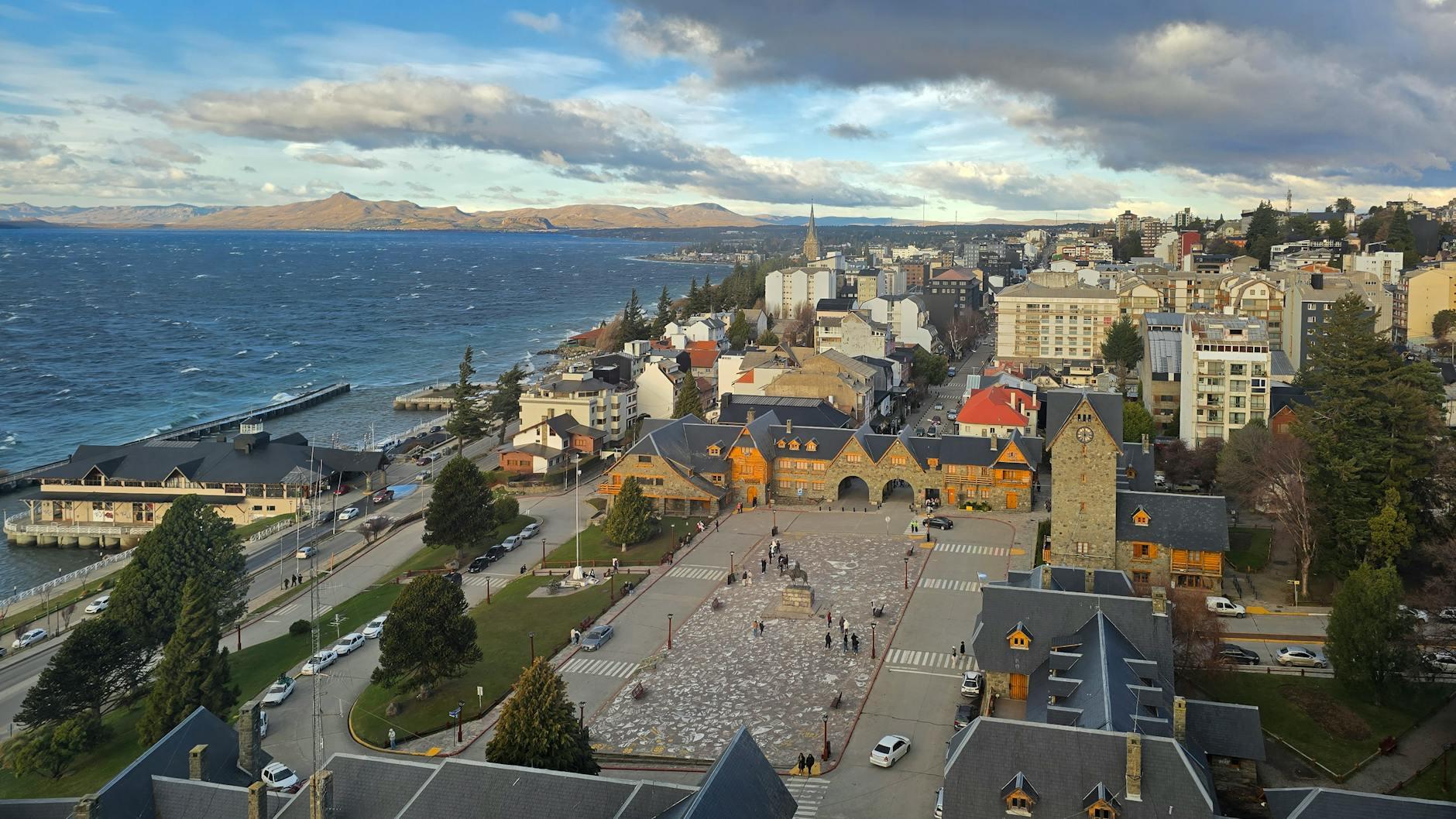
Bariloche's downtown area, centered around Avenida Mitre, forms the commercial and social heart of the city. This main avenue runs parallel to the lake and contains most shops, restaurants, and bars. The area around Plaza Cívica (Civic Center) is another focal point, featuring government buildings, cultural institutions, and nearby dining and entertainment options. The barrio of Villa La Angostura, while a separate town about 80 kilometers away, has also become known as a more upscale LGBTQ+-friendly destination. Within Bariloche proper, the neighborhoods of Centro, Villa Llao Llao (an upscale residential area), and the areas near Circuito Chico are where many LGBTQ+ visitors base themselves. The city is relatively compact and walkable in the downtown area, though exploring further requires transportation.
Venues and Social Spaces
Bariloche's nightlife and social scene differs from larger Argentine cities like Buenos Aires, operating on a smaller but genuine scale. Several bars and cafes in the downtown area welcome LGBTQ+ patrons, though the scene is not as specifically gay-focused as in major metropolitan areas. Venues tend to be mixed spaces where LGBTQ+ locals and visitors mingle with the general population. Bariloche has no dedicated gay bar, club or sauna; the specific venues that welcome LGBTQ+ patrons change from season to season. The city's real LGBTQ+ anchors are its community organisations — the Asamblea de Trolxs Antifascistas (which runs the December Pride march) and the municipal Área de Diversidad Sexual — rather than nightlife. Travelers should check locally on arrival for current recommendations. Several restaurants and cafes throughout the downtown area are known to be LGBTQ+-friendly, and staff at these establishments can typically provide recommendations for other welcoming spaces. The nightlife generally revolves around live music venues, pubs, and dance clubs that operate seasonally or with varying schedules depending on tourist season.
Pride and Events
Bariloche's annual Pride celebration — the Marcha del Orgullo de Bariloche, known locally as "Furilofche" — is held in December, during the Southern Hemisphere's early summer. First held in 2013 and organised by the grassroots Asamblea de Trolxs Antifascistas, it gathers in the afternoon (typically at Plaza de la Escuela de Arte "La Llave") for a feria, DJs and speeches before marching through the city centre, drawing a genuine crowd. Unlike the massive Pride in Buenos Aires, Bariloche's march keeps a community-focused, activist character while attracting visitors from across Patagonia. The event celebrates the city's LGBTQ+ community and progressive values, with local government and businesses increasingly participating. Beyond Pride, Bariloche hosts various cultural and sporting events throughout the year that attract diverse audiences.
Accommodation
Bariloche offers a wide range of accommodations from budget hostels to luxury resorts. While the city does not have exclusively LGBTQ+-specific hotels as commonly found in major cities, many properties are LGBTQ+-friendly and welcoming. Several hostels in the downtown area cater to international travelers and maintain inclusive atmospheres. Mid-range hotels near Mitre Avenue offer convenient access to restaurants, bars, and shops. Luxury options include properties in the Villa Llao Llao area offering stunning lake and mountain views. Booking platforms like Airbnb are widely used in Bariloche, allowing travelers to identify hosts who market themselves as particularly welcoming to LGBTQ+ guests. High season runs during Southern Hemisphere winter (June-September) for skiing and spring-summer (December-February) for hiking and general tourism, so advance booking is recommended during these periods.
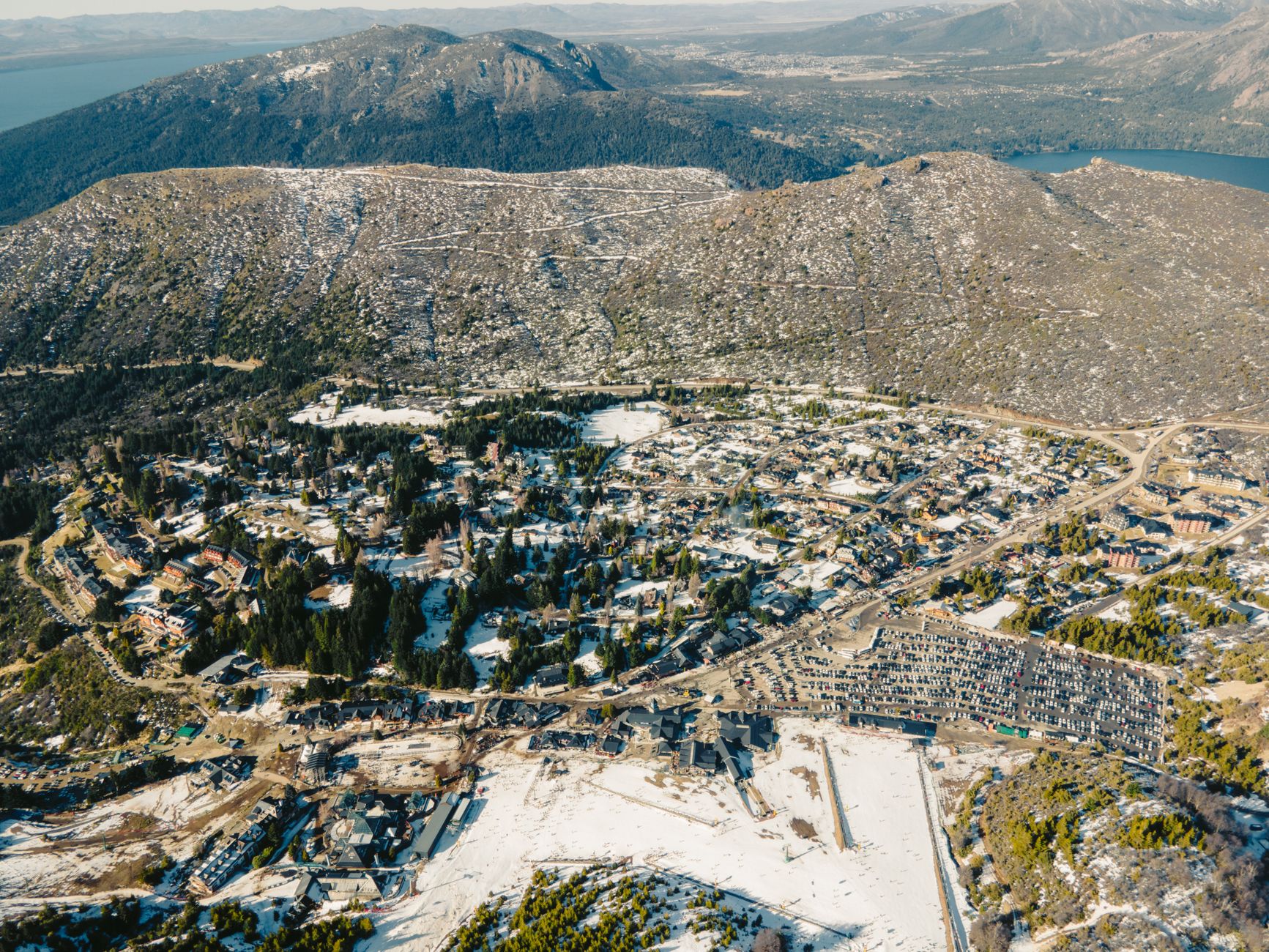
Bariloche's primary draw remains its outdoor recreation. The Circuito Chico, a scenic loop drive through forests and alongside the lake, can be explored by car, bus, or bicycle and takes half to a full day. Cerro Campanario offers hiking trails and cable car access for panoramic views of the lake district. Nahuel Huapi National Park encompasses much of the surrounding area and provides extensive hiking opportunities ranging from day walks to multi-day treks. In winter, Catedral Alta Patagonia ski resort, about 20 kilometers from the city, operates for skiing and snowboarding. Water activities include kayaking on the lake, boat tours, and fishing. The nearby towns of Villa La Angostura and El Bolsón, both within 1-2 hours by bus, offer alternative bases for exploring the region and have their own tourism infrastructure and restaurants.
Dining and Food Scene
Bariloche's dining scene reflects its position as a sophisticated tourist destination. The city is known for its chocolate shops, a legacy of Swiss and German immigration influences, and numerous cafes serve quality coffee and pastries. Restaurants range from casual to upscale, with options including Argentine parrillas (steakhouses), international cuisine, and fusion restaurants. Vegetarian and vegan options are increasingly available, particularly in newer establishments catering to international visitors. The city has a strong cafe culture where locals and tourists spend hours reading, working, or socializing. Many restaurants and bars are concentrated along Mitre Avenue and side streets in the downtown area, making them easily accessible for exploration.
Transportation
Bariloche is served by Aeropuerto Internacional Teniente Luis Candelaria (airport code BRC), which receives domestic flights from Buenos Aires and other Argentine cities plus seasonal international connections. The airport is about 13 kilometers from downtown, with shuttle services, car rentals, and taxis available. Within the city, most downtown areas are walkable. Local buses serve different neighborhoods and surrounding areas, and bus travel to other towns in the Lake District is well-developed with multiple daily services. Renting a car provides more flexibility for exploring the surrounding region, particularly for visiting national parks and scenic routes. Bariloche can also be reached by long-distance bus from Buenos Aires, though this journey takes 19-20 hours.
Safety and Practical Considerations
Argentina is generally welcoming to LGBTQ+ travelers, and Bariloche maintains a progressive, accepting atmosphere. Visible displays of affection between same-sex couples are generally not problematic in the city center or tourist areas. However, as with any travel destination, travelers should exercise standard safety precautions regarding belongings and late-night activities. The city can experience significant weather changes given its mountain location, so appropriate clothing for the season is essential. Summer (December-February) provides long daylight hours and warm weather suitable for hiking and water activities, while winter (June-September) brings snow suitable for skiing but requires warm clothing. Spring and fall offer milder weather and fewer tourists. Argentine Spanish is the language spoken; while English is understood in tourist establishments, learning basic Spanish phrases enhances the experience.
When to Visit
Bariloche is a year-round destination with different appeals by season. Summer offers the best hiking weather and longest days, though it is peak tourist season with higher prices and accommodation crowding. Winter attracts skiers and offers a quieter, more local experience with lower prices. The December Pride march combines early-summer outdoor beauty with a festive, community-focused atmosphere. Shoulder seasons (April-May and September-October) provide good weather, fewer tourists, and reasonable prices.
Bariloche represents an ideal destination for LGBTQ+ travelers seeking authentic mountain adventure combined with genuine community welcome. The city's natural beauty, progressive social environment, and increasingly developed tourism infrastructure make it accessible and enjoyable for diverse travelers.
Часті запитання
Argentina has strong anti-discrimination laws and legal frameworks including marriage equality, which create a foundation for acceptance in Bariloche. While the LGBTQ+ scene is smaller than in Buenos Aires, it is described as genuine and welcoming.
Bariloche has no dedicated gay bars or clubs. LGBTQ+ life centres on gay-friendly cafés, restaurants and mainstream nightlife along Avenida Mitre and around the Centro Cívico, all within a short walk of downtown. The community's real anchors are the December Marcha del Orgullo (Furilofche) and the municipal Área de Diversidad Sexual at Quaglia 740.
Bariloche's gay scene is described as intimate rather than extensive. It tends to integrate with the broader community rather than forming a separate enclave, with social connections often happening organically.
No. Bariloche does not have any dedicated gay bar, club or sauna. Its nightlife is mainstream but welcoming, and same-sex couples are treated without issue. For a dedicated LGBTQ+ scene — gay bars, clubs and saunas — travelers head to Buenos Aires. In Bariloche, the LGBTQ+ substance is the December Pride march and a wide choice of gay-friendly hotels.
Bariloche celebrates Pride in December with the Marcha del Orgullo de Bariloche, known locally as "Furilofche." First held in 2013 and organised by the grassroots Asamblea de Trolxs Antifascistas, the march gathers in the afternoon in the city centre (often at Plaza de la Escuela de Arte "La Llave") before parading through downtown. The 13th edition was held on 20 December 2025.
The city center is compact and walkable, with the main commercial and social hub along Mitre Avenue and radiating from the civic center. Most gay-friendly venues are within a 10-minute walk of the Centro Cívico area.
Ваші налаштування конфіденційності.
Ми використовуємо файли cookie для роботи GayOut і, за вашою згодою, для вимірювання використання. Докладніше
Ваші налаштування конфіденційності
Ми використовуємо файли cookie, щоб забезпечити роботу GayOut, зберігати ваші налаштування та (за вашої згоди) вимірювати використання сайту. Ви можете прийняти всі, відхилити всі або обрати, що саме дозволяєте. Докладніше
Необхідні
Потрібні для входу в систему, запобігання шахрайству, захисту від CSRF та збереження вашої мовної локалізації. Не можуть бути вимкнені.
Завжди увімкнено
Запам’ятовують ваші улюблені місця, темний режим та інші налаштування інтерфейсу між візитами.
Допомагає нам зрозуміти, які сторінки відвідують користувачі (Google Analytics, серверна статистика), щоб ми могли покращувати сайт.
Використовується пікселями відстеження кампаній. Наразі жоден не активний, зарезервовано для майбутнього використання.
Встановити GayOut
Додайте GayOut на головний екран для швидшого доступу, офлайн-збереження улюблених та сповіщень про Pride.


 Дружні ЛГБТК+-дружній готель
(976)