Loi locale: Decriminalised 2012; no anti-discrimination protections; strong social conservatism.
Conseils de sécurité pour les visiteurs →
Ne divulguez pas votre orientation sexuelle au personnel de l'hôtel, aux chauffeurs ou aux guides.
Évitez les démonstrations d'affection publiques, quelles qu'elles soient.
Séjournez dans des hôtels de chaînes internationales (Hilton, Marriott, Hyatt) — ils interrogent rarement les arrangements des clients.
Enregistrez-vous auprès de votre ambassade à votre arrivée — l'aide consulaire pourrait être limitée.
Partagez un point quotidien avec une personne de confiance à l'étranger.
Les annonces sur cette page sont fournies à des fins de réduction des risques et de prise de décisions éclairées lors de vos voyages — et non comme une recommandation de visite.
Si détenu: ne signez aucun document que vous ne comprenez pas. Demandez immédiatement l'aide de votre ambassade et d'un avocat. Ne consentez à aucune fouille téléphonique sans avis juridique.
Billets coupe-file, visites guidées à pied, excursions à la journée et expériences uniques LGBTQ+ friendly — réservation instantanée avec annulation gratuite.
Maseru, la capitale du Lesotho, offre une destination unique et exigeante pour les voyageurs LGBTQ+. Il est essentiel de comprendre le paysage juridique et social avant de visiter.
Contexte juridique et considérations de sécurité
Le Lesotho criminalise les relations sexuelles entre personnes de même sexe en vertu de l'article 38 du Code pénal, avec des peines incluant des amendes et des peines de prison. Cependant, l'application est incohérente et dépend souvent des attitudes locales et de la volonté politique. La loi reflète une législation de l'ère coloniale qui persiste dans de nombreuses nations d'Afrique australe. Bien que les crimes violents contre les personnes LGBTQ+ ne soient pas systématiquement documentés, la discrimination et la stigmatisation sociale sont des préoccupations réelles. La majorité de la population a des opinions conservatrices façonnées par les traditions chrétiennes et les coutumes locales. Les voyageurs doivent faire preuve de discrétion, éviter les démonstrations publiques d'affection et être prudents quant à la divulgation de leur orientation sexuelle ou de leur identité de genre à des inconnus.
Contexte historique
L'histoire LGBTQ+ du Lesotho n'est pas bien documentée dans le discours public. Le militantisme et la visibilité LGBTQ+ ont été limités par les restrictions légales et le conservatisme culturel. Contrairement aux grandes nations africaines dotées de mouvements Pride établis ou de communautés gaies visibles, le Lesotho n'a pas de célébration publique annuelle de la Pride. Cependant, des personnes et des communautés LGBTQ+ existent et ont commencé à trouver des moyens de se connecter, principalement par le biais de réseaux informels et de plus en plus par les médias sociaux et les applications de rencontre. Des organisations internationales et des groupes de défense des droits de l'homme ont documenté la discrimination à l'encontre des personnes LGBTQ+ dans l'emploi, les soins de santé et le logement.
La ville et ses quartiers
Maseru est une capitale tentaculaire, relativement petite pour les standards africains, avec une population d'environ 330 000 habitants. La ville ne possède pas de quartiers ou de districts spécifiquement dédiés à la communauté LGBTQ+. Elle fonctionne plutôt comme une capitale traditionnelle avec des bâtiments gouvernementaux, des marchés, des zones résidentielles et commerciales réparties sur le territoire. Le centre-ville, autour de Kingsway et Main Street, concentre la majorité de l'activité commerciale, des boutiques et des services. Motimposo (la zone des townships) est là où de nombreux résidents vivent dans des logements moins formels.
Parmi les quartiers clés, on trouve le CBD (Central Business District) le long de Kingsway, où se concentrent la plupart des hôtels, restaurants et boutiques. Les zones de Maseru West et Maseru East sont principalement résidentielles. Hillside Nek, en périphérie, est un quartier résidentiel plus aisé. Aucune de ces zones n'est spécifiquement orientée LGBTQ+, et il n'y a pas de bars, clubs ou saunas gays ouverts à Maseru.
Hébergement
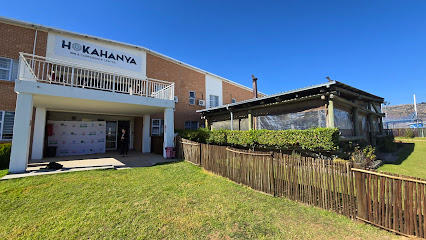
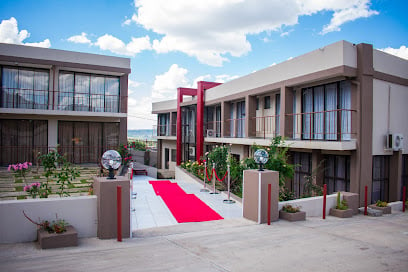
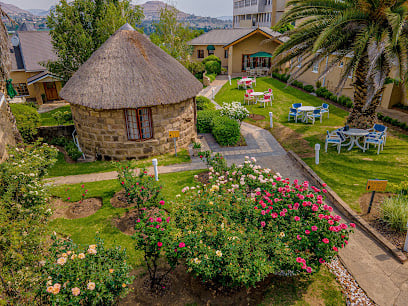
Maseru propose plusieurs hôtels destinés aux voyageurs d'affaires et aux touristes. Le Maseru Sun Hotel and Casino, situé en centre-ville, est l'un des plus grands hôtels et une option fiable pour les visiteurs. Il offre des commodités modernes, un casino et des restaurants. Le Lesotho Sun Hotel (distinct du Maseru Sun) est une autre propriété bien établie. De plus petites maisons d'hôtes et des lodges sont présents dans toute la ville et ses environs. Compte tenu du manque d'hébergements spécifiques pour la communauté LGBTQ+, les voyageurs devraient réserver dans des établissements réputés et suivre les pratiques de sécurité standard en voyage. De nombreux voyageurs préfèrent séjourner dans des hôtels bien notés du centre-ville plutôt que dans des lieux isolés.
Lieux et Vie Nocturne
Maseru ne possède pas de bars, clubs ou établissements de bains spécifiquement dédiés à la communauté LGBTQ+. La vie nocturne y est limitée et se concentre autour des bars et restaurants d'hôtels. Le Maseru Sun Casino and bar attire une clientèle mixte, composée de voyageurs et de locaux. Quelques restaurants et bars opèrent dans le centre-ville, mais il s'agit d'établissements conventionnels sans caractère ou clientèle LGBTQ+ particulière. Les rencontres entre personnes LGBTQ+ se font principalement lors de réunions privées, via des groupes WhatsApp, des applications de rencontre (Grindr, Scruff, Romeo) et les réseaux sociaux en ligne. Les voyageurs souhaitant entrer en contact avec des personnes LGBTQ+ locales sont invités à le faire par des canaux discrets et à faire preuve de prudence lors de rencontres avec des inconnus.
Événements Culturels et Fierté
Maseru n'organise pas de célébration officielle de la Fierté. La visibilité LGBTQ+ durant la saison de la Fierté (généralement en juin) est minime, bien que certaines organisations internationales puissent la reconnaître discrètement. Des organisations de défense des droits humains animent occasionnellement des ateliers ou des événements de sensibilisation, mais il ne s'agit pas de célébrations publiques. L'activisme pour la Fierté au Lesotho tend plutôt à se concentrer sur le plaidoyer, la réforme juridique et le renforcement des communautés locales, plutôt que sur des festivités publiques.
Gastronomie et Restauration
La scène culinaire de Maseru reflète la cuisine sud-africaine et les options internationales. Les plats traditionnels sotho comprennent le papali (feuilles de citrouille), le maïs, les haricots et les ragoûts à base de viande. De nombreux restaurants du centre-ville proposent un mélange de cuisine locale et continentale. Les restaurants des hôtels (Maseru Sun, Lesotho Sun) sont des valeurs sûres pour les repas, bien que les prix y soient plus élevés que dans les établissements locaux. La cuisine de rue et les marchés locaux offrent des options abordables. Pour les sorties au restaurant, les voyageurs sont conseillés de suivre les pratiques de sécurité habituelles et de dîner dans des établissements réputés et bien notés plutôt qu'à des endroits isolés. De nombreux voyageurs LGBTQ+ trouvent plus simple de dîner dans les restaurants d'hôtels ou dans les zones commerciales du centre-ville, où la visibilité et la sécurité sont bonnes.
Excursions d'une Journée et Attractions
L'attrait principal de Maseru pour les visiteurs réside dans son rôle de point de départ pour explorer la beauté naturelle du Lesotho. Les hauts plateaux offrent des paysages spectaculaires, des possibilités de randonnée et des expériences culturelles. Teyateyaneng, à environ 50 kilomètres au nord, est réputée pour son tissage de paniers traditionnel et ses marchés artisanaux. La route menant à Afriski Mountain Resort (à environ 60 kilomètres) traverse de magnifiques paysages montagneux et des villages traditionnels. Morija, avec son musée et ses sites culturels, est accessible en peu de temps en voiture. Le barrage de Katse, l'un des plus hauts barrages-voûtes d'Afrique, est une prouesse d'ingénierie majeure qui mérite une visite. Ces excursions d'une journée permettent aux visiteurs de découvrir le paysage et la culture du Lesotho loin de la capitale. Les activités de plein air comme la randonnée, l'équitation et les tours en 4x4 sont populaires, et les voyageurs LGBTQ+ peuvent en profiter en respectant les mêmes consignes de sécurité que tout autre visiteur.
Transports
Maseru est desservie par l'aéroport international Moshoeshoe I, situé à environ 50 kilomètres de la ville. Des vols relient Johannesburg (Afrique du Sud), qui est le principal hub pour accéder au Lesotho. Les transports terrestres à Maseru comprennent les taxis (minibus partagés), les voitures de location et les services de covoiturage. Les taxis sont peu coûteux mais bondés et fonctionnent selon des itinéraires informels. Pour les visiteurs peu familiers avec le système, louer une voiture ou utiliser des applications de covoiturage (Uber opère à Maseru) est plus pratique et plus sûr. Les routes à Maseru sont généralement praticables, bien que les conditions varient. Pour les longs trajets dans les hauts plateaux, un véhicule 4x4 est souvent nécessaire.
Santé et considérations pratiques
Maseru dispose d'installations médicales basiques, bien que les urgences médicales graves puissent nécessiter un déplacement en Afrique du Sud. Il est conseillé aux visiteurs de souscrire une assurance voyage complète. Les vaccinations contre l'hépatite A, la typhoïde et la fièvre jaune sont recommandées. Le paludisme n'est pas présent à l'altitude du Lesotho. La criminalité existe à Maseru, notamment les petits vols et les agressions dans certaines zones, surtout après la tombée de la nuit. Les voyageurs devraient éviter de marcher seuls la nuit, garder leurs objets de valeur en sécurité et rester dans des zones bien éclairées et fréquentées. Les voyageurs LGBTQ+ devraient éviter de divulguer leur orientation sexuelle à des inconnus et être prudents lorsqu'ils abordent des sujets LGBTQ+ dans des lieux publics.
Entrer en contact avec la communauté LGBTQ+ locale
Pour les voyageurs souhaitant rencontrer des personnes LGBTQ+ locales, l'approche la plus sûre consiste à utiliser des applications de rencontre et sociales avant l'arrivée et à communiquer avec prudence. Certaines organisations internationales LGBTQ+ œuvrent au Lesotho sur les questions de droits et de santé, mais leurs activités sont discrètes. Les hôtels ayant une clientèle internationale peuvent disposer de personnel capable de fournir des conseils discrets. Les forums en ligne et les communautés de voyageurs ont parfois des informations partagées par des visiteurs précédents. Toute rencontre ou réunion sociale devrait être organisée à l'avance par des canaux de confiance, et les voyageurs devraient faire preuve de prudence quant à leur sécurité personnelle et à leur vie privée.
Qui devrait visiter Maseru ?
Maseru s'adresse avant tout aux voyageurs aventureux en quête d'une expérience africaine authentique, loin des sentiers battus, plutôt qu'à une destination gay conventionnelle. Les visiteurs intéressés par les paysages montagneux, la culture traditionnelle, la randonnée et le voyage indépendant trouveront Maseru et le Lesotho gratifiants. Les voyageurs LGBTQ+ ayant un intérêt particulier pour l'activisme, le travail sur les droits humains ou un véritable échange culturel pourront y trouver des connexions et des opportunités. Cependant, ceux qui recherchent une vie nocturne LGBTQ+, des espaces communautaires visibles ou une infrastructure touristique arc-en-ciel devraient chercher ailleurs. Maseru offre une opportunité de voyage culturellement sensible dans un coin moins visité de l'Afrique australe, mais cela exige une conscience des risques juridiques, du conservatisme social et de la nécessité de discrétion.
Questions fréquentes
Le Lesotho dispose de protections juridiques pour les personnes LGBTQ+, et les relations homosexuelles y sont légales depuis 1997. Bien que le cadre juridique soit progressiste, les attitudes sociales à Maseru peuvent être mitigées en raison de sa société religieuse et traditionnelle.
Maseru n'a pas de quartiers officiellement désignés pour les LGBTQ+. Le quartier central des affaires, en particulier les zones autour de Kingsway, est l'endroit où se trouvent la plupart des établissements commerciaux et qui attire les expatriés et les touristes.
La scène des bars à Maseru est limitée et les lieux sont généralement discrets, acceptant les clients LGBTQ+ plutôt que de leur être spécifiquement destinés. La plupart des activités sociales ont lieu dans les bars et restaurants d'hôtels, et la vie nocturne se termine généralement vers minuit.
Maseru n'a pas de parade de la Fierté établie ni de grand festival LGBTQ+. Cependant, la ville accueille divers événements culturels tout au long de l'année qui attirent des foules diverses.
Plusieurs hôtels de milieu de gamme et haut de gamme à Maseru accueillent les clients LGBTQ+. Le Maseru Sun Hotel and Casino est situé au centre et géré internationalement, ce qui en fait une option accueillante.
Les lieux spécifiquement dédiés aux LGBTQ+ ne sont pas courants à Maseru. Les recommandations de bouche à oreille de contacts LGBTQ+ locaux ou du personnel de l'hôtel sont le meilleur moyen de découvrir des espaces accueillants.
Vos choix en matière de confidentialité.
Nous utilisons des cookies pour faire fonctionner GayOut et, avec votre consentement, mesurer son utilisation. En savoir plus ↗
Vos choix en matière de confidentialité
Nous utilisons des cookies pour faire fonctionner GayOut, mémoriser vos préférences et (avec votre accord) mesurer l\'utilisation du site. Vous pouvez tout accepter, tout refuser ou choisir précisément ce que vous autorisez. En savoir plus ↗
Essentiels
Nécessaires à la connexion, à la prévention de la fraude, à la protection CSRF et à la mémorisation de votre langue. Ne peuvent pas être désactivés.
Toujours actif
Mémorisent vos favoris, le mode sombre et autres préférences d\'interface entre vos visites.
Nous aident à comprendre quelles pages sont consultées (Google Analytics, statistiques côté serveur) pour améliorer le site.
Utilisés par les pixels de suivi publicitaire. Aucun n\'est actif actuellement, réservé à un usage futur.
Installer GayOut
Ajoutez GayOut à votre écran d\'accueil pour un accès rapide, des favoris hors ligne et les alertes Pride.


 Hôtel gay-friendly
(322)
Hôtel gay-friendly
(322)