Everything worth knowing before you go.
LGBTQ+ status
Recently decriminalised
Gaborone, Botswana’s capital, isn’t your typical LGBTQ+ travel spot. Botswana is one of Africa’s most stable democracies, and in 2019, its High Court decriminalized same-sex intimacy. The Court of Appeal upheld that ruling in 2021, and Parliament finished the job, repealing old colonial laws in 2026. While society here is still conservative, the queer scene is subtle. But Gaborone is where Botswana’s LGBTQ+ activism truly happens.
Legally, things have changed. For decades, Sections 164 and 165 of Botswana’s penal code criminalized "carnal knowledge against the order of nature." The High Court threw out those sections in 2019, in the Motshidiemang case; the Court of Appeal kept the decision in 2021, even after a government appeal. Same-sex intimacy is now legal, though same-sex marriage and civil unions aren't recognized, and there’s no broad anti-discrimination law. Botswana’s government and courts are stable, and crime rates are generally low. Still, social attitudes lean conservative, so LGBTQ+ visitors should be careful about public displays of affection.
The community in Gaborone is organized, even if you don't see it upfront. LEGABIBO (Lesbians, Gays and Bisexuals of Botswana) — the group that led the decriminalization case — is the country's main LGBTIQ+ advocacy group. The Rainbow Identity Association works with transgender and intersex people. Success Capital Organisation, in nearby Tlokweng, focuses on young queer people. And BONELA (Botswana Network on Ethics, Law and HIV/AIDS) gives legal aid and health services. Connecting with these groups, or through trusted networks and apps, is the best way to get to know local life. There aren't any visible gay areas or explicitly LGBTQ+ venues.
Gaborone is a planned city, easy to get around. The central business district, Main Mall, and the newer CBD are where most of the commerce happens. Broadhurst, Phakalane, Fairgrounds, and Gaborone West are residential and social areas. Unlike cities with established gay neighborhoods, Gaborone doesn't have one; community members live all over, and most socializing is private.
You won't find dedicated gay bars, clubs, or saunas in Gaborone. The city's bar and restaurant scene has plenty of casual spots that welcome an international crowd — many are around the CBD, Riverwalk, and Broadhurst — but none are marketed as LGBTQ+ spaces. House parties and private events are common ways to socialize, and dating apps are the main way people meet and find out about gatherings. Expect to connect with locals through these channels rather than at specific venues.
Gaborone Pride started in 2019, soon after decriminalization, and has happened every year since, with LEGABIBO’s help. The month changes, so check the organizers’ social media before you go. Beyond Pride, there are no big annual LGBTQ+ circuit events; most gatherings are private, which reflects the community's preference for discretion.
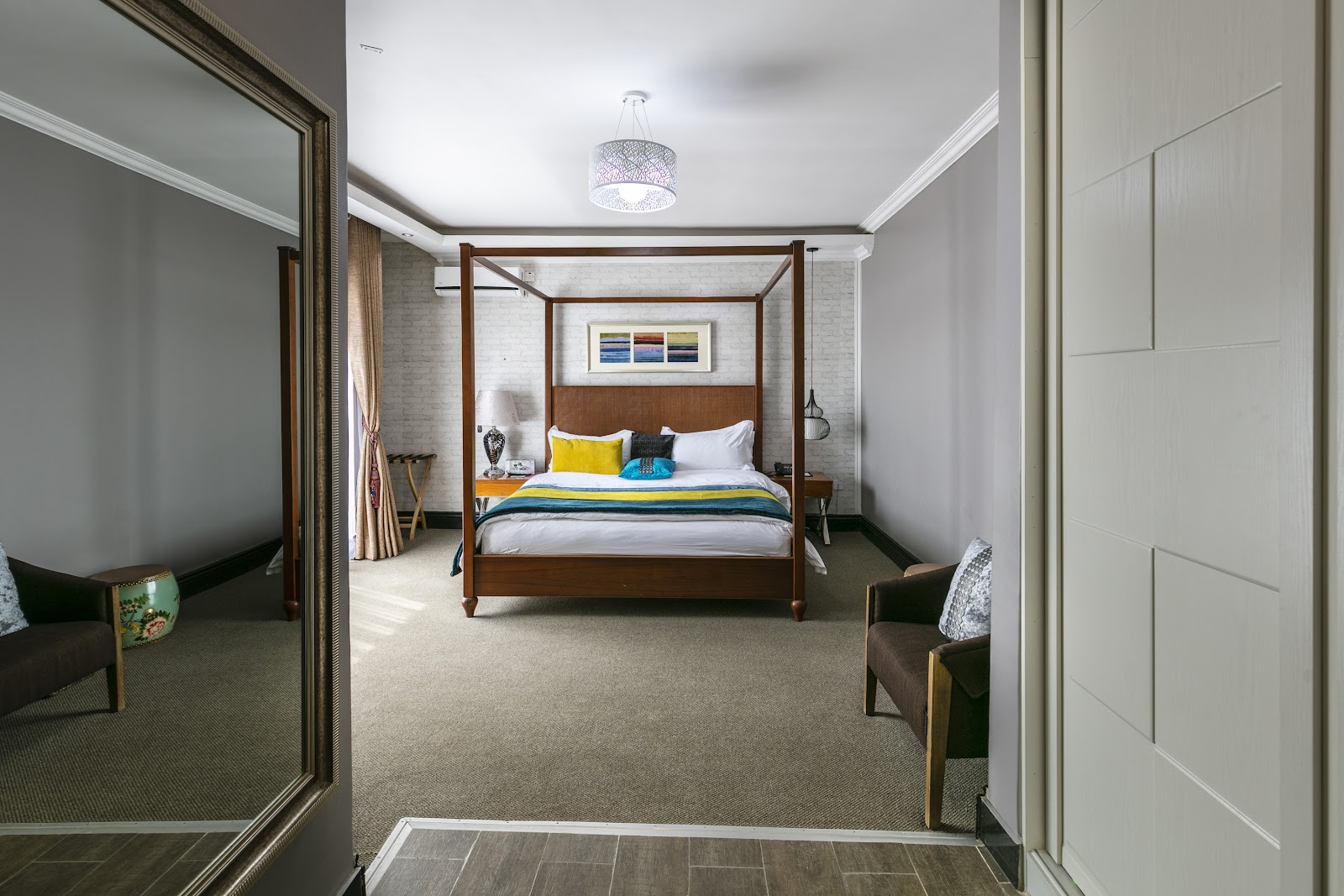
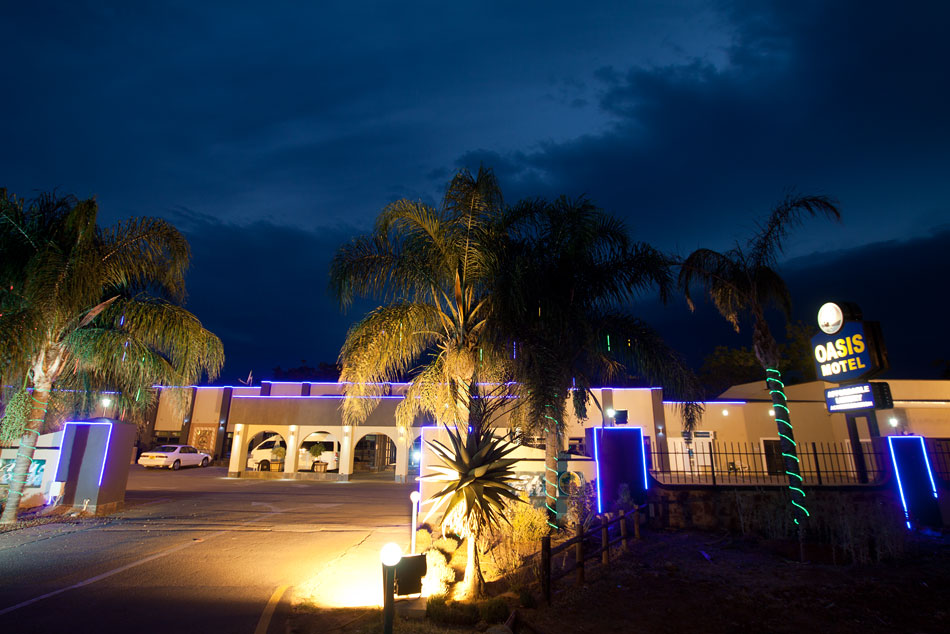
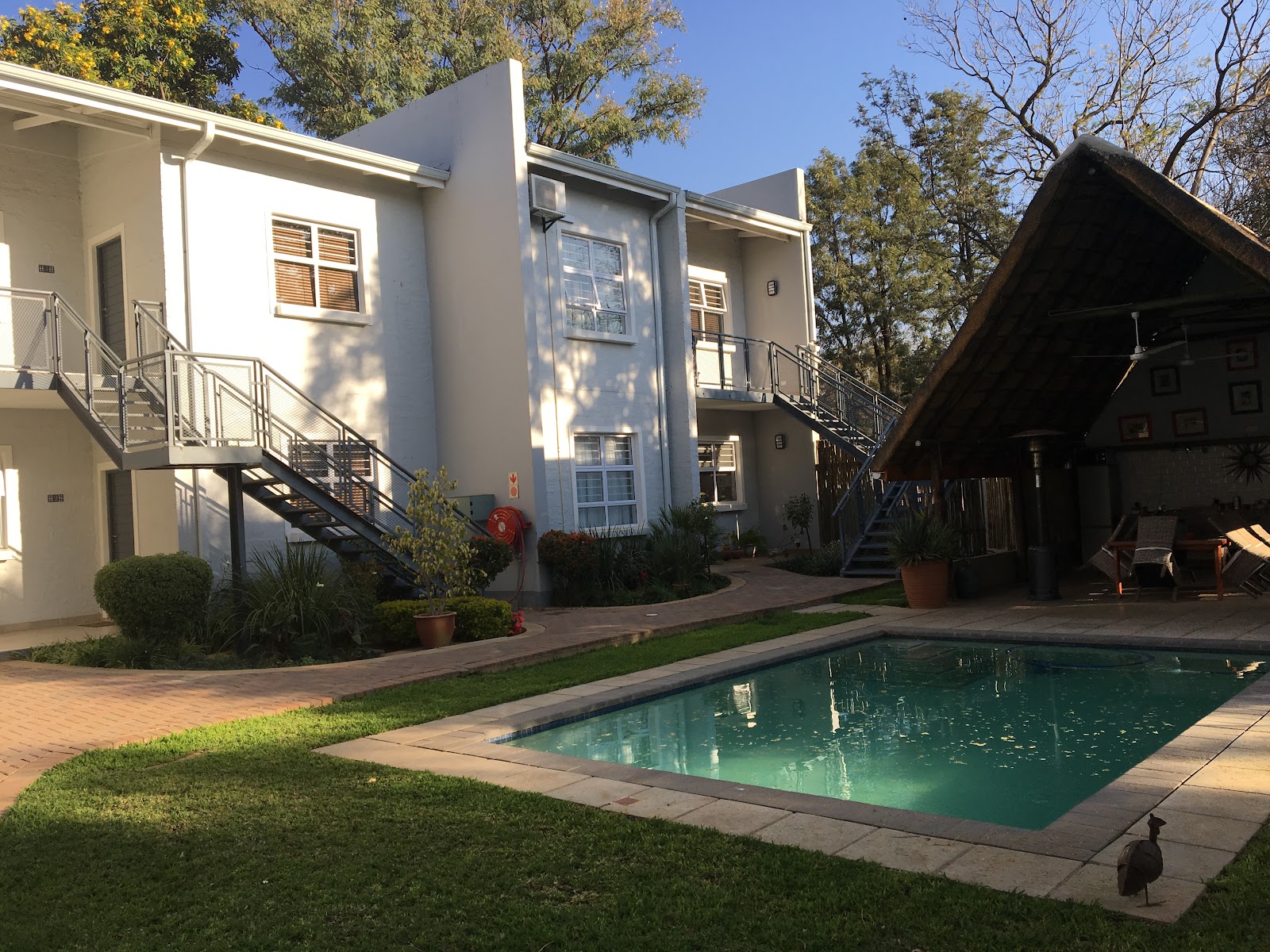
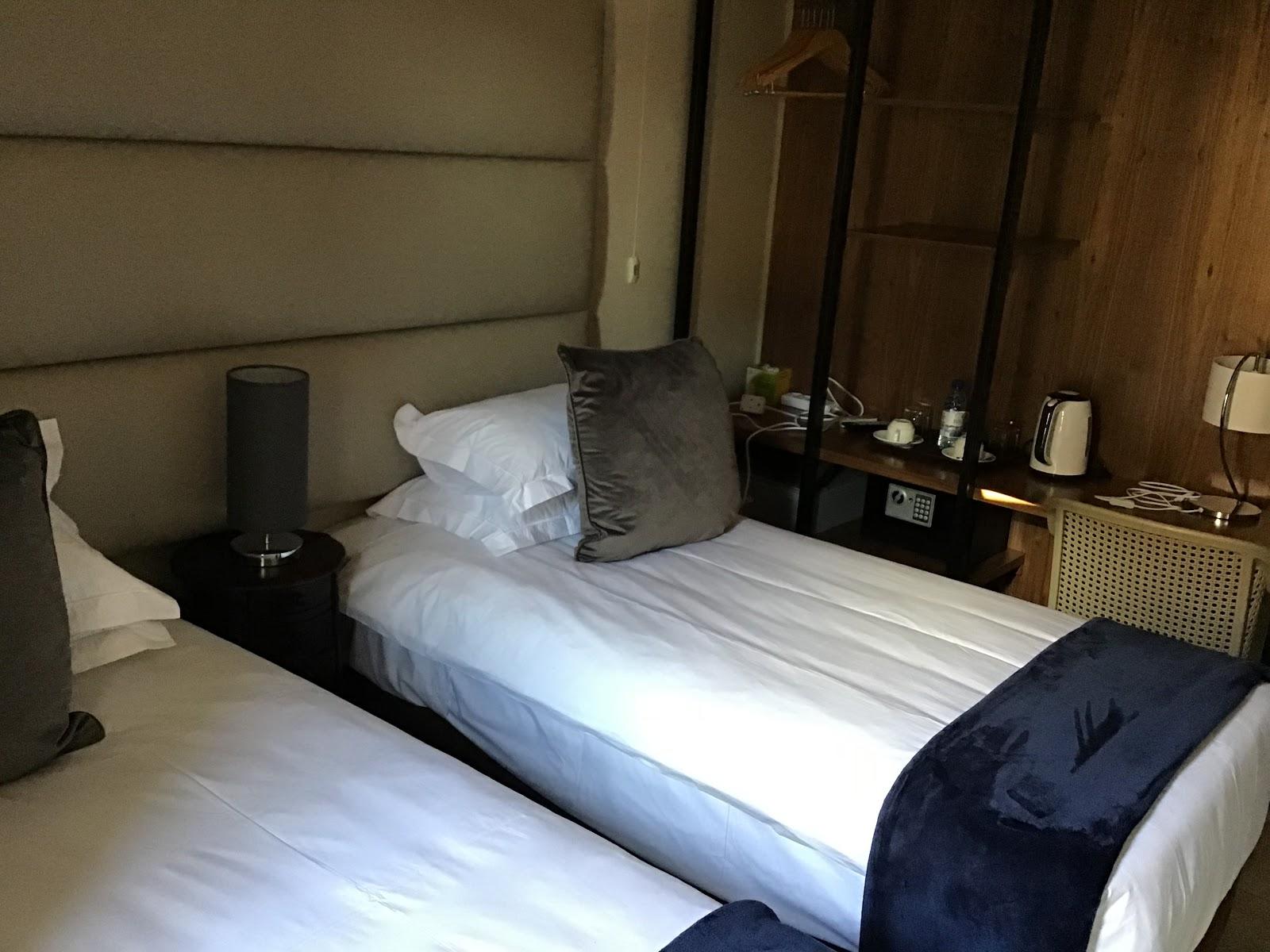
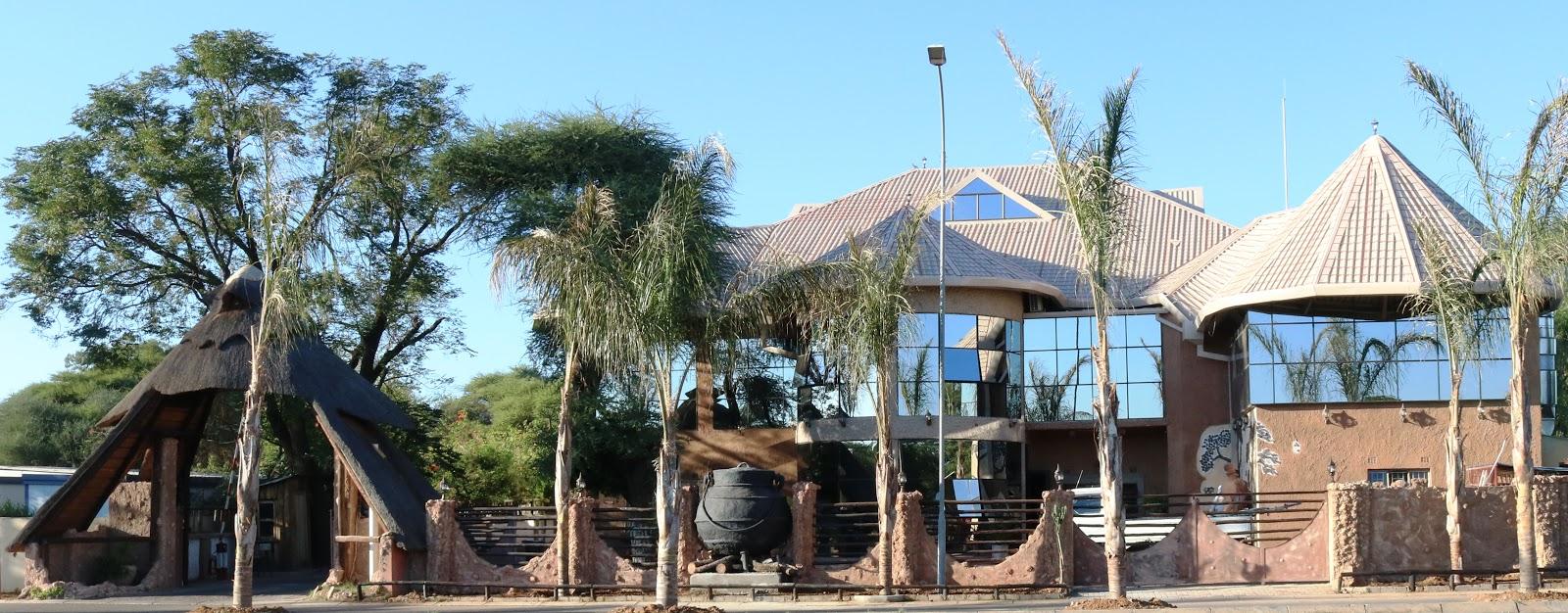
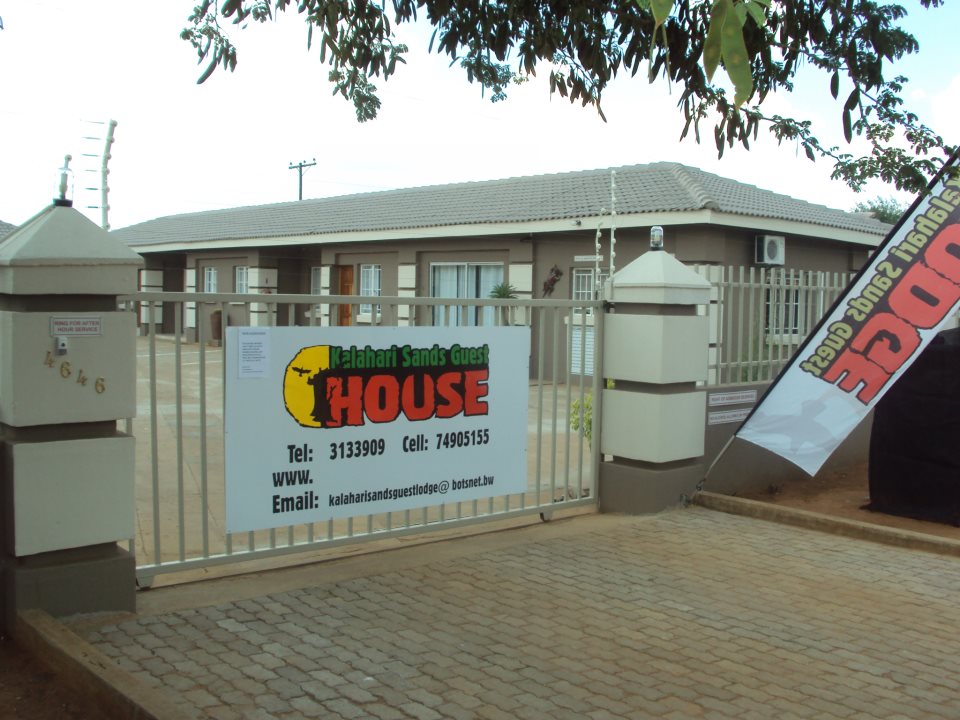
Most established hotels and guesthouses are used to international travelers and are generally welcoming. Upscale and business hotels are around the CBD, Fairgrounds, and Phakalane. Friendly mid-range guesthouses are in Broadhurst, central Gaborone, and quieter Tlokweng. It's a good idea to ask community members for recommendations for smaller guesthouses.
Public transport in Gaborone is limited. Travelers usually use taxis, ride-hailing apps, or rental cars. Taxis are cheap and common; ride-hailing is more predictable. Renting a car is smart if you want to explore outside the city. They drive on the left.
Gaborone has a range of dining options. Traditional Botswana food uses maize, sorghum, and beef, with dishes like pap, bogobe, and seswaa. Other restaurants serve African, international, and fusion food. Cafes, fast-food places, and sit-down restaurants are mostly in the malls and the CBD. The National Museum and Art Gallery gives you a look into Botswana’s history and art.
Gaborone is a good jumping-off point for Botswana’s natural attractions. Mokolodi Nature Reserve, just south of the city, makes for a day trip with game viewing and hiking. Farther out, the Okavango Delta, Moremi Game Reserve, and Chobe National Park have amazing safaris, which you can book through operators in the city (the Delta is a short flight away).
The Botswana Pula is the local currency. Gaborone has modern banking, shopping, and healthcare. Internet is generally good, and mobile data is widely available. English is an official language and is spoken widely, along with Setswana. Most nationalities can enter Botswana visa-free for tourism — check current requirements. The climate is mild to warm all year, with a rainy season from November to March and a dry season from April to October.
Come to Gaborone with realistic expectations: it’s a starting point for Botswana’s natural attractions and a place to connect with a discreet but resilient local LGBTQ+ community. Using apps and community networks to connect with locals before you arrive helps, as does being discreet in public. Reaching out to groups like LEGABIBO or BONELA can give you current, local information. See Gaborone as a safe, stable safari base with a growing rights movement, and you'll find it rewards travelers who seek real connection over nightlife.


 Gay-Friendly Hotel
(1876)
Gay-Friendly Hotel
(1876)