If detained: do not sign any document you do not understand. Request your embassy and a lawyer immediately. Do not consent to phone searches without legal advice.
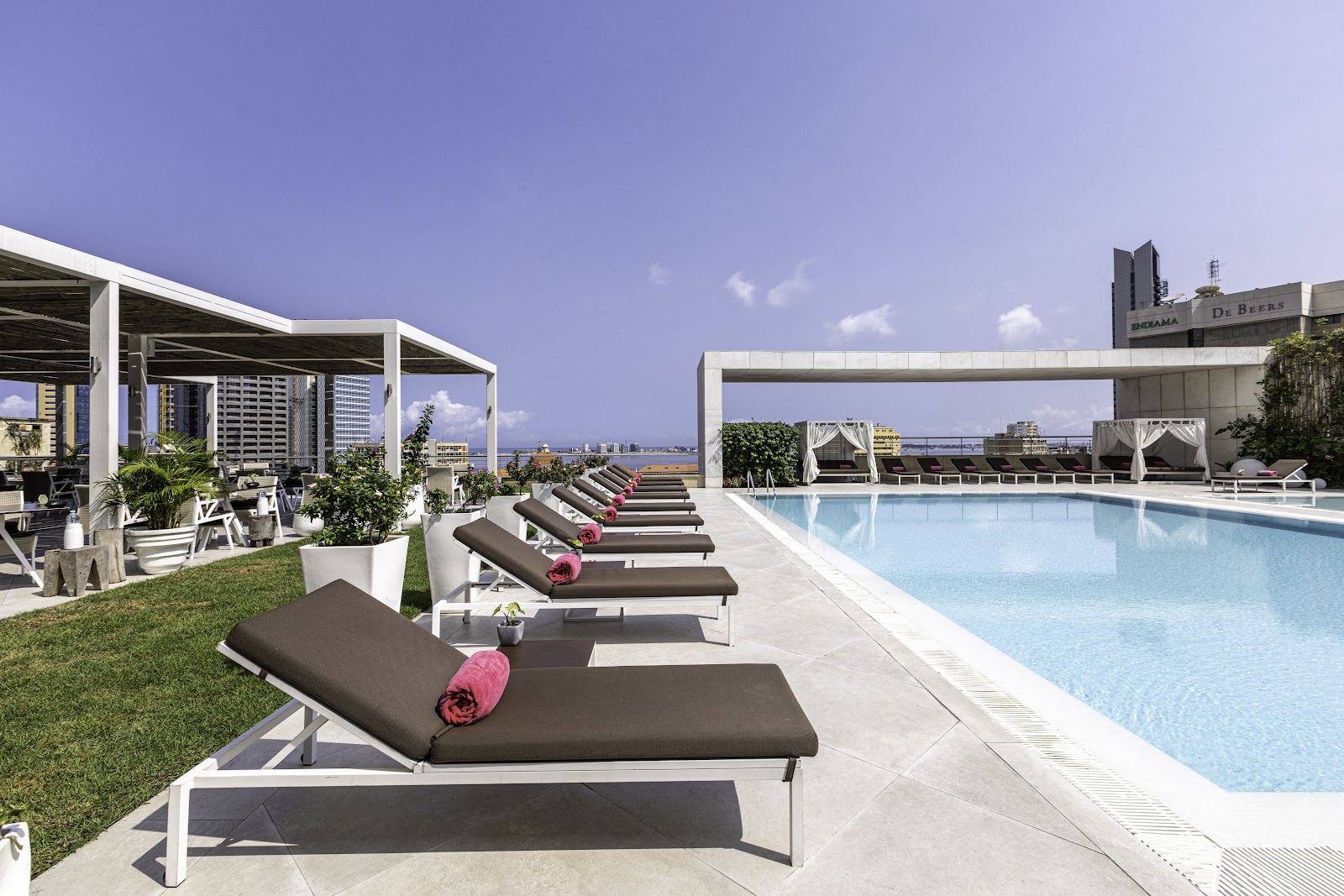
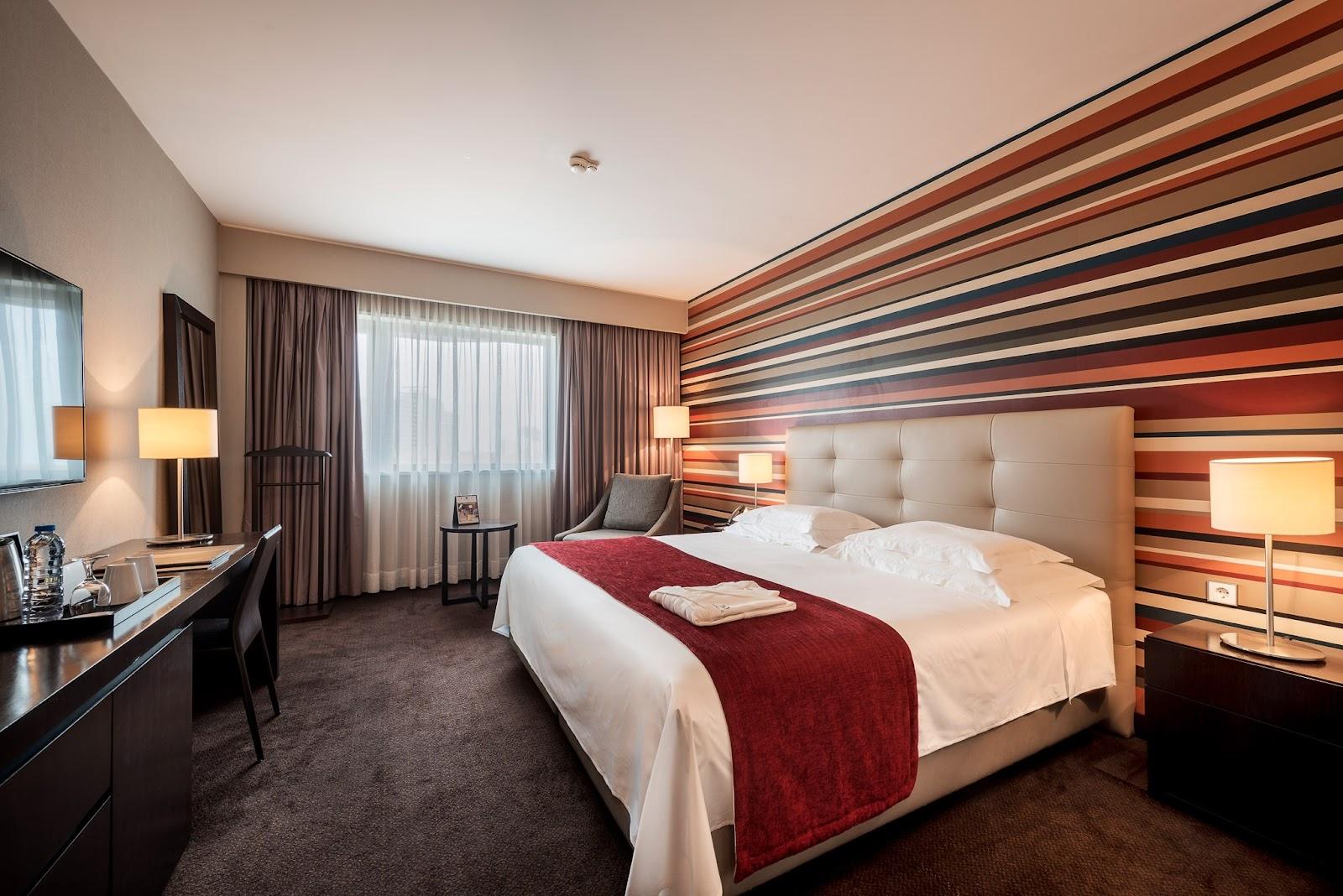
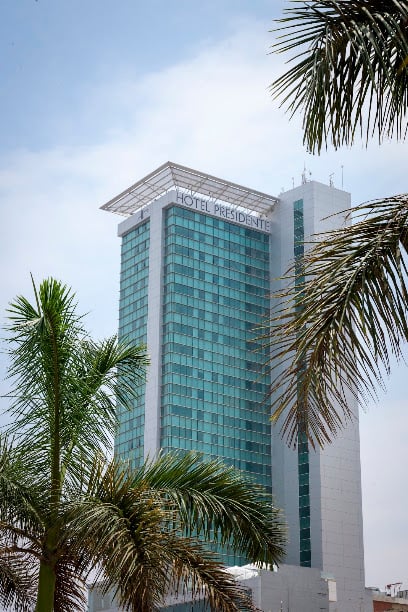
Luanda's most prominent landmark hotel — a long-established five-star property in the Miramar district with international standards, Atlantic views, and a reliably professional welcome for same-sex…
Luanda remains one of Africa's least documented LGBTQ+ destinations, partly because the community operates with considerable discretion due to legal and social constraints. Understanding the context is essential for any LGBTQ+ traveler considering a visit.
Legal Context and Safety Considerations
Angola's legal situation for LGBTQ+ people is complex. While same-sex sexual activity between consenting adults is not explicitly criminalized under current law, the country's legal history included colonial-era sodomy provisions, and the social and religious climate remains conservative. Same-sex partnerships have no legal recognition, and discrimination in employment and services is not explicitly prohibited by law. The Constitution does not specifically protect against discrimination based on sexual orientation or gender identity. This legal ambiguity creates an atmosphere of caution within the local LGBTQ+ community.
For visitors, this means the LGBTQ+ scene in Luanda is not visible in the way it might be in Johannesburg, Cape Town, or Lagos. There are no openly advertised gay bars, Pride parades, or established gay districts. Public displays of affection between same-sex couples may attract unwanted attention. That said, Luanda is a major international business hub with significant diplomatic and corporate presence, and the city has a cosmopolitan character in certain areas. Many international residents and visitors are openly LGBTQ+, and private social circles and networks do exist.
Neighborhoods and Orientation
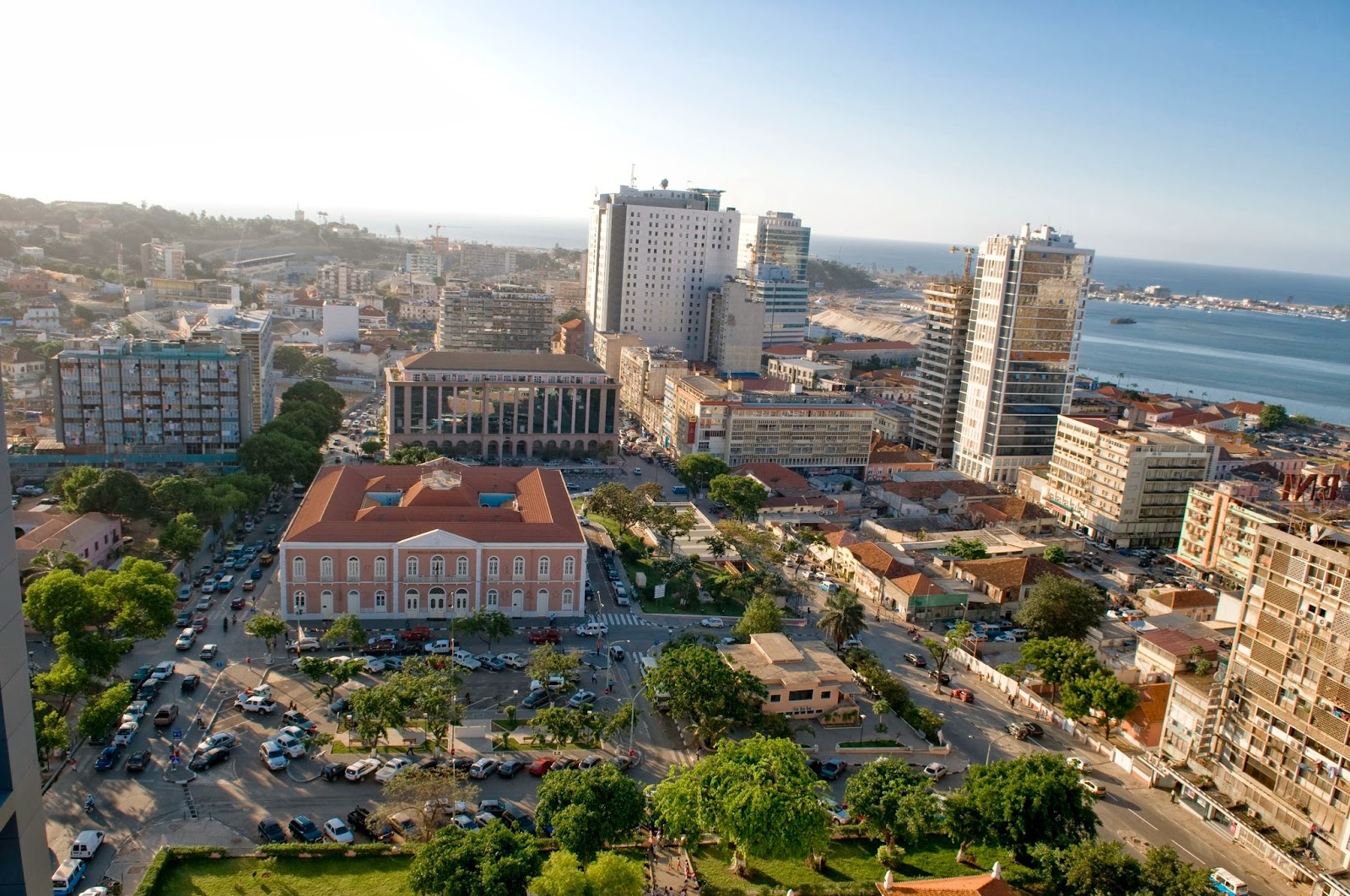
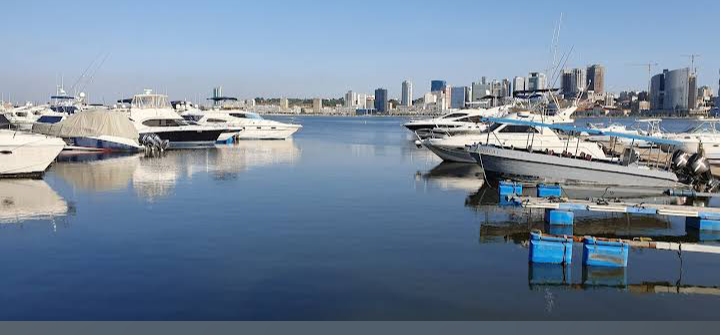
Luanda's geography is divided into several key areas. The city center, particularly around Baixa de Luanda, contains historic colonial architecture, government buildings, and commercial areas. This is where much of the city's activity concentrates. The Marginal (waterfront promenade) is popular for evening walks and social gathering.
Sampa and Alvalade are relatively upscale residential neighborhoods where many expats and wealthier Angolans live. These areas tend to have more international restaurants, shops, and private social venues. The Miramar and Talatona areas, further along the coast, are increasingly developed with modern hotels, shopping centers, and restaurants catering to the international community.
Mumuila and Cazenga are popular neighborhoods among younger, more progressive residents. Like many African cities, Luanda has significant economic disparities, and neighborhood character varies considerably by area.
Venues and Social Spaces
Unlike cities with established gay bars or clubs, Luanda's LGBTQ+ social scene operates differently. There are no permanently established, openly gay venues that advertise as such. However, certain nightclubs and bars in upscale areas attract mixed crowds including LGBTQ+ clientele, particularly venues in Talatona and around the Marginal where international residents congregate. These venues change frequently and operate without overt LGBTQ+ identification.
Private parties, house events, and gatherings organized through personal networks and dating apps are the primary way the local LGBTQ+ community socializes. Apps like Grindr, Jack'd, and Hornet are used in Luanda, and connecting with local users before arrival can provide information about current social opportunities and events.
The international community—diplomats, NGO workers, business professionals—is more openly LGBTQ+-friendly, and private social circuits exist among this group. Hotels catering to international visitors typically have diverse clientele and are generally accepting.
Cultural Events and Pride
Luanda does not host an organized, public Pride event. International Day Against Homophobia and Transphobia (May 17) may be marked by NGOs and activist groups with low-key events or awareness campaigns, but these are not high-profile celebrations. Some international organizations and diplomatic missions may mark Pride Month privately or internally.
However, Luanda does host various cultural festivals and international events throughout the year, including music festivals, film festivals, and arts events that attract diverse audiences and LGBTQ+ participants.
Where to Stay
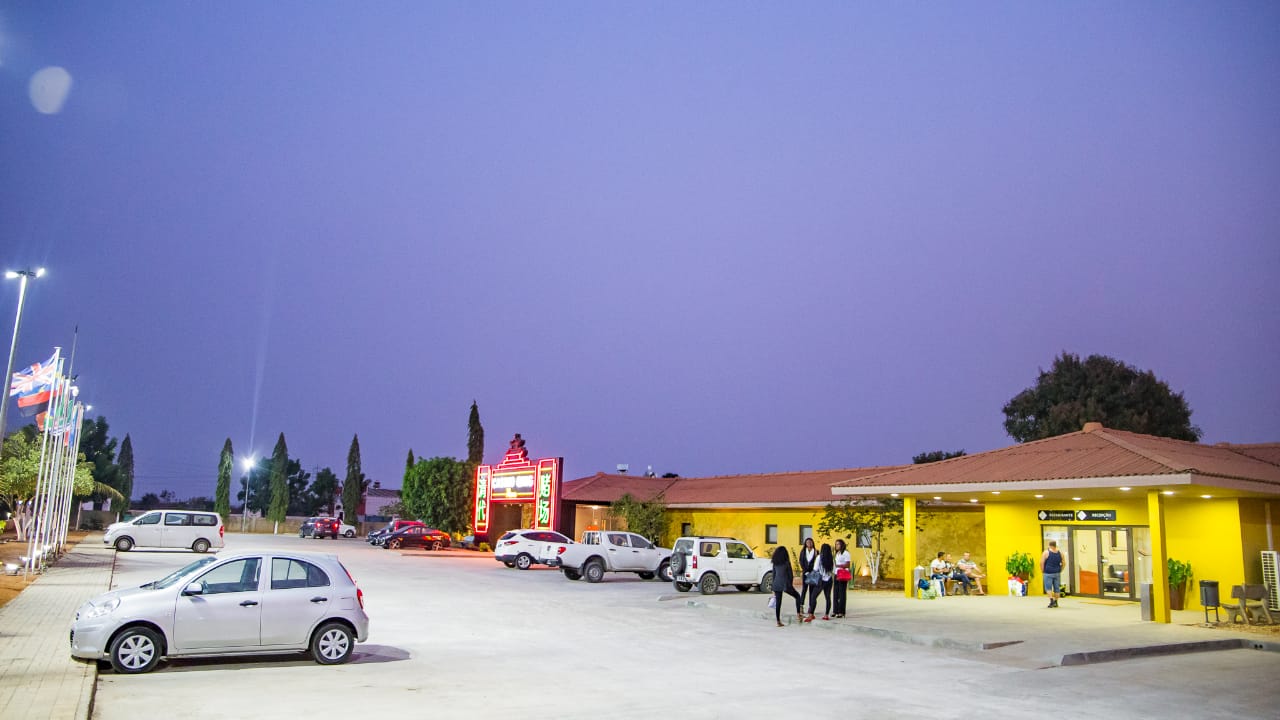
For LGBTQ+ travelers, staying in internationally recognized hotels in upscale areas is advisable. Hotels like the Talatona Convention Hotel, Presidente Hotel, and others in the Talatona and Miramar areas cater to international visitors and are accustomed to diverse clientele. These hotels offer reliable service, English-speaking staff, and are located in areas with restaurants, shops, and social venues.
The Marginal area near the waterfront is popular and relatively safe, with hotels and restaurants catering to international tastes. Boutique hotels and guesthouses exist, though standards vary and research is necessary.
Staying in areas with visible international presence and modern infrastructure is recommended for comfort and practical reasons, quite aside from LGBTQ+ considerations.
Luanda has a growing international dining scene. Portuguese cuisine is prevalent due to colonial history. Seafood is excellent, with fresh fish and shellfish from the Atlantic. Brazilian, Italian, Chinese, and other international cuisines are available, particularly in Talatona and along the Marginal.
Local Angolan cuisine features cassava, beans, rice, and palm oil-based dishes. Moamba de galinha (chicken in palm oil and garlic sauce) is a signature dish. Restaurants range from informal street food vendors to upscale establishments.
Many restaurants and cafes serve an international crowd and are generally welcoming to all visitors. Dining out is a common social activity, and there is no specific "LGBTQ+ dining scene" as such, but rather general restaurants and bars frequented by diverse clientele.
Transit and Getting Around
Luanda's public transportation includes minibuses (candongueiros) that follow set routes, taxis (both official and informal), and ride-hailing services like Uber, which operate in the city. Taxis should be pre-arranged or hailed from official stands rather than flagged on the street. Uber provides a safer alternative with GPS tracking and formal payment.
Many visitors and residents rely on private transportation or ride-hailing services, particularly in the evening. Traffic in Luanda can be heavy, and navigation can be challenging for unfamiliar visitors.
Getting There
Luanda is served by Quatro de Fevereiro International Airport (LAD), which receives flights from Europe, other African nations, and Brazil. Major airlines including TAP Air Portugal, TAAG Angola Airlines, and others connect Luanda to international destinations. Visa requirements vary by nationality; many visitors require a visa, though Angola has reciprocal agreements with some nations.
Day Trips and Activities
Outside the city center, Luanda's surrounding areas offer limited but notable attractions. The Bengo Province, north of the city, has beaches and some natural areas, though infrastructure is limited. The Kissama National Park, about 60 kilometers south, is Angola's largest national park with wildlife including elephants, antelopes, and various birds. However, security and accessibility can be concerns; visits should be arranged through established tourism operators.
The island of Icolo e Bengo, offshore, is a nature reserve accessible by boat for day trips, offering beaches and birdwatching opportunities.
Within the city, the Luanda Museum, the Fortress of São Miguel (a historic colonial fort), and various churches reflect the city's history. The Marginal waterfront is suitable for walking and taking in views of the Atlantic.
Health and Practical Matters
Luanda's healthcare facilities vary in quality. International residents and travelers typically use private clinics that meet international standards, such as those affiliated with NGOs or international organizations. Pharmacies stock common medications. Travelers should ensure comprehensive travel insurance and consider vaccinations for diseases including yellow fever, typhoid, and others as advised for Angola.
The cost of living in Luanda is high by African standards, particularly for imported goods. Budget accordingly.
Cultural Sensitivity and Recommendations
For LGBTQ+ visitors, discretion is advisable in public spaces. While violent crime specifically targeting LGBTQ+ people is not documented as a widespread concern, the legal and social conservatism means that public displays of same-sex affection may attract negative attention. This is not unique to Luanda but reflects broader Angolan society.
Visitors should:
- Avoid public displays of affection between same-sex partners
- Be cautious when discussing sexual orientation in unfamiliar contexts
- Connect with established LGBTQ+ networks or expat communities before arrival for current information and social connections
- Use standard travel safety practices regarding personal security, which apply to all travelers in Luanda
- Be respectful of local culture while maintaining personal authenticity
Many Angolans are warm, welcoming, and increasingly progressive, particularly younger generations. LGBTQ+ expats and visitors do live and visit Luanda successfully. However, the experience requires awareness and adaptation compared to more openly LGBTQ+-friendly destinations.
Whom This Destination Is For
Luanda is suitable for LGBTQ+ travelers with specific reasons to visit—business, NGO work, family connections, or those interested in contemporary African cities and culture. It is less suitable as a leisure-focused LGBTQ+ vacation destination compared to other African cities with more established LGBTQ+ tourism infrastructure and visibility.
Visitors should be comfortable navigating cultural differences, operating with some discretion, and appreciating a destination not organized around LGBTQ+ tourism. The reward is experiencing contemporary Angola, a country undergoing rapid transformation, and connecting with local communities navigating their own paths toward greater inclusivity.
Conclusion
Luanda remains a challenging but not impossible destination for LGBTQ+ travelers. The scene is not visible or organized in conventional terms, but it exists. Success requires advance planning, local connections, cultural awareness, and a mindset oriented toward genuine cultural exchange rather than expecting the infrastructure and visibility of more established LGBTQ+ destinations. Those willing to engage thoughtfully will find a vibrant, complex city and genuine human connections.
Frequently asked questions
Luanda is not an overtly hostile destination, but it is far from a gay-friendly metropolis. Traditional attitudes toward sexuality remain deeply conservative, and public displays of same-sex affection are not common and may attract unwanted attention. LGBTQ+ people in Luanda generally maintain low profiles in public spaces.
Luanda does not have a demarcated gay neighborhood. Queer community members are dispersed throughout the city and tend to socialize in private settings, upscale hotels, and select venues that cultivate more cosmopolitan atmospheres.
The Talatona district, a modern and developed area, and the Miramar area, an upscale beachfront neighborhood, tend to attract a more diverse and liberal demographic. Venues in these areas, while not explicitly marketed as gay-friendly, tend to be more accepting of LGBTQ+ patrons.
Luanda's nightlife is lively, but the source guide does not provide specific details about LGBTQ+ venues or nightlife beyond general descriptions of areas that may be more accepting.
The provided source guide does not mention any formal LGBTQ+ rights movement or visible activist infrastructure, nor does it mention any specific LGBTQ+ events or Pride celebrations in Luanda.
Dating apps such as Grindr, Hornet, and Jack'd are used by gay men in Luanda to connect. Users should exercise caution, verify profiles, and prioritize safety, meeting strangers in public spaces or well-known hotels rather than isolated locations.
Your privacy choices.
We use cookies to run GayOut and, with your consent, measure usage. Learn more
Your privacy choices
We use cookies to keep GayOut running, remember your preferences, and (with your permission) measure how the site is used. You can accept all, reject all, or pick what you allow. Learn more
Essential
Required for sign-in, fraud prevention, CSRF protection and remembering your language. Cannot be disabled.
Always on
Remembers your favourites, dark mode and other interface preferences across visits.
Helps us understand which pages people visit (Google Analytics, server-side stats) so we can improve.
Used by campaign tracking pixels. None are active right now, reserved for future use.
Install GayOut
Add GayOut to your home screen for faster access, offline favourites, and Pride alerts.


 Gay-Friendly Hotel
(1152)
Gay-Friendly Hotel
(1152)