If detained: do not sign any document you do not understand. Request your embassy and a lawyer immediately. Do not consent to phone searches without legal advice.
Maputo's historic waterfront club on the Marginal — beach bar, restaurant, swimming pool, and sailing facilities. Mixed professional crowd, diplomatic community presence, reliably tolerant atmosphere.
Maputo, the capital of Mozambique, sits on the shores of the Indian Ocean and represents the most cosmopolitan hub in the country. For LGBTQ+ travelers, Maputo offers a modest but genuine scene that reflects the city's gradual cultural evolution and its position as Mozambique's gateway to southern Africa.
Historical Context and Legal Environment
Mozambique's relationship with LGBTQ+ rights remains complex. While the country decriminalized same-sex conduct in 2015, same-sex unions are not legally recognized, and broader social acceptance lags behind legal reform. However, Maputo, as the capital and largest city, tends to be more progressive and tolerant than rural areas or smaller towns. The LGBTQ+ community in Maputo is primarily discreet but increasingly visible in certain circles, and foreign visitors are generally treated with respect and curiosity rather than hostility.
The city's Portuguese colonial heritage—Mozambique was a Portuguese colony until 1975—has left a cultural imprint that includes a more relaxed Mediterranean attitude toward sexuality in some urban contexts, particularly among younger, educated residents and expats. That said, travelers should exercise caution, remain aware of their surroundings, and avoid public displays of affection in conservative areas.
Neighborhoods and Layout
Maputo's geography is shaped by its coastal location and the Pungue River. The Baixa (downtown district) is the historic heart, characterized by Portuguese colonial architecture, markets, and street life. This area is vibrant by day but less safe after dark for visitors unfamiliar with the city. The Cais (waterfront) runs along the bay and includes restaurants, bars, and leisure spaces; this area has seen recent development and is popular for evening outings.
Polana is an upmarket residential and commercial neighborhood north of the Baixa, home to many expat communities, better restaurants, and a few gay-friendly venues. This area is safer and more polished than downtown, though less authentically Mozambican. Malhangalene and Matosinhos are other residential areas that occasionally host community events but are less focused on nightlife.
The city center is compact and walkable in daylight, but taxis (both official metered and shared minibuses) are the primary transportation after dark. Grab (ride-hailing app) operates in Maputo and is a safer option than street hailing for unfamiliar visitors.
Venues and Nightlife
Maputo's LGBTQ+ scene centers on a small number of bars, clubs, and restaurants rather than dedicated gay establishments. The scene is often discreet, with some venues hosting events irregularly rather than running as permanent gay clubs. The waterfront area and Polana tend to host more LGBTQ+-friendly spaces.
Specific venue information changes frequently due to the small, evolving nature of the scene. Travelers should connect with local LGBTQ+ networks, hotel staff, or apps like Grindr and Hornet for current recommendations and event information. Many venues are best accessed through personal introductions or by asking at LGBTQ+-friendly restaurants and hotels.
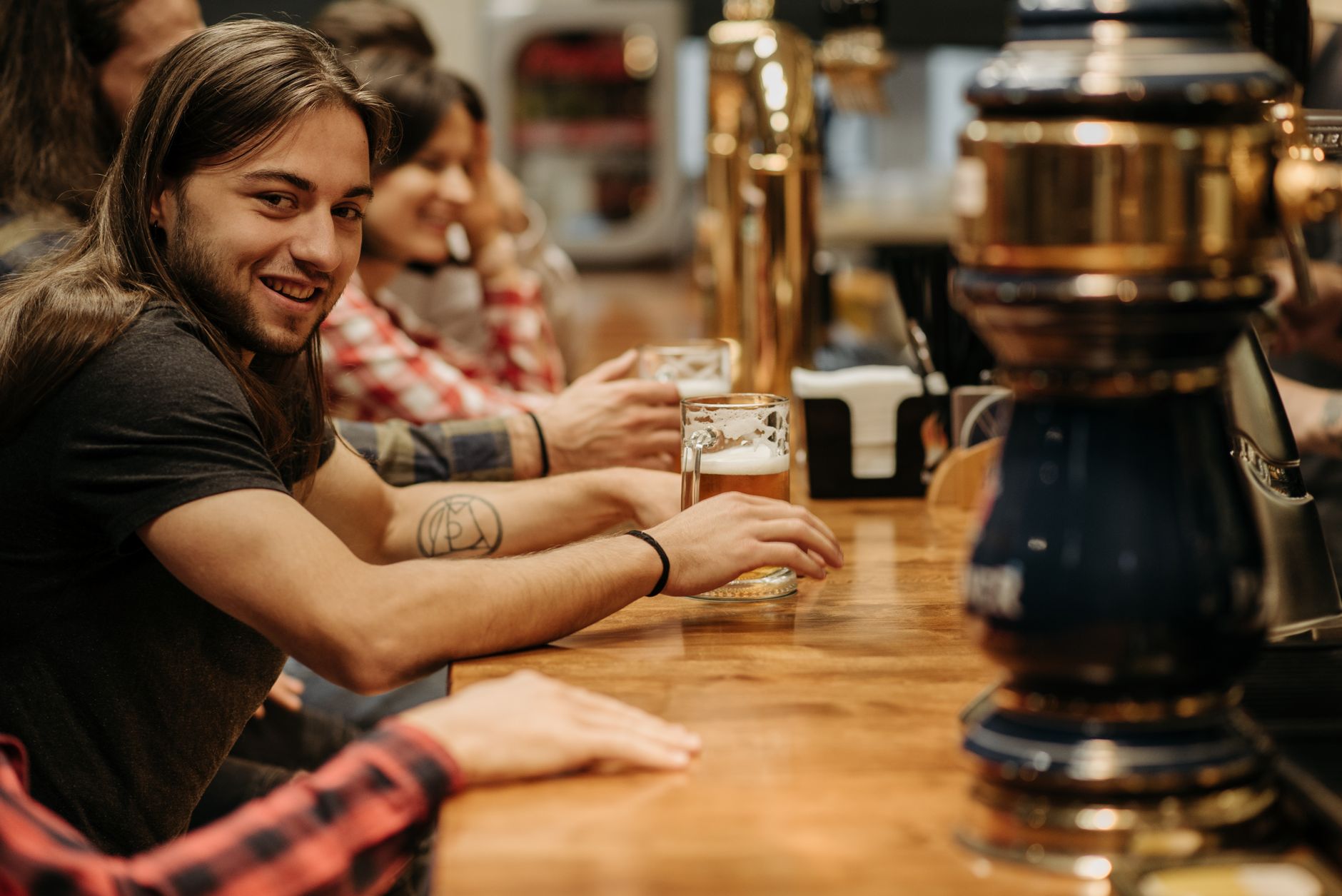
The city does have a club and bar scene frequented by mixed and LGBTQ+ crowds, particularly on weekends. Portuguese and international house music, as well as local music, are common. Many bars serve as social hubs before people move to clubs later in the evening.
Maputo does not host a large-scale, official Pride parade on the model of Johannesburg or Cape Town. However, the LGBTQ+ community does organize smaller gatherings, private parties, and awareness events, particularly around International Day Against Homophobia, Transphobia and Biphobia (May 17). These events may be promoted through private social media groups or community networks rather than public advertising. Travelers should connect with local communities through apps or LGBTQ+ travel groups to learn about upcoming events during their visit.
Where to Stay
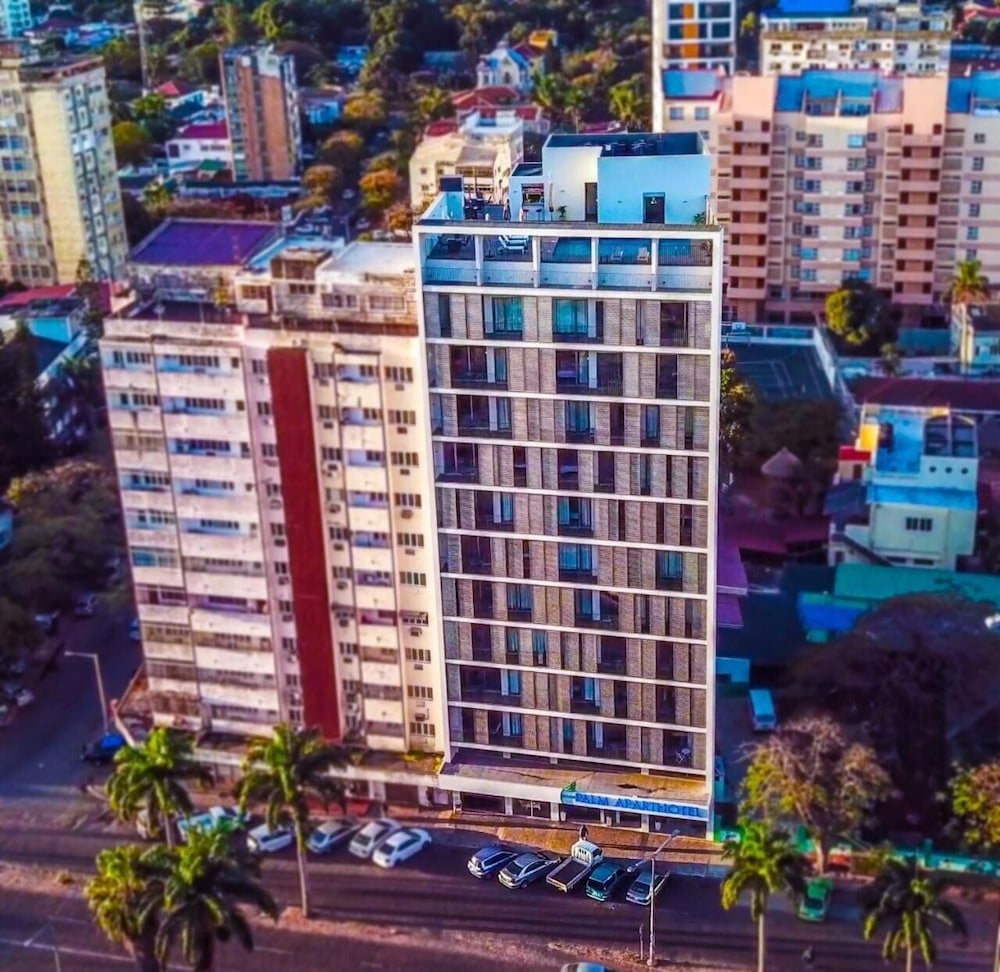
Maputo has a range of accommodations from backpacker hostels to luxury hotels. Many hostels and mid-range hotels in the Polana and Baixa areas are LGBTQ+-friendly and staffed with younger, more cosmopolitan workers who are accustomed to international guests of all orientations. Higher-end hotels (such as those operated by international chains) are reliably professional and welcoming.
Staying in Polana or near the Cais offers better safety and proximity to better restaurants and social venues, though it's less adventurous than staying in the Baixa. Some hostels are known to be particularly welcoming to LGBTQ+ guests and can be good sources of information about the local scene.
Maputo is generally safer than some southern African capitals but requires street sense. Petty theft and mugging do occur, particularly after dark in the Baixa and quieter neighborhoods. Avoid walking alone after dark, use official taxis or ride-hailing, keep valuables secured, and stay aware of surroundings.
While the LGBTQ+ community is tolerated in Maputo, public displays of affection between same-sex couples may attract attention. Discretion in public spaces, particularly outside of known LGBTQ+ venues or expat areas, is advisable. Transphobia and homophobia exist and may be encountered in conservative settings, though violent crime against LGBTQ+ people is not systematically reported as endemic to Maputo.
Visitors should register with their embassy, carry copies of important documents, and ensure travel insurance covers medical evacuation if needed. Healthcare in Maputo is available but not always reliable; serious medical issues may require travel to South Africa.
Transportation
Maputo's international airport (Matosinhos) is about 6 km from the city center. Taxis, ride-hailing, and private transfers are available. Within the city, shared minibuses (chapa) are cheap but chaotic for unfamiliar travelers. Grab and Uber (where available) are safer options. The city is compact enough to walk during the day in safe areas.
Culinary and Cultural Experiences
Maputo's food scene is excellent, blending Portuguese, Indian, and African influences. The Cais waterfront has numerous seafood restaurants with views of the bay, and many are casual and welcoming to LGBTQ+ guests. The Baixa has street food, markets, and casual eateries. Polana has upscale restaurants catering to expats and tourists.
Beyond LGBTQ+ venues, Maputo offers rich cultural experiences: the Museu de Historia Natural, Portuguese colonial architecture, markets such as the Mercado Central, and the nearby Inhaca Island for day trips. The city's art scene is growing, with galleries and street art, particularly around the Baixa.
Day Trips
Inhaca Island, accessible by ferry from the Cais, is a popular day trip for swimming, snorkeling, and relaxation. Linguine Island is another coastal option. The Elephant Sanctuary at Maputo Special Reserve is further afield but offers wildlife viewing.
Food and Drink
Maputo is known for fresh seafood, particularly prawns and fish. Local dishes include peri-peri chicken, rice, and cassava-based sides. Portuguese wine is common and affordable. The city has coffee culture inherited from Portuguese colonialism, and cafes are social spaces. Street food includes roasted cashews, maize, and grilled meat skewers.
Practical Information
Language: Portuguese is the official language; English is spoken in tourist areas and among younger residents. Learning basic Portuguese phrases is helpful and appreciated.
Currency: The Mozambican Metical (MZN) is the currency. ATMs are available in Polana and the Baixa. Credit cards are accepted in upmarket establishments but cash is essential elsewhere.
Visa: Many nationalities require visas; check requirements in advance. Tourist visas are typically obtainable on arrival for many nationalities but carrying proof of funds and onward travel is advisable.
When to Visit
Best Time to Visit: April to September (autumn/winter) offers cooler, dry weather. November to March is hot and rainy. Avoid the hottest months (December-February) if possible.
Connectivity: Mobile networks are reliable; purchasing a local SIM card is straightforward and affordable. WiFi is available in most hotels and cafes.
Conclusion
Maputo offers LGBTQ+ travelers a chance to experience southern Africa's most cosmopolitan city with a small, welcoming community, excellent food, cultural history, and coastal beauty. The scene is modest compared to larger African capitals, but that intimacy is part of its charm. Visitors should arrive with realistic expectations, respect local customs, and connect with community networks to get the most from their visit.
Frequently asked questions
While same-sex activity is not criminalized, social acceptance is limited outside urban centers. Maputo's urban environment is generally tolerant, but public displays of affection between same-sex couples may attract unwanted attention. Exercise discretion, especially in more conservative neighborhoods.
Maputo's LGBTQ+ scene is nascent compared to major African cities, but it is more progressive than rural Mozambique. There is a small but visible community of gay residents, expatriates, and travelers.
Baixa (Downtown) has several bars and restaurants frequented by LGBTQ+ patrons, particularly in the evening. Polana, an upscale residential neighborhood, also hosts international hotels and restaurants that may be welcoming.
The community celebrates International Day Against Homophobia and Transphobia on May 17 with low-key events. Occasional Pride gatherings have taken place in recent years but remain controversial.
Online platforms and dating apps like Grindr and Hornet are commonly used to meet people. Faith-based organizations like IGLCC and informal networks also connect LGBTQ+ individuals.
Baixa (Downtown) hosts several bars and restaurants that are frequented by LGBTQ+ patrons. The source guide does not name specific venues.
Your privacy choices.
We use cookies to run GayOut and, with your consent, measure usage. Learn more
Your privacy choices
We use cookies to keep GayOut running, remember your preferences, and (with your permission) measure how the site is used. You can accept all, reject all, or pick what you allow. Learn more
Essential
Required for sign-in, fraud prevention, CSRF protection and remembering your language. Cannot be disabled.
Always on
Remembers your favourites, dark mode and other interface preferences across visits.
Helps us understand which pages people visit (Google Analytics, server-side stats) so we can improve.
Used by campaign tracking pixels. None are active right now, reserved for future use.
Install GayOut
Add GayOut to your home screen for faster access, offline favourites, and Pride alerts.


 Gay Bars & Clubs
(530)
Gay Bars & Clubs
(530)