If detained: do not sign any document you do not understand. Request your embassy and a lawyer immediately. Do not consent to phone searches without legal advice.
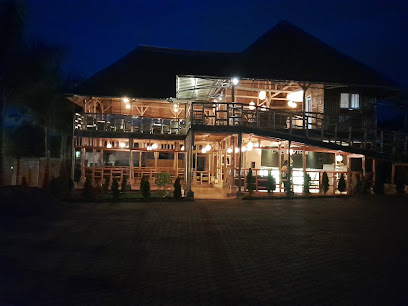
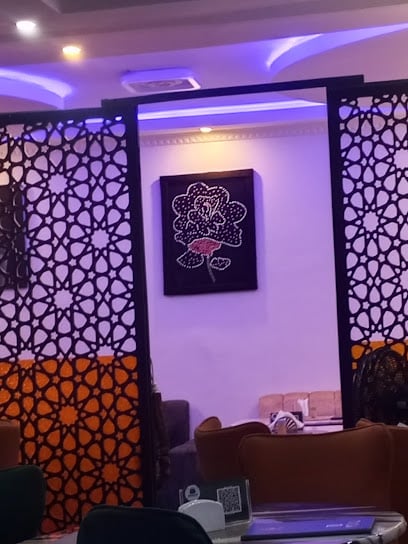
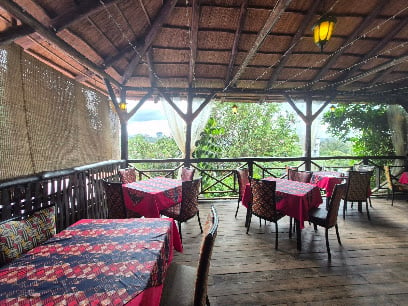
Panoramic rooftop bar in central Kigali — sweeping views over the city's hills, cocktails, and a young professional crowd. One of Kigali's most spectacular bar settings and consistently gay-friendly.
Kigali, Rwanda's capital, represents a unique destination for LGBTQ+ travelers—one defined by cautious exploration rather than established gay infrastructure. Understanding the context, practicing discretion, and engaging thoughtfully with local communities are essential for a respectful visit.
Legal and Social Context
Rwanda does not criminalize same-sex conduct \u2014 unusually for the region, there is no penal-code provision against consensual same-sex relations, and a 2009 parliamentary attempt to introduce one was rejected. Same-sex relationships are not legally recognized, however, and broad public-morality provisions leave room for discretionary enforcement, so caution is still wise. The country has a complex recent history: post-1994 genocide reconstruction prioritized national unity, and LGBTQ+ issues have not been a government priority. However, Rwanda is also one of the more stable and developed countries in the region, with a relatively low crime rate and generally welcoming attitude toward international visitors. The government has not conducted aggressive raids on establishments frequented by LGBTQ+ people in recent years. That said, public displays of affection between same-sex couples should be avoided, and discretion is important.
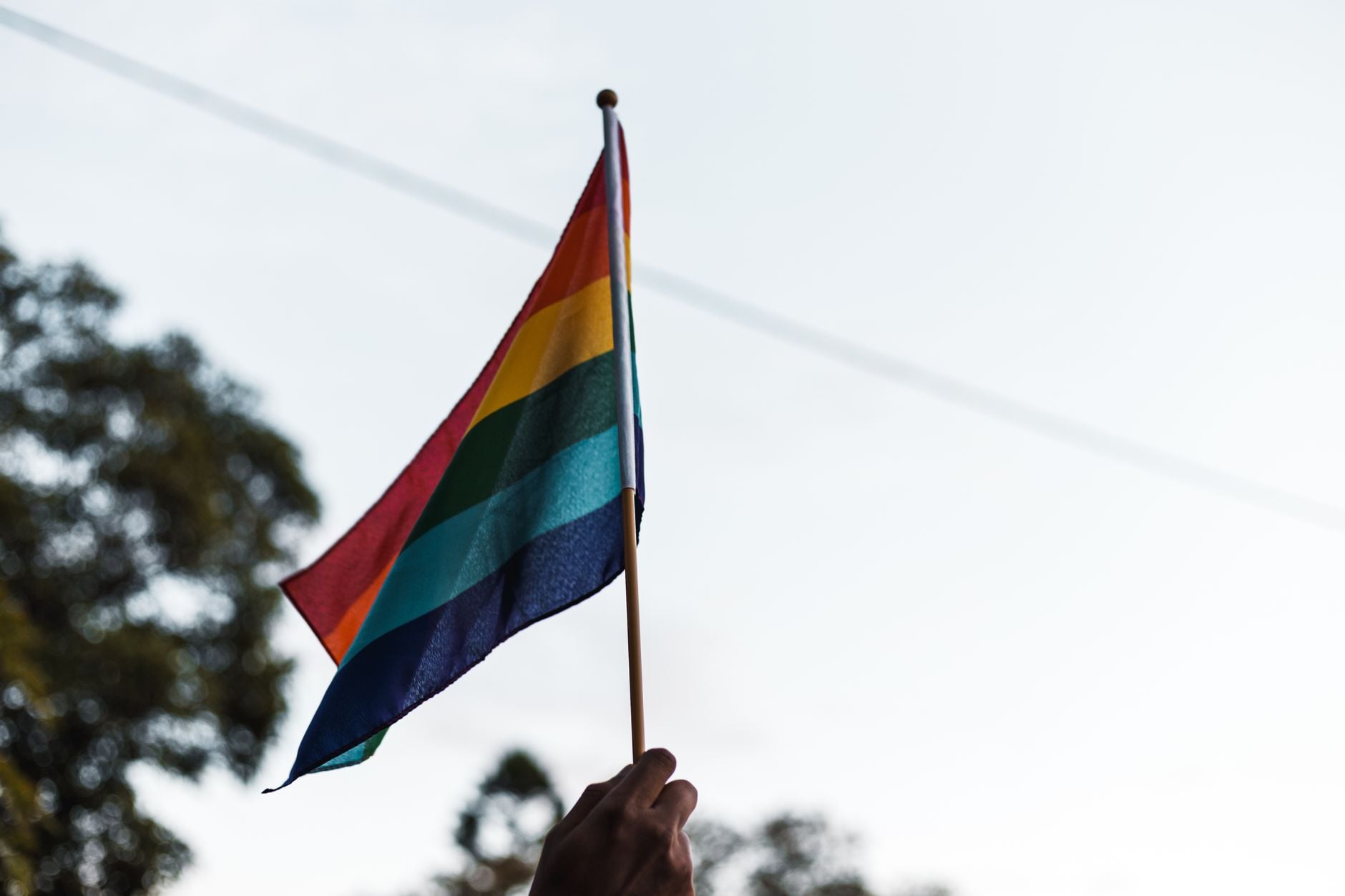
The local LGBTQ+ community exists and is organized, primarily through grassroots NGOs and informal networks. Registered organisations such as Health Development Initiative (HDI Rwanda) and FADA Rwanda work quietly but meaningfully to advance health, rights and support for the community. International Pride events occasionally occur during June, though they tend to be private or semi-public gatherings rather than street parades.
Geography and Neighborhoods
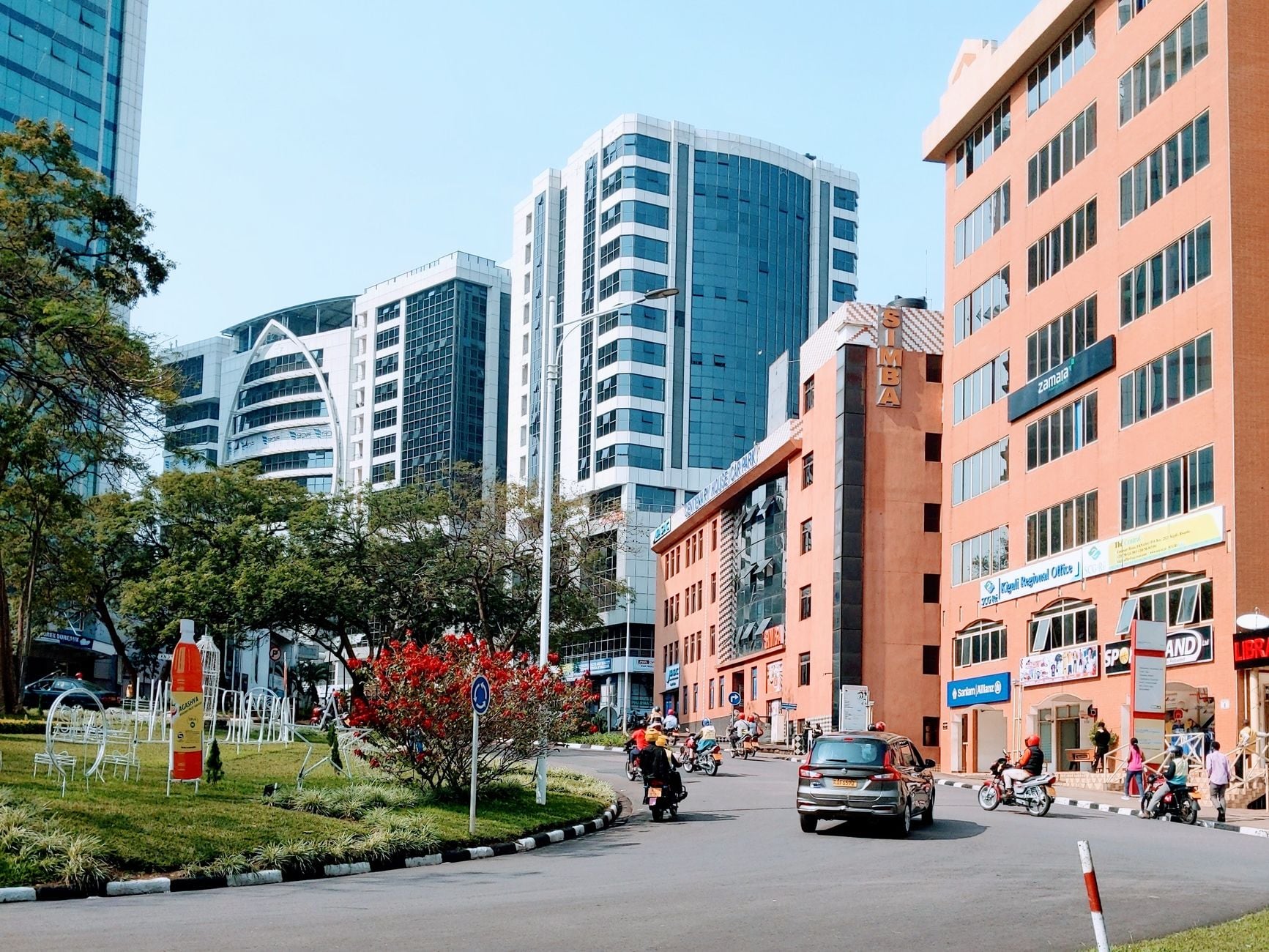
Kigali sprawls across several neighborhoods, each with distinct character. The City Center (downtown) is the commercial heart, with offices, banks, and many restaurants. Nearby, Nyarutarama is an upscale residential and commercial zone with modern hotels, restaurants, and bars that tend to attract international clientele and are generally LGBTQ+-friendly. Kimihurura, further northwest, is another affluent neighborhood with upmarket dining and accommodation options known for cosmopolitan attitudes. Kacyiru and Gisozi are residential areas with cultural sites, including the Gisozi Genocide Memorial.
Venture outside central Kigali and neighborhoods become increasingly residential and less oriented toward tourism or international visitors. Public transportation is limited, so visitors should rely on ride-hailing apps (Yego and Uber operate in Kigali) or taxis.
Venues and Accommodations
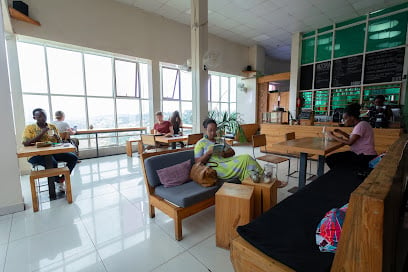
Kigali does not have openly branded gay bars or nightclubs in the way that cities like Nairobi, Cape Town, or Johannesburg do. However, several upmarket hotels, restaurants, and lounges are known to be welcoming spaces where LGBTQ+ guests are comfortable. The Serena Hotel Kigali, Ubumwe Grande Hotel, and Kigali Marriott are international-standard properties with professional staff accustomed to diverse clientele. Many travelers stay in these establishments, which offer reliable service, good restaurants, and a level of anonymity and international standards.
For dining and nightlife, restaurants and lounges in Nyarutarama and the City Center—such as those in the Kigali Heights and nearby shopping districts—are generally welcoming and frequented by young professionals and internationals. Upscale cafes and wine bars tend to draw a mixed, cosmopolitan crowd. Some hotels host private events or Pride-related gatherings during June, though these are typically invitation-only or accessed through local networks.
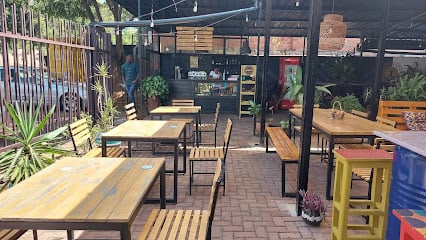
Repub Lounge in Kimihurura is consistently named by LGBTQ+ visitors as the most comfortable social spot in the city \u2014 it draws an international, diplomatic and NGO crowd rather than being an openly gay venue. Inzora Rooftop Bar in the city centre attracts a similar cosmopolitan crowd. Venue situations change, so checking with local contacts or organisations before arrival is wise.
Private accommodations and guesthouses run by international owners or LGBTQ+-friendly Rwandan operators may offer more personalized, discreet experiences. Airbnb and similar platforms have listings throughout Kigali, and many hosts are explicitly welcoming.
Rwanda does not have an official Pride parade, and organizing large-scale public LGBTQ+ events remains risky given the legal context. However, Pride Month (June) does see commemorations, including film screenings, discussions, and private gatherings organized by community organisations and allied networks. These are typically not advertised publicly but are accessible to visitors who connect with local organizations or through hotel concierges.
International Day Against Homophobia, Transphobia, and Biphobia (May 17) may see low-key observances. Visitors interested in participating in or learning about these events should contact HDI Rwanda, FADA Rwanda or other local LGBTQ+ organizations before traveling.
Cultural Events
Beyond LGBTQ+-specific programming, Kigali hosts Kwita Izina (gorilla naming ceremony) in September, a significant national event. Various film festivals, music events, and art exhibitions occur throughout the year. The Kigali Genocide Memorial, while somber and historically important, is a meaningful site for many visitors.
Safety, Transit, and Practical Information
Kigali is generally safe compared to many African capitals. Crime rates are low, and the city is orderly and clean. Standard urban precautions apply: avoid walking alone late at night, keep valuables secure, and be aware of surroundings. LGBTQ+ travelers should exercise discretion regarding public displays of affection but can move around the city openly as individuals without significant risk.
Transportation is best managed through ride-hailing apps (Yego, Uber) or pre-arranged taxis. The city is hilly and compact, making taxis or apps preferable to walking long distances, especially at night. Moto-taxis (motorcycle taxis) are cheap but less safe; visitors should avoid them, especially after dark.
Budgeting and Dining
Kigali's cost of living is moderate compared to Western standards. International hotels range from $80-300+ per night. Local restaurants and small guesthouses are significantly cheaper. Street food and local eateries (matoke, ugali, grilled meats, beans) are affordable and authentic. International cuisine is available in upscale areas. Rwandan coffee is excellent and widely available.
Internet and Communication
Cell service and internet are reliable in Kigali. Local SIM cards are inexpensive (MTN and Airtel are major providers). Wi-Fi is available in hotels, restaurants, and cafes.
Day Trips and Attractions
Volcanoes National Park (approximately 2 hours north) offers mountain gorilla trekking, one of Africa's premier wildlife experiences. The trek is physically demanding but unforgettable. Costs are significant (around $1,500 per permit), but tour operators and hotels arrange trips easily.
Lake Kivu, about 2 hours west, is a beautiful freshwater lake with resort towns like Gisenyi offering beaches, water sports, and relaxation.
Nyungwe Forest, south of Kigali, is a rainforest with hiking, bird-watching, and canopy walks.
These day trips are feasible from Kigali and can be arranged through hotels or tour operators. Many LGBTQ+ travelers combine city time with these experiences.
Language and Culture
Kinyarwanda, French, and English are spoken. English is increasingly common in Kigali, especially among younger people and in tourism sectors. Learning a few Kinyarwanda phrases is appreciated. Rwandan culture values politeness, discretion, and respect for elders and authority. These values extend to attitudes about sexuality—being respectful, discreet, and culturally sensitive opens doors.
Connecting with Local LGBTQ+ Community
Health Development Initiative (HDI Rwanda, hdirwanda.org) and FADA Rwanda (fadarwanda.org) are the main publicly registered organisations working on LGBTQ+ health, rights and community support. Contacting them before or after arrival can provide local insights, resources, and connection opportunities. Several other grassroots organizations work quietly on LGBTQ+ issues. International LGBTQ+ travel forums and social media groups may have up-to-date local recommendations.
Recommendations for Visitors
Kigali is suitable for LGBTQ+ travelers who are culturally sensitive, willing to embrace a more discreet approach to visible queer life, and interested in authentic African experiences. It's not a party destination or a place with established gay nightlife, but it offers genuine cultural immersion, stunning natural beauty, and connection with a brave and emerging LGBTQ+ community.
Visitors should expect to be somewhat low-key, do research before arrival, connect with locals or organizations, stay in professional, international-standard accommodations if prioritizing safety and comfort, and approach the destination with respect and open-mindedness. Kigali rewards such travelers with memorable experiences, warm human connections, and a deeper understanding of LGBTQ+ realities beyond Western contexts.
Frequently asked questions
While Rwanda does not legally recognize same-sex relationships and societal attitudes can be conservative, Kigali is considered the most progressive hub for LGBTQ+ people in the region. The LGBTQ+ community operates with caution, and discretion is still important, especially regarding public displays of affection.
Kigali's LGBTQ+ scene is not concentrated in one specific district. Friendlier venues and gathering spaces tend to be found in central and upscale areas where there is a stronger international presence and more liberal attitudes.
International Pride Month in June sees symbolic events and awareness-raising activities in Kigali. These are typically not large public celebrations but rather organized through trusted networks.
While not a dedicated gay district, areas with a stronger international presence and a growing professional class \u2014 such as the city centre and upscale neighbourhoods like Kiyovu, Kimihurura and Nyarutarama \u2014 tend to have more liberal attitudes and comfortable gathering spaces.
Rwanda's current penal code does not explicitly criminalize same-sex conduct. However, same-sex relationships are not legally recognized in the country.
The LGBTQ+ community in Kigali is active but tends to operate with caution. Community gatherings are often organized through trusted networks rather than heavily advertised public events.
Your privacy choices.
We use cookies to run GayOut and, with your consent, measure usage. Learn more
Your privacy choices
We use cookies to keep GayOut running, remember your preferences, and (with your permission) measure how the site is used. You can accept all, reject all, or pick what you allow. Learn more
Essential
Required for sign-in, fraud prevention, CSRF protection and remembering your language. Cannot be disabled.
Always on
Remembers your favourites, dark mode and other interface preferences across visits.
Helps us understand which pages people visit (Google Analytics, server-side stats) so we can improve.
Used by campaign tracking pixels. None are active right now, reserved for future use.
Install GayOut
Add GayOut to your home screen for faster access, offline favourites, and Pride alerts.


 Gay-Friendly Bars & Clubs
Featured
(972)
Gay-Friendly Bars & Clubs
Featured
(972)