If detained: do not sign any document you do not understand. Request your embassy and a lawyer immediately. Do not consent to phone searches without legal advice.
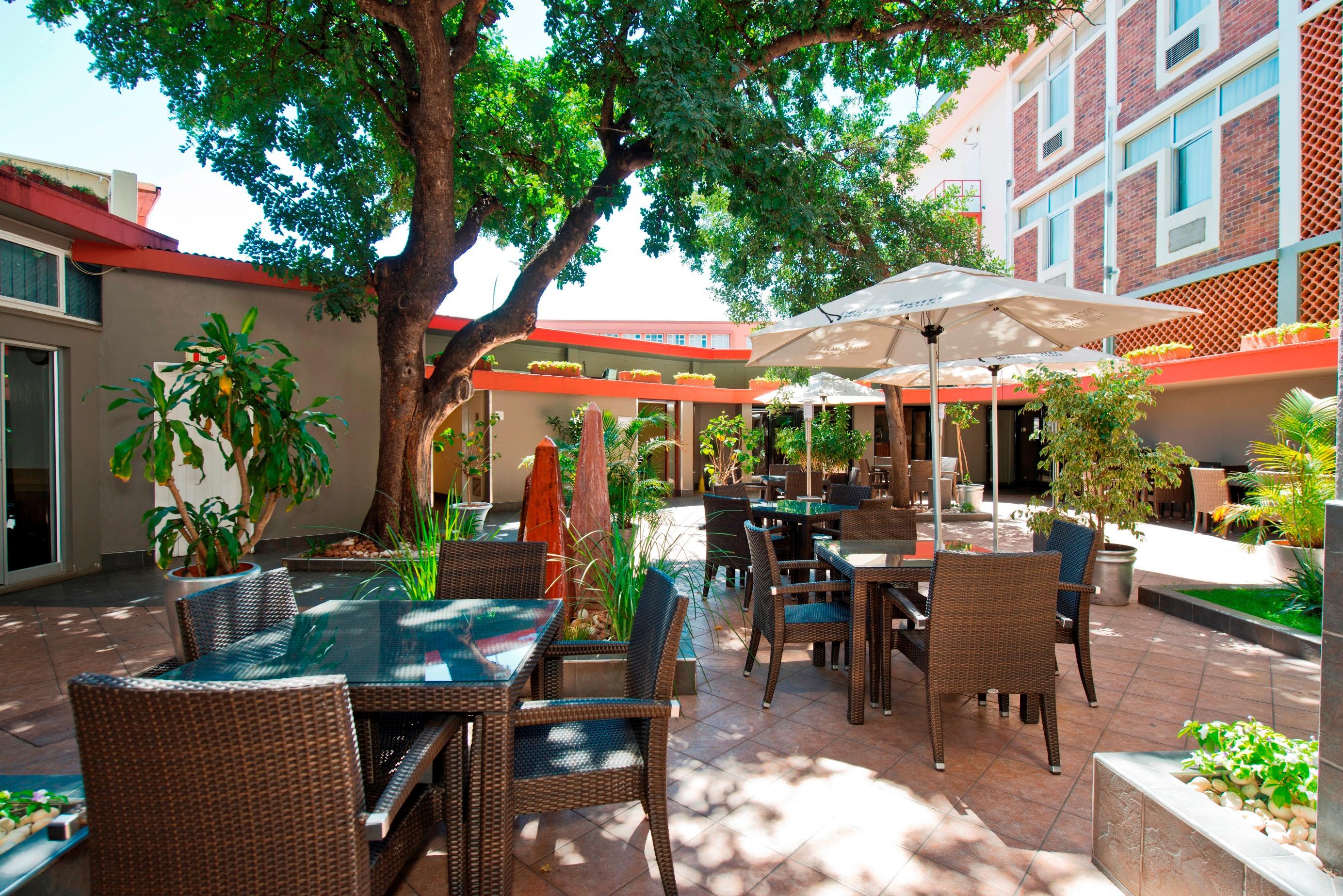
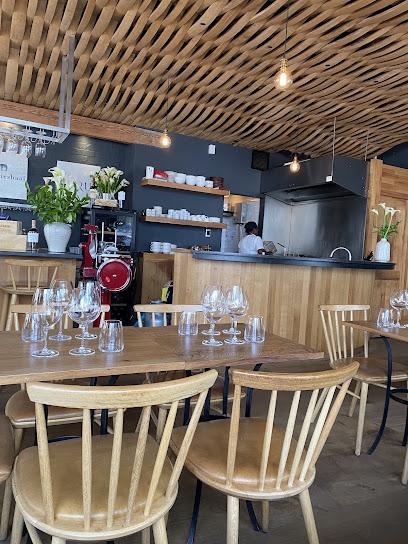
Gay-friendly wine bar and bistro in central Windhoek — a relaxed space drawing the professional and expat community with an excellent South African wine list and a notably tolerant social atmosphere.
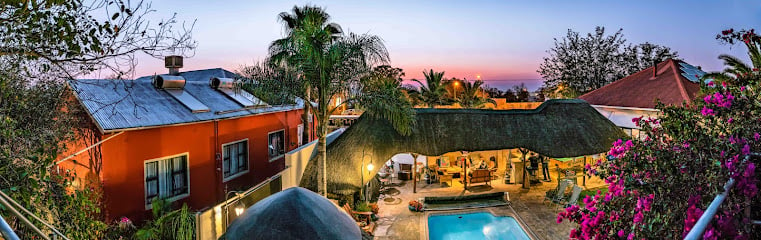
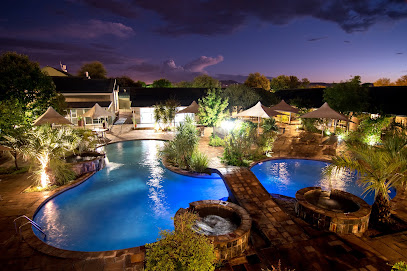
Namibia's most beloved LGBTQ+-welcoming guesthouse — a backpacker institution in Klein Windhoek with a pool, bar, and social atmosphere that has made it the meeting point of choice for queer…
Windhoek: A Traveler's Guide to Namibia's LGBTQ+ Capital
Windhoek, perched on the high plains of central Namibia, is the country's political, economic, and cultural heart. As the capital and largest city, it serves as the primary hub for LGBTQ+ travelers visiting Namibia, though its scene is notably different from major gay destinations—smaller, more integrated, and deeply connected to the expat and international community.
Legal Context and Safety
Namibia's legal framework is relatively progressive for southern Africa. Same-sex relations between consenting adults are not criminalized, which distinguishes Namibia from many African nations. However, same-sex marriage is not legally recognized, and societal attitudes, particularly outside urban areas, remain conservative. Windhoek itself is generally safe for LGBTQ+ travelers, with low reported incidents of violence targeting gay visitors. That said, public displays of affection are not typical in Namibian culture generally, and discretion is advisable outside established gay-friendly venues. The expat community and tourism industry in Windhoek are accustomed to international visitors, and most service providers are professional and welcoming.
Neighborhoods and Areas
Windhoek's layout is relatively compact and navigable. The Central Business District (CBD) contains government buildings, shops, and restaurants. Klein Windhoek, immediately south of the CBD, is a residential and commercial area with several bars and restaurants. Eros, further south and slightly elevated, is an upscale residential neighborhood with better restaurants and more affluent amenities. Ludwigsdorf, to the west, contains additional dining and entertainment options. Most LGBTQ+ activity and gay-friendly venues are scattered across these central areas rather than concentrated in a single "gay district."
Venues and Social Spaces
Windhoek's gay scene operates through a combination of dedicated venues and gay-friendly establishments. Joe's Beer House, a well-known local institution in Klein Windhoek, serves as a social hub with craft beers and a mixed clientele. It's consistently recommended as a welcoming spot for LGBTQ+ travelers and locals. Rafters Tavern is another central gathering point with a relaxed atmosphere.
Several upmarket restaurants and wine bars in Eros and Ludwigsdorf are known to be gay-friendly, including establishments that attract international visitors and expats. Craft breweries and wine lounges have become increasingly popular social spaces. Many travelers recommend asking locally or consulting with hotel staff for current recommendations, as the scene is dynamic and venue popularity can shift.
Nightlife and Entertainment
Windhoek's nightlife is more subdued than major African cities. Clubs operate but are not primarily gay venues; however, several accept and welcome LGBTQ+ patrons. The Windhoek Country Club and Resort occasionally hosts social gatherings and events. Many LGBTQ+ travelers report that socializing happens more in small groups and through personal connections than in formalized club nights.
Windhoek does not host a major Pride parade or festival comparable to those in Western cities. However, Pride Month (June) is recognized with smaller gatherings and celebrations, often organized by the LGBTQ+ community and announced through social media and local networks. The annual Windhoek Carnival, held in spring (typically September-October), is a general community event that attracts diverse attendees. LGBTQ+ organizations occasionally organize film festivals, panel discussions, and social events, though these are not regularly scheduled annual fixtures. Travelers should check with local tourism boards or LGBTQ+ social media groups closer to their visit for current events.
Accommodation
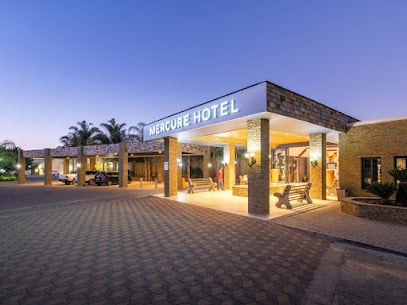
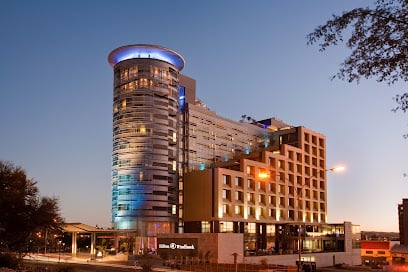
Windhoek offers a full range of lodging from budget guesthouses to luxury hotels. Several guesthouses and small hotels are known to be particularly welcoming to LGBTQ+ travelers. The Chameleon Backpackers is often recommended for its inclusive atmosphere and information-sharing among travelers. Mid-range options include various hotels in Klein Windhoek and Eros, most of which are professional and welcoming without specific "gay" branding. Luxury properties such as Windhoek Country Club and Resort cater to international travelers and maintain professional standards of hospitality.
Windhoek's food scene reflects Namibian cuisine (influenced by German and Southern African traditions) alongside international options. The city has excellent restaurants serving kudu, springbok, and other local game; fresh fish; and traditional Namibian dishes. Craft beer is a growing culture, and several establishments showcase local breweries. Many restaurants are gay-friendly in practice, though few market themselves explicitly as such. Areas like Eros and Ludwigsdorf have concentrated restaurant offerings, while the CBD has numerous casual and upmarket dining options.
Transit and Getting Around
Windhoek is navigable on foot in central areas, though distances can be significant in the heat. Taxis operate throughout the city but require knowledge of routes; ride-sharing apps (Uber operates in Windhoek, though availability and coverage vary) are reliable options for tourists. Car rental is straightforward and recommended for day trips and exploring beyond the city center. The airport (Hosea Kutako International) is approximately 40 kilometers east; shuttle services and car rentals are available.
Day Trips and Natural Attractions
Windhoek serves as a base for exploring Namibia's renowned natural attractions. Etosha National Park, one of Africa's largest game reserves, is approximately 400 kilometers north and offers self-drive safari experiences. Sossusvlei and the Namib Desert's massive red dunes are about 350 kilometers southwest and are best experienced on guided day trips. The Fish River Canyon, Namibia's second-largest canyon, is further south but doable as a long day trip or overnight excursion. These attractions draw many LGBTQ+ travelers to Windhoek, making it a convenient hub.
Community Resources
The LGBTQ+ community in Windhoek maintains a presence through social media groups, community centers, and informal networks. Organizations such as the Out of the Closet initiative work on visibility and rights advocacy. Hotels and tour operators are often well-connected and can provide recommendations and social introductions. Connecting with the community is often best done through asking hotel staff, visiting gay-friendly venues, or joining local LGBTQ+ social media groups for current information.
Cultural Notes
Windhoek reflects Namibia's multicultural character, with German colonial heritage visible in architecture, language, and food alongside indigenous Namibian, Ovambo, Damara, and other cultures. English and German are widely spoken alongside local languages. The expat community is significant, and international visitors are common, making the city cosmopolitan in atmosphere. LGBTQ+ travelers are generally integrated into the tourism and hospitality systems without exceptionalism.
Conclusion
Windhoek is not a traditional "gay destination" in the model of established LGBTQ+ centers, but rather a capital city with a growing and welcoming LGBTQ+ presence embedded within its broader tourism and expat infrastructure. It works best for travelers seeking to experience authentic Namibian culture, explore world-class natural attractions, and socialize within a small but genuine LGBTQ+ community. The relative openness, safety, and friendliness of Windhoek make it an accessible introduction to both Namibia and LGBTQ+ life in southern Africa.
Frequently asked questions
Namibia has legal restrictions regarding LGBTQ+ rights, and while Windhoek's scene is growing and more accepting, it's advisable to be aware of the broader societal context. The city center and areas like Klein Windhoek are known for welcoming establishments.
The city center, particularly along Independence Avenue and surrounding streets, is the primary hub for gay social activity. Klein Windhoek, an upscale area just south of downtown, is also increasingly popular with LGBTQ+ residents and visitors.
Windhoek's scene is more social than explicitly 'gay' in branding. Most welcoming spaces are mixed venues with known gay clientele. Joe's Beer House in the center is a popular gathering spot for LGBTQ+ individuals.
Windhoek Pride typically occurs annually in August or September. This period features celebrations, marches, and community gatherings.
The nightlife is relatively low-key, often revolving around house parties and private gatherings arranged through social networks. Mixed venues in Klein Windhoek and the city center are generally welcoming.
The guide mentions various guesthouses and small hotels are available. Visitors should connect with local contacts or accommodation hosts for current information on social events and specific venue recommendations, as these can change.
Your privacy choices.
We use cookies to run GayOut and, with your consent, measure usage. Learn more
Your privacy choices
We use cookies to keep GayOut running, remember your preferences, and (with your permission) measure how the site is used. You can accept all, reject all, or pick what you allow. Learn more
Essential
Required for sign-in, fraud prevention, CSRF protection and remembering your language. Cannot be disabled.
Always on
Remembers your favourites, dark mode and other interface preferences across visits.
Helps us understand which pages people visit (Google Analytics, server-side stats) so we can improve.
Used by campaign tracking pixels. None are active right now, reserved for future use.
Install GayOut
Add GayOut to your home screen for faster access, offline favourites, and Pride alerts.


 Gay Bars & Clubs
(2220)
Gay Bars & Clubs
(2220)