















In this guide · 7 sections
Tel Aviv's Gay Scene: Where the Party Never Ends and the Stakes Feel Real
Tel Aviv isn't like other gay cities. Not because it has the most bars, biggest clubs, or most famous parade—though it competes at the top for all of those. What makes it different is geography. This sunny Mediterranean city sits in a region where homosexuality is a crime in almost every neighboring country. That reality hangs in the air and changes the city's LGBTQ+ scene from just a party into something closer to a statement. The people in the clubs aren't all tourists seeking warm weather; some are gay Palestinians, Jordanians, and Syrians crossing borders because this is the one place nearby where they can be themselves. That gives Tel Aviv's gay culture an intensity you won't find anywhere else.
On the surface, though, it's also just enormous fun. The beaches are great. The food is some of the best in the world. The nightlife runs on a schedule that would give Berlin a run for its money. And Pride week in June draws 250,000 people for a seafront parade, followed by multiple nights of circuit parties, drag performances, and beach raves that go straight through to Sunday morning.
The Gay Neighborhoods
Tel Aviv doesn't have a single gay district like Soho in London or Le Marais in Paris. Queerness here is more spread out—across several distinct areas, each with its own character.
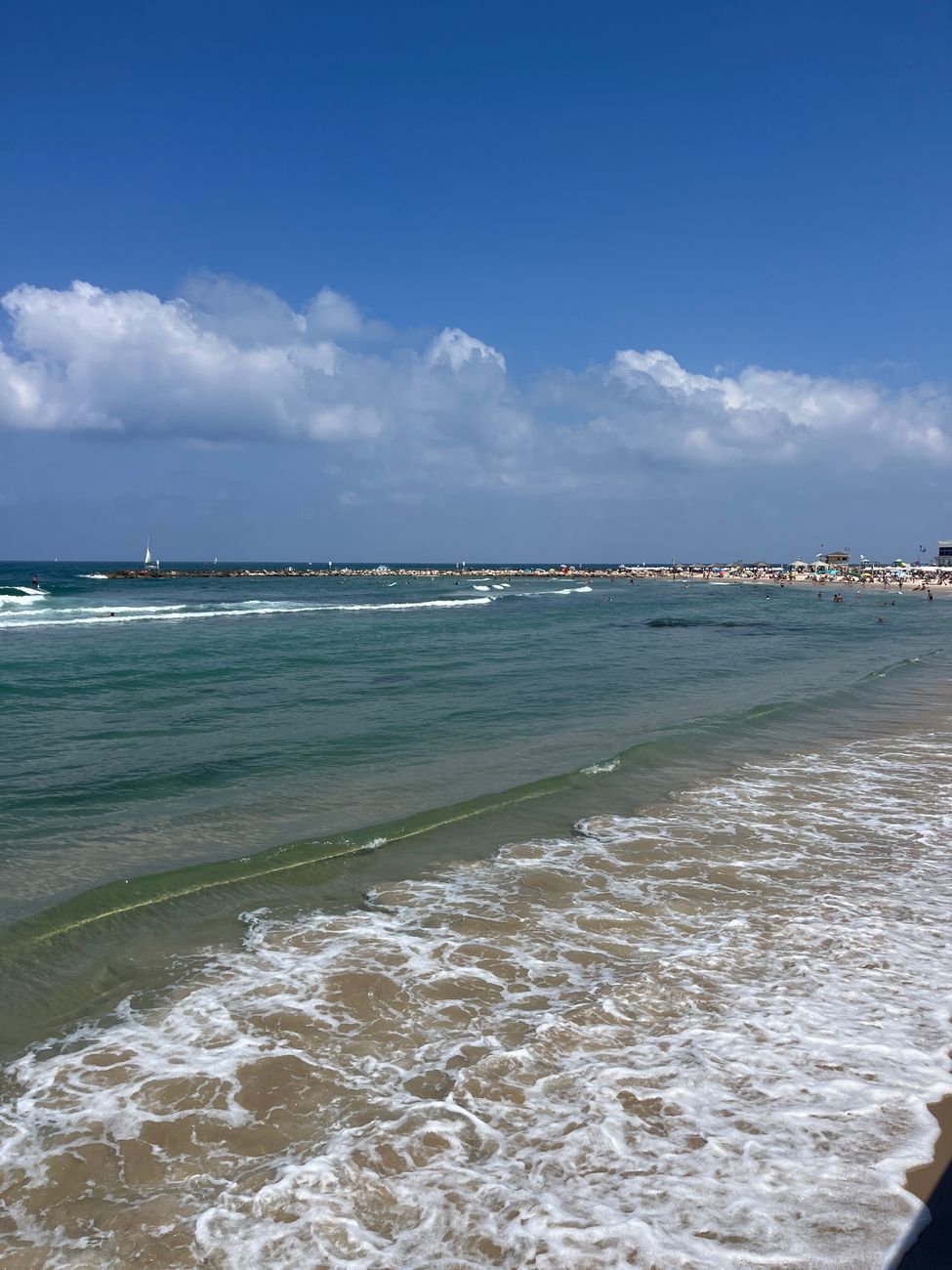
The Beach District stretches along HaYarkon Street in the city's Old North. This is where international gay tourists tend to cluster. Hilton Beach—the strip of sand below the Hilton Hotel—has been Tel Aviv's unofficial gay beach since the 1970s. By 10am on a summer weekend it's already busy; by 2pm the volleyball courts are active and the beach bar is doing serious trade. The whole promenade is lined with gay-friendly hotels, cafes, and restaurants; you can walk bar to bar along the seafront without really trying.
Rothschild Boulevard and Neve Tzedek form the cultural heart of the city. The wide, tree-lined boulevard—flanked by UNESCO-listed Bauhaus buildings—is home to Jimmy Who (Wednesdays belong to the DRECK party here), wine bars, and design-forward coffee shops that stay busy until midnight. Adjacent Neve Tzedek, Tel Aviv's oldest neighborhood, is cobblestoned, gallery-filled, and has a lot of queer residents. Lilienblum Street, connecting the two areas, is where Amazona TLV—the city's main lesbian bar—opens Thursday nights and Friday afternoons.
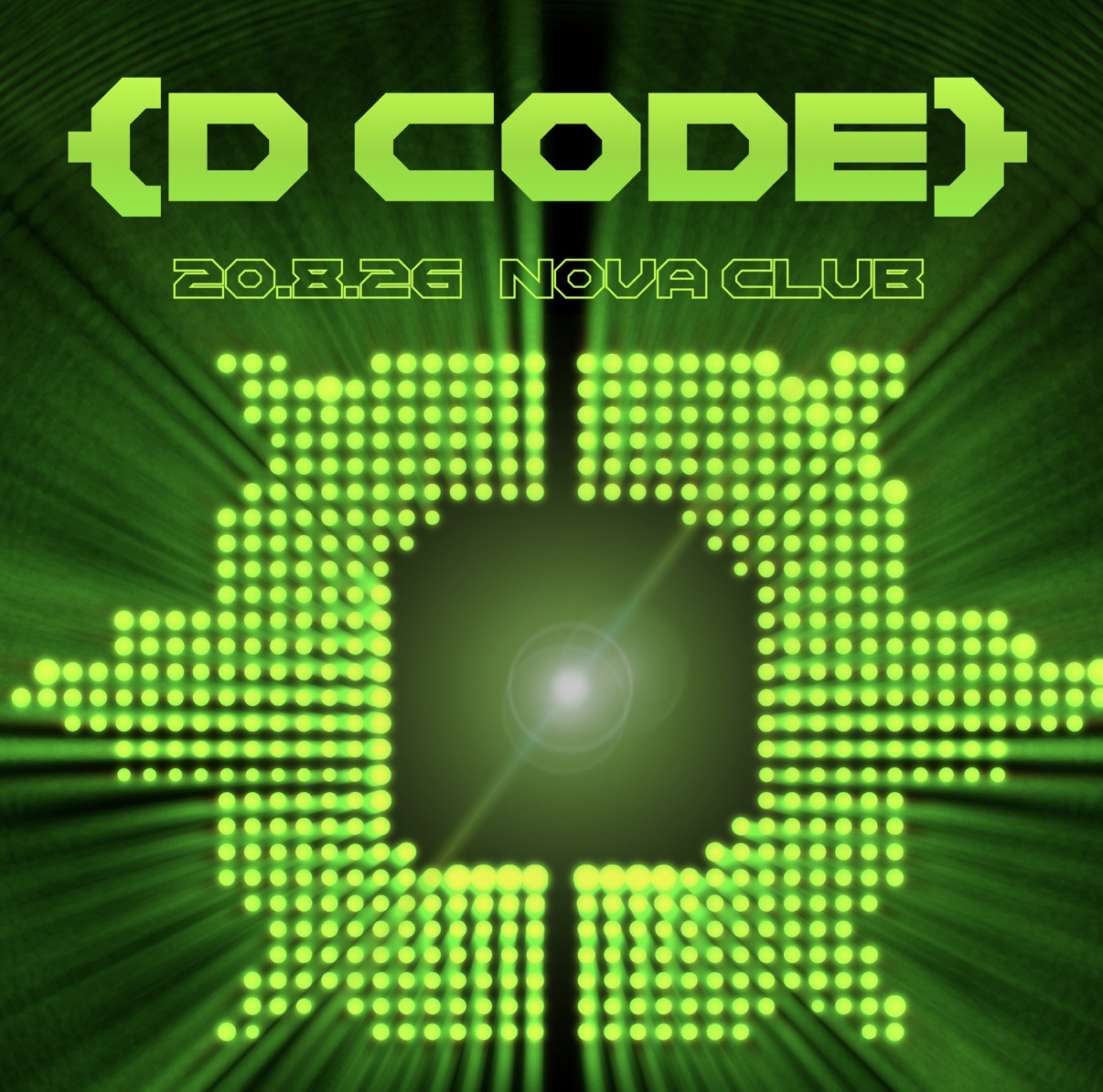
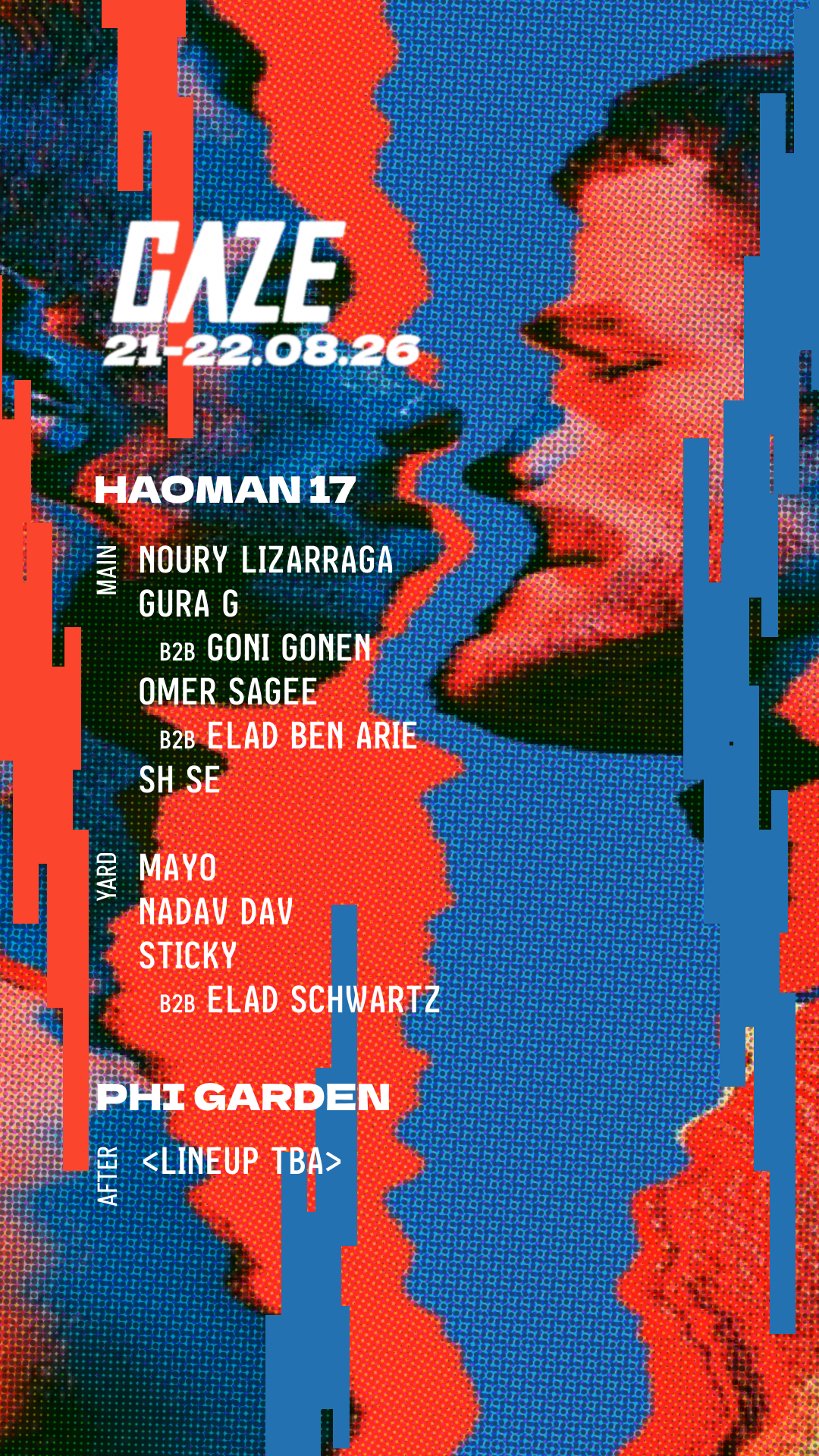
Florentin is where the circuit party scene lives. Grittier and more local than the beach district, this is the neighborhood of street art, late-night falafel stands, and the 3,000-capacity venue Haoman 17, which hosts the ARISA, BEEF, and Forever Tel Aviv events that put Tel Aviv on the global party map.
Gan Meir (Meir Park) on King George Street is the city's community hub—a large park where queer Israelis have gathered for decades, home to The Aguda's LGBTQ+ center and the kind of relaxed outdoor social scene you can't buy.

Nightlife: How the Week Works
What surprises first-time visitors is that Tel Aviv's gay scene doesn't depend on permanent gay bars. It runs on party brands—recurring nights that take over mainstream venues, moving around the city over time. Following specific party nights matters more than following specific addresses.
The week has a rhythm. Wednesday belongs to DRECK at Jimmy Who, a dance party that has become "the start of the Israeli gay week" for many residents. It's accessible, fun, and draws a mix of tourists and locals before the serious circuit events begin.
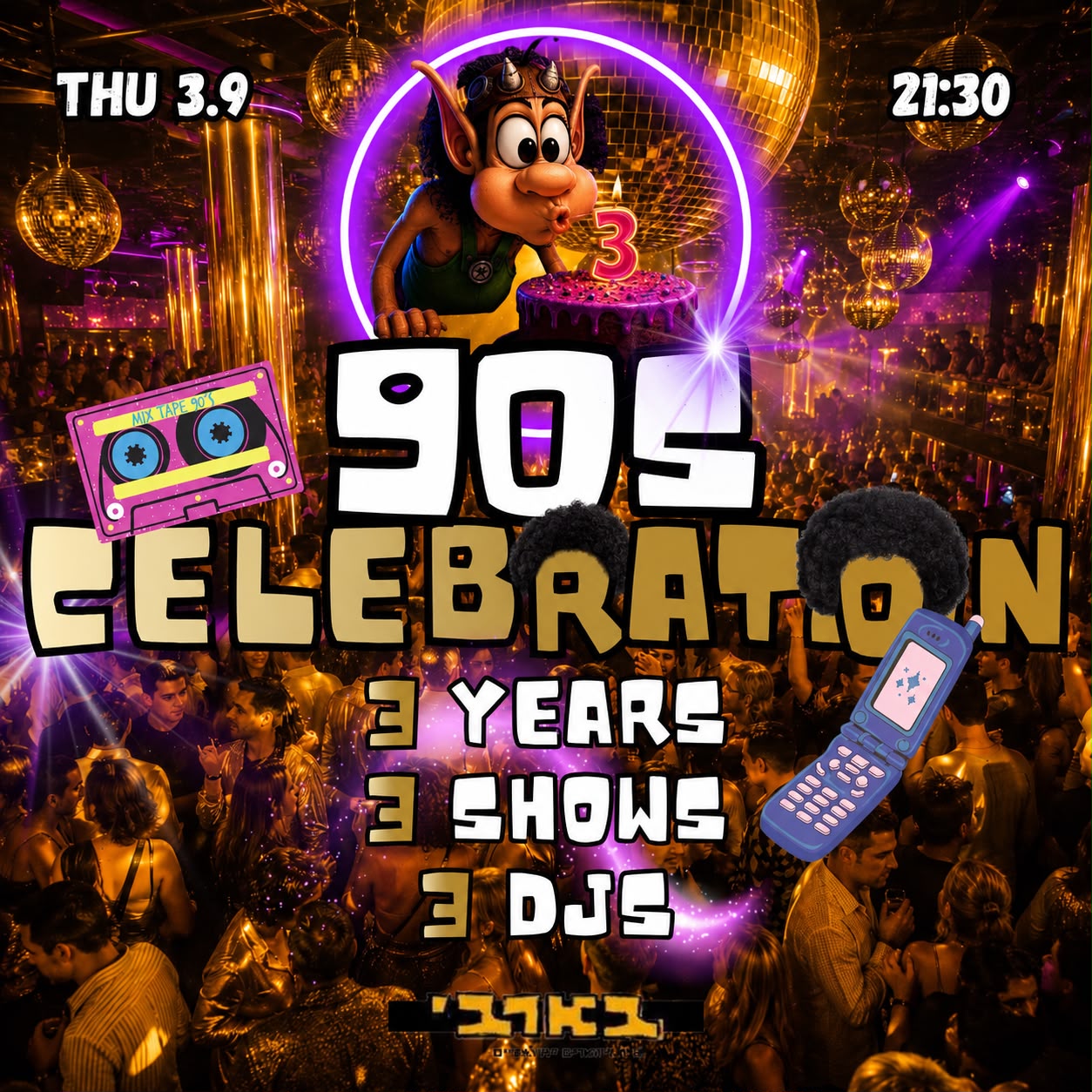
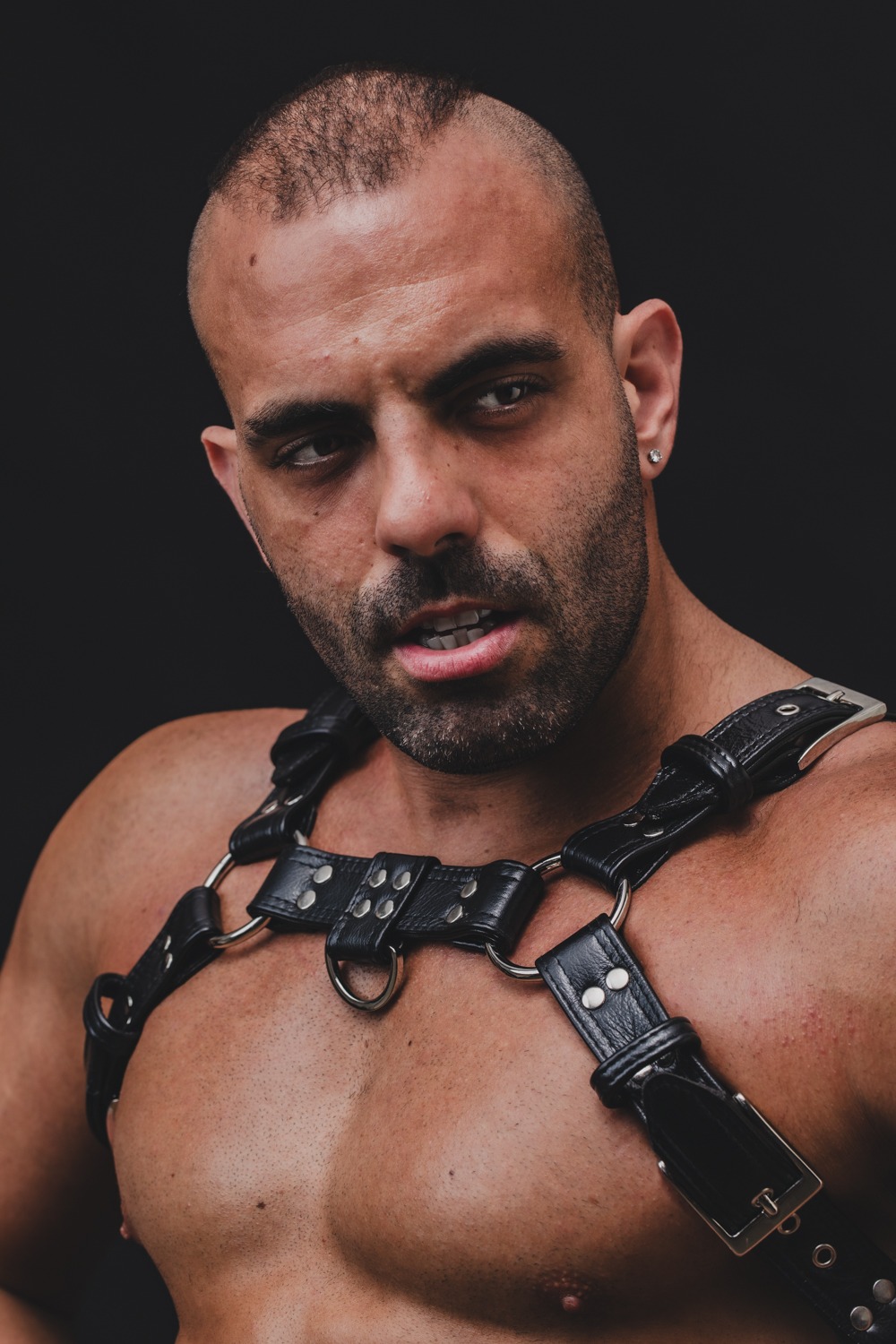
Thursday marks the real start of the Israeli weekend. Multiple events activate: the monthly ARISA (gay Mizrahi Arabic-pop at Haoman 17), the alternative techno PAG night, the BEEF fetish parties, and—for women—Amazona TLV.
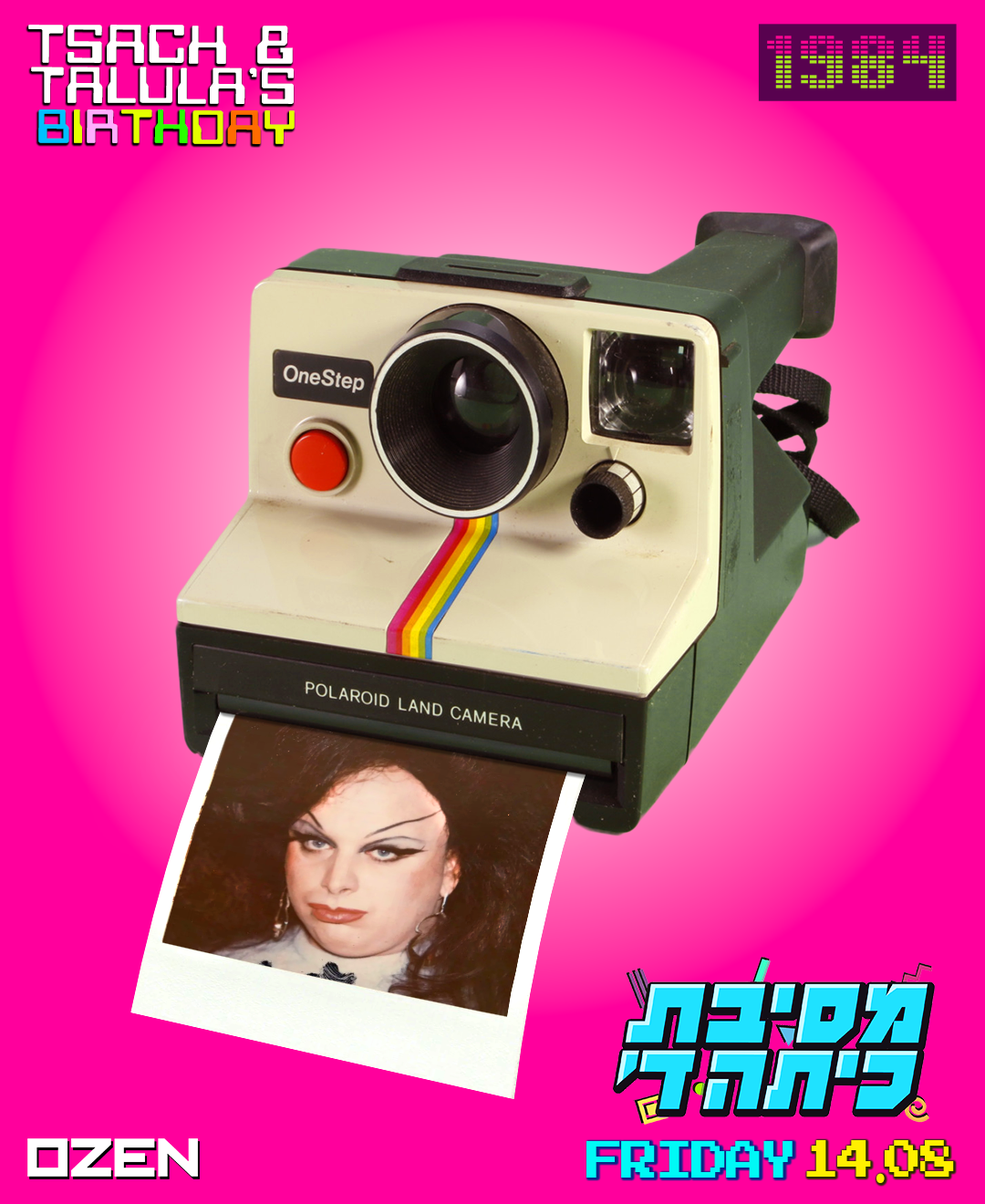
Friday and Saturday nights don't actually begin until 23:00. This is Tel Aviv time—show up to a club at midnight and you're early. The biggest circuit parties (Forever Tel Aviv's massive shows, the Shfaim waterpark daylight event on Saturdays) are genuine international productions with DJs and visitors flying in specifically for the weekend.
Sunday has its own culture: after-parties here are taken seriously. The BEEF Snax Sunday event during Pride week is considered one of the best post-circuit gatherings in the world.
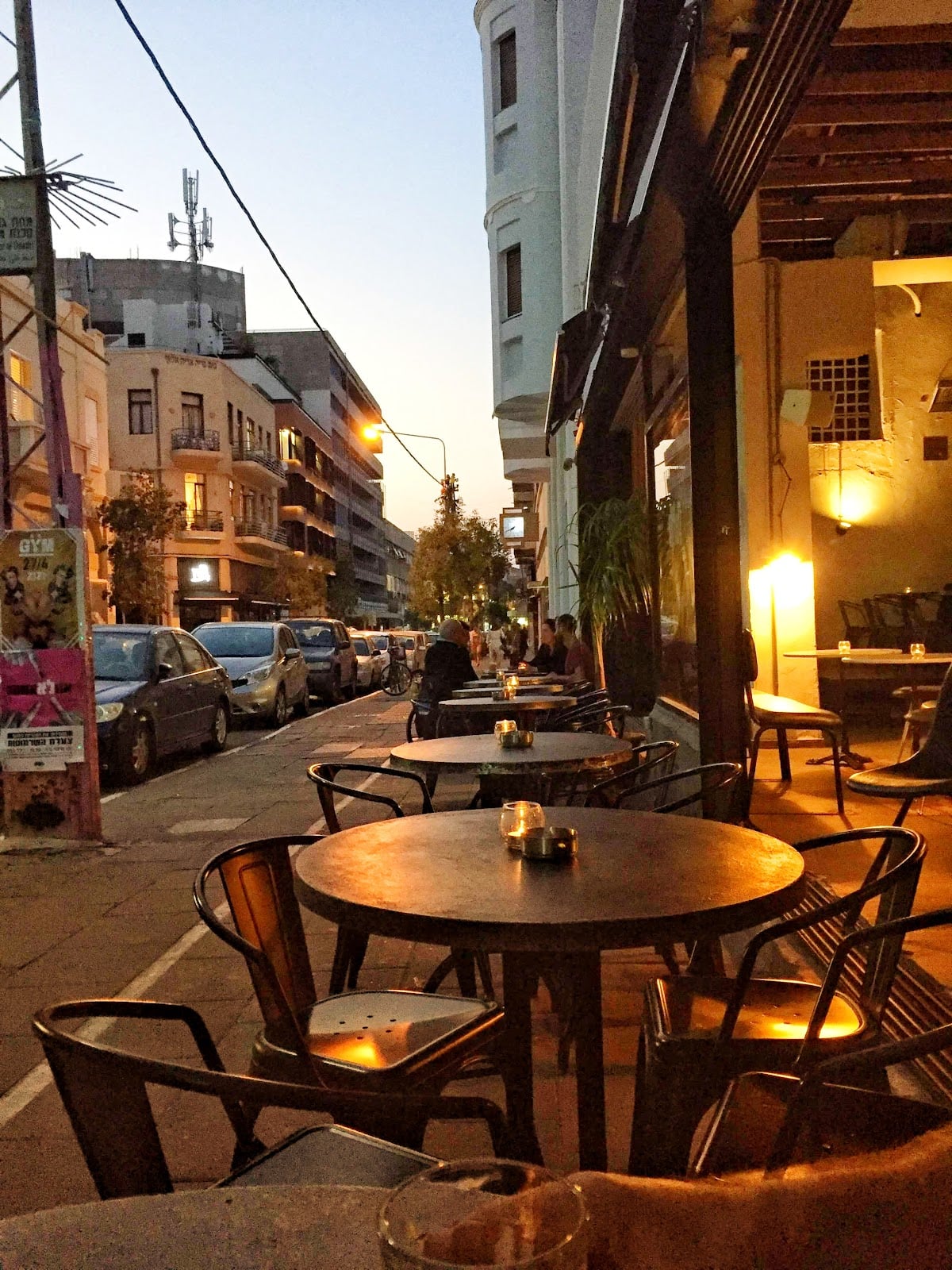
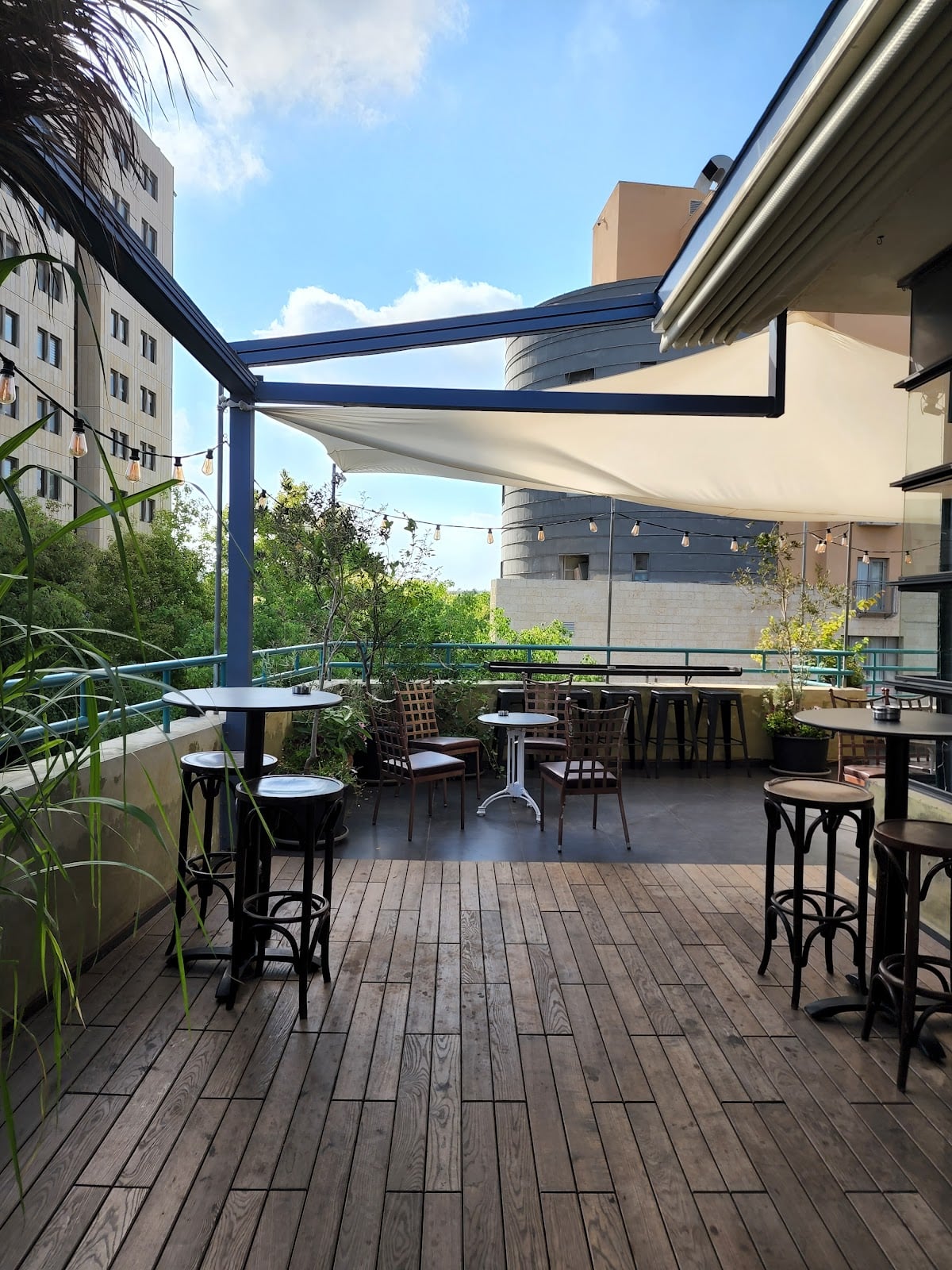
Shpagat on Nahalat Binyamin Street is the exception to all of this—a genuine everyday gay bar, open from mid-morning, with a terrace that fills at all hours and a crowd as mixed as the city itself. Come here when you want Tel Aviv without an agenda.
Saunas
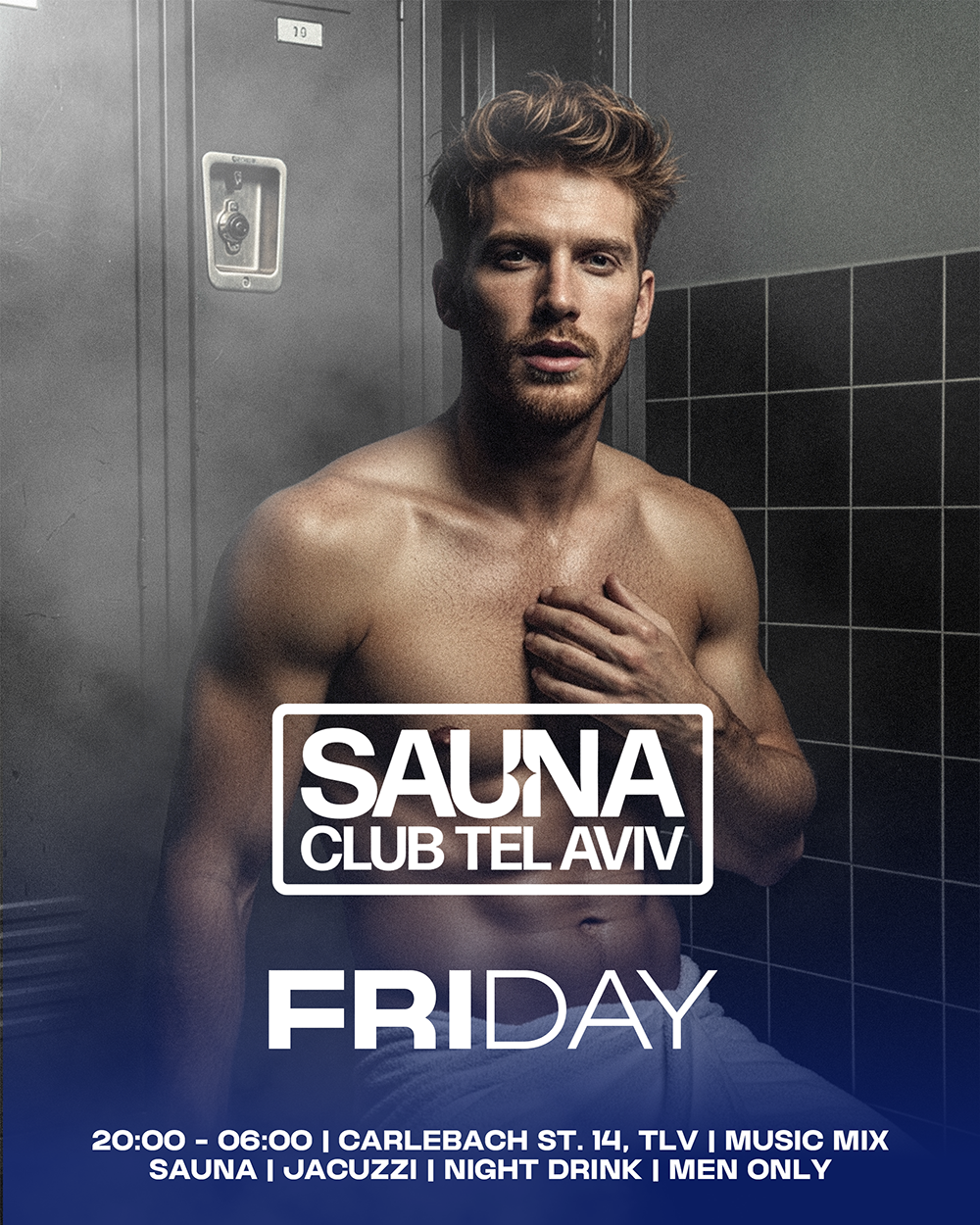
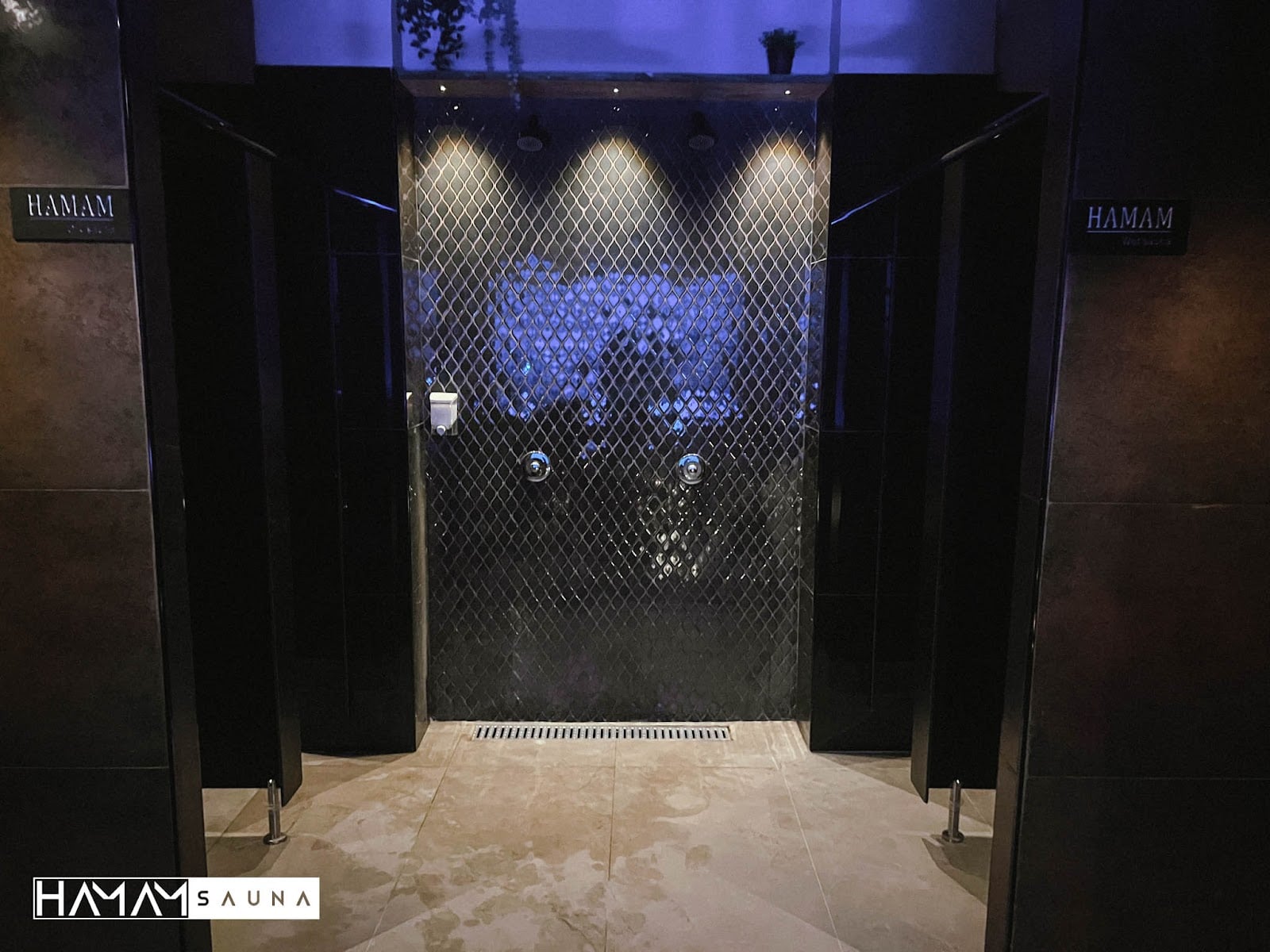
Tel Aviv's sauna scene operates with an openness you won't find in more conservative cities. Sauna Tel Aviv on Carlebach Street is the standard: over 400 square meters, steam room, Jacuzzi, private cabins, full bar, and live DJs on weekends. It's licensed by the Israeli Ministry of Health and kept to a high standard. Paradise Spa Sauna on Allenby Street is more central and runs good theme nights (mixed Wednesdays, no-towel Thursdays, DJ Fridays). Hamam Sauna TLV on HaRakevet Street is worth a visit on Saturdays when it fills up and the social atmosphere improves accordingly.

Where to Stay
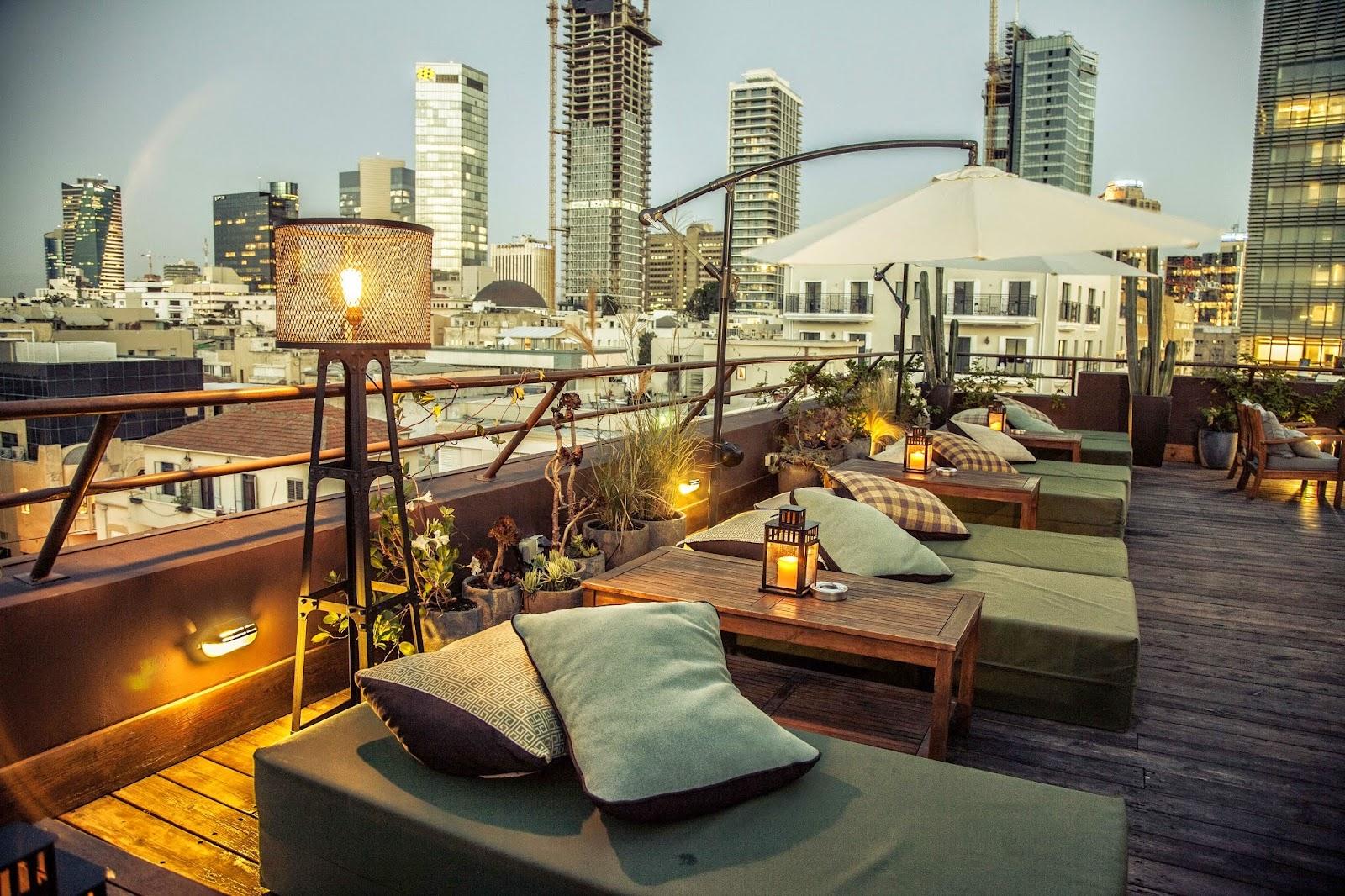
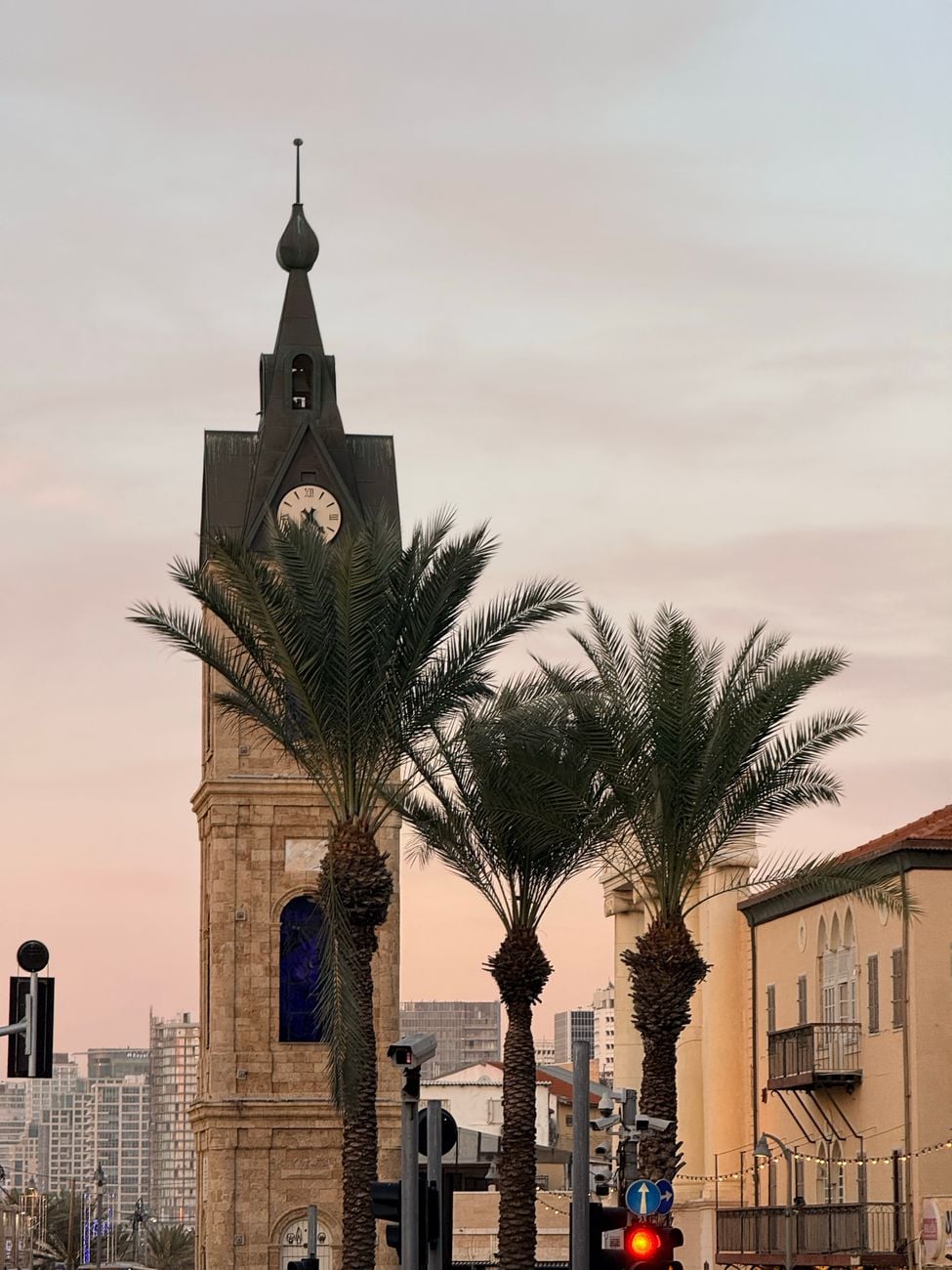
Inta Hotel Jaffa in Jaffa is Tel Aviv's only explicitly gay hotel—17 rooms in a restored 1920s Ottoman building, gay-owned, with a rooftop terrace bar and sunset views over the port. If you want something personal and genuinely queer-owned over a generic gay-friendly chain, this is the place.
Hilton Tel Aviv is the mainstream circuit party choice: right next to the gay beach, outdoor pool, and functions as the unofficial international hub during Pride week. Book 6–12 months in advance for June.
For budget stays, Ben Yehuda Street has a cluster of smaller hotels within easy walking distance of Hilton Beach and the main bars. Prices in Tel Aviv are high by European standards—this is an expensive city, and Pride week prices are significantly higher again.
Tel Aviv Pride Week (June 7–13, 2026)
The 28th Tel Aviv-Yafo Pride Parade takes place on Friday 12 June 2026. The route assembles at Meir Park (Gan Meir), runs along Bugrashov Street to Ben Yehuda Street toward the promenade, and ends at Charles Clore Garden on the beach—250,000 people expected, Mediterranean sun, and a finish line that is genuinely a party on the sand.
The parade is one night of a week-long program that includes the Forever Tel Aviv opening party (Thursday), the legendary Shfaim waterpark daylight event (Saturday, 35km north), and BEEF, Crush, and ARISA events running across the weekend. If you're coming for Pride, plan to arrive by Wednesday and stay through Sunday morning.

Practical Tips
Shabbat runs from Friday at around 17:30 to Saturday evening at around 20:00—buses and trains stop. Download the Gett ride-share app before landing, or book a hotel close enough to walk to your plans. The city doesn't close (bars, restaurants, and beach life continue) but public transit does.
Atraf is Israel's dominant gay social and dating app. Download it alongside Grindr—it gives access to events and local connections that international apps miss.
The heat: June in Tel Aviv hits 30–35°C. If you're doing beach days and club nights back-to-back, drink water constantly, especially at outdoor events.
Security: Israel has been under heightened security conditions since October 2023. Multiple Western governments maintain active travel advisories. Check your government's current Israel advisory before booking—the situation changes. The Tel Aviv city center has strong civilian security infrastructure, and Pride events have continued without interruption.
Outside the city: Tel Aviv norms don't apply everywhere in Israel. Be more discreet in ultra-Orthodox Jewish neighborhoods and in Arab towns and cities. Jerusalem is 45 minutes by train—worth a day trip, worth being less visible. The contrast between the two cities is stark.
Tel Aviv knows exactly what it is, and it isn't shy about it. Come ready to participate.
