Same-sex marriages performed abroad are fully recognised. Domestic civil marriage unavailable to anyone (religious courts control marriage law). Full joint adoption legal since December 2023 Supreme Court ruling. Employment/service discrimination protections since 1992. Conversion therapy banned February 2022. Blood donation ban lifted October 2021. Trans legal gender change possible without surgery since 2015 (medical diagnosis still required). Tel Aviv is recognised as one of the world's…
Beit Oren: A Guide to Israel's Progressive Kibbutz Community
Beit Oren is a small kibbutz (collective community) located in the Carmel Mountains region of northern Israel, approximately 30 kilometers south of the port city of Haifa and about 90 kilometers north of Tel Aviv. Unlike Israel's larger urban centers, Beit Oren offers a distinctly different LGBTQ+ experience rooted in communal living, environmental stewardship, and cultural expression rather than commercial gay nightlife.
History and Community Character
Founded in 1949, Beit Oren was established as a kibbutz—a form of collective community based on cooperative principles. Over the decades, the kibbutz movement has become increasingly progressive on social issues, and Beit Oren has emerged as a particularly welcoming and inclusive community. The village has attracted LGBTQ+ residents and visitors drawn to its values of equality, shared resources, and alternative living arrangements that predate and parallel modern LGBTQ+ liberation movements.
The community's progressive character extends across multiple dimensions. Many kibbutz members have long supported LGBTQ+ rights, and the village maintains a notable LGBTQ+ population among its residents. Unlike conventional Israeli towns, Beit Oren's collective structure means decision-making is communal, and social policies reflect the membership's values—which include explicit commitment to inclusivity and non-discrimination.
Accommodations and Where to Stay
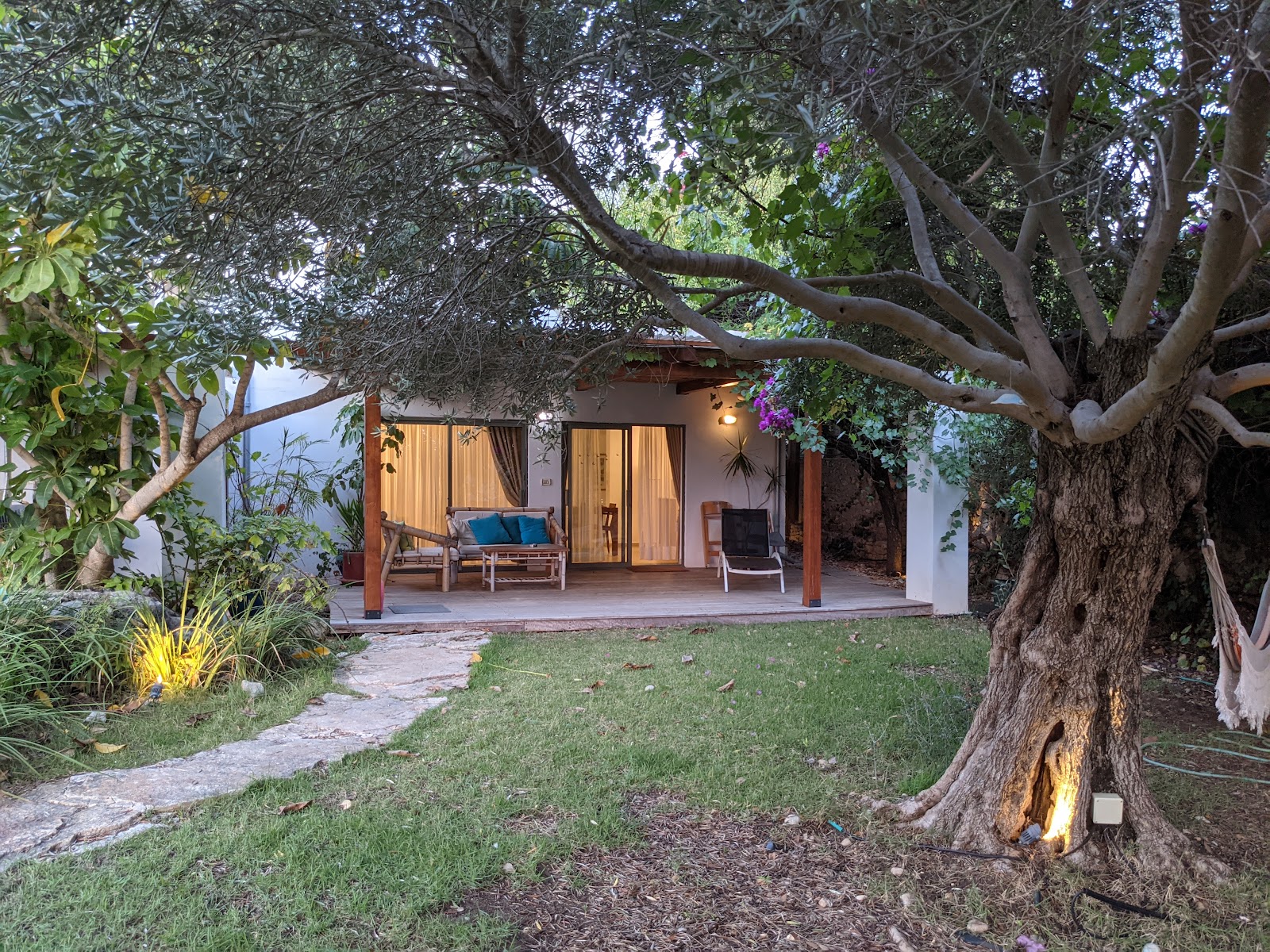
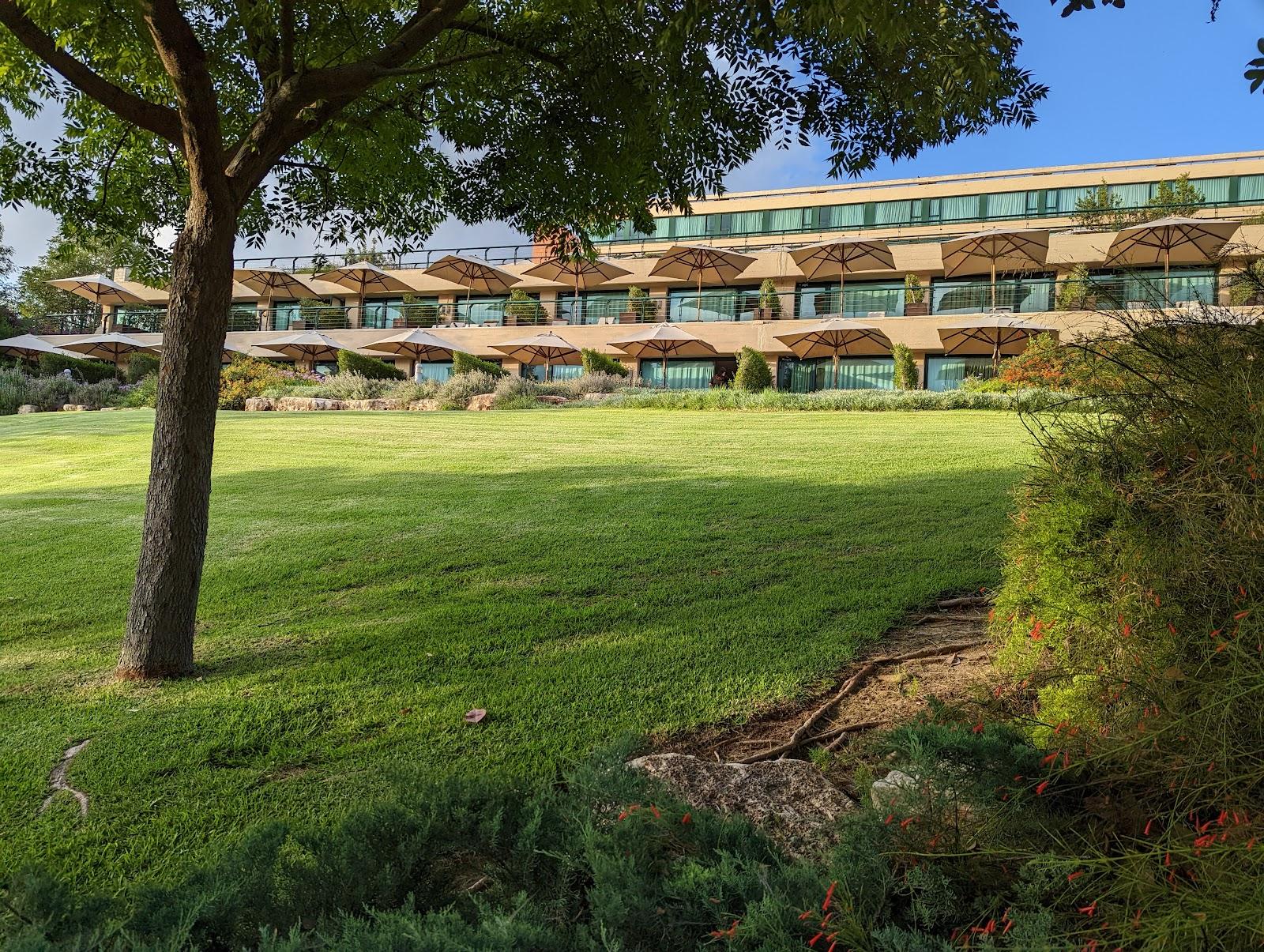
Beit Oren operates a guesthouse (Beit Oren Guest House) that welcomes visitors from outside the community. Accommodations range from simple rooms to small cabins and are reasonably priced for the region. The guesthouse serves as the primary entry point for travelers and provides basic amenities. The communal dining hall is open to guests, offering meals prepared by the kibbutz kitchen—a chance to experience collective living firsthand.
Staying at Beit Oren means participating in the rhythms of kibbutz life. Breakfast and dinner are typically served in the communal hall, creating opportunities to meet residents and other guests. The pace is slower and more relaxed than urban Israeli tourism, which appeals to visitors seeking authentic cultural immersion rather than conventional attractions.
The village's primary draws are natural and cultural rather than commercial. The Carmel Mountains offer extensive hiking trails accessible from Beit Oren, with paths ranging from easy walks to more challenging treks. The landscape includes Mediterranean forests, panoramic views, and access to several nature reserves including Wadi Taninim and Nahal Me'arot.
Beit Oren hosts cultural events throughout the year, including performances, workshops, and exhibitions in its cultural center. The kibbutz has a strong arts community, and visitors may encounter live music, theater, or visual art exhibitions. The village's pottery workshops and artist studios are sometimes open to visitors interested in Israeli craft traditions.
The kibbutz operates a small museum dedicated to its history and the kibbutz movement more broadly. This provides context for understanding how cooperative communities function and their role in Israeli society.
Events and Gatherings
While Beit Oren does not host a specific Pride festival, the community itself maintains a welcoming atmosphere year-round. Several Israeli LGBTQ+ organizations and groups organize gatherings, retreats, and workshops at kibbutzim including Beit Oren, particularly during spring (April-May) and early summer (June). These events are not always publicly advertised but may be discovered through Israeli LGBTQ+ community networks and organizations like Aguda (Israel's largest LGBTQ+ organization).
The kibbutz also hosts cultural events open to the public, particularly during Israeli holidays like Passover and Shavuot, when many Israelis travel and visit communities like Beit Oren.
Regional Context and Day Trips
Beit Oren's location in the Carmel region places it within reach of several significant destinations. Haifa, approximately 30 kilometers north, is Israel's third-largest city and has an established LGBTQ+ scene including bars, cafes, and community organizations. The Haifa Gay Center and various LGBTQ+-friendly venues operate in the city, making it a feasible day-trip destination for those seeking more conventional gay nightlife.
The Carmel region itself offers natural attractions including national parks, beaches near Haifa, and smaller towns with Mediterranean character. The Bahai Gardens in Haifa are among the world's most stunning religious gardens and are welcoming to all visitors regardless of background.
Tel Aviv, Israel's major LGBTQ+ destination with vibrant gay nightlife, beaches, and cultural scene, is approximately 90 kilometers south—roughly 90 minutes by car or bus. While further away, Tel Aviv remains accessible as a day trip or weekend excursion for those based in Beit Oren seeking urban LGBTQ+ venues.
Transport and Access
Beit Oren is best accessed by car, as public transportation to the village is limited. Renting a car in Haifa or Tel Aviv and driving to Beit Oren provides maximum flexibility. The drive from Tel Aviv takes approximately 90 minutes via Route 2 northward and then east into the Carmel region.
Alternatively, buses serve nearby towns in the region, though schedules are limited and service to the kibbutz itself may require coordination with the guesthouse. Some visitors arrange private transportation or shared rides through ride-sharing services.
Food and Dining
The communal dining hall serves kibbutz members and guests, offering meals based on Israeli and Mediterranean cuisine. Meals are typically vegetable-focused with meat options, reflecting the kibbutz's agricultural heritage and commitment to sustainable living. Dining in the hall is a social experience and part of the kibbutz immersion—it is where visitors encounter residents and experience communal life.
The village does not have restaurants, cafes, or shops in the conventional sense. A small shop serves kibbutz members' basic needs, but visitors should plan accordingly. Nearly Haifa and other nearby towns offer broader dining options for those seeking variety.
Safety and Practical Considerations
Beit Oren is a safe community in a generally safe region. Israel's overall situation requires awareness of current events and conditions, but the Carmel region and kibbutzim are not areas of particular concern for travelers. Standard travel safety precautions apply.
The LGBTQ+ scene in Beit Oren is rooted in genuine community values rather than commercial tourism, meaning there are no gay bars, clubs, or cruise areas. This appeals to travelers seeking authentic cultural connection but may disappoint those expecting conventional LGBTQ+ venues. Language can be a consideration—Hebrew is the primary language, though many younger residents and guesthouse staff speak English.
Booking and Information
Information about Beit Oren Guest House and visits can be obtained through the kibbutz's official website or by contacting the guesthouse directly. Booking in advance is recommended, particularly during Israeli holidays and summer months. The kibbutz movement organization (Kibbutz Movement or Takam) provides information about kibbutzim open to visitors across Israel.
Who Beit Oren Is For
Beit Oren appeals most to LGBTQ+ travelers interested in alternative tourism, communal living experiments, nature and hiking, Israeli culture beyond urban centers, and peaceful retreat. It works less well for those seeking conventional gay nightlife, party scenes, or commercial LGBTQ+ tourism. It represents a distinct and valuable perspective on LGBTQ+ life in Israel—one centered on community values, sustainability, and cultural authenticity.
Frequently asked questions
No, there are no gay bars, clubs, or LGBTQ+-specific establishments in Beit Oren. The village is a quiet, nature-oriented community.
Beit Oren does not have a documented LGBTQ+ history or an organized gay community presence. It is primarily a residential and eco-tourism area.
Beit Oren offers small guesthouses and bed-and-breakfasts that are family-oriented or nature-focused, rather than specifically gay-oriented. Visitors should book accommodations in advance due to limited options.
No, Beit Oren does not host Pride events or LGBTQ+-specific gatherings. The nearest significant Pride celebration is in Tel Aviv.
Beit Oren is a small, peaceful village focused on nature. While there are no specific LGBTQ+ venues, visitors seeking solitude and nature should find it a quiet retreat. For a more visible LGBTQ+ community and venues, consider nearby Haifa.
Venues in nearby Haifa, approximately 15 kilometers away, include gay-friendly bars and cafes. Haifa's larger population supports a more visible LGBTQ+ community compared to Beit Oren.
Your privacy choices.
We use cookies to run GayOut and, with your consent, measure usage. Learn more
Your privacy choices
We use cookies to keep GayOut running, remember your preferences, and (with your permission) measure how the site is used. You can accept all, reject all, or pick what you allow. Learn more
Essential
Required for sign-in, fraud prevention, CSRF protection and remembering your language. Cannot be disabled.
Always on
Remembers your favourites, dark mode and other interface preferences across visits.
Helps us understand which pages people visit (Google Analytics, server-side stats) so we can improve.
Used by campaign tracking pixels. None are active right now, reserved for future use.
Install GayOut
Add GayOut to your home screen for faster access, offline favourites, and Pride alerts.






 Gay-Friendly Hotel
(4741)
Gay-Friendly Hotel
(4741)