Everything worth knowing before you go.
Eilat: Israel's Southern Red Sea Destination for LGBTQ+ Travelers
Eilat, situated at Israel's southern tip where the Red Sea meets the Negev Desert, attracts LGBTQ+ visitors seeking a different pace than Tel Aviv. While it doesn't have a dedicated gay district, the city provides natural beauty, water activities, and a generally relaxed environment. The LGBTQ+ presence here is integrated rather than segregated, growing alongside Israel's broader acceptance of same-sex relationships. Israel offers legal protections including recognition of same-sex partnerships and anti-discrimination laws.
Eilat is a compact city, easily navigated on foot. North Beach is home to resort hotels and beach clubs. Central Beach, near the city center, is the primary beach area with shops, restaurants, and bars. Downtown Eilat houses most of the city's nightlife and dining in a concentrated grid. The Lagoon area offers a quieter beach experience. LGBTQ+-friendly venues tend to be located in or near Downtown and the Central Beach area.
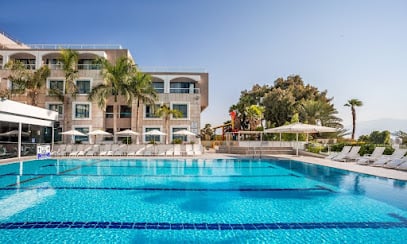
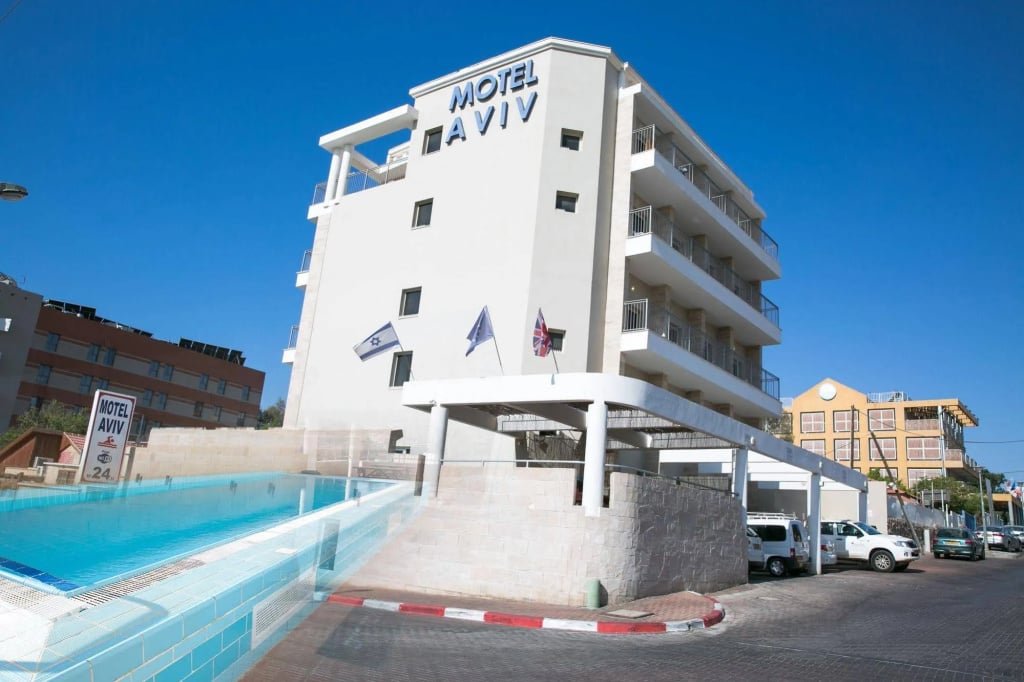
Several hotels have a welcoming, tourism-focused atmosphere. Large resort brands on North Beach such as Herods and Isrotel are upscale options accustomed to international guests of all kinds. For budget travelers, various guesthouses and hostels in the downtown area are generally welcoming and centrally located. Given its tourism focus, most accommodation providers in Eilat are accustomed to LGBTQ+ guests.
Eilat's nightlife is more subdued than Tel Aviv's. Beach clubs and bars in the Central Beach and Downtown areas are often frequented by LGBTQ+ travelers. Specific venues can change, so it's advisable to check current local recommendations closer to your visit. Beach clubs in the Lagoon and Central Beach areas frequently host parties, especially during the summer season. The casual beach bar scene serves as a primary social hub for LGBTQ+ visitors.
Eilat no longer hosts its own Pride festival. An annual "Eilat in Pride" celebration ran in May from around 2001 to 2014, and a 2015 revival did not take hold; there has been no dedicated Eilat Pride since. LGBTQ+ travelers looking for Pride in Israel should head to Tel Aviv Pride (usually June), the largest in the Middle East, or Jerusalem Pride (early June).
Eilat's main attractions are its Red Sea and desert landscapes. The Coral Beach Reserve is renowned for accessible snorkeling with diverse marine life close to shore. Diving is excellent, with numerous dive shops offering courses and expeditions to various reef and wreck sites. The Underwater Observatory Marine Park provides an opportunity to view marine life from below the water's surface. Desert tours into the Negev explore canyons and Bedouin culture. Day trips to Petra, Jordan, are popular for those interested in ancient history. Timna Valley National Park, known for its copper mines and unique rock formations, is also accessible.
Eilat enjoys warm weather year-round. Summer (June-August) is very hot with peak tourism and prices. Winter (December-February) offers pleasant temperatures, lower prices, and fewer crowds. Spring (March-May) and fall (September-November) provide moderate weather and are popular visiting times.
The city is compact and walkable, with most attractions and accommodations within easy reach. Taxis are readily available and affordable. Some hotels provide shuttle services. Rental cars are an option for exploring the surrounding desert and for day trips. Buses connect Eilat to other Israeli cities, with regular service to Beersheba and Tel Aviv.
Israel has legal protections for LGBTQ+ people, and Eilat is generally welcoming. Travelers should be aware of the broader regional political context and any government travel advisories. Eilat is located near the borders of Egypt and Jordan, with significant border security. National ID or a passport is required for travel to and from Eilat. The sun is intense; sunscreen, hats, and hydration are essential. Desert travel after dark in remote areas requires careful planning. Medical facilities are available in Eilat.
Eilat's dining scene caters to tourists, offering a range of options from casual beachside cafes to upscale restaurants. Fresh seafood is a specialty, alongside Mediterranean and Middle Eastern cuisines. International options are available in hotels and tourist areas. The Central Beach and Downtown areas have the highest concentration of restaurants, many with English menus.
The currency is the Israeli Shekel (ILS). Credit cards are widely accepted, though cash is useful for small purchases and taxis. Hebrew is the official language, with English commonly spoken in tourist areas. Eilat operates on Israeli time. Electrical outlets are of the European type.
Eilat offers a more tranquil experience than Tel Aviv's gay scene, focusing on nature and beach activities within a broader tourism context. It appeals to those seeking a relaxed atmosphere and water-based recreation in a welcoming environment.


 Gay-Friendly Bars & Clubs
(529)
Gay-Friendly Bars & Clubs
(529)