Alles, was Sie vor der Reise wissen sollten.
Eilat: Israels südliche Rotmeer-Destination für LGBTQ+-Reisende
Eilat, an Israels südlichster Spitze gelegen, wo das Rote Meer auf die Negev-Wüste trifft, zieht LGBTQ+-Besucher an, die ein anderes Tempo als Tel Aviv suchen. Zwar gibt es hier kein dediziertes Gay-Viertel, doch die Stadt bietet natürliche Schönheit, Wasseraktivitäten und eine generell entspannte Atmosphäre. Die LGBTQ+-Präsenz ist hier eher integriert als segregiert und wächst mit Israels breiterer Akzeptanz von gleichgeschlechtlichen Beziehungen. Israel bietet rechtliche Schutzmaßnahmen, einschließlich der Anerkennung von gleichgeschlechtlichen Partnerschaften und Antidiskriminierungsgesetzen.
Eilat ist eine kompakte Stadt, die sich gut zu Fuß erkunden lässt. Der North Beach beherbergt Resort-Hotels und Beach Clubs. Der Central Beach, nahe dem Stadtzentrum, ist das Hauptstrandgebiet mit Geschäften, Restaurants und Bars. Downtown Eilat konzentriert die meisten Nachtleben- und Gastronomieangebote der Stadt in einem übersichtlichen Raster. Die Lagunenregion bietet ein ruhigeres Stranderlebnis. LGBTQ+-freundliche Lokale befinden sich tendenziell in oder in der Nähe von Downtown und dem Central Beach.
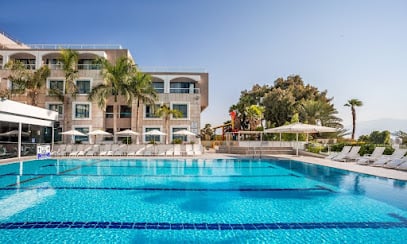
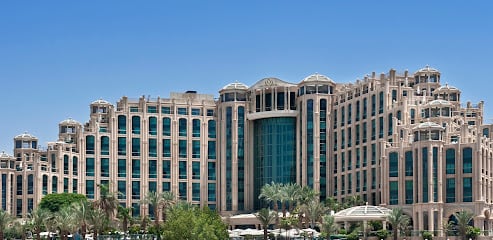
Mehrere Hotels bieten eine einladende, auf Tourismus ausgerichtete Atmosphäre. Große Resort-Marken am North Beach wie Herods und Isrotel sind gehobene Optionen, die an internationale Gäste aller Art gewöhnt sind. Für Budget-Reisende sind verschiedene Pensionen und Hostels im Stadtzentrum generell einladend und zentral gelegen. Angesichts seines touristischen Schwerpunkts sind die meisten Unterkunftsbetreiber in Eilat an LGBTQ+-Gäste gewöhnt.
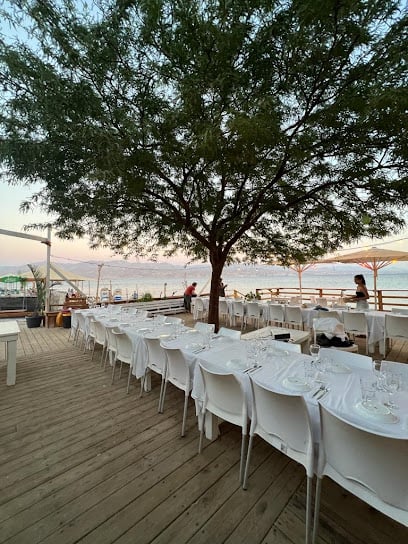
Eilats Nachtleben ist zurückhaltender als das von Tel Aviv. Beach Clubs und Bars in den Gebieten Central Beach und Downtown werden oft von LGBTQ+-Reisenden frequentiert. Spezifische Lokale können sich ändern, daher ist es ratsam, sich kurz vor Ihrem Besuch über aktuelle lokale Empfehlungen zu informieren. Beach Clubs in der Lagunen- und Central Beach-Region veranstalten häufig Partys, besonders während der Sommersaison. Die lockere Beach-Bar-Szene dient als primärer sozialer Treffpunkt für LGBTQ+-Besucher.
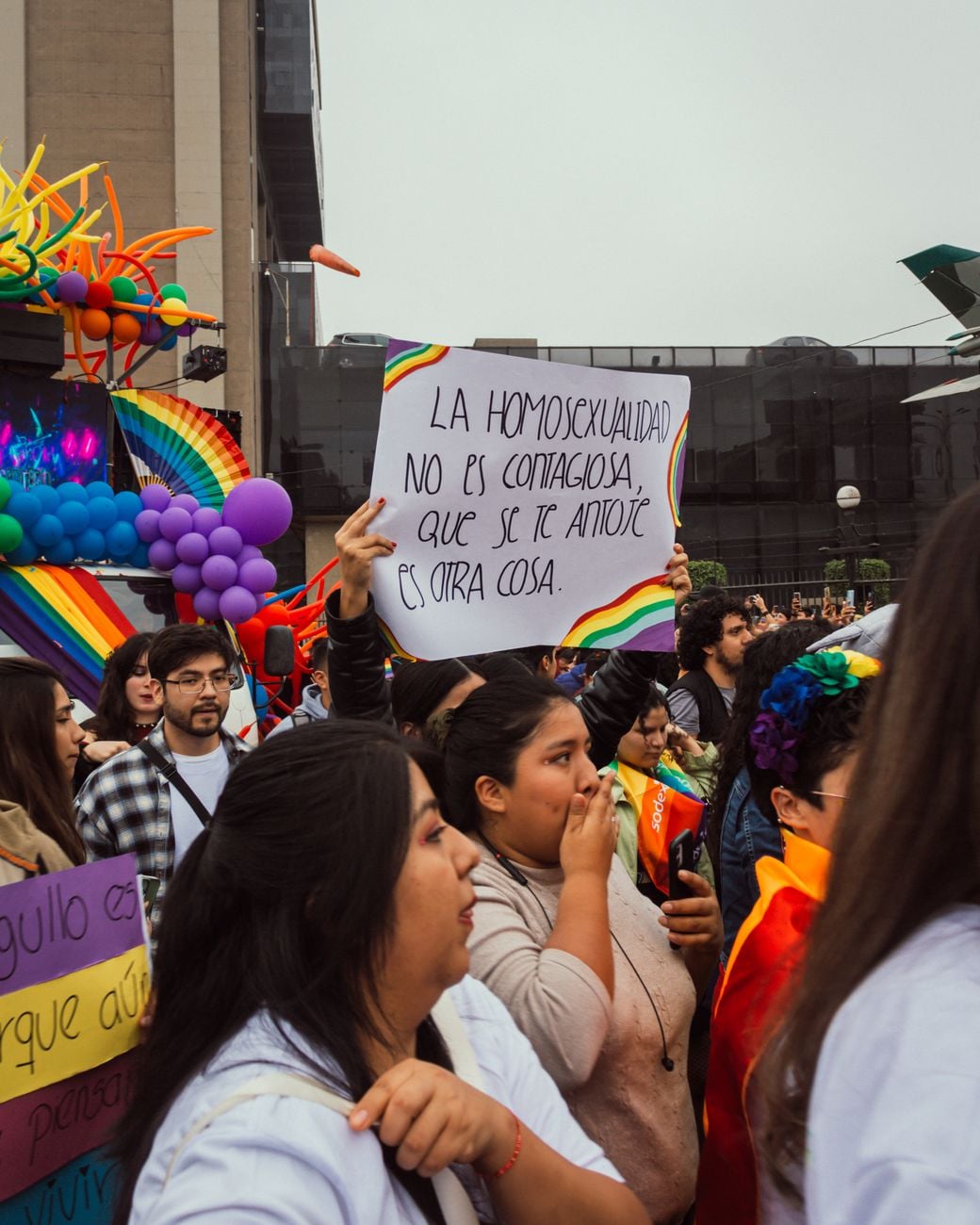
Eilat veranstaltet kein eigenes Pride-Festival mehr. Eine jährliche Feier namens "Eilat in Pride" fand von etwa 2001 bis 2014 im Mai statt, und eine Wiederbelebung im Jahr 2015 setzte sich nicht durch; seitdem gab es keine eigene Eilat Pride mehr. LGBTQ+-Reisende, die auf der Suche nach Pride in Israel sind, sollten sich nach Tel Aviv Pride (normalerweise im Juni), dem größten im Nahen Osten, oder Jerusalem Pride (Anfang Juni) begeben.
Eilats Hauptattraktionen sind seine Landschaften am Roten Meer und in der Wüste. Das Coral Beach Reserve ist bekannt für sein zugängliches Schnorcheln mit vielfältigem Meeresleben nahe der Küste. Tauchen ist exzellent, mit zahlreichen Tauchschulen, die Kurse und Expeditionen zu verschiedenen Riff- und Wrackstellen anbieten. Der Underwater Observatory Marine Park bietet die Möglichkeit, Meeresleben unter der Wasseroberfläche zu beobachten. Wüstentouren in die Negev erkunden Canyons und die Beduinenkultur. Tagesausflüge nach Petra, Jordanien, sind beliebt bei Geschichtsinteressierten. Der Timna Valley National Park, bekannt für seine Kupferminen und einzigartigen Felsformationen, ist ebenfalls gut erreichbar.
Eilat genießt das ganze Jahr über warmes Wetter. Der Sommer (Juni-August) ist sehr heiß mit Hauptsaison und hohen Preisen. Der Winter (Dezember-Februar) bietet angenehme Temperaturen, niedrigere Preise und weniger Andrang. Frühling (März-Mai) und Herbst (September-November) bieten gemäßigtes Wetter und sind beliebte Reisezeiten.
Die Stadt ist kompakt und gut zu Fuß erkundbar, die meisten Attraktionen und Unterkünfte sind leicht erreichbar. Taxis sind readily available und erschwinglich. Einige Hotels bieten Shuttle-Services an. Mietwagen sind eine Option, um die umliegende Wüste und Tagesausflüge zu erkunden. Busse verbinden Eilat mit anderen israelischen Städten, mit regelmäßigem Service nach Beersheba und Tel Aviv.
Israel bietet rechtliche Schutzmaßnahmen für LGBTQ+-Personen, und Eilat ist generell gastfreundlich. Reisende sollten sich des breiteren regionalen politischen Kontexts und etwaiger staatlicher Reisehinweise bewusst sein. Eilat liegt nahe den Grenzen zu Ägypten und Jordanien, mit erheblicher Grenzsicherheit. Für Reisen nach und von Eilat ist ein nationaler Ausweis oder Reisepass erforderlich. Die Sonne ist intensiv; Sonnenschutz, Hüte und Flüssigkeitszufuhr sind unerlässlich. Wüstenreisen nach Einbruch der Dunkelheit in abgelegenen Gebieten erfordern sorgfältige Planung. Medizinische Einrichtungen sind in Eilat verfügbar.
Das gastronomische Angebot in Eilat richtet sich an Touristen und bietet eine Bandbreite von legeren Strandcafés bis hin zu gehobenen Restaurants. Frische Meeresfrüchte sind eine Spezialität, ebenso wie mediterrane und nahöstliche Küchen. Internationale Optionen sind in Hotels und Touristengebieten verfügbar. Die Central Beach und die Downtown-Bereiche weisen die höchste Konzentration an Restaurants auf, viele davon mit englischen Speisekarten.
Die Währung ist der israelische Schekel (ILS). Kreditkarten werden weitgehend akzeptiert, wobei Bargeld für kleine Einkäufe und Taxis nützlich ist. Hebräisch ist die Amtssprache, und in Touristengebieten wird häufig Englisch gesprochen. Eilat operiert nach israelischer Zeit. Steckdosen sind vom europäischen Typ.
Eilat bietet ein ruhigeres Erlebnis als das schwule Leben in Tel Aviv und konzentriert sich auf Natur- und Strandaktivitäten im Rahmen eines breiteren Tourismusangebots. Es spricht diejenigen an, die eine entspannte Atmosphäre und Wassersport in einer einladenden Umgebung suchen.


 Freundliche Schwule Bars & Clubs
(529)
Freundliche Schwule Bars & Clubs
(529)