Same-sex marriages performed abroad are fully recognised. Domestic civil marriage unavailable to anyone (religious courts control marriage law). Full joint adoption legal since December 2023 Supreme Court ruling. Employment/service discrimination protections since 1992. Conversion therapy banned February 2022. Blood donation ban lifted October 2021. Trans legal gender change possible without surgery since 2015 (medical diagnosis still required). Tel Aviv is recognised as one of the world's…
Ramat Gan is a modern city in the Gush Dan metropolitan area, approximately 10 kilometers east of Tel Aviv. While it is not primarily known as a gay destination in its own right, it functions as a strategic and comfortable base for LGBTQ+ travelers exploring the Tel Aviv region, which remains one of the world's most progressive and gay-friendly destinations.
HISTORY AND CONTEXT
Israel's LGBTQ+ rights movement is among the most advanced in the world and in the Middle East and Asia specifically. Tel Aviv and its metropolitan area, including Ramat Gan, have long been centers of LGBTQ+ culture and activism. Israeli law provides robust protections: same-sex couples have inheritance and succession rights, same-sex domestic partnerships are recognized, and gender identity is legally recognized. Transgender individuals can change their legal gender marker without surgery. While civil marriage is not performed for same-sex couples in Israel (due to the role of religious law in personal status matters), same-sex couples married abroad have their marriages recognized. This legal framework has created a relatively open and visible gay culture throughout the Gush Dan region.
Ramat Gan itself became a city in 1921 and developed significantly during Israel's modern period. The city's LGBTQ+ scene developed in tandem with the broader Tel Aviv metropolitan area's gay culture, with cafes, shops, and social spaces becoming increasingly open and visible from the 1990s onward.
NEIGHBORHOODS AND AREAS
Ramat Gan's city center is concentrated around the Ramat Gan Diamond Exchange and the Ayalon Highway area. The Ramat Gan Mall district is a commercial hub. Most gay-friendly businesses are dispersed throughout these central areas rather than concentrated in a single "gay neighborhood" as seen in larger cities. The Bialik neighborhood and areas near Bar-Ilan Boulevard are residential areas with some cafes and shops.
For LGBTQ+ travelers, Tel Aviv's gay neighborhoods are just a short bus ride away: the Florentine district and areas around Dizengoff Center and the beach are the primary gay commercial districts in Tel Aviv, with concentrated nightlife, bars, and clubs.
VENUES AND NIGHTLIFE
While Ramat Gan has gay-friendly cafes and social spaces, it does not have a dedicated gay nightlife district comparable to Tel Aviv. Gay bars and clubs are concentrated in Tel Aviv itself. However, Ramat Gan offers excellent restaurants, cafes, and shopping that attract diverse crowds including LGBTQ+ visitors. The city is cosmopolitan and openly welcoming to same-sex couples and gender-nonconforming individuals. Several cafes and restaurants in the city center are known to be frequented by gay and lesbian locals.
For dedicated gay nightlife, bars, clubs, and saunas, visitors typically travel to Tel Aviv, which is easily accessible. Major Tel Aviv gay venues include Barbie, a long-established gay bar; Evita, a venue in the Florentine district; and several clubs that host circuit parties and themed events. These are typically 15-30 minutes away by bus.
Tel Aviv Pride is one of the largest and most vibrant Pride celebrations in the world, held annually in June. The parade draws hundreds of thousands of participants and spectators, with events, parties, and celebrations throughout the month. While Ramat Gan itself does not host a dedicated Pride parade, residents and visitors access Tel Aviv Pride easily via public transport. Circuit parties and dance events are held in Tel Aviv clubs during and around Pride month.
WHERE TO STAY
Ramat Gan offers several hotel options, including the Hilton Tel Aviv (technically in Ramat Gan but marketed as Tel Aviv), business hotels, and smaller guesthouses. The city is also home to apartments and holiday rentals. Hotels in Ramat Gan are often more affordable than Tel Aviv proper while offering easy access via the frequent bus system. The city center is walkable, with most accommodations near the Diamond Exchange or commercial district. For those prioritizing nightlife, staying in Tel Aviv's Florentine or beach neighborhoods may be preferable, though Ramat Gan's proximity makes it a viable choice for those seeking quieter accommodations with good transit access.
Ramat Gan is connected to Tel Aviv and surrounding cities by an extensive bus network operated by Egged and Dan buses. Key routes include Bus 7, which runs between Ramat Gan and Tel Aviv frequently. The journey from Ramat Gan's city center to Tel Aviv's Florentine district or Dizengoff Center takes approximately 20-30 minutes depending on traffic and the specific route. Taxis and ride-sharing apps (Gett, Uber) are available and reliable. Ramat Gan is also within reach of Ben Gurion Airport (approximately 30-40 minutes by bus or taxi), making it accessible for international arrivals.
FOOD AND DINING
Ramat Gan has a diverse food scene reflecting Israel's multicultural society. The city center contains restaurants serving Israeli, Mediterranean, Asian, and international cuisines. Hummus and falafel shops, bakeries, and cafes are abundant. Several restaurants and cafes are frequented by LGBTQ+ patrons and are welcoming to same-sex couples. For Shabbat (Friday evening through Saturday), many establishments close or have reduced hours due to religious observance, though restaurants in shopping centers often remain open. The city's dining scene is less focused on nightlife and clubbing compared to Tel Aviv, making it better suited for those seeking restaurants and daytime activities.
SAFETY AND ACCEPTANCE
Ramat Gan and the broader Tel Aviv metropolitan area are very safe for LGBTQ+ travelers. Public displays of affection between same-sex couples are normal and widely accepted in the city center. LGBTQ+ individuals are visible throughout the city and face no legal discrimination. Police are professional and responsive. As in any urban area, standard urban safety precautions apply (avoid isolated areas at night, secure valuables), but LGBTQ+ travelers face no heightened risk due to their identity. The city is modern, well-lit, and populated.
DAY TRIPS
From Ramat Gan, several day trips are possible within the Tel Aviv metropolitan area and beyond. Tel Aviv's beaches, museums, and cultural institutions are easily accessible. Jaffa, the historic port city adjacent to Tel Aviv, offers galleries, restaurants, and Ottoman-era architecture. The Tel Aviv Museum of Art, Beit Bialik (a cultural center), and other cultural venues are within easy reach. Further afield (45 minutes to 1.5 hours by bus or car), visitors can explore Caesarea's Roman ruins, Haifa's Bahai Temple and Gardens, or the Dead Sea. The Ein Gedi nature reserve offers hiking and natural pools.
PRACTICAL INFORMATION
Language: Hebrew is the primary language; English is widely spoken in hotels, restaurants, and among younger Israelis. LGBTQ+ venues and resources often have English-language signage and staff.
Currency: The Israeli Shekel (ILS). ATMs and card payment are ubiquitous. Major credit cards are accepted widely.
Climate
Climate: Mediterranean climate with hot, dry summers (June-August, 25-32°C) and mild winters (December-February, 10-18°C). Spring (March-May) and fall (September-November) offer pleasant weather.
Religious Observance: Friday evening through Saturday is Shabbat (the Jewish Sabbath). Many businesses close, though restaurants in shopping centers and some venues remain open. This is normal and not related to LGBTQ+ issues.
Visa: Check specific entry requirements based on your nationality. Many visitors from Western countries receive visa-free or visa-on-arrival entry to Israel.
CONCLUSION
Ramat Gan itself is a welcoming, modern, and safe city for LGBTQ+ travelers, offering comfortable accommodations, dining, and shopping in a cosmopolitan Israeli setting. While its LGBTQ+ scene is modest compared to neighboring Tel Aviv, its proximity to Tel Aviv's vibrant gay culture makes it an excellent base for those seeking both a quieter residential environment and easy access to LGBTQ+ venues, Pride celebrations, and nightlife. For those prioritizing dedicated gay nightlife and Pride attendance, Tel Aviv proper is only a short bus ride away. For those seeking a comfortable, accepting, and well-appointed Israeli city with full LGBTQ+ inclusion and legal protections, Ramat Gan is an excellent choice.
Frequently asked questions
Ramat Gan is part of the Gush Dan metropolitan area, where Israel's LGBTQ+ rights movement is advanced. Israeli law provides robust protections for LGBTQ+ individuals.
Ramat Gan does not have a dedicated gay neighborhood. Gay-friendly businesses are dispersed throughout the city center, particularly around the Diamond Exchange and Ramat Gan Mall districts.
Ramat Gan offers gay-friendly cafes and social spaces, but dedicated gay bars and clubs are concentrated in nearby Tel Aviv, which is a short bus ride away.
The primary gay commercial districts in the Tel Aviv metropolitan area are the Florentine district and areas around Dizengoff Center and the beach.
Civil marriage is not performed for same-sex couples in Israel. However, same-sex couples married abroad have their marriages recognized.
Ramat Gan functions as a comfortable base for exploring the Tel Aviv region. While Ramat Gan has some gay-friendly venues, Tel Aviv is the primary hub for concentrated LGBTQ+ nightlife and commercial districts.
Your privacy choices.
We use cookies to run GayOut and, with your consent, measure usage. Learn more
Your privacy choices
We use cookies to keep GayOut running, remember your preferences, and (with your permission) measure how the site is used. You can accept all, reject all, or pick what you allow. Learn more
Essential
Required for sign-in, fraud prevention, CSRF protection and remembering your language. Cannot be disabled.
Always on
Remembers your favourites, dark mode and other interface preferences across visits.
Helps us understand which pages people visit (Google Analytics, server-side stats) so we can improve.
Used by campaign tracking pixels. None are active right now, reserved for future use.
Install GayOut
Add GayOut to your home screen for faster access, offline favourites, and Pride alerts.




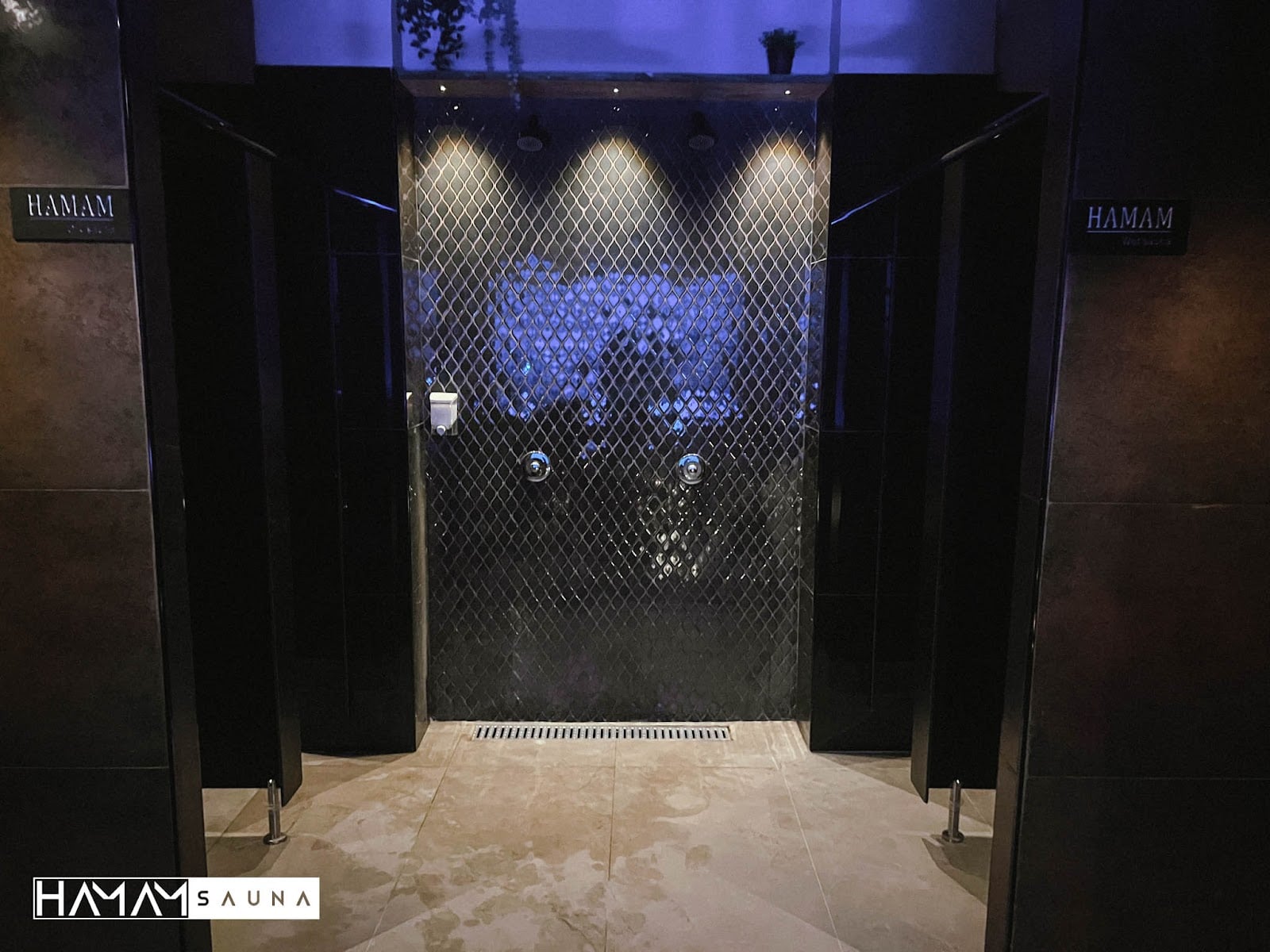
 Gay-Friendly Bars & Clubs
(41)
Gay-Friendly Bars & Clubs
(41)