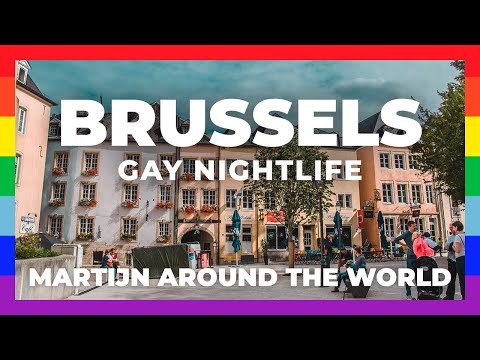
Koekelberg: A Quiet Base in the Brussels LGBTQ+ Landscape
Koekelberg is a residential district in northwest Brussels. While it doesn't have its own LGBTQ+ scene, it's part of the wider Brussels metropolitan area, a city known for its progressive LGBTQ+ community. Understanding Koekelberg's place within Brussels's broader gay landscape is key for travelers considering the area.
Belgium's LGBTQ+ Rights
Belgium has a strong record on LGBTQ+ rights, legalizing same-sex marriage in 2003. This legal framework supports a safe environment for LGBTQ+ travelers across the country, including Brussels. Comprehensive anti-discrimination laws cover employment, housing, and public spaces, contributing to an open atmosphere in Belgian cities.
About Koekelberg
Koekelberg is primarily residential, home to around 30,000 people. Its most prominent landmark is the Basilica of the Sacred Heart, a large Art Deco church offering views over Brussels. The basilica draws visitors for its architecture and culture, not for nightlife or LGBTQ+-specific venues. The neighborhood features tree-lined streets, local shops, and cafés serving the community, offering a more authentic Brussels feel away from tourist crowds.
Brussels's LGBTQ+ Scene
Koekelberg lacks dedicated gay venues, but Brussels's LGBTQ+ community is centered in the Lower Town (Ville Basse) and surrounding central districts. The Marais area, a short tram or metro ride from Koekelberg, is Brussels's historic gay quarter with numerous bars, restaurants, and shops. Streets like Rue de Flandre in central Brussels also host many gay-friendly establishments.
Accommodation in Koekelberg
Koekelberg offers standard hotel and guesthouse options. It does not specialize in LGBTQ+-oriented accommodations. Most LGBTQ+ travelers opt for central Brussels districts closer to gay venues. Those choosing Koekelberg often prioritize quietness, distance from nightlife, or a specific interest in the basilica. Public transport connects Koekelberg to central Brussels for evening activities.
Brussels's public transport system connects Koekelberg well. Tram lines 19 and 55, along with buses, link the neighborhood to central Brussels and the metro. The metro network is efficient for travel throughout the city. Reaching the Marais or other gay-friendly areas from Koekelberg typically takes 15-30 minutes by public transport.
Food and Local Culture
Koekelberg's dining scene reflects its residential character, with local cafés and restaurants serving traditional Belgian food like fries, mussels, waffles, and beer. These establishments are generally welcoming. For specialized LGBTQ+ dining or nightlife, central Brussels offers more choices. The neighborhood is suitable for those seeking authentic, non-touristy Belgian food experiences.
Pride and Events
Brussels Pride takes place annually in May, primarily in the Lower Town, with parades and street events. Koekelberg is part of the broader Pride atmosphere but does not host dedicated events. Information on specific LGBTQ+ events and happenings can be found through various local resources.
Day Trips and Nearby Attractions
Brussels's location allows for easy day trips to other Belgian cities. Bruges, Ghent, and Antwerp are all accessible by train from central Brussels and welcome LGBTQ+ visitors. These cities offer alternative bases or destinations for exploring Belgium's LGBTQ+ landscape.
Safety and Practical Considerations
Belgium is very safe for LGBTQ+ travelers, with strong legal protections and high cultural acceptance. Public displays of affection between same-sex couples are generally accepted in urban areas. Koekelberg, as a quiet residential neighborhood, presents no specific safety concerns beyond standard urban awareness.
Who Should Visit Koekelberg
Koekelberg is suitable for travelers interested in the Basilica of the Sacred Heart, seeking a quiet residential experience, or looking for more affordable accommodation away from central tourist zones. LGBTQ+ travelers prioritizing gay nightlife and concentrated gay culture should consider staying in central Brussels. Koekelberg can serve as a base for exploring the wider Brussels area, especially for those willing to use public transport for access to LGBTQ+-focused activities.
Conclusion
Koekelberg is part of Brussels, a welcoming city for LGBTQ+ travelers. The neighborhood itself is peaceful and residential, without dedicated gay venues but offering convenience and quiet. For travelers focused on LGBTQ+ scene and nightlife, central Brussels is the primary choice. For those interested in the basilica, residential Brussels character, and easy access to gay-focused activities via short public transport rides, Koekelberg provides a viable option within a larger, LGBTQ+-friendly city.
שאלות נפוצות
No, Koekelberg is a residential borough and does not have a distinct LGBTQ+ scene or specifically LGBTQ+-oriented establishments.
The main LGBTQ+ scene in Brussels is concentrated in the city center, primarily in and around the Marais neighborhood, along Rue de Flandre, and in the Sablon district.
You can easily access central Brussels' LGBTQ+ venues from Koekelberg via Brussels' extensive public transit system, including metro, tram, and bus lines. The journey typically takes 15-25 minutes.
No, Koekelberg is a quiet residential neighborhood and does not have developed gay nightlife or specifically LGBTQ+-oriented establishments.
Brussels Pride is held annually, typically in May.
Belgium has a progressive legal framework regarding LGBTQ+ rights, with same-sex marriage legal since 2003 and strong anti-discrimination laws. This has fostered a visible and relatively open gay community in Brussels.



 בארים ומועדונים ידידותיים לקהילה הגאה