Second country in the world to legalise same-sex marriage (2003). Comprehensive anti-discrimination law. Legal gender change via self-declaration since 2018.
Charleroi: A Guide to LGBTQ+ Travel in Belgium's Underrated City
Charleroi is the largest city in Wallonia and long one of Belgium's most overlooked destinations — a former steel and coal capital at the heart of the "Pays Noir" (Black Country) that spent decades in industrial decline before reinventing itself as a scrappy, affordable city of street art, museums and creative energy. For LGBTQ+ travellers it offers something different from Brussels or Antwerp: a small, genuine and fast-growing local scene rather than a packaged gay-tourism district. This guide covers where to go, what to expect and how to make the most of a visit.
LGBTQ+ Rights and the Local Scene
Belgium has one of the strongest LGBTQ+ rights records in the world. It legalised same-sex marriage in 2003 (the second country to do so, after the Netherlands), allows joint adoption, and maintains robust anti-discrimination protections. Charleroi's queer community is smaller than the capital's but has grown noticeably in recent years, hitting a real milestone in August 2023 when the city gained its first dedicated gay bar. The reference point for community life is the Maison Arc-en-Ciel de Charleroi (MAC), the local LGBTQ+ centre on Rue Prunieau in the Ville-Basse, part of the Arc-en-Ciel Wallonie federation. It runs a welcome desk, individual support, health permanences and regular workshops and social groups, and it co-organises the city's Pride.
Neighbourhoods and Where the Scene Is
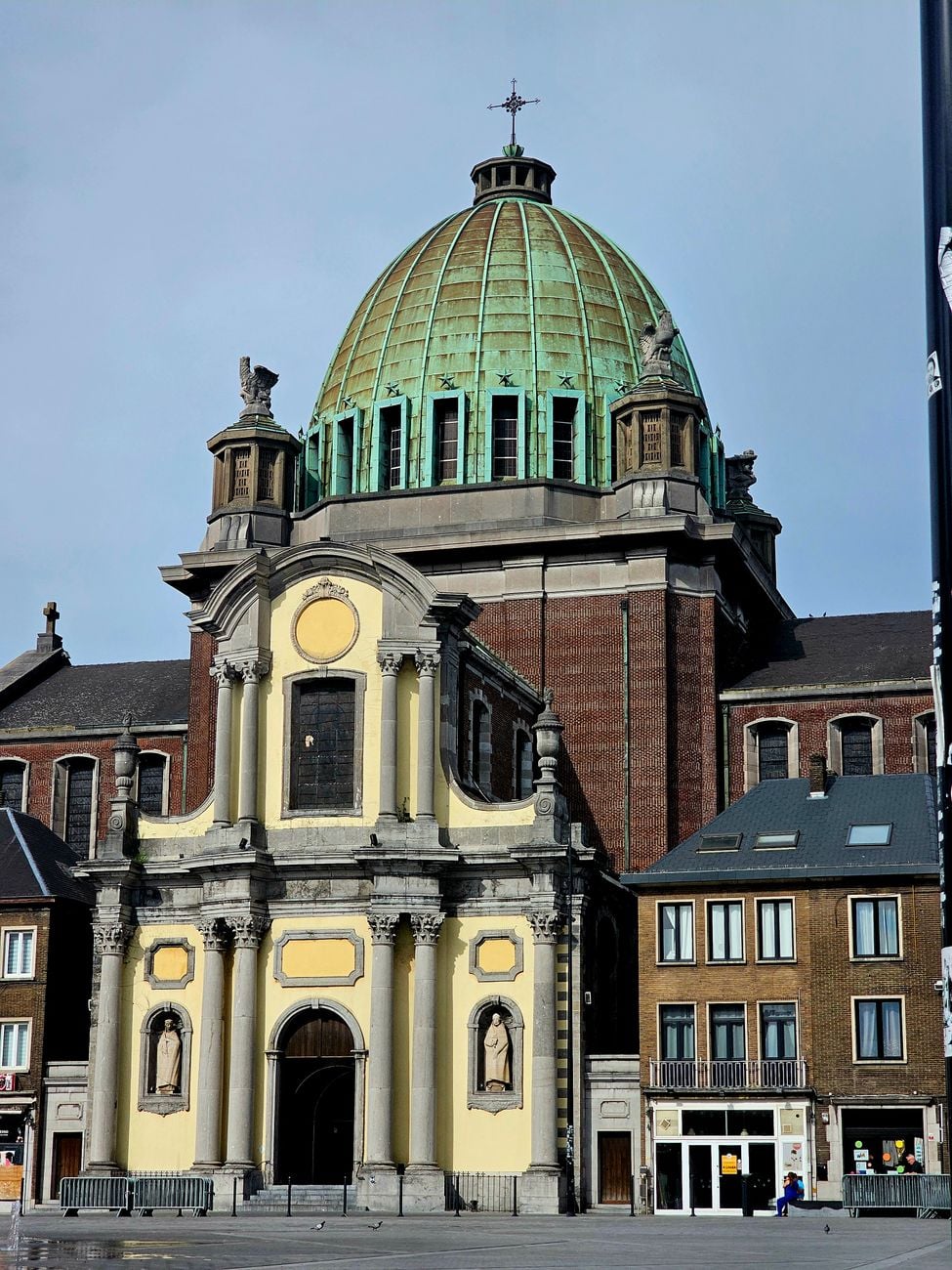
Charleroi is compact and easily walked. The city splits into the Ville-Haute (upper town, around Place Charles II and the belfry) and the Ville-Basse (lower town, near the Sambre and the main station). There is no single "gay village," but what nightlife there is clusters in the Ville-Basse city centre, around Place de la Digue and the surrounding streets. This is where you will find the handful of dedicated gay bars, all within short walking distance of one another.
Bars and Nightlife
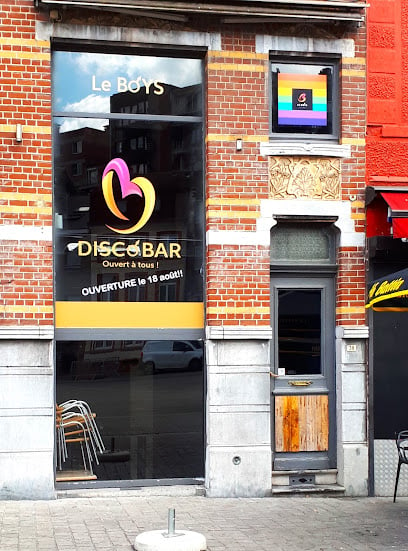
Charleroi's gay nightlife is small but real, and centres on three venues. Le Boys, on Place de la Digue, is the city's first dedicated gay bar (opened 2023) and now the anchor of the scene — a lively cocktail-and-DJ bar run by the same team behind a sister venue in Mons, hosting drag, karaoke and Pride-season parties. Le Gigi, on Rue de France, is a long-running gay bar-restaurant-lounge with themed nights and a warm, welcoming reputation. Le Bahamas, near Rue Charles II, is the city's oldest gay bar, a small late-night spot with a dance floor and occasional drag shows. Beyond these, Charleroi's centre has plenty of mixed, progressive cafés and bars that are comfortable for LGBTQ+ visitors without being explicitly gay. Because the scene is small, opening nights can vary — checking each venue's Facebook or Instagram before you go is worthwhile.
Charleroi has its own Pride, Les Fiertés Carolos, rebranded in 2025 from the earlier "Fête de l'Amour." It takes place in late August in the city centre around Place de la Digue, coordinated by the Ville de Charleroi's equality office together with the Maison Arc-en-Ciel, and typically includes a march, an associative village, drag and party events. This is separate from Brussels Pride, the big national parade held in Brussels each May, which many Carolos also attend. The MAC's own calendar of community activities, workshops and health permanences runs year-round and is the best source for what's on.
Saunas and Cruising
Charleroi has no dedicated gay sauna or bathhouse; the nearest gay saunas are in Brussels, under an hour away by train. For cruising, the best-known local spot is an informal, long-standing area at a motorway rest area (aire) on the A503 axis near the city, documented on French-language cruising directories — it is mixed-use rather than exclusively gay. Belgium is safe and tolerant, but as anywhere, use common sense, stay visible and prioritise your personal safety.
Safety and Practical Considerations
Belgium is a safe, progressive country for LGBTQ+ travellers, and Charleroi is no exception — same-sex couples can go about openly and public affection is generally accepted. As in any city, take standard precautions late at night and in quieter areas. Charleroi is exceptionally well connected: direct trains reach Brussels-Midi in roughly 50 minutes, making day trips (in either direction) easy, and Charleroi Airport is a major low-cost hub. The centre is walkable, with local buses and a light-rail metro serving the wider area.
Where to Stay
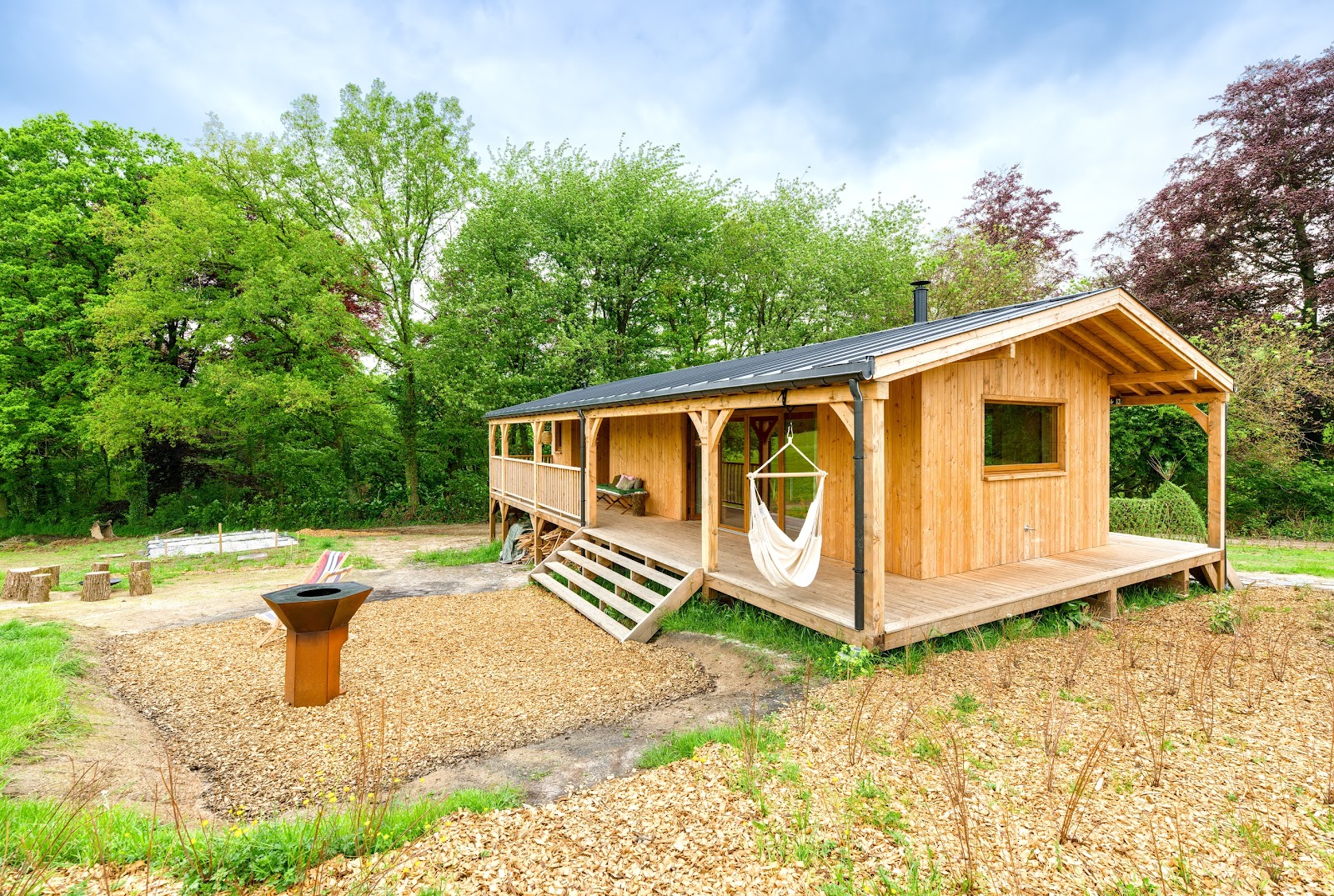
Accommodation in Charleroi is affordable, ranging from central chain and boutique hotels near the station and Place Verte to guesthouses and B&Bs in and around the city; there is also a cluster of hotels near Charleroi Airport. Standard booking platforms and LGBTQ+-friendly stay services both work well here. Some visitors base themselves in Brussels and day-trip to Charleroi, which is entirely practical given the short train ride.
Charleroi's reinvention is built on culture: the Musée de la Photographie (the largest of its kind in Europe, in nearby Mont-sur-Marchienne), the BPS22 contemporary art museum, the Palais des Beaux-Arts, and a celebrated street-art scene with murals across the centre. Easy day trips include Brussels (major museums, national Pride, big-city nightlife), Liège (another Walloon city with a larger gay scene, about 90 minutes away), Mons, Namur and the scenery of the Meuse valley.
Conclusion
Charleroi offers LGBTQ+ travellers something increasingly rare: an authentic, unpolished city with a small but genuine and growing queer scene, a real community centre in the MAC, its own Pride, and three welcoming gay bars clustered in the walkable Ville-Basse — all at prices well below Brussels. Neither hyper-touristy nor isolated, and a short train ride from the capital, it makes a rewarding stop for travellers who want the real Wallonia rather than the postcard version.
Frequently asked questions
Yes, Charleroi is considered a safe and accepting destination. Belgium as a whole is highly progressive on LGBTQ+ rights, having legalized same-sex marriage and adoption early on.
Charleroi's LGBTQ+ nightlife is small and clusters in the Ville-Basse (lower town) city centre, around Place de la Digue. That's where you'll find the city's dedicated gay bars — Le Boys on Place de la Digue, Le Gigi on Rue de France and Le Bahamas near Rue Charles II — all within short walking distance of one another. There is no separate "gay village"; the rest of the compact centre is a mix of welcoming, progressive cafés and bars.
Yes. Charleroi has three dedicated gay bars, all in the Ville-Basse centre: Le Boys (Place de la Digue), the city's first gay bar, opened in 2023 and now the anchor of the scene; Le Gigi (Rue de France), a long-running gay bar-restaurant-lounge; and Le Bahamas, the city's oldest gay bar. The Maison Arc-en-Ciel de Charleroi (Rue Prunieau) is the LGBTQ+ community centre and hosts regular activities and events.
The walkable Ville-Basse city centre, around Place de la Digue and Place Verte near the main station, is the best base — it holds the gay bars, plenty of cafés and restaurants, and central hotels. The Maison Arc-en-Ciel de Charleroi on Rue Prunieau is nearby and a good point of contact. Charleroi is compact, so most venues and accommodation are within easy walking distance.
It is small but genuine, and growing. Charleroi lacks the large gay infrastructure of Brussels or Antwerp, but it has three dedicated gay bars in the Ville-Basse centre, an LGBTQ+ community centre (the Maison Arc-en-Ciel de Charleroi), and its own Pride, Les Fiertés Carolos, held each late August. The city gained its first dedicated gay bar only in 2023, so the scene is young but active.
Charleroi holds its own Pride, Les Fiertés Carolos, in late August in the city centre around Place de la Digue. Rebranded in 2025 from the earlier "Fête de l'Amour," it is coordinated by the Ville de Charleroi's equality office together with the Maison Arc-en-Ciel de Charleroi, and typically features a march, an associative village and drag and party events. It is separate from Brussels Pride, the big national parade held in Brussels each May.
Your privacy choices.
We use cookies to run GayOut and, with your consent, measure usage. Learn more
Your privacy choices
We use cookies to keep GayOut running, remember your preferences, and (with your permission) measure how the site is used. You can accept all, reject all, or pick what you allow. Learn more
Essential
Required for sign-in, fraud prevention, CSRF protection and remembering your language. Cannot be disabled.
Always on
Remembers your favourites, dark mode and other interface preferences across visits.
Helps us understand which pages people visit (Google Analytics, server-side stats) so we can improve.
Used by campaign tracking pixels. None are active right now, reserved for future use.
Install GayOut
Add GayOut to your home screen for faster access, offline favourites, and Pride alerts.




 Gay Bars & Clubs
Featured
(9)
Gay Bars & Clubs
Featured
(9)