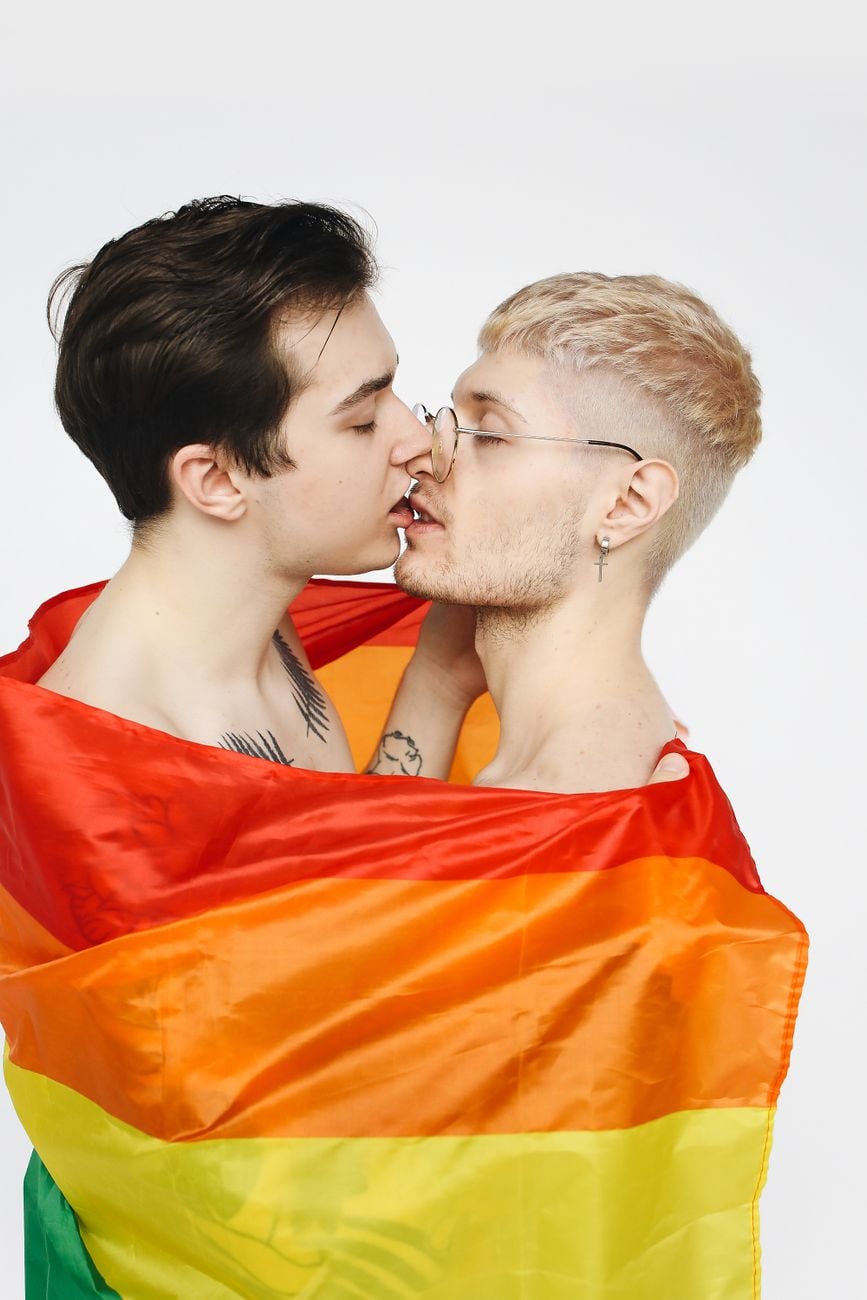
Second country in the world to legalise same-sex marriage (2003). Comprehensive anti-discrimination law. Legal gender change via self-declaration since 2018.
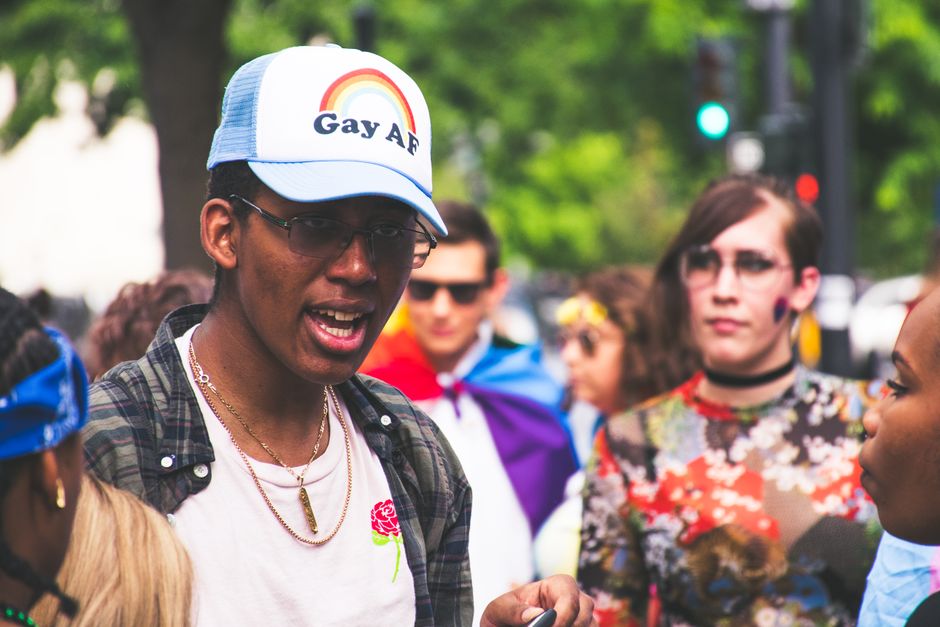
Belgium has long been at the forefront of LGBTQ+ rights in Europe. The country was among the first to legalize same-sex marriage (2003) and adoption by same-sex couples (2006), creating a legal framework that allows LGBTQ+ people to live openly and safely. Ghent, as a progressive university city, has naturally become a hub for LGBTQ+ culture and activism within Flanders. The community here is well-established and integrated, with LGBTQ+ events and venues existing alongside mainstream culture without significant separation. The city's Pride celebration has grown from modest beginnings to a major annual event that draws thousands of participants and allies.
Neighborhoods and Areas
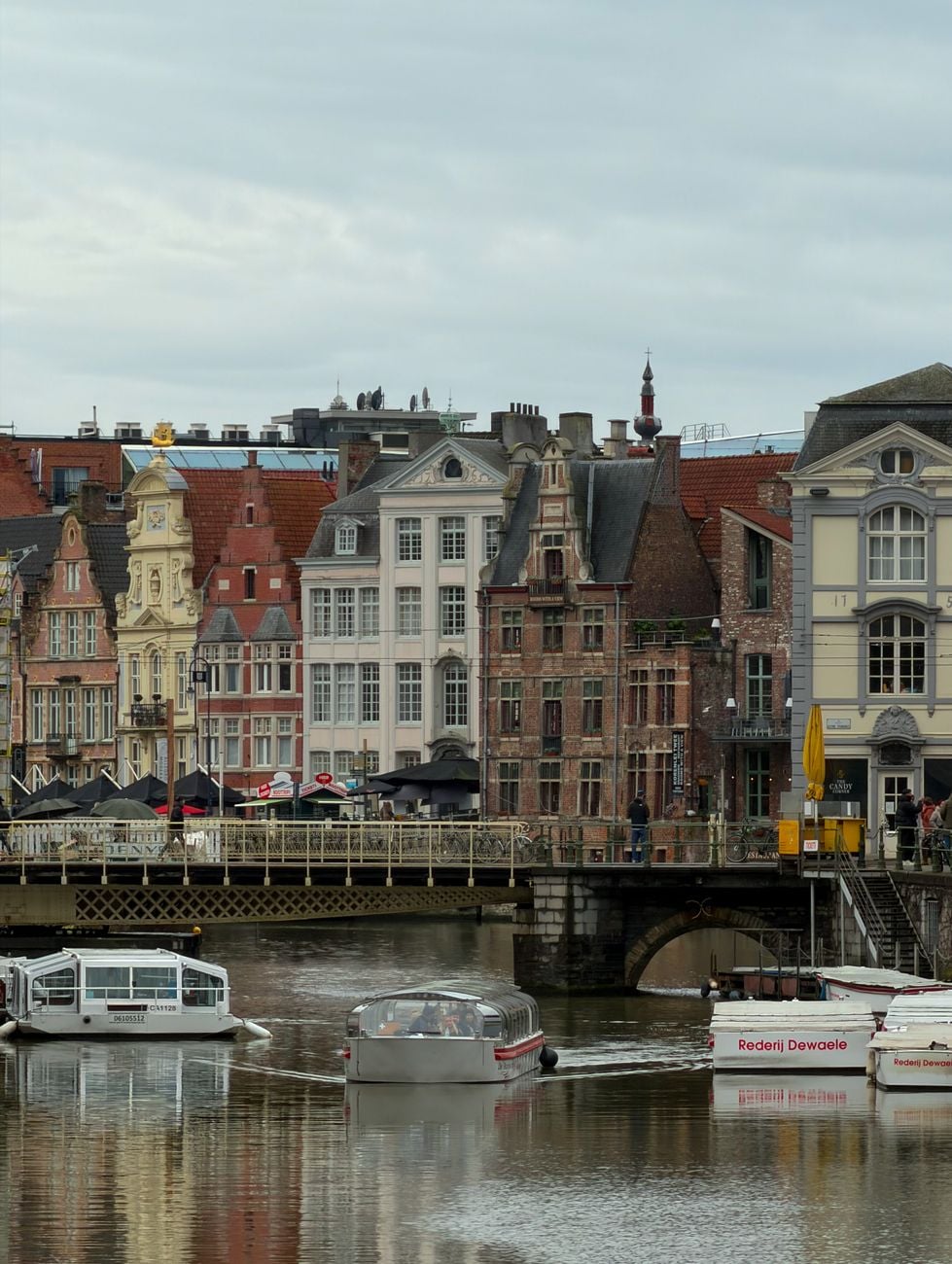
The heart of Ghent's LGBTQ+ scene centers around Sint-Veerleplein, a charming square in the city center that has become the informal epicenter of gay nightlife. Streets leading to and from this area, including those near the Graslei (the picturesque waterfront lined with historic guild houses), contain most of the gay bars and venues. The area is entirely walkable and integrated into the city's main tourist and cultural district, meaning LGBTQ+ venues sit comfortably alongside museums, restaurants, and shops. The city center itself is compact enough that visitors can explore on foot or by bicycle, which is the primary mode of local transport.
Bars and Venues
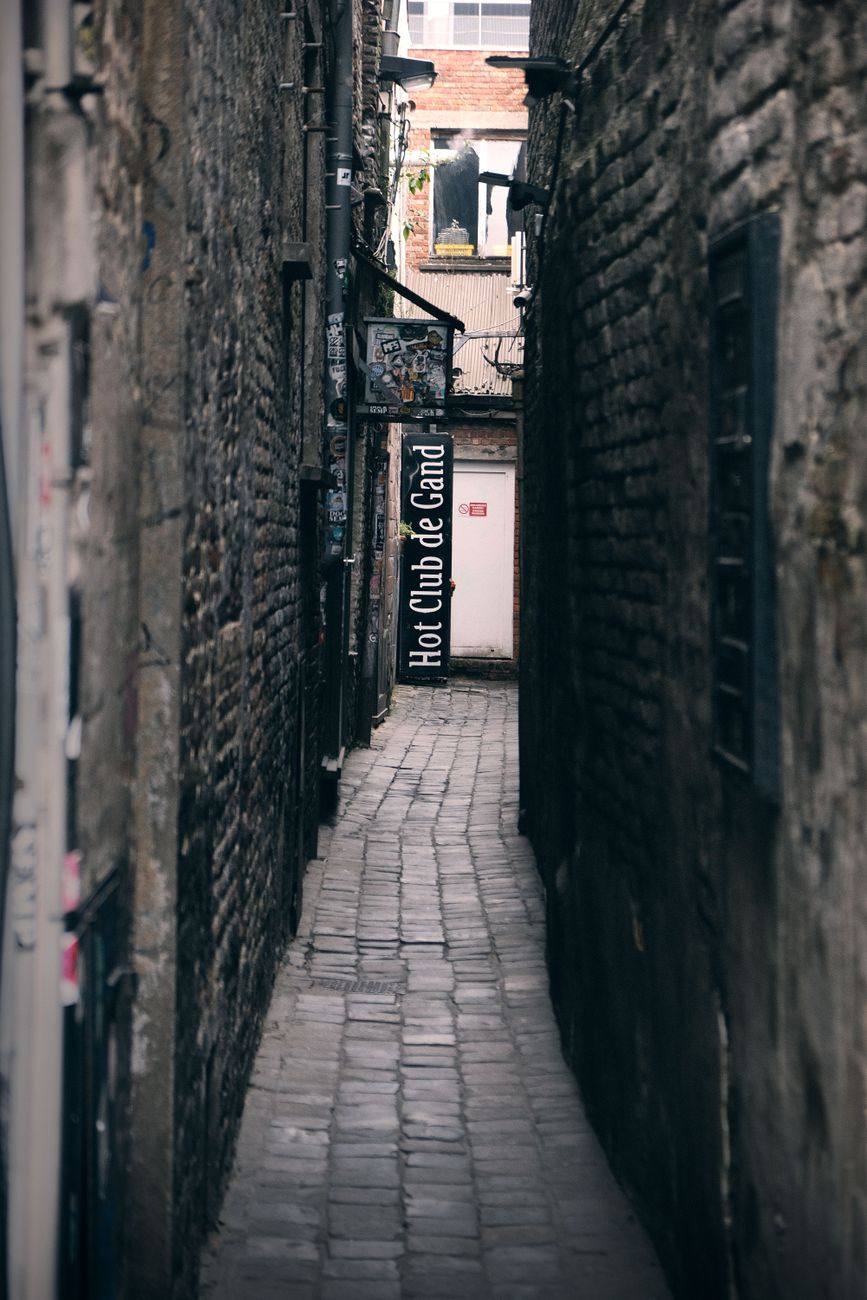
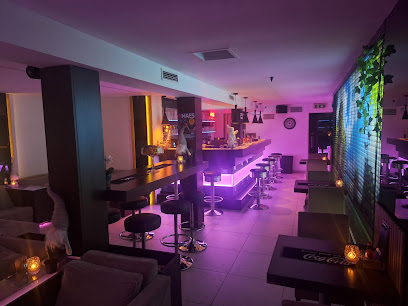
Ghent's gay bar scene is modest but welcoming. Venue names and operations can change, so visitors should check current listings closer to their travel dates. Historically, the city has maintained several gay bars around Sint-Veerleplein and the surrounding streets. The scene tends to be friendly and mixed, attracting both gay men and lesbians, with many venues also serving as social gathering spaces during the day. Weekend nights are the liveliest times, with many bars hosting DJ nights or themed events. The broader Ghent nightlife scene is vibrant, with numerous clubs and bars throughout the city that are LGBTQ+-friendly and welcoming to all.
Ghent's club scene extends beyond specifically gay venues, with several mainstream clubs welcoming LGBTQ+ patrons. The city has venues hosting electronic music, indie, and other genres. Many bars in the Sint-Veerleplein area transform into dance spaces on weekend nights. During Pride week, multiple venues host special events and parties across the city.
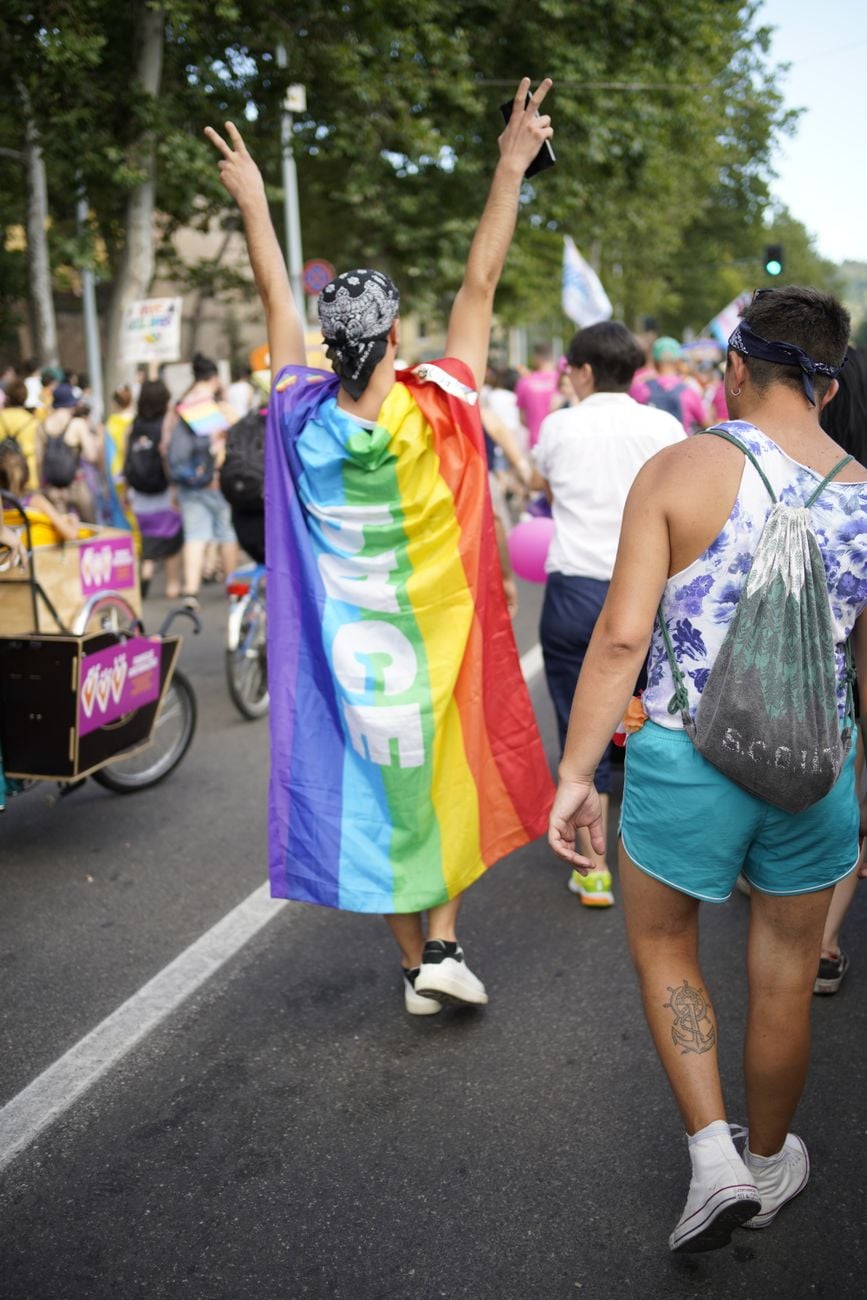
Ghent Pride takes place annually in June and has become the major LGBTQ+ event in Flanders. The celebration typically spans a week and includes a Pride parade through the city center, featuring floats, marching groups, and community organizations. Street parties, live performances, and cultural events occur throughout the week at various venues and public spaces. The atmosphere is festive and family-friendly, with broad community participation and strong local government and business support. The Pride website and local tourism sites provide detailed programming information each year. Pride week is the busiest time for LGBTQ+ tourism to Ghent, and accommodations should be booked well in advance.
Where to Stay
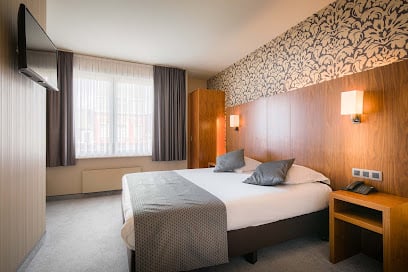
Ghent offers numerous accommodation options, from hostels to luxury hotels. The city center is the obvious choice for visitors, placing everything within walking distance. Several hotels and guesthouses are LGBTQ+-owned or specifically welcoming to LGBTQ+ travelers. Budget options include well-regarded hostels with social atmospheres. Mid-range options abound in restored historic buildings. For a fuller list of LGBTQ+-friendly accommodations, international LGBTQ+ travel sites provide curated listings. Booking near Sint-Veerleplein or in the surrounding streets maximizes proximity to venues, though the city center is small enough that location differences are minimal.
Ghent is highly accessible by train. The main train station (Gent Sint-Pieters) connects directly to Brussels (30 minutes), Antwerp, and other Belgian cities, as well as international connections. Within the city, public transport consists of trams and buses, though most of the center is easily walkable. Bicycles are ubiquitous and can be rented throughout the city; cycling is safe, pleasant, and the primary way locals navigate. The city is flat and compact, making it very manageable for visitors on foot or by bike.
Food and Dining
Ghent has become renowned for its vegetarian and vegan cuisine, with numerous restaurants catering to plant-based diets alongside traditional Flemish fare. The city's food scene is vibrant and often ahead of culinary trends. Many restaurants, from casual to fine dining, are LGBTQ+-friendly and welcoming. The area around Sint-Veerleplein and throughout the city center has numerous dining options. Local beers are excellent and distinctive; Belgian beer culture is a major draw for visitors. Cafes and brasseries are perfect for people-watching along the canals.
Cultural Attractions
Beyond the LGBTQ+ scene, Ghent is rich in culture and history. The city's medieval architecture is among Europe's best-preserved, with narrow cobblestone streets and picturesque canals. Major museums include the Museum of Fine Arts (MSK), which houses Flemish masters and contemporary art. The Sint-Baafskathedraal contains the famous Ghent Altarpiece. Street art and design culture are vibrant throughout the city. The city's cultural calendar is packed with festivals, exhibitions, and performances year-round. For LGBTQ+ cultural events specifically, the city hosts various exhibitions and performances celebrating queer artists and history, particularly during and around Pride.
Day Trips
Ghent serves as an excellent base for exploring Flanders. Bruges (Brugge), one of Europe's most picturesque medieval cities, is 30 minutes away by train or bus. Antwerp, Belgium's second-largest city with its own LGBTQ+ scene and world-class museums, is also easily accessible by train. The Flemish countryside offers rural charm and small towns. Brussels, Belgium's capital, is 30 minutes away and offers a larger LGBTQ+ scene, additional cultural attractions, and more dining diversity.
Safety and Practical Considerations
Belgium is among the safest and most LGBTQ+-friendly countries in the world. Ghent is a safe city overall, and open displays of LGBTQ+ affection are entirely normal and accepted in the city center and throughout most neighborhoods. Public health services are excellent and accessible. The city is clean and well-maintained. Visitors should exercise standard urban awareness regarding pickpocketing in crowded areas, but there are no specific safety concerns related to LGBTQ+ identity. Local attitudes are inclusive and progressive.
Language
Most people in Ghent, particularly those in hospitality and younger residents, speak excellent English. Many signs and menus are available in multiple languages. Learning a few basic Dutch phrases is appreciated by locals but entirely unnecessary.
Best Times to Visit
June Pride is the peak season for LGBTQ+ tourists. Summer months (June-August) offer warm weather and outdoor events along the canals. Spring (April-May) and fall (September-October) provide pleasant weather with fewer crowds. Winter is cold and rainy but atmospheric with holiday decorations and smaller crowds. Accommodation and attraction prices are highest during Pride and peak summer season.
Frequently asked questions
Yes, Ghent is considered a very welcoming and progressive city for LGBTQ+ visitors. Belgium has comprehensive anti-discrimination laws, and Ghent's liberal atmosphere, influenced by its student and artistic communities, contributes to a safe environment.
Sint-Veerleplein in the city center is considered the heart of Ghent's gay scene, featuring gay-friendly bars, cafes, and restaurants. Graffiti Street and the surrounding areas also attract LGBTQ+ visitors with their independent shops and artistic venues.
Ghent's gay bar and club scene is described as intimate, reflecting the local population size. Sint-Veerleplein hosts several established gay bars popular with both locals and tourists.
The guide mentions Pride celebrations as part of the city's integration of LGBTQ+ life into mainstream society, but does not specify dates for these events.
Sint-Veerleplein is the heart of the gay scene. Graffiti Street and the broader Old Town are also welcoming. Sint-Pietersnieuwstraat in the student quarter is popular with younger LGBTQ+ crowds.
The guide does not mention specific LGBTQ+-only hotels in Ghent. However, it notes that gay-friendly businesses are scattered throughout the Old Town and other welcoming neighborhoods.
Your privacy choices.
We use cookies to run GayOut and, with your consent, measure usage. Learn more
Your privacy choices
We use cookies to keep GayOut running, remember your preferences, and (with your permission) measure how the site is used. You can accept all, reject all, or pick what you allow. Learn more
Essential
Required for sign-in, fraud prevention, CSRF protection and remembering your language. Cannot be disabled.
Always on
Remembers your favourites, dark mode and other interface preferences across visits.
Helps us understand which pages people visit (Google Analytics, server-side stats) so we can improve.
Used by campaign tracking pixels. None are active right now, reserved for future use.
Install GayOut
Add GayOut to your home screen for faster access, offline favourites, and Pride alerts.