Tutto quello che vale la pena sapere prima di partire.
Santo Domingo is the oldest continuously inhabited European settlement in the Americas — the city Columbus's brother Bartolomeo founded in 1498, whose Zona Colonial contains the first cathedral, the first university, and the first hospital built in the New World. For LGBTQ+ visitors, it is also the only city in the Dominican Republic with a genuine gay scene, and navigating it requires understanding both its possibilities and its limits.
The Zona Colonial is the historical heart of the city and the location of several of the most established gay bars. The area's streets — cobblestone, colonial, pedestrianised in parts, lined with 16th-century architecture — create an extraordinary setting for a night out. The gay bars here are generally small, discreet rather than conspicuously branded, and known primarily through community networks rather than street-level visibility. This discretion is not paranoia; it is a pragmatic accommodation to an environment where open LGBTQ+ visibility outside specifically gay spaces can attract unwanted attention.
Gazcue, the residential neighbourhood immediately west of the Zona Colonial, is the other primary gay area. Gazcue is a somewhat faded but gracious district of early 20th-century villas and apartment buildings that has historically been home to Santo Domingo's artistic and intellectual community. The gay bars and small clubs here tend to be neighbourhood establishments with a loyal local following rather than tourist-circuit venues — better for meeting Dominican LGBTQ+ people and worse for visitors who want an English-speaking environment.
Piantini, the upscale commercial neighbourhood in the northern part of the city, has a different character again: international restaurants, shopping centres, and the business hotels that serve the financial district. The LGBTQ+ visibility here is lower than in the Zona Colonial, but the more international atmosphere of the area's hotels and restaurants makes it a reasonable base for visitors who want to balance a gay scene with broader Santo Domingo tourism.
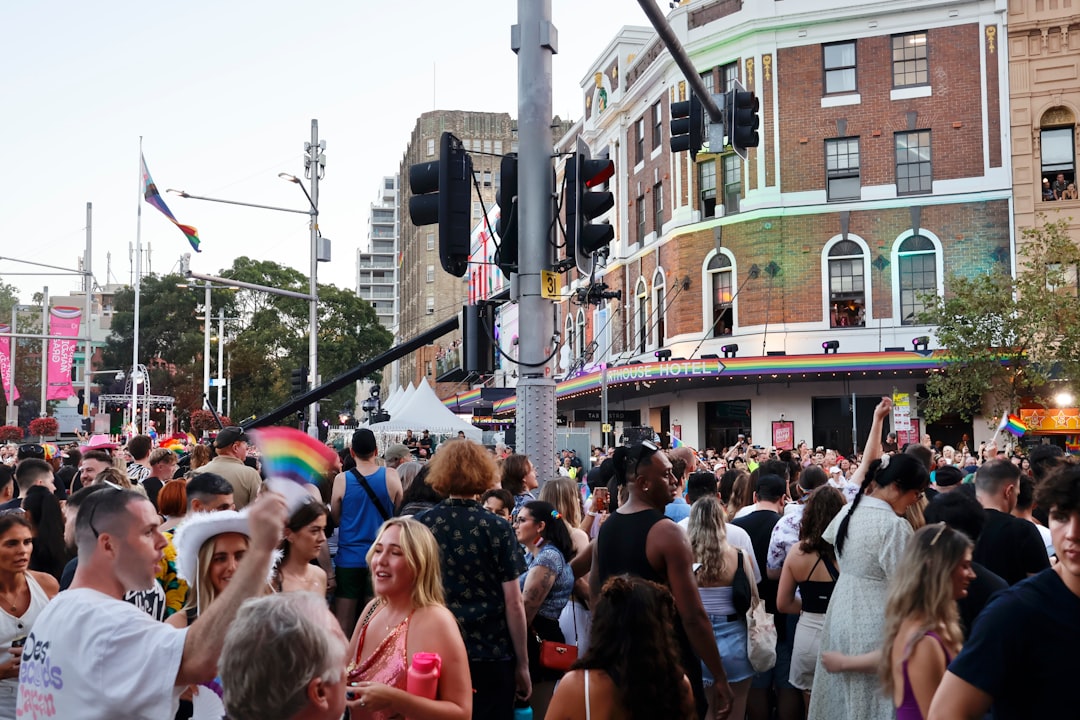
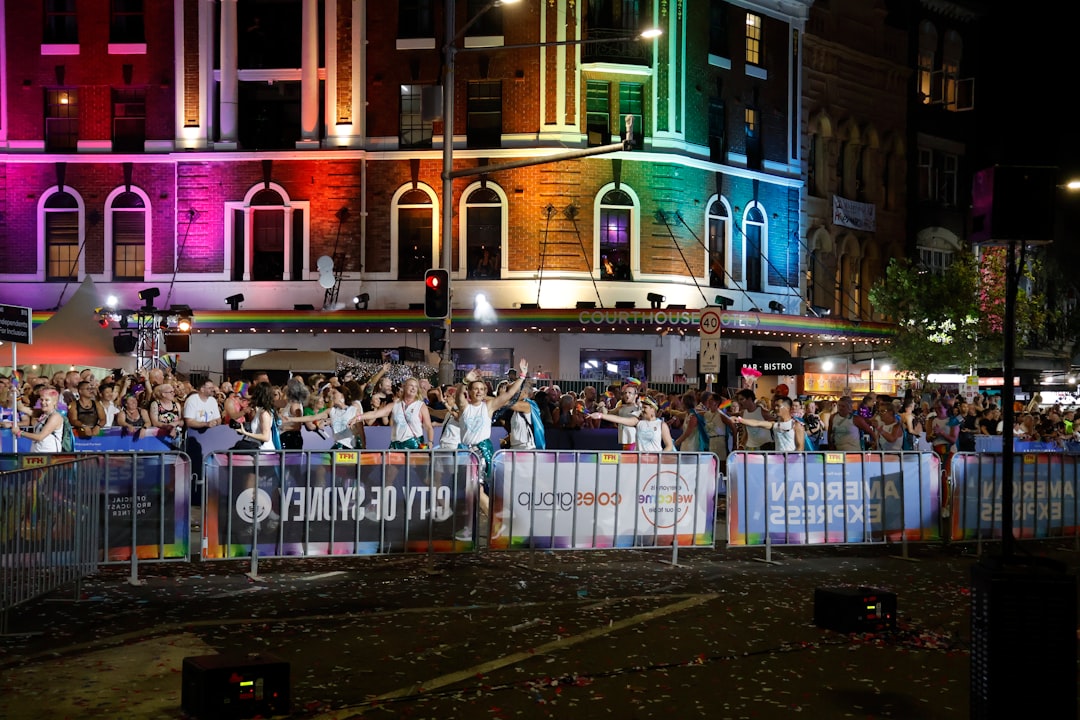
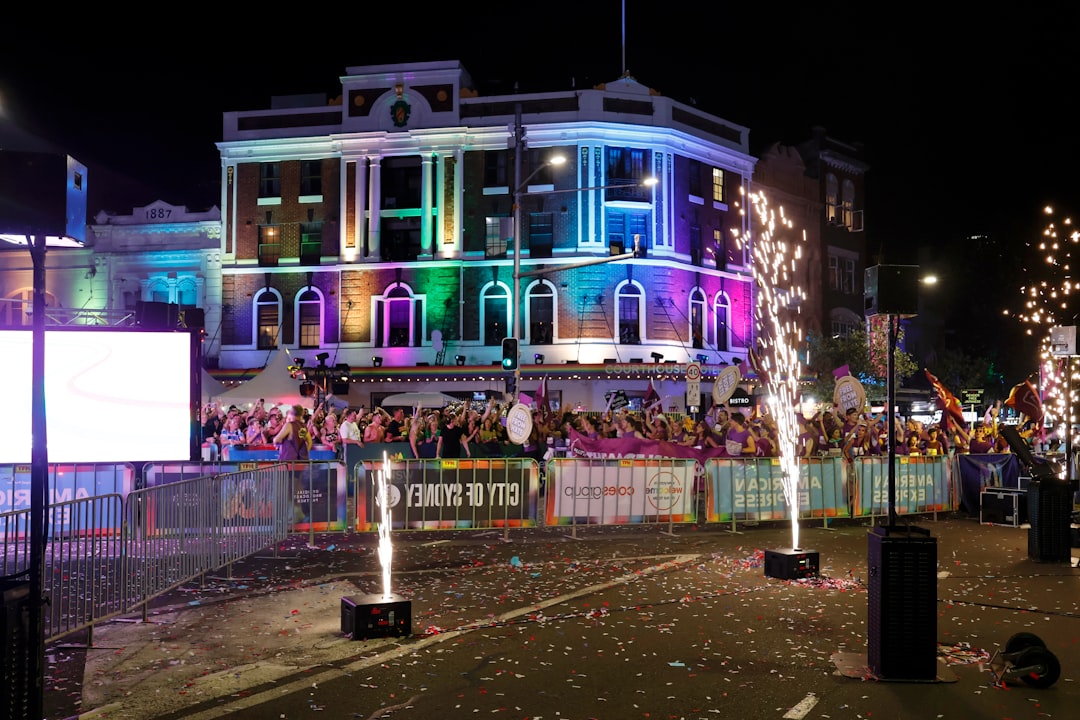
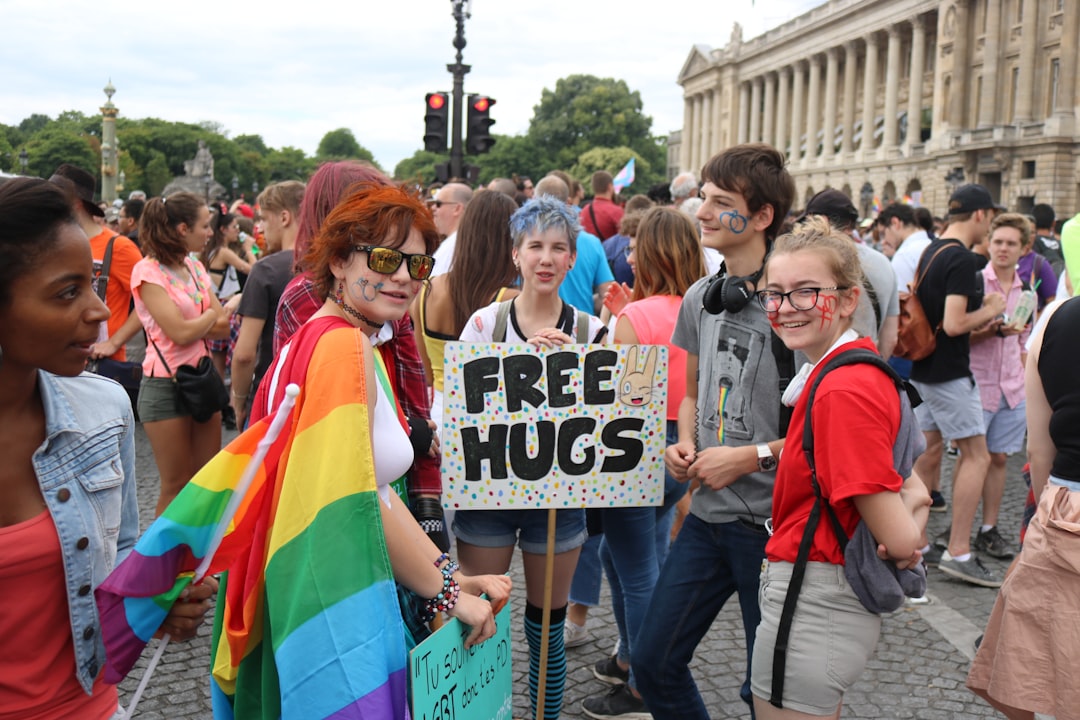
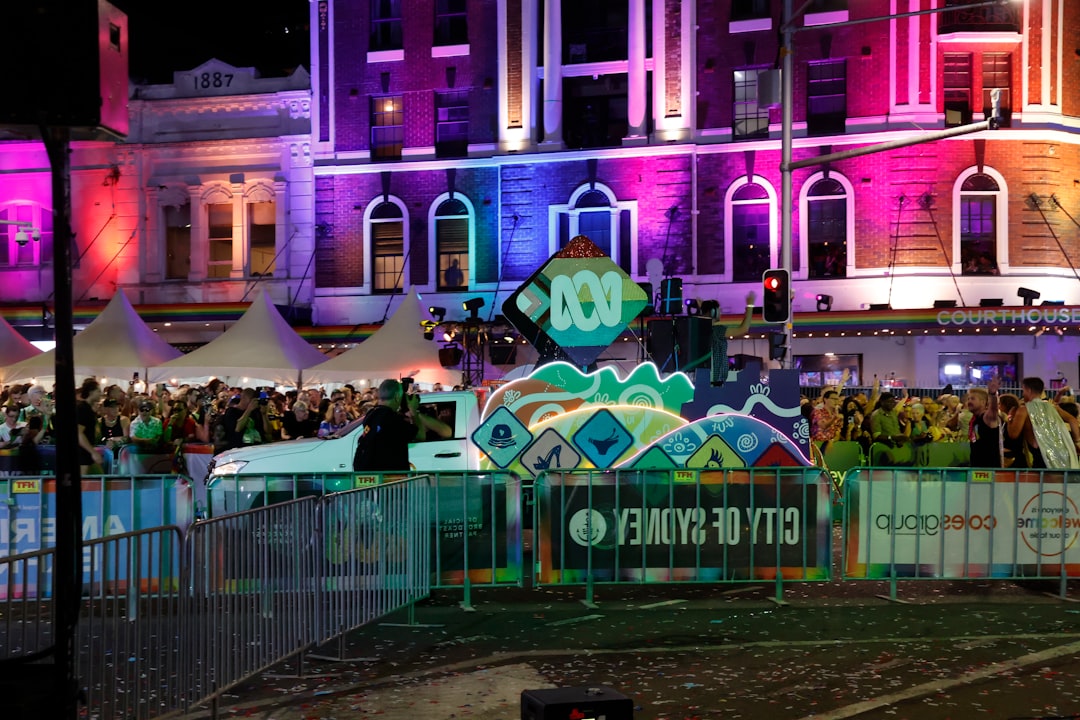
Santo Domingo Pride is the most significant annual LGBTQ+ event and the moment when the community is most publicly visible. Organised by local LGBTQ+ organisations, it has faced intermittent obstruction — permit denials, pressure from religious groups, and police interventions in some years — but has persisted. The march and accompanying events take place in late June or early July, coinciding with international Pride season. The events are smaller and more politically charged than their counterparts in San Juan, which gives them a different character — less circuit party, more community rally — but they are genuine celebrations of presence and resistance.
Safety
Safety requires honest framing. Santo Domingo's tourist areas — the Zona Colonial, Piantini, the Malec—n waterfront — are generally safe for LGBTQ+ visitors who exercise normal urban awareness. The specific safety risk is public affection or visible LGBTQ+ behaviour outside explicitly gay or international-tourist spaces, which can attract harassment. The risk of violent incidents is real but concentrated in contexts that visitors can largely avoid: isolated areas at night, confrontational situations, and areas far from the tourist infrastructure. Dominican LGBTQ+ organisations recommend the same precautions they advise for local community members: visibility in safe spaces, discretion in public, and awareness of the social environment.


 Bar e Club Gay