
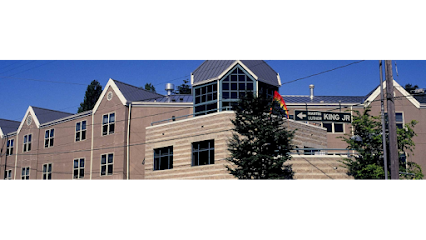
Bailey-Boushay House
La prima struttura residenziale di assistenza per l'AIDS della West Coast — Seattle dal 1992, ora la più grande clinica ambulatoriale per l'HIV nello Stato di Washington.
Hotel vicino a Bailey-Boushay House
via Stay22Su questo posto Bailey-Boushay House
Caratteristiche
Consigli da insider
Recensioni della community
Scrivi una recensioneRecensioni Google
Verificato da GoogleBasato su 36 recensioni Google.

This shelter cares about their people. Hope they'll accept me back after leaving to what i hoped would be more convient to my life.


Best Booty

Thank you.


All I got to say is if it was not for Bailey-Boushay House I would still be homeless. Thank you guys

Bailey-Boushay House was once a true refuge — a place where people marginalized by society could find safety, dignity, and a path toward stability. It offered housing support, compassion, and the promise of a second chance. Sadly, that promise has been lost. Today, Bailey-Boushay has devolved into a deeply dysfunctional and neglectful environment. What was once a model of care has become a stagnant, mismanaged facility where clients are warehoused rather than helped. Clients are fed extremely poor-quality food and encouraged to remain sedentary, watching violent television rather than engaging in meaningful activities or self-improvement. The environment fosters dependency, not recovery. Staffing practices are equally concerning. Social workers double as cafeteria attendants and laundry staff, blurring professional boundaries in ways that are both inappropriate and unethical. Reports of open drug use, dealing, and sexual activity within shared facilities are routinely ignored. Instead of enforcing safety and dignity, the staff appear indifferent — or, worse, complicit. The administrative failures are equally alarming. Simple requests for essential paperwork or housing support can drag on for months with no resolution. Clients are often misled into believing they are on housing waitlists that, in reality, they were never enrolled in. Many are left languishing in homelessness while being told that progress is “just around the corner.” The leadership under Katie, the current program director, has shown little interest in addressing these systemic issues. Rather than working to restore accountability or improve conditions, Katie seems more focused on maintaining appearances and personal popularity. Complaints go unanswered, policies meant to ensure transparency are ignored, and staff misconduct is swept under the rug. The result is a toxic environment where favoritism determines opportunity, where vulnerable individuals are treated as billing numbers rather than human beings, and where genuine rehabilitation has been replaced by neglect and complacency. Bailey-Boushay House was once a symbol of hope. Today, it stands as a cautionary tale of what happens when oversight disappears, leadership prioritizes comfort over conscience, and an institution built to uplift instead contributes to despair. Until there is a complete and transparent overhaul of management and practices — starting with accountability from Katie and her leadership team — Bailey-Boushay House will continue to fail the very people it was created to protect. Should any media outlets, watchdog organizations, or individuals wish to investigate these claims or the current state of Bailey-Boushay House, I am more than willing to assist in any way I can. Please reach out.


Scrivi una recensione
20 reviews so far — add yours
Suggerisci una modifica — Bailey-Boushay House
Last updated on 14 ottobre 2026