Copenhagen, Denmark's capital and Scandinavia's largest city, is one of Northern Europe's most progressive and welcoming destinations for LGBTQ+ travelers. It pairs a compact, walkable gay scene with world-class design, food and cycling culture, and a notably relaxed Scandinavian attitude to sexuality and gender.
History and Legal Context
Denmark was a genuine pioneer of LGBTQ+ rights. In 1989 it became the first country in the world to recognise registered same-sex partnerships, and it introduced full marriage equality in 2012. Legal gender change is available by self-identification, and anti-discrimination protections are robust. That legal framework rests on deep social acceptance: LGBTQ+ people are visible and integrated across Copenhagen life rather than confined to a single enclave, and open homophobia is rare.
Neighborhoods
Although Copenhagen doesn't have a large "gayborhood" in the way of Berlin or Madrid, its gay bars are clearly clustered in one place: the city-centre Latin Quarter (Latinerkvarteret, locally nicknamed Pisserenden). The little streets around Studiestræde, Teglgårdstræde and Kattesundet, just off Rådhuspladsen (Town Hall Square), hold most of the city's gay nightlife within a few minutes' walk of each other. A second, more alternative queer pocket has grown up in Vesterbro and the neighbouring Kødbyen (Meatpacking District), home to the lesbian-leaning club Vela and the queer performance space Warehouse9; the queer cultural house Bossehuset keeps the alternative flame alive in Christiania, while The Pond, a queer bookstore-cafe in Norrebro, offers a relaxed daytime community space. Nørrebro and Christianshavn are lively, bohemian districts worth exploring for their general nightlife and cafés, but they are not the centre of the gay scene.
Key Venues
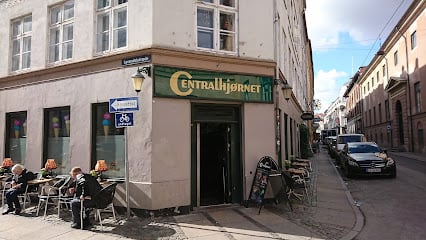
The anchor of the scene is Centralhjørnet on Kattesundet, a men's meeting spot since 1917 and widely described as the world's oldest gay bar, famous for its camp decor, Sunday jazz and winter drag shows. Nearby on and around Studiestræde you'll find Oscar (a stylish bar-café on Regnbuepladsen, or Rainbow Square), the prison-themed Jailhouse CPH, the leather-and-bear Men's Bar on Teglgårdstræde, the bear bar Bearserk, Masken, and Never Mind, a late-night dance bar on Nørre Voldgade. Centre Stage, which opened in 2024 in the former premises of the long-loved Cosy Bar, keeps the street's drag-and-karaoke tradition alive, while Trixie adds cocktails and electronic nights. G-A-Y Copenhagen and the members' fetish club SLM round out the choice. Over in Vesterbro, Vela draws a mixed and lesbian crowd. Copenhagen's gay sauna scene centres on Amigo Sauna, a large three-floor bathhouse tucked behind an unmarked door on Studiestræde, with the smaller cruise club Body Bio in Vesterbro.
Pride and Events
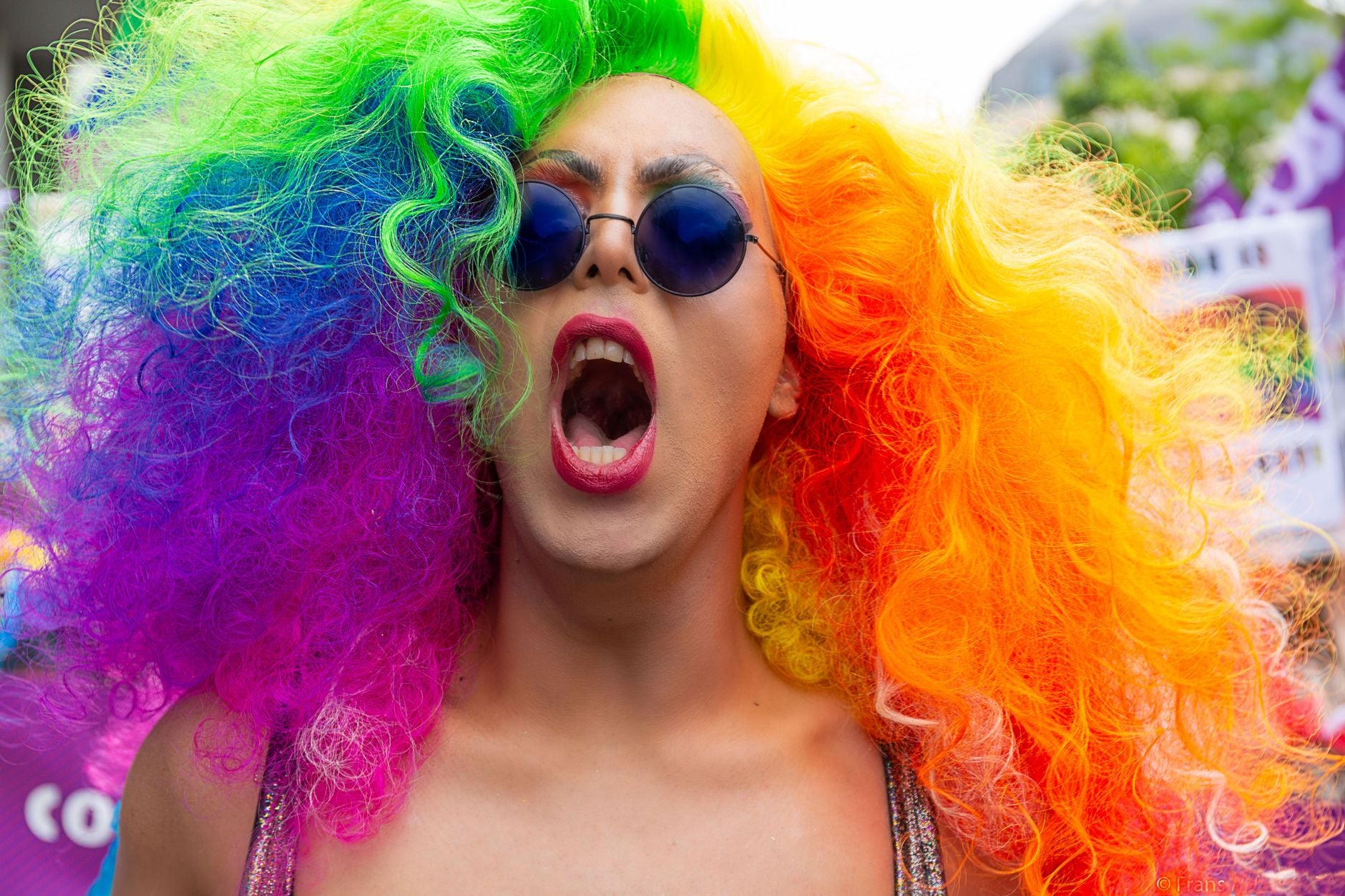
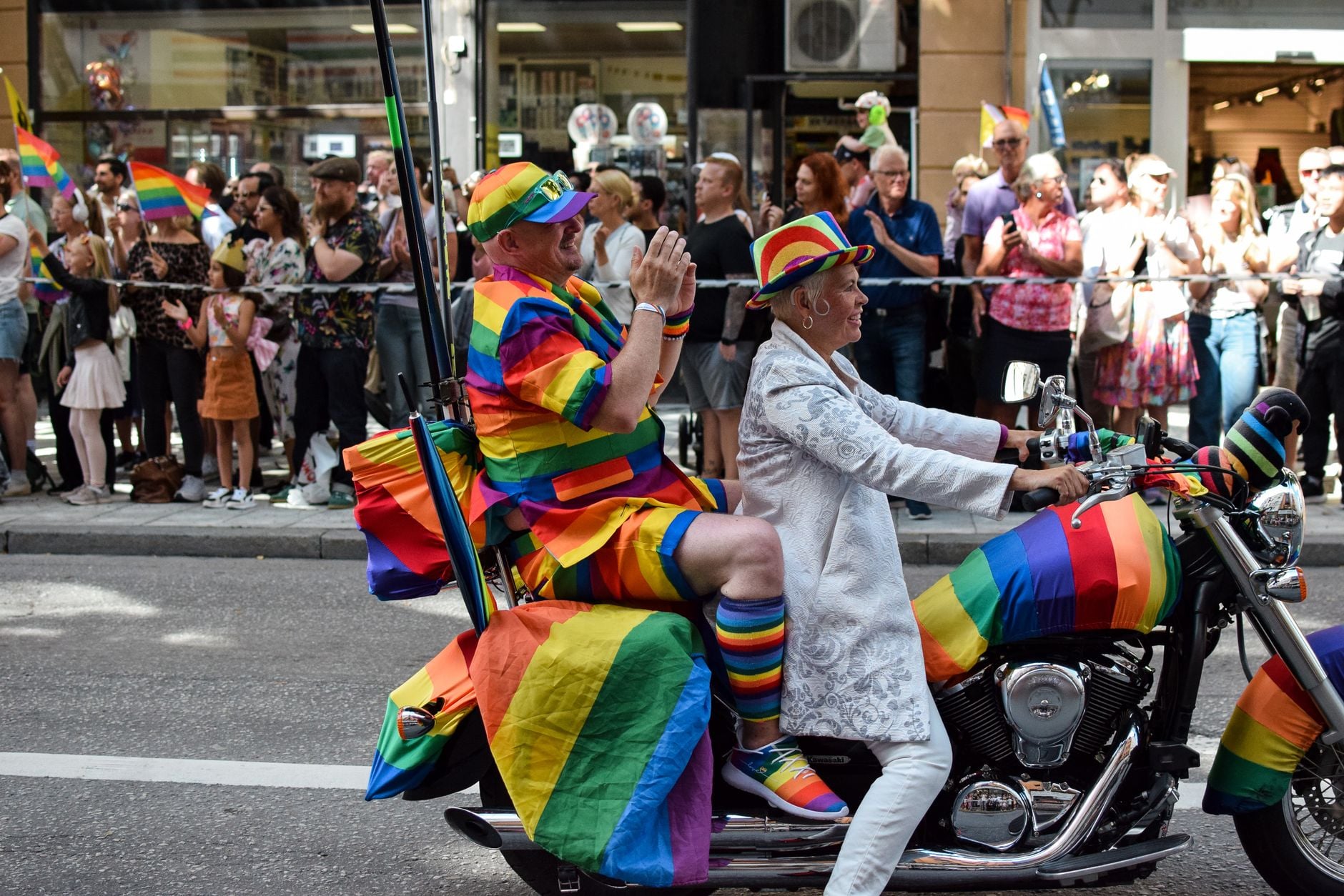
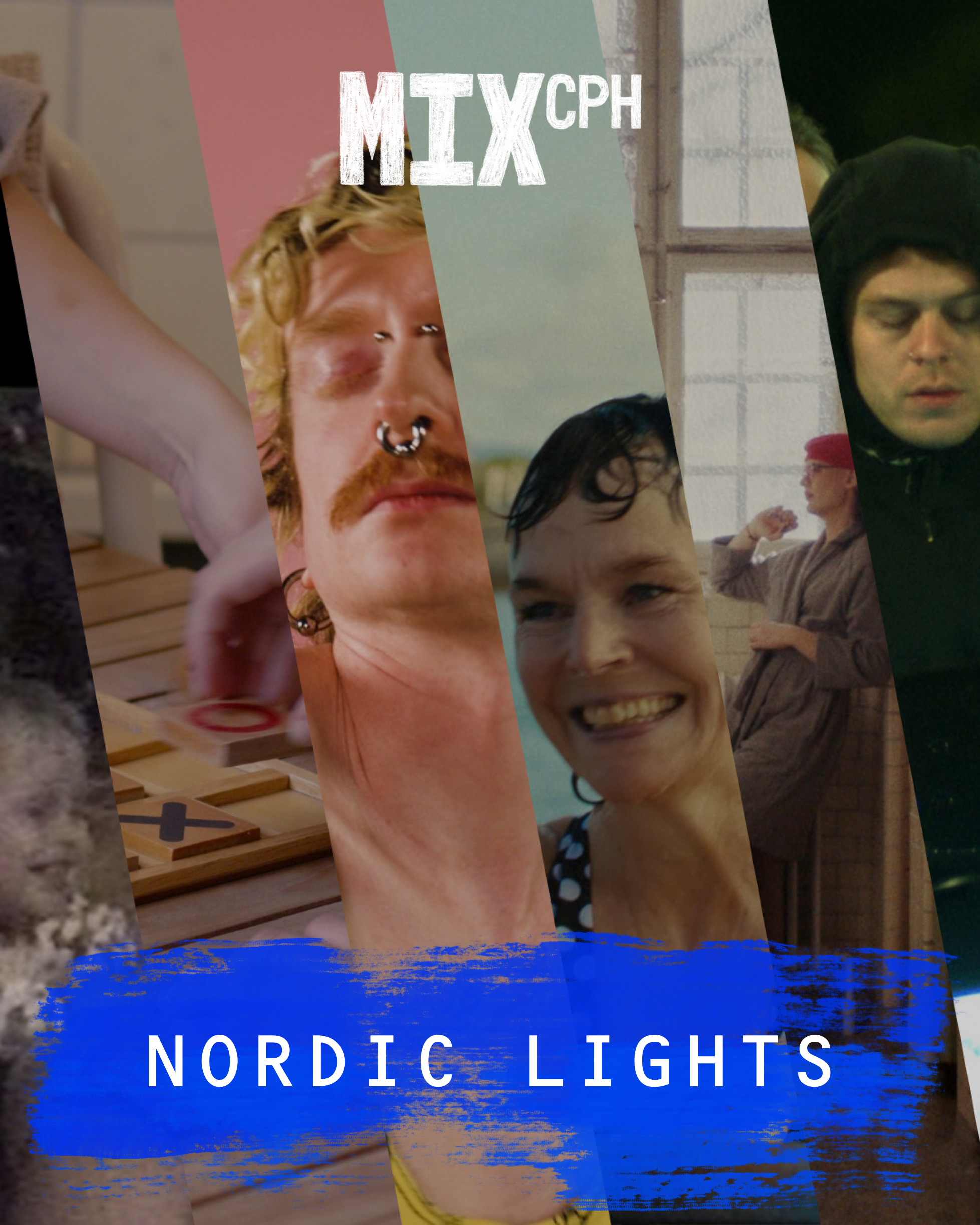
Copenhagen Pride takes place every August and is Scandinavia's largest Pride celebration. In 2026 the festival runs 8–16 August, with the main parade on Saturday 15 August drawing tens of thousands of marchers and hundreds of thousands of spectators; Rådhuspladsen becomes "Pride Square" and hosts a week of more than a hundred events. In 2021 the city co-hosted the historic Copenhagen 2021 WorldPride and EuroGames together with Malmö. Beyond Pride, MIX Copenhagen — one of the world's oldest LGBTQ+ film festivals — takes over screens each October, and the city's calendar is rich with queer club nights, cabaret and cultural events year-round. In Danish style, the mood is celebratory but inclusive and community-focused rather than purely a party.
Where to Stay
Copenhagen has no dedicated gay hotel district, but the city centre around Rådhuspladsen and the Latin Quarter puts you within walking distance of the bars and the main sights. Vesterbro, just behind Central Station, is trendier and more relaxed, with design-led hotels, strong restaurants and the Kødbyen nightlife, and is an easy walk or short ride from the gay scene. The city is compact and superbly connected by metro, bus and bike, so neighbourhood choice matters less than in larger cities.
Copenhagen is exceptionally safe for LGBTQ+ travellers. Same-sex public displays of affection are normal and unremarkable, and sexual orientation or gender identity are simply not safety concerns here. As in any city, ordinary urban common sense applies, but Denmark consistently ranks among the most accepting countries in the world.
Getting Around
Copenhagen is best explored by bike or on foot; it is one of the most cycle-friendly cities on earth. The metro, buses and S-trains are excellent and easy to use, and taxis and rideshares are reliable. Almost all the gay venues and popular neighbourhoods sit within cycling or short transit distances of each other.
Food and Dining
Copenhagen is one of Europe's great food cities, home to a cluster of Michelin-starred kitchens and the New Nordic movement, alongside excellent, affordable café and street-food culture in Vesterbro and Nørrebro. Dining isn't a "gay scene" as such, but restaurants and cafés across the city are welcoming, and much of local queer social life happens around food and coffee as much as at bars. The LGBTQ+ café Kafé Knud is a friendly community spot in the centre.
Practical Information
Copenhagen Airport (CPH) is well connected internationally and just minutes from the centre by metro. The city is expensive by global standards but comparable to other Nordic capitals; the currency is the Danish krone, English is spoken almost universally, and many venues are card-only. Summer (June–August) is peak season, with the best weather and Pride; winter is dark and cold but cosy, with the city's café and design culture at their best.
Conclusion
Copenhagen suits LGBTQ+ travellers who want authentic Scandinavian culture, superb food and design, and a safe, integrated scene rather than a tourist-marketed gay ghetto. Its nightlife is compact and easygoing, its history genuinely groundbreaking, and its everyday acceptance the real headline.
よくある質問
Yes, Copenhagen is considered very safe for LGBTQ+ travelers. Denmark has strong legal protections against discrimination, and the city's progressive environment fosters genuine acceptance.
Copenhagen doesn't have a large 'gayborhood', but its gay bars cluster in the city-centre Latin Quarter (Latinerkvarteret) — the small streets around Studiestræde, Teglgårdstræde and Kattesundet, just off Rådhuspladsen (Town Hall Square). This is where you'll find Centralhjørnet, Oscar, Jailhouse, Men's Bar and Masken. A second, more alternative queer pocket sits in Vesterbro and the Kødbyen (Meatpacking District).
The city centre around Rådhuspladsen and the Latin Quarter puts you within walking distance of most gay bars and the main sights. Vesterbro, just behind Central Station, is trendier and more relaxed, with design hotels, good restaurants and the Kødbyen nightlife, and is an easy walk or short ride from the gay scene.
Yes. Centralhjørnet on Kattesundet is widely called the world's oldest gay bar (a meeting spot since 1917). Other favourites in the city-centre gay quarter include Oscar and Jailhouse, the leather-and-bear Men's Bar, Masken, Never Mind and Centre Stage (the successor to the long-running Cosy Bar). Vela in Vesterbro is the city's lesbian-leaning club.
Copenhagen Pride takes place every August. In 2026 the festival runs 8–16 August, with the main parade on Saturday 15 August, when Rådhuspladsen becomes 'Pride Square'. It is Scandinavia's largest Pride, with more than a hundred events across the week.
Very. LGBTQ+ life is part of everyday Copenhagen rather than hidden away, and same-sex couples are a normal sight across the city. The most concentrated gay nightlife is in the city-centre Latin Quarter around Studiestræde and Rådhuspladsen, with additional queer culture in Vesterbro.
















 ゲイバー&クラブ
おすすめ
(328)