Monaco represents a unique destination within European LGBTQ+ travel. As an independent principality of just 2.02 square kilometers, it's the second-smallest country in Europe and one of the world's wealthiest. The principality has evolved significantly in recent decades regarding LGBTQ+ acceptance, transforming from a more conservative enclave into a cosmopolitan destination that welcomes LGBTQ+ visitors and residents.
Historical Context
Historically, the French Riviera, including areas surrounding Monaco, was a haven for gay travelers during the mid-20th century, though Monaco itself maintained more formal social structures. Today, the principality maintains laws reflecting French legal frameworks (Monaco's legal system is heavily influenced by France), where same-sex relationships are recognized and protected. While Monaco does not have specific hate crime legislation as comprehensive as some European nations, the practical reality is that LGBTQ+ visitors experience no discrimination and find the environment welcoming.
Geography and Neighborhoods
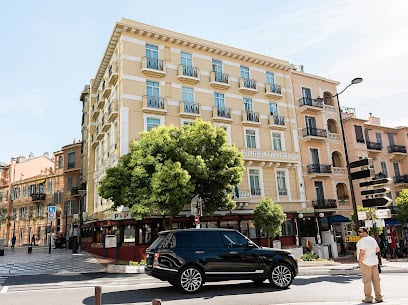
Monaco comprises several distinct quarters: Monte-Carlo, La Condamine (the port area), Monaco-Ville (the old town and palace area), Fontvieille (developed land), Jardin Exotique, Moneghetti, and La Rousse. The LGBTQ+ scene is primarily concentrated in Monte-Carlo, the most cosmopolitan and vibrant district, which is also the commercial and nightlife hub.
Monte-Carlo: This is the beating heart of Monaco's social scene. It's where most bars, restaurants, and clubs are located. The district is walkable and compact. Streets like Place du Casino and Boulevard des Moulins are pedestrian-friendly with cafes, boutiques, and restaurants. This is where most LGBTQ+ venues operate.
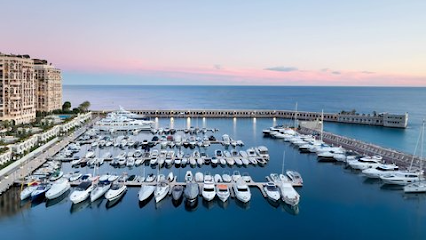
La Condamine: The port area is scenic and popular for waterfront dining and people-watching. While less specifically LGBTQ+-oriented, it's welcoming and a pleasant area to explore.
Monaco-Ville: The old town, perched on the Rock of Monaco, is picturesque but more touristy and less nightlife-focused.
Fontvieille: A purpose-built district with modern architecture, shops, and restaurants, also pleasant but less central to the gay scene.
Key Venues and Nightlife
Here is the honest picture: Monaco has no dedicated gay bars, gay clubs or gay saunas. The principality is too small and too expensive to sustain a dedicated LGBTQ+ venue, and it never has. What it offers instead is a thoroughly welcoming mainstream nightlife — the bars and lounges of the grand hotels, the Casino de Monte-Carlo and seasonal clubs — where same-sex couples are received without a second glance.
If you want an actual gay scene — gay bars, a gay sauna, a Pride parade — it is about 20 minutes west by train in Nice, which is the LGBTQ+ hub of the Cote d'Azur. Many visitors base themselves in Nice and treat Monaco as a glamorous day or evening out.
Events, Pride and Community
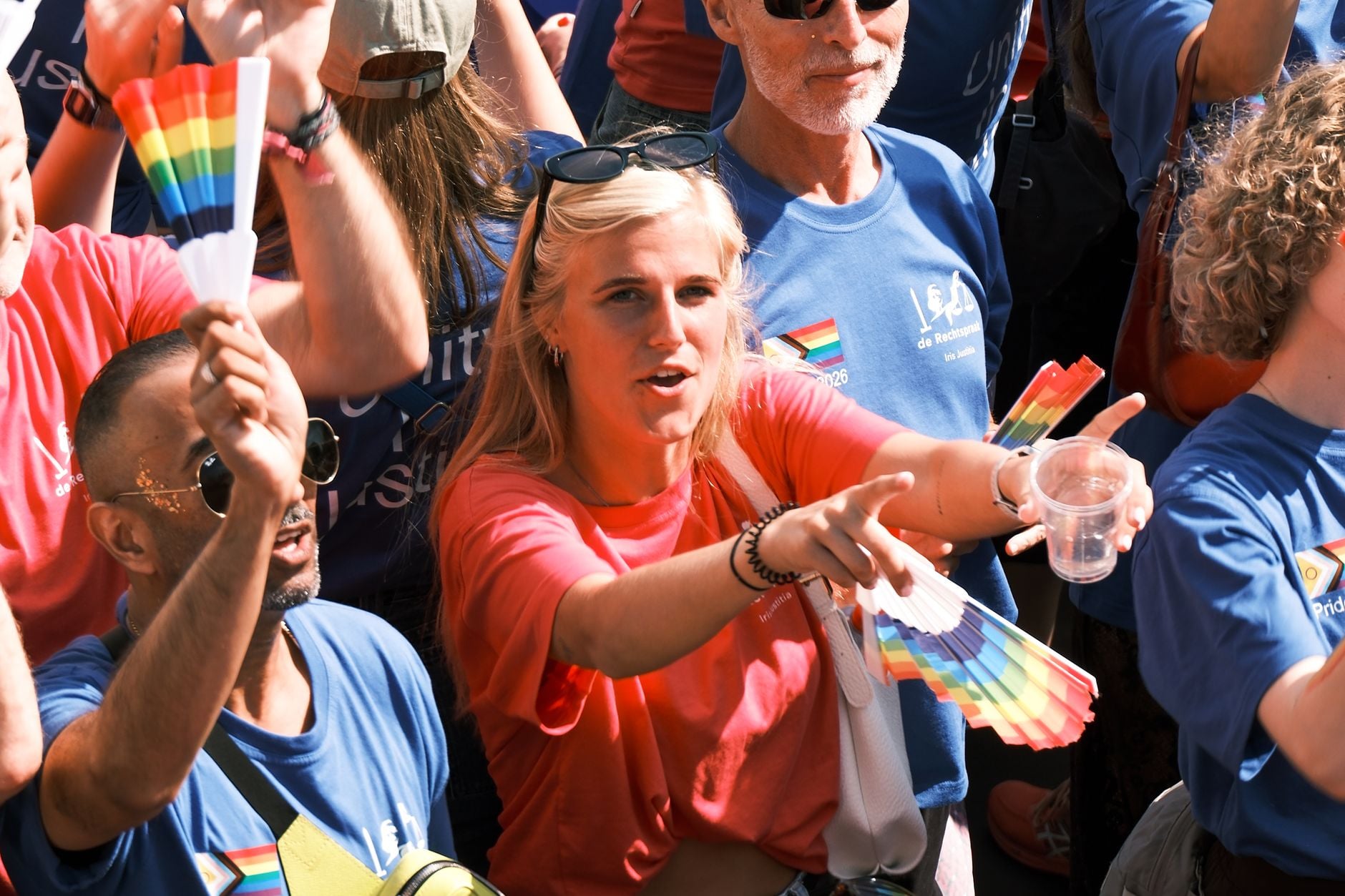
Monaco does host its own Pride. Monaco Pride has been held since 2021, but it is not a street parade: it takes the form of an invitation-style awareness reception and celebration each July, supported by Fight Aids Monaco (the charity founded by Princess Stephanie) and corporate partners. In 2024 the principality also gained its first LGBTQIA+ association, Mon'Arc en Ciel — a volunteer advocacy and social group of around 80 members. For a full Pride march, head to Nice's Pink Parade in mid-July.
The Monaco Grand Prix (May) draws international crowds and electrifies the whole principality, though it is a mainstream rather than an LGBTQ+ event. Summer is the liveliest season across the Riviera.
Where to Stay
Monaco's accommodation is exclusively luxury. Budget options do not exist in the principality. Hotels are world-renowned and extraordinarily expensive, particularly during peak season and special events.
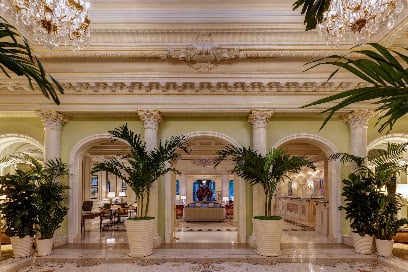
Hôtel de Paris Monte-Carlo: One of the world's most famous luxury hotels, facing the Casino de Monte-Carlo. Iconic, LGBTQ+-friendly, and prices reflect its status (€300-1000+ per night depending on season).
Fairmont Monte Carlo: A five-star property with excellent service, contemporary design, and a pool. Also very expensive.
Hôtel Hermitage Monte-Carlo: Another legendary property, equally luxurious and welcoming.
Budget-conscious travelers might consider staying in nearby French towns like Menton or Antibes and taking the train to Monaco, though this diminishes the experience of being in the principality itself.
For LGBTQ+ travelers, all major hotels in Monaco are affirming and professional. There are no LGBTQ+-specific accommodations, as the market doesn't support dedicated properties at this price point.
Monaco boasts multiple Michelin-starred restaurants, making it a gastronomic destination. Many fine-dining establishments are entirely LGBTQ+-friendly and cater to an international clientele.
Café de Paris: An iconic brasserie near the Casino, classic French bistro fare, people-watching central.
Le Louis XV: Three Michelin stars, located in the Hôtel de Paris, haute cuisine experience.
Quintessence: One star, known for modern cuisine.
Casual dining and café culture are also strong throughout Monte-Carlo, with numerous restaurants, pizzerias, and cafes offering good value relative to Monaco's luxury positioning (though still expensive by global standards).
Transportation
Monaco is tiny and entirely walkable. The entire principality can be traversed on foot in an hour. Most LGBTQ+-relevant venues are within a 15-minute walk of each other.
Public buses serve Monaco and connect to surrounding French towns. A single bus ticket costs €2 and covers travel within Monaco and nearby areas.
The train station (Gare de Monaco) is well-connected to the French Riviera: Cannes (20 minutes), Nice (30 minutes), Antibes (45 minutes), and Menton (10 minutes). This makes day trips and alternative accommodation feasible.
Cars are unnecessary in Monaco. Taxis are available but expensive. Rideshare services operate similarly.
Day Trips and Nearby Attractions
The French Riviera surrounds Monaco, offering numerous day trip options:
Menton (10 minutes by train): A charming coastal town with beaches, gardens, and a more laid-back atmosphere. Gay-friendly with some local venues.
Antibes (45 minutes): Historic town with beaches, nightlife, and more affordable accommodation and dining than Monaco.
Cannes (20 minutes): Famous for its film festival, beaches, and upscale atmosphere. Some gay venues and a more developed scene than Monaco.
Nice (30 minutes): The largest city on the Riviera with a more developed LGBTQ+ scene, beach culture, museums, and a more affordable base for exploring the region.
Eze: A hilltop medieval village with stunning views (about 30 minutes from Monaco by car or bus).
Corniche walks and coastal trails offer beautiful day activities.
Safety and Practical Considerations
Monaco is exceptionally safe. Crime is virtually non-existent. LGBTQ+ travelers face no discrimination or safety concerns. The principality is extremely secure with visible police presence and excellent infrastructure.
Monaco uses the Euro. ATMs are plentiful. Credit cards are widely accepted. Cash is useful for tips and small purchases.
Monaco's official language is French, though English is widely spoken in tourist areas and hotels. Italian and English are also common due to proximity to Italy and international tourism.
Visas: EU citizens require no visa. US, Canadian, and most other passport holders receive 90 days visa-free under the Schengen Agreement (as Monaco is associated with French sovereignty).
Weather: Mediterranean climate. Summers are hot (25-30°C / 77-86°F), winters mild (8-12°C / 46-54°F). May-September is optimal.
Climate
Climate change considerations: The principality sits at sea level on the Mediterranean and is studying climate adaptation.
Who Monaco is For
Monaco appeals most to affluent LGBTQ+ travelers, couples seeking luxury experiences, and those who prioritize fine dining, sophisticated nightlife, and exclusive atmosphere. It's ideal for celebration trips, romantic getaways, and travelers seeking a refined alternative to larger Pride festivals.
Monaco is not ideal for budget travelers, those seeking a large and visible LGBTQ+ community or Pride festival, or travelers seeking bohemian or countercultural gay scenes. The vibe is upscale, sophisticated, and integrated rather than distinctly gay-centered.
Conclusion
Monaco represents a unique LGBTQ+ destination: small, exclusive, exceptionally safe, and thoroughly welcoming. Rather than a dedicated gay hub, it's a luxury destination fully integrated into LGBTQ+ acceptance and tourism. Visitors should approach Monaco as a premium experience where sexual orientation is irrelevant to reception, rather than seeking a gay-specific scene. The principality's value lies in its beauty, sophistication, service, and location on the French Riviera, combined with complete LGBTQ+ acceptance and safety.
よくある質問
Yes, the principality's laws regarding LGBTQ+ rights are generally permissive, and the community experiences no systemic discrimination or safety concerns.
Monaco lacks the visible, organized LGBTQ+ infrastructure of nearby countries. It has evolved into a destination for sophisticated gay travelers seeking luxury and discretion.
No. Monaco is barely two square kilometres and has no gay district or gay venues. Social life centres on Monte-Carlo and the Port Hercule waterfront, but these are mainstream, upscale areas rather than LGBTQ+ ones. The nearest neighbourhood with a visible gay scene is in Nice, about 20 minutes away by train.
No. Monaco has no dedicated gay bars, clubs or saunas. Its hotel bars, lounges and seasonal clubs are mainstream but entirely welcoming to LGBTQ+ guests. For dedicated gay venues, Nice (about 20 minutes west by train) is the Riviera's LGBTQ+ hub.
Monaco Pride has been held since 2021, but as an invitation-style awareness reception each July rather than a street parade, supported by Fight Aids Monaco. For a full Pride march, Nice's Pink Parade takes place in mid-July, about 20 minutes away by train.
No. Same-sex marriage is not recognised in Monaco. However, since the law of 17 December 2019 (in force 27 June 2020) same-sex and opposite-sex couples can enter a 'contrat de vie commune' (cohabitation agreement), which grants limited rights. Adoption by same-sex couples is not permitted.



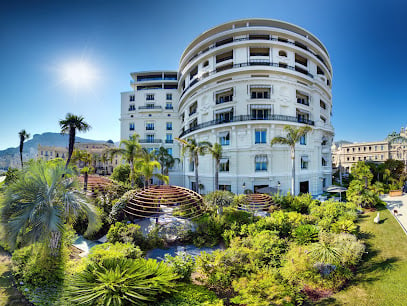 フレンドリーなLGBTQ+フレンドリーなホテル
(2212)