Kragujevac is Serbia's fourth-largest city and the historic heart of the Šumadija region in central Serbia. Home to roughly 150,000 people, it was the first capital of modern Serbia (1818–1841) under Prince Miloš Obrenović and today is a university and industrial hub, best known for the Zastava/Fiat car works and the moving Šumarice Memorial Park. It is a real, mid-sized city — not a village — but for LGBTQ+ travellers it is important to set expectations honestly: Kragujevac has no dedicated gay bars, clubs, saunas, or cruising venues.
Is There a Gay Scene in Kragujevac?
In short, no organised scene exists. Like most Serbian cities outside the capital, Kragujevac has no venue that presents itself as gay or LGBTQ+, and there is no local Pride event or LGBTQ+ organisation based in the city. This is not a hidden or "underground" scene — it simply is not here. Any listing you may see elsewhere claiming a "gay bar" or "gay club" in Kragujevac is inaccurate; several such listings are auto-generated aggregator errors (one even confuses a famous Ljubljana gay club with Kragujevac).
Serbia's LGBTQ+ life is concentrated almost entirely in Belgrade, about 140 kilometres (roughly two hours by car, bus, or train) to the north. Belgrade is where you will find gay bars, a sauna, cruising spots, Belgrade Pride, and organisations such as Da se zna! and Labris. Novi Sad, to the north-west, offers a smaller but real presence. For a gay night out, Belgrade is the practical base.
Getting Around and Where to Stay
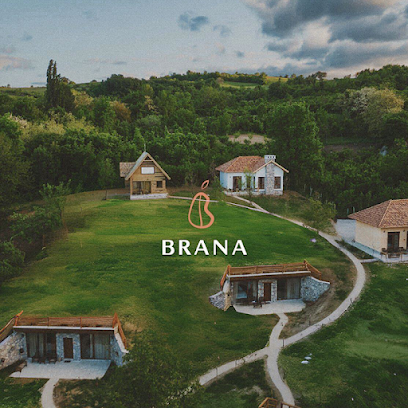
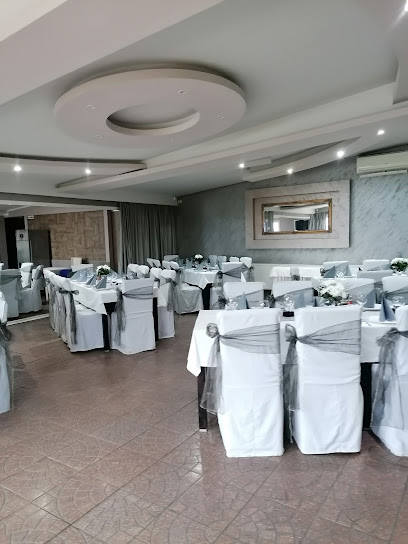
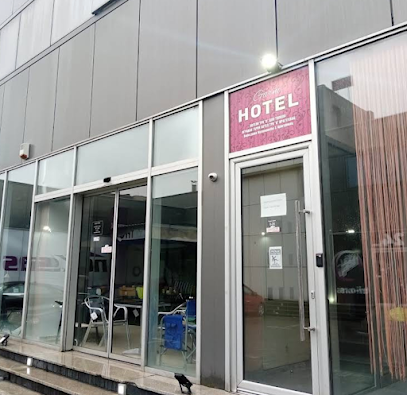
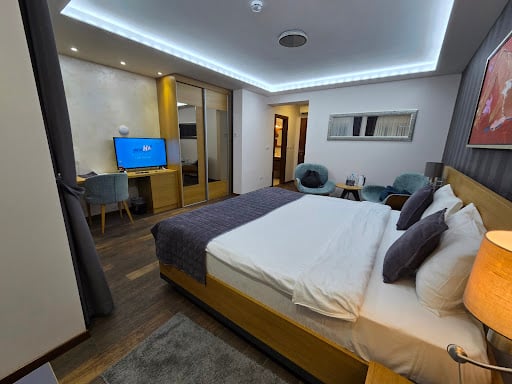
Kragujevac itself is comfortable and walkable, with a compact centre around the pedestrian zone, the old assembly quarter (Milošev venac), and the Lepenica river. The city has a solid range of mainstream hotels and guesthouses that welcome all guests — none market themselves as specifically gay, but Serbia's larger-city hospitality is generally professional and discreet. Central options put you within walking distance of restaurants, cafés, and the main square, while a few resort-style properties sit in the greener outskirts and nearby villages.
Serbia decriminalised homosexuality in 1994 and has an anti-discrimination law (2009) and legal gender recognition, but there is no recognition of same-sex partnerships or marriage. Attitudes in Kragujevac, as in much of provincial Serbia, are more conservative than in Belgrade. Violence specifically targeting LGBTQ+ people is uncommon but not unheard of — the Belgrade-based watchdog Da se zna! has recorded incidents in central-Serbian towns. Same-sex couples are advised to be discreet with public displays of affection. This is a matter of everyday prudence, not a reason to avoid the city.
What to See While You're Here
Kragujevac rewards visitors interested in history and culture rather than nightlife. The Šumarice Memorial Park and museum commemorate the October 1941 massacre of thousands of civilians, including schoolchildren; the "Old Foundry" and the first-capital-era buildings tell the story of nineteenth-century Serbia; and the University of Kragujevac keeps the centre young and lively with cafés and student bars. It makes a rewarding day trip or overnight stop when combined with a Belgrade-based itinerary.
Bottom Line
Kragujevac is a genuine, welcoming city to visit, but it is scene-less for gay travellers. Enjoy its history and hospitality, stay in one of its central hotels, and plan your gay nightlife, Pride, and community events around Belgrade.
最も近い本格的なLGBTQ+シーンは、ベオグラードにあります。車で北へ約140 km(所要時間約2時間)の距離で、バスや電車でもアクセス可能です。ベオグラードにはゲイバーやサウナがあり、Belgrade Prideのほか、Da se zna! や Labris などの団体も活動しています。さらに北西にあるノヴィ・サドにも、規模は小さいながら確かなシーンが存在します。
いいえ、クラグイェヴァツでは独自のプライドは開催されていません。セルビアの主要なプライドイベントは首都ベオグラードで開催される「Belgrade Pride」です。ベオグラードを拠点とする団体Da se zna!がクラグイェヴァツで連帯アクションを occasionally 行うことはありますが、恒常的な地元のプライドイベントはありません。
クラグイェヴァツは近代セルビアの最初の首都(1818年~1841年)であり、現在は大学都市かつ工業都市として知られ、歴史的にはZastava/Fiat自動車工場が所在していました。最も重要な見どころは、1941年10月の虐殺事件を記念するŠumarice Memorial Parkです。ベオグラードを拠点とした日帰り文化旅行や一泊旅行に最適な目的地です。


 フレンドリーなLGBTQ+フレンドリーなホテル
(22)