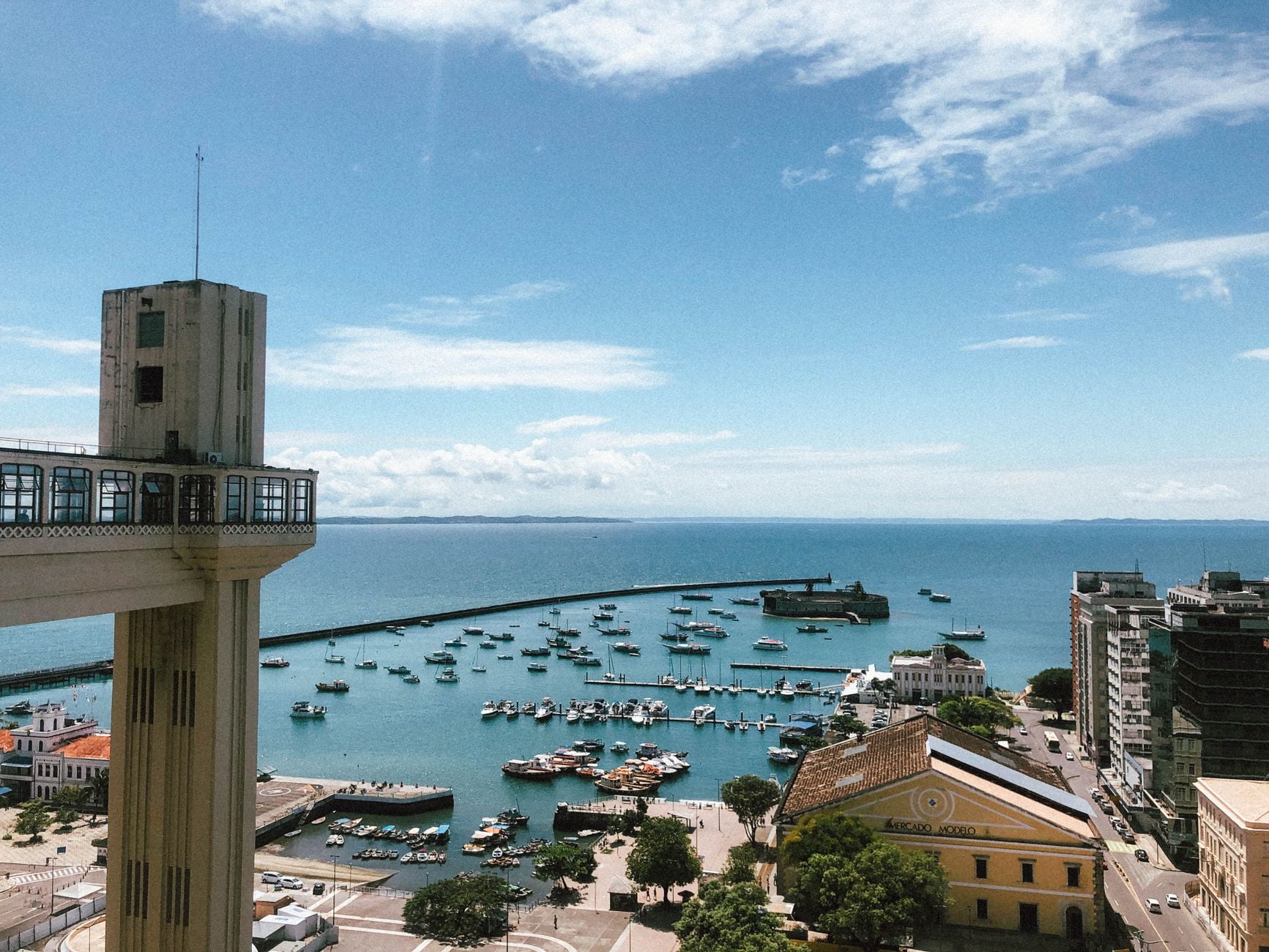
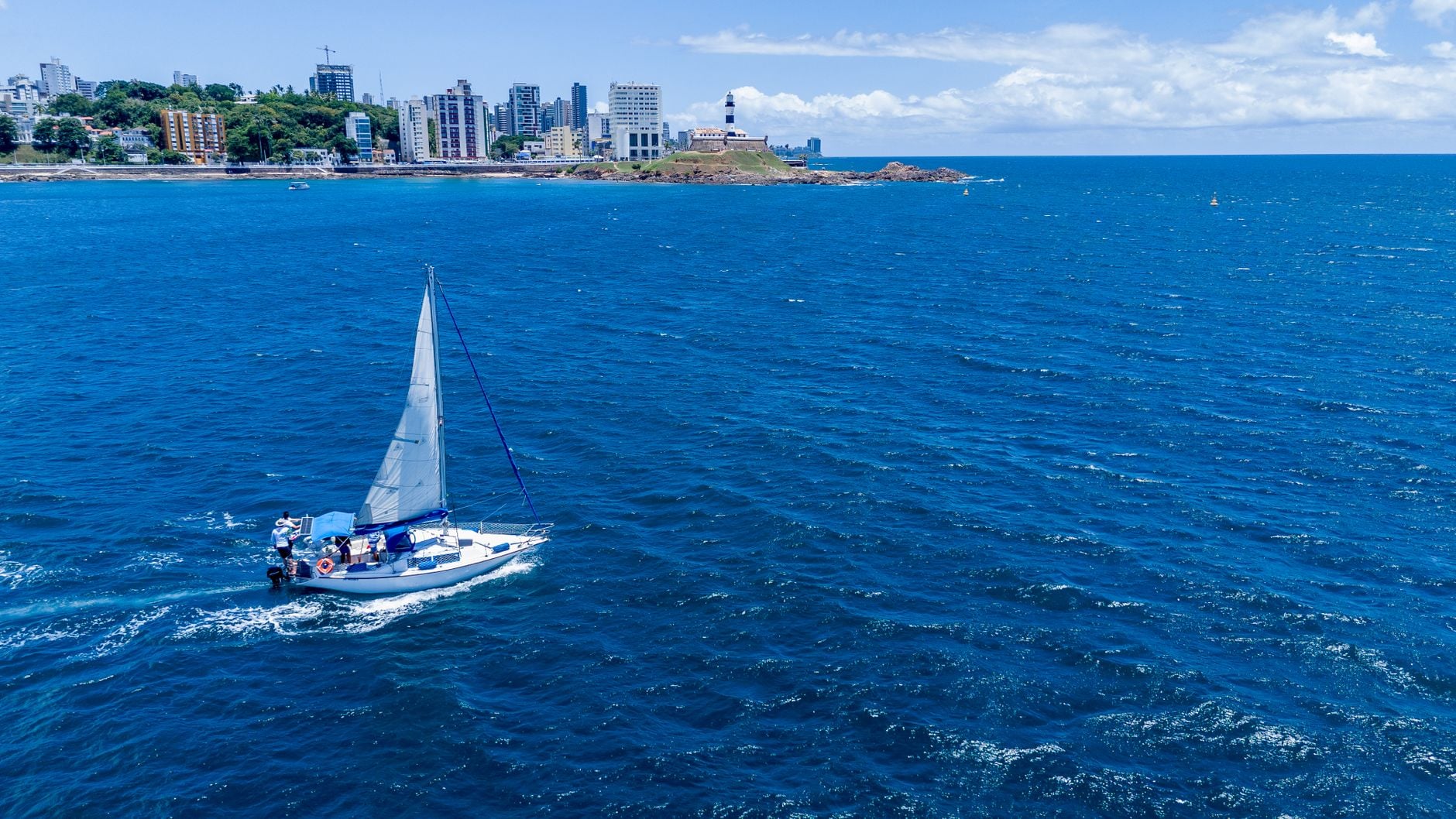
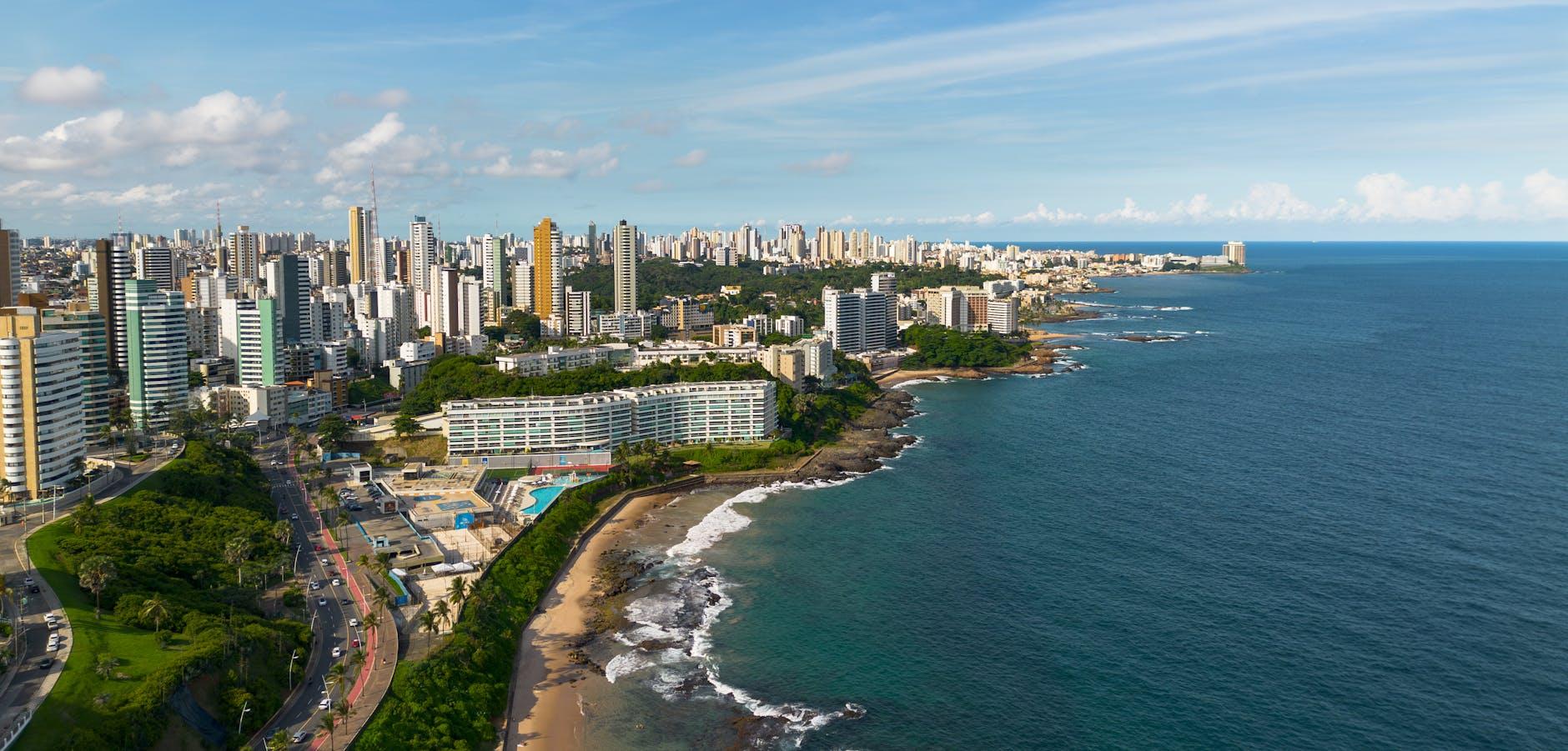
Salvador, capital of Bahia, is Brazil's first colonial capital (founded 1549) and the beating heart of Afro-Brazilian culture. Its LGBTQ+ life is warm, musical and deeply woven into the wider city rather than boxed into a single "gayborhood." The scene is less commercial than Rio's or Sao Paulo's, and its biggest queer moments are the world-famous Carnival and one of Brazil's oldest Pride movements, both led from Salvador by the pioneering Grupo Gay da Bahia.
HISTORY OF THE LGBTQ+ SCENE
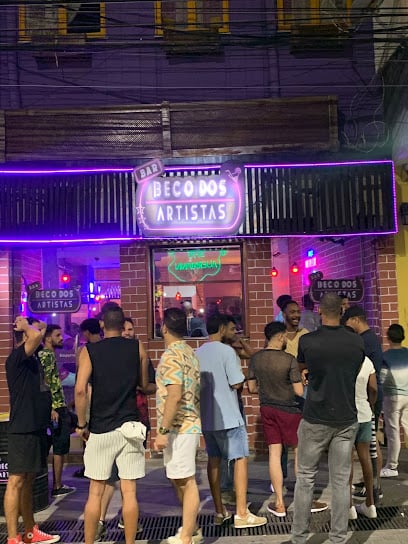
Salvador holds a special place in Brazilian LGBTQ+ history: the Grupo Gay da Bahia (GGB), founded in 1980 by anthropologist Luiz Mott, is the country's oldest active LGBT rights organisation and still compiles Brazil's national statistics on anti-LGBT violence. The city's gay nightlife grew up in the 1970s-80s around the Beco dos Artistas near Campo Grande and along Rua Carlos Gomes downtown, before the centre of gravity shifted in recent years to bohemian Rio Vermelho, today's main nightlife hub.
NEIGHBORHOODS
Rio Vermelho: The city's current LGBTQ+ nightlife heart. This bohemian, restaurant-packed district holds most of the dedicated gay venues, clustered around Rua Joao Gomes, Rua da Paciencia, Rua Oswaldo Cruz and Rua Conselheiro Pedro Luiz: the flagship club SAN (San Sebastian), Amsterdam Pop Club, Boteco do Paulista, Club The Hall and BECCO RV. Weekends are busy and mixed.
Barra: A beachside district north of downtown with a strong daytime gay presence at Porto da Barra beach and the men's cruising/dance bar Zoom Gay Bar. During Carnival, the Barra-Ondina beachfront (Circuito Dodo) is the main gay circuit.
Centro / Rua Carlos Gomes & Dois de Julho: The historic downtown gay strip, still home to Bar Ancora do Marujo (a long-running drag and community bar) and Carmen Lounge Bar, with nearby Bar da Pri in Santo Antonio.
Campo Grande / Beco dos Artistas: The 1970s-80s cradle of the local GLS scene near the Teatro Castro Alves - historically important and still a reference point, though quieter today.
Pelourinho: The UNESCO-listed colonial old town is tourist-facing rather than a nightlife hub, but it hosts the cabaret-karaoke spot Cereja Teatro Cabare and is home to the GGB. Lively and safe by day; take normal care after dark.
Pituba: A commercial district that is the base for gay saunas, led by Sauna Fox.
KEY VENUES
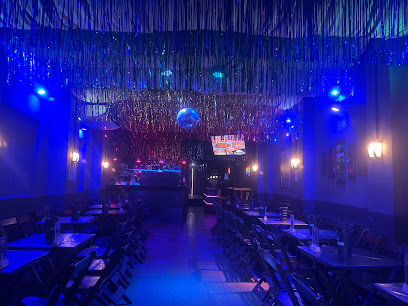
Bars and clubs: Rio Vermelho is where the scene concentrates - SAN (Salvador's flagship LGBT nightclub, rooted in the historic San Sebastian, now at the Piramide do Rio Vermelho), Amsterdam Pop Club (drag and go-go shows, same group as SAN), Boteco do Paulista (popular gay bar with daily drag), Club The Hall (alternative gay club) and BECCO RV (an LGBTQIAPN+ bar-cultural space paying homage to the Beco dos Artistas). Downtown, Bar Ancora do Marujo and Carmen Lounge Bar keep the Carlos Gomes strip alive, with Bar da Pri nearby in Santo Antonio. In Barra, Zoom Gay Bar is a men-only bar/club with darkroom and cruising.
Saunas
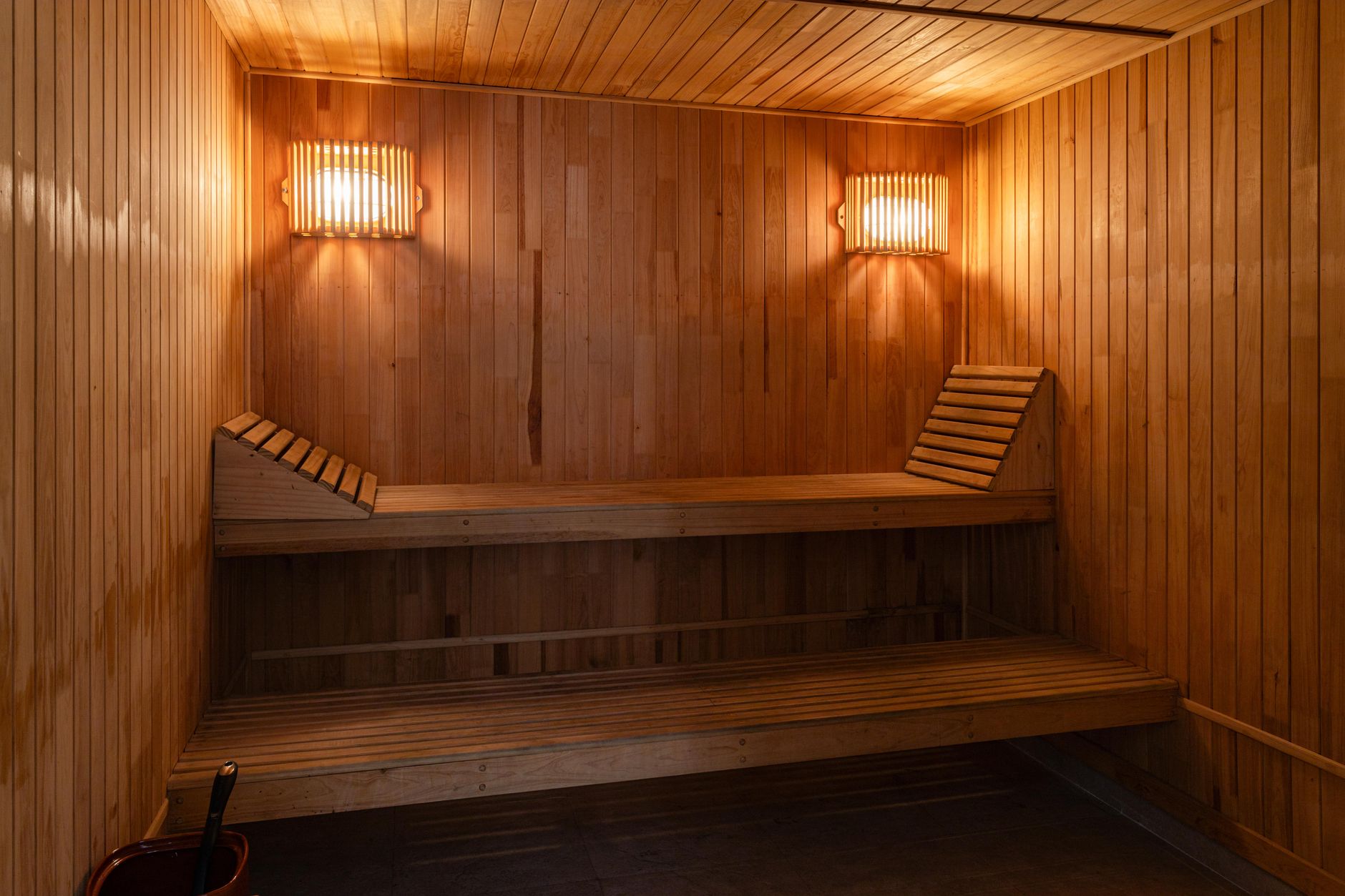
Saunas: The local Guia Gay Salvador lists four gay saunas - Sauna Fox (Pituba), Clube Rio's For Man (a large three-floor men's club in Barris), Sauna Paradise (Barra) and Clube 11 / Sauna Planetario 11 (Tororo, known for its stage drag shows).
Cruising: Brazil recognises same-sex marriage (since 2013) and criminalises anti-LGBT discrimination, but public sex remains an offence and some cruising areas carry real safety risk. The best-known after-dark spots are Morro do Cristo near the Barra lighthouse and the Farol de Itapua / Catussaba stretch far to the east - both are at-your-own-risk, isolated at night and best approached with discretion and caution.
Orgulho LGBT+ da Bahia (Salvador Pride): Organised by the Grupo Gay da Bahia, Salvador's Pride is held in early September - traditionally the Sunday before Brazil's Independence Day (7 September). Recent editions have run along the Barra circuit, from the Farol da Barra to the Clube Espanhol on Avenida Oceanica, with trios eletricos, music and tens of thousands of participants. GGB also runs a Diversity Week in the days beforehand.
Carnival (Barra-Ondina): Salvador's Carnival is the largest street party on earth and one of the most LGBTQ+ celebrations anywhere. The Circuito Dodo (Barra-Ondina), a roughly 4km beachfront route, is the main gay draw, with queer blocos and trios (recent years featured stars like Pabllo Vittar and Gloria Groove) and huge open "pipoca" crowds. Carnival falls in February; accommodation books far ahead and prices surge.
WHERE TO STAY
Barra and Ondina (beachside, relaxed, close to the Carnival circuit) and the Centro Historico / Pelourinho (walkable to sights and some nightlife) are the most popular bases; Campo Grande and Rio Vermelho are handy for nightlife. Options run from hostels and pousadas to boutique hotels such as Casa do Amarelindo in the old town.
Brazil is legally progressive - same-sex marriage since 2013 and homophobia/transphobia treated as crimes akin to racism since 2019 - and Salvador is a famously welcoming city, especially around Carnival and Pride. Anti-LGBT violence exists nationally, and Salvador has ordinary big-city street crime: use Uber/99 at night, avoid flashing valuables, keep to well-lit main streets after dark (particularly in Pelourinho and the Centro), and take extra care at isolated cruising spots.
TRANSIT
Salvador has a modern two-line Metro (Metro de Salvador, opened 2014) linking Lapa in the Centro out to the airport and Lauro de Freitas, alongside an extensive bus network. For nightlife, ride-hailing apps (Uber, 99) are the most convenient and are widely recommended after dark.
FOOD AND DRINK
Bahian cuisine is one of Brazil's richest - acaraje (black-eyed-pea fritters), moqueca (coconut-milk seafood stew) and plenty of fresh fish, washed down with caipirinhas. Rio Vermelho is a dining destination in its own right, and beach kiosks in Barra and Ondina serve seafood and cold beer through the day.
よくある質問
現在のナイトライフの中心地は、多くのゲイ向け店舗が集まるボヘミアンな地区であるリオ・ヴェルメルーです(SAN、Amsterdam Pop Club、Boteco do Paulista、Club The Hall、BECCO RV)。歴史的なダウンタウンのカールロス・ゴメス通り沿い(Bar Ancora do Marujo、Carmen)や近くのサント・アントニオでは昔ながらのシーンが今も続いており、カンポ・グランジ/ベコ・ドス・アルティスタスは1970〜80年代にその文化が生まれた場所です。バッラはビーチとクルージングの拠点であり(カーニバルのコースでもあります)、ピトゥバにはサウナがあり、ペロウリーニョはGGBやCereja Teatro Cabareなど観光客向けのスポットとなっています。
サン・サルバドールの主要なゲイバーやクラブが集まるのはリオ・ヴェルメルユ地区です。旗艦店であるLGBTクラブ「SAN」、Amsterdam Pop Club、Boteco do Paulista、Club The Hall、BECCO RVなどが、主にRua Joao GomesとRua da Paciencia周辺に点在しています。ダウンタウンでは、Rua Carlos GomesにあるBar Ancora do MarujoとCarmen Lounge Barでドラッグナイトが開催され、バルラ地区の男性専用バー「Zoom Gay Bar」にはバーエリアとダンスフロアがあり、クルージングも楽しめます。週末(木曜日から土曜日)が最も賑わいます。



 ゲイバー&クラブ
おすすめ
(625)