Curitiba, the capital of Paraná in southern Brazil, has a quieter and more integrated LGBTQ+ scene than Rio or São Paulo, but it punches well above its reputation. The city holds an important place in Brazilian queer history: the gathering at Boca Maldita (Praça Osório) in January 1995 is widely cited as the first gay pride demonstration in Brazil, and Curitiba is home to Grupo Dignidade, founded in 1992 and one of the oldest and most influential LGBTI+ organisations in the country. Alongside that activist backbone the city has a compact but genuine nightlife of gay bars, dance clubs and one of the richest gay sauna scenes in southern Brazil.
Where the Scene Is
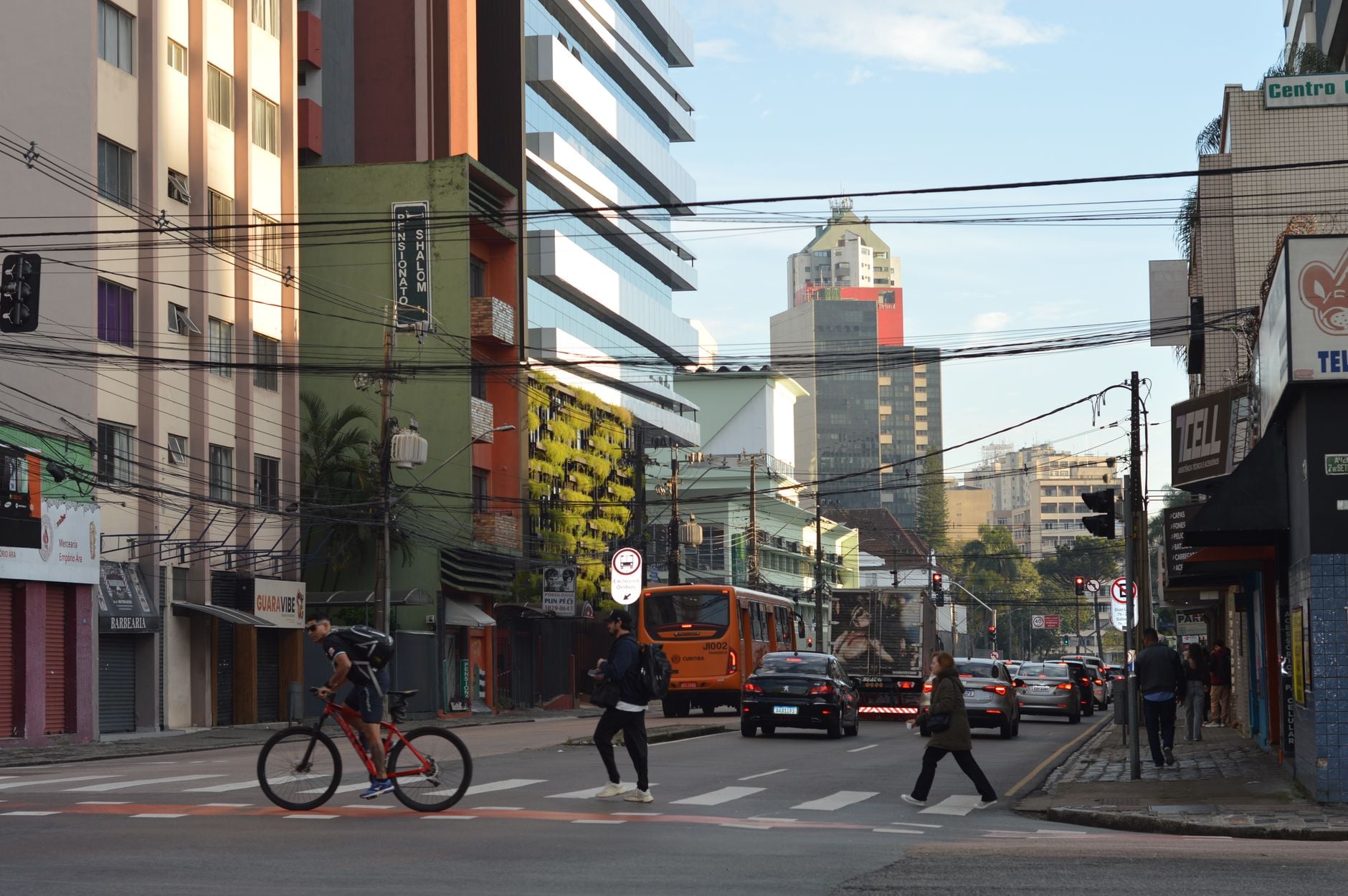
The heart of Curitiba's gay nightlife is the historic centre — the São Francisco and Centro districts around the cobblestoned Largo da Ordem. This is where most of the dedicated gay clubs cluster within walking distance of one another. Batel, the upscale nightlife district south of downtown, is a secondary hub with a couple of larger clubs, while a scattering of venues sits in and around Mercês and Rebouças. Everything is easy to reach on Curitiba's efficient bus network or by Uber, and the compact centre is walkable.
Bars and Clubs
For a night out, the historic centre is the place to start. Odara Café Lounge on Rua Comendador Macedo bills itself as the biggest gay bar in the city and is a reliable anchor. Nearby, Verdant and Bwayne (under the same ownership) are the city's mainstream-scale gay clubs, with multiple floors, drag shows and open-bar nights that pull big crowds. Santa No Soy on Rua Trajano Reis is a much-loved club with a playful devil theme, karaoke and a pop-loving crowd, while Dante Club runs themed electronic and pop parties. VU Bar in Mercês is one of the oldest venues on the scene, an alternative, indie-and-rock leaning club named after the Velvet Underground.
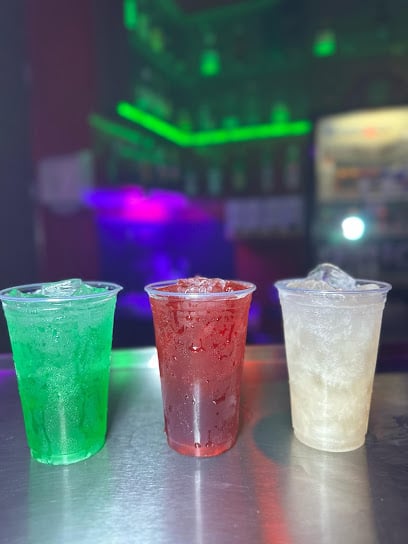
For pre-club drinks, Love y Gin is a fun, Instagram-friendly warm-up bar with a pool table and even a ball pit, and The Rainbow Bar is a laid-back queer bistro good for happy hour. Spot Bear serves Curitiba's bear community. In Batel, Dunkel Club and Volt Club are newer LGBTQ+ dance venues with pop, funk and electronic nights. Cataia Bar, on Praça Dezenove de Dezembro, is a bohemian cachaça-and-live-music bar that is very LGBTQ+-friendly and worth knowing about, though its crowd is mixed rather than exclusively gay.
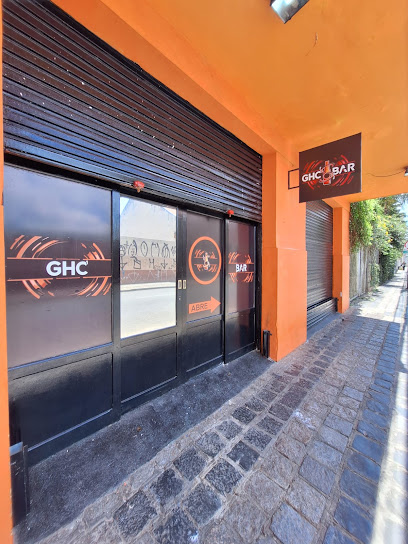
Curitiba also has an active cruising side: GHC Cruising Bar and La Feria Cruising Box are men's cruising venues in the centre with dark rooms and private cabins, for visitors who are looking for that.
Contrary to its buttoned-up image, Curitiba has a strong gay sauna (bathhouse) culture, with several long-running men's saunas. Domo 520 on Avenida Senador Souza Naves is the flagship — a modern complex with a bar, dry and steam saunas, a heated pool, dark room and private cabins. Sauna Caracala in Rebouças is the city's oldest and most traditional bathhouse, popular with a bear crowd, and Sauna Très Chic (part of the national Très Chic chain) sits nearby on Rua Engenheiro Rebouças. Thermas CWB in the centre, Bar & Sauna Opinião near Alto da XV, and Club 773 in Jardim Botânico round out a scene with something for most tastes. Most operate from the afternoon into the night; check each venue's social media for current hours.
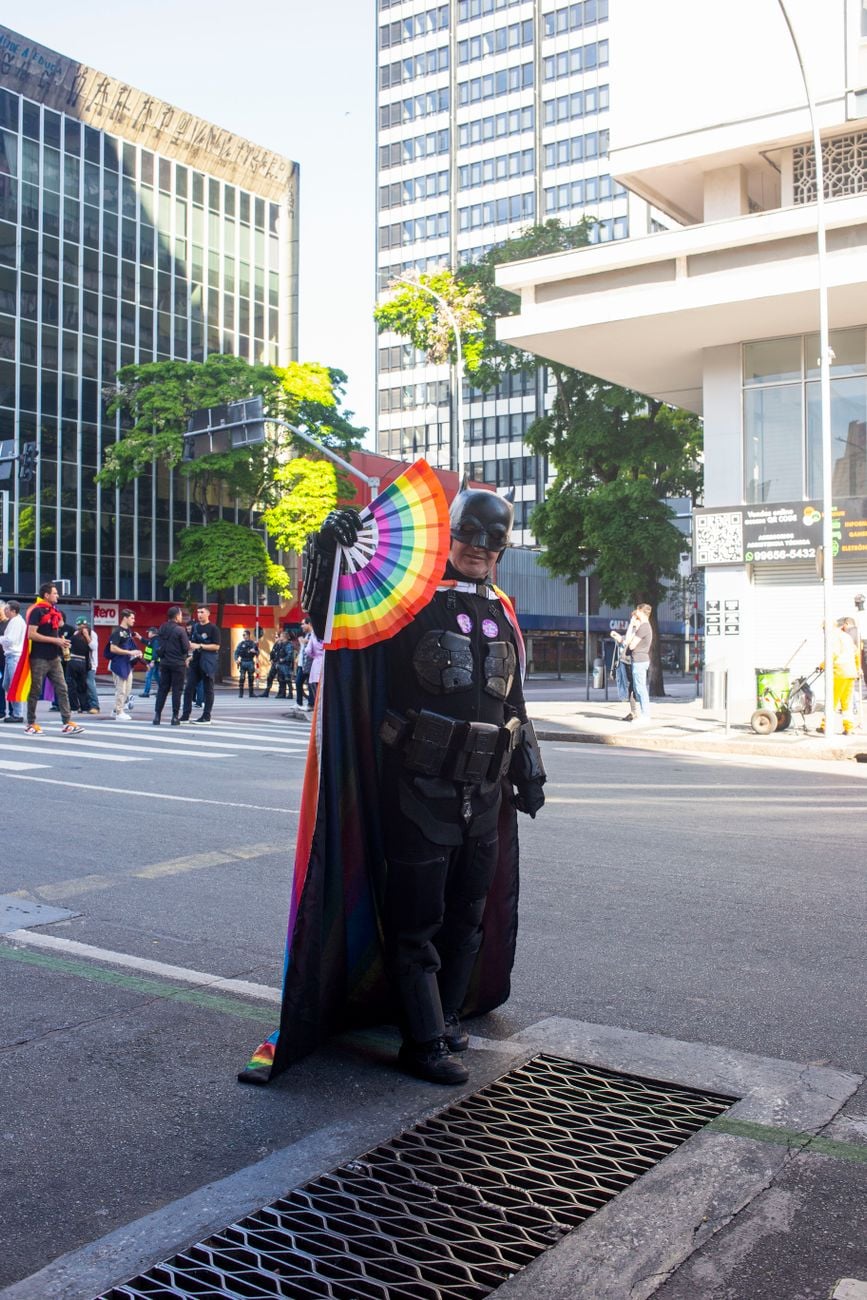
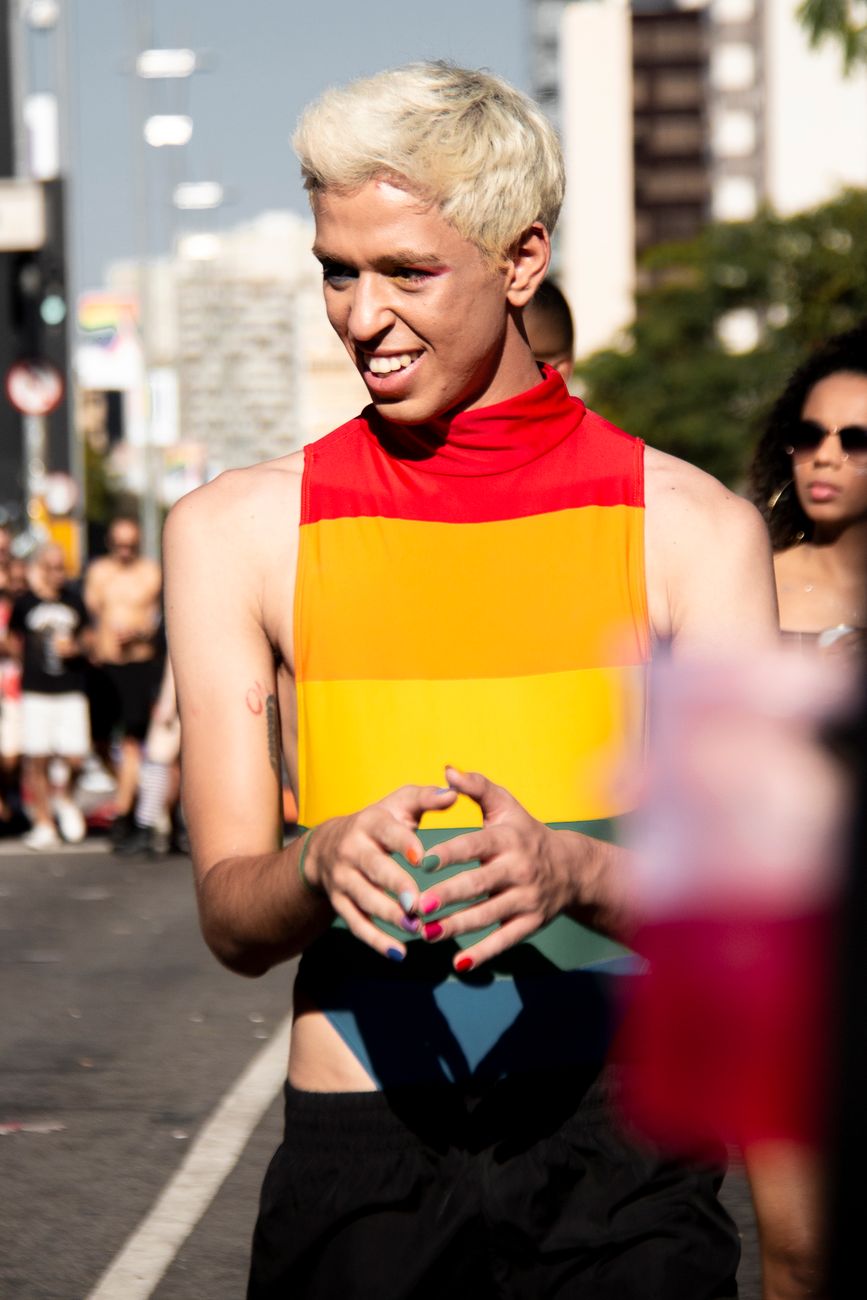
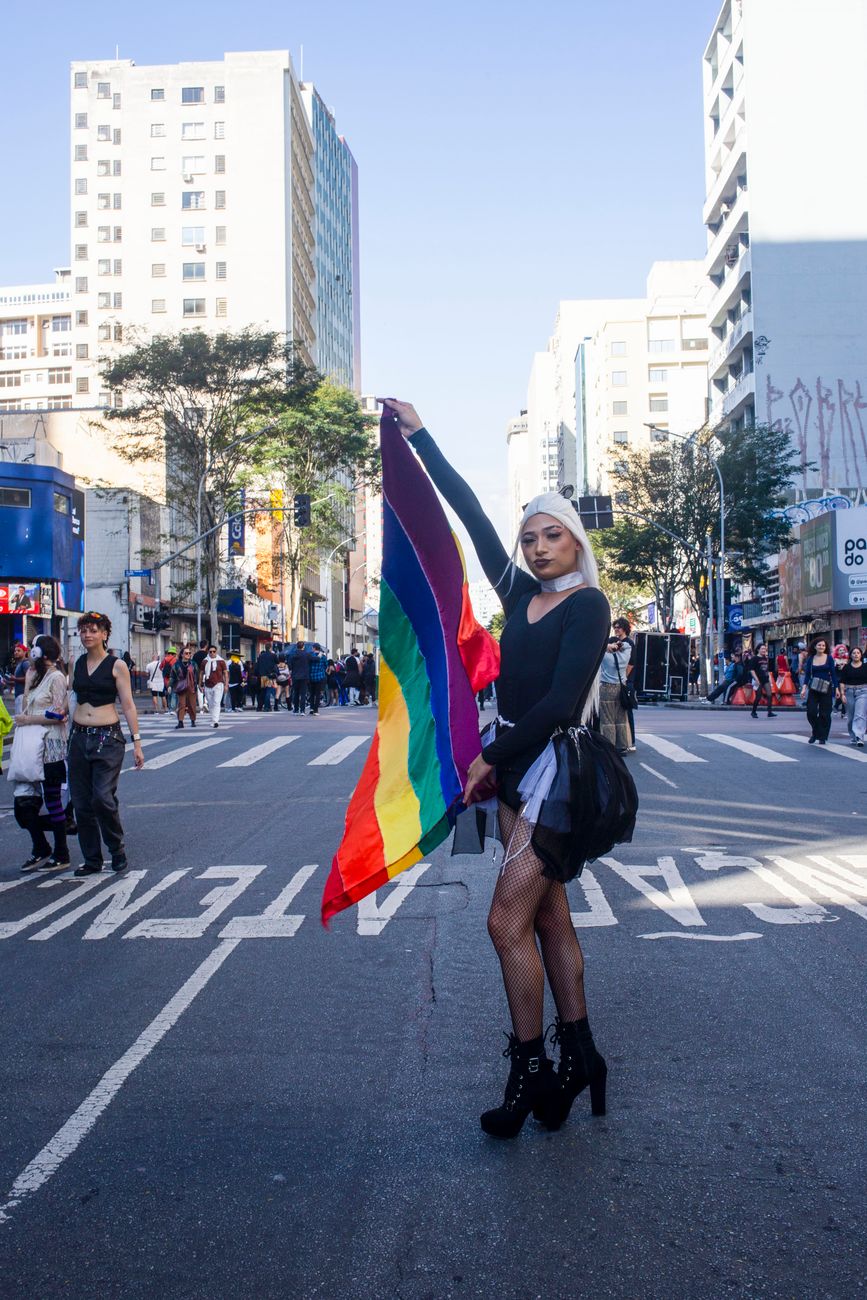
Curitiba's main celebration is the Parada da Diversidade de Curitiba, held on the last Sunday of September in the city centre, with the concentration point around Praça Santos Andrade and Avenida Marechal Deodoro. Organised by APPAD (Associação Paranaense da Parada da Diversidade), it draws tens of thousands and traces its roots to that pioneering 1995 gathering at Boca Maldita. Separately, Grupo Dignidade organises the Marcha pela Diversidade each year, tied to the International Day Against LGBTphobia in May — a smaller, more activist march that is distinct from the September parade. Grupo Dignidade and the TransGrupo Marcela Prado, both based in the city centre, offer legal support, health services including rapid HIV testing, and advocacy, and are good points of contact for visitors wanting to connect with the local community.
Where to Stay
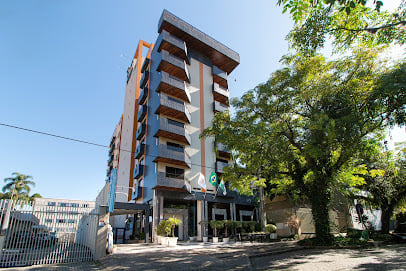
Staying in the centre or in Batel puts you closest to the nightlife and transit. Curitiba's hotels are largely business-oriented but welcoming, and the Batel corridor along Avenida Sete de Setembro concentrates many of the better-known options such as the Radisson, Intercity and Novotel, while central choices like the Grand Mercure Rayon, Lizon and Nomaa Hotel offer walkable access to the historic-centre bars. All of these neighbourhoods are considered safe for LGBTQ+ travellers.
Curitiba ranks among Brazil's safer big cities, with a visible police presence and generally lower street crime than Rio or São Paulo. Same-sex marriage has been legal nationwide since 2013 and Brazil has broad anti-discrimination protections. Public displays of affection are generally accepted in the central and progressive neighbourhoods, though ordinary discretion is sensible late at night and away from the busier areas. Follow standard urban precautions: avoid flashing valuables, stay aware after dark, and use Uber or registered taxis rather than walking through empty areas at night — this applies especially to the city's parks.
Getting Around
Curitiba pioneered bus rapid transit (BRT), and its bus network is clean, organised and affordable; Uber and taxis operate everywhere. The city centre is walkable and most gay venues sit within a 10–20 minute ride of downtown or Batel.
Beyond the Scene
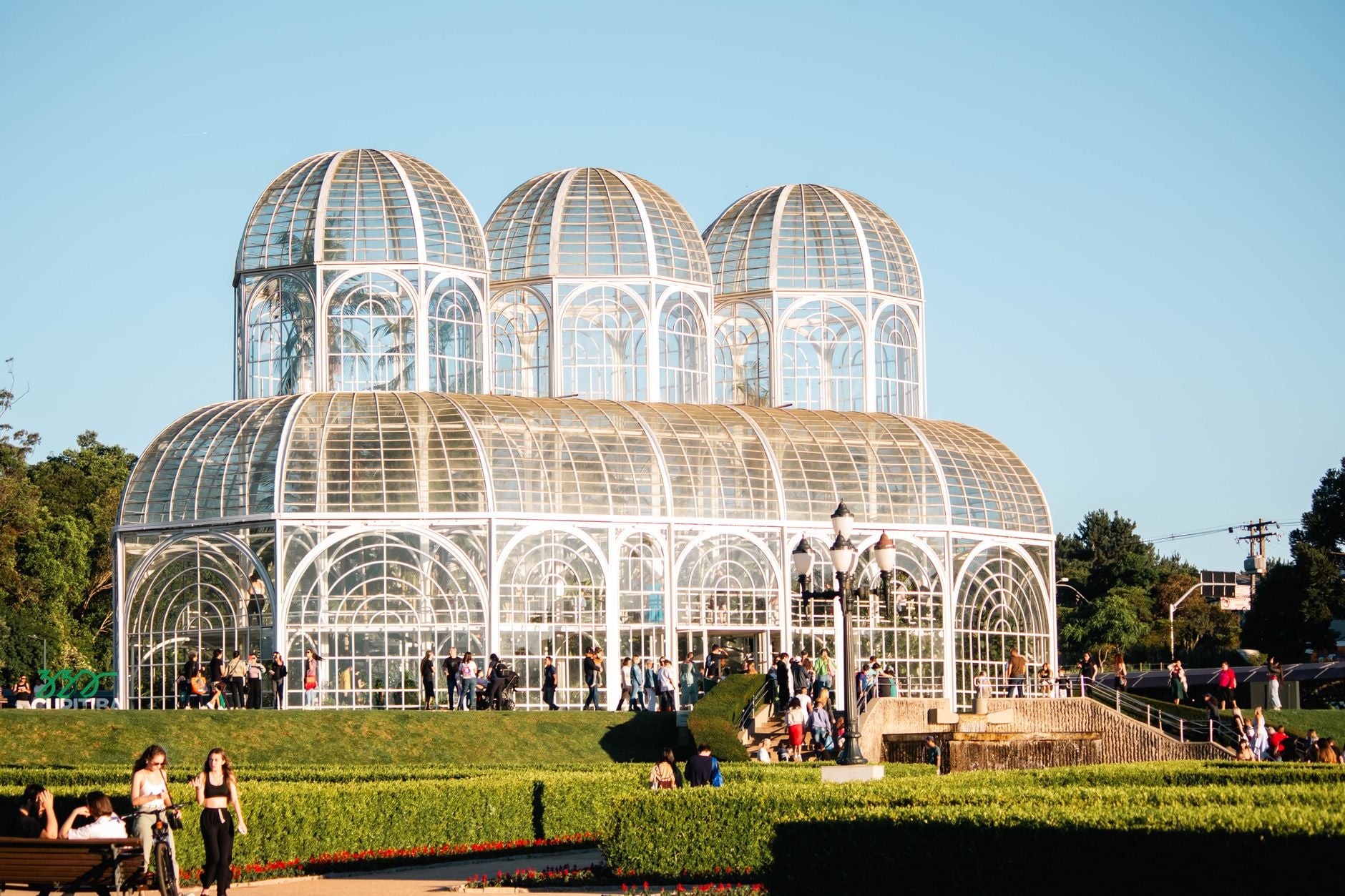
Curitiba is one of Brazil's most liveable cities, with standout attractions such as the Museu Oscar Niemeyer, the Jardim Botânico and the cultural life around Largo da Ordem, whose Sunday craft fair is a local institution. It is also a fine base for day trips: the Serra Verde Express train down the Serra do Mar to Morretes and the colonial coast at Paranaguá is one of Brazil's great scenic railways, and Iguaçu Falls is a short flight away.
Best Time to Visit
Late September is the natural time to visit for the Parada da Diversidade and the surrounding celebrations, and spring weather is pleasant. Curitiba sits on a plateau and is noticeably cooler and wetter than coastal Brazil year-round, so pack layers whenever you come. The June–August winter is chilly but dry and good for sightseeing, while the December–February summer is warm and the liveliest time in the bars.
Frequently asked questions
Yes. Curitiba is among Brazil's safer large cities, with lower street crime than Rio or São Paulo and a visible police presence. Same-sex marriage has been legal across Brazil since 2013, and Curitiba has a long activist tradition — Grupo Dignidade, founded here in 1992, is one of the country's oldest LGBTI+ organisations. Public displays of affection are generally accepted in the central and progressive neighbourhoods; use ordinary urban caution late at night and in the city's parks.
The heart of the gay scene is the historic centre — the São Francisco and Centro districts around the Largo da Ordem — where most of the dedicated gay clubs and bars cluster. Batel, the upscale nightlife district south of downtown, is a secondary hub with a couple of larger clubs, and a few venues sit in Mercês and Rebouças. The Batel and central corridors are also where most of the recommended hotels are.
Curitiba's main celebration is the Parada da Diversidade de Curitiba, held on the last Sunday of September in the city centre (around Praça Santos Andrade and Avenida Marechal Deodoro), organised by APPAD. It draws tens of thousands and traces its roots to a pioneering 1995 march at Boca Maldita. Grupo Dignidade also runs a separate, more activist Marcha pela Diversidade in May.
Most of Curitiba's gay bars and clubs are in the historic centre (São Francisco / Centro, around Largo da Ordem). Anchors include Odara Café Lounge, Verdant, Bwayne, Santa No Soy and Dante Club, with VU Bar in Mercês and Dunkel and Volt clubs in Batel. Love y Gin and The Rainbow Bar are good warm-up spots, Spot Bear serves the bear crowd, and GHC and La Feria are men's cruising venues. The city also has several gay saunas, led by Domo 520.
Yes. Curitiba's hotels are broadly LGBTQ+-friendly. The Batel corridor along Avenida Sete de Setembro concentrates well-known options such as the Radisson, Intercity and Novotel, while central choices like the Grand Mercure Rayon, Lizon, Nomaa Hotel and Grand Mercure put you within walking distance of the historic-centre nightlife. All are considered safe and welcoming for LGBTQ+ travellers.
Curitiba's scene is smaller and more integrated than Rio's or São Paulo's, but it is genuine and historically important. It has around a dozen gay bars and clubs, one of southern Brazil's richest gay sauna scenes, an established Pride parade, and pioneering organisations like Grupo Dignidade and the TransGrupo Marcela Prado. Think authentic community over tourist spectacle.
Your privacy choices.
We use cookies to run GayOut and, with your consent, measure usage. Learn more
Your privacy choices
We use cookies to keep GayOut running, remember your preferences, and (with your permission) measure how the site is used. You can accept all, reject all, or pick what you allow. Learn more
Essential
Required for sign-in, fraud prevention, CSRF protection and remembering your language. Cannot be disabled.
Always on
Remembers your favourites, dark mode and other interface preferences across visits.
Helps us understand which pages people visit (Google Analytics, server-side stats) so we can improve.
Used by campaign tracking pixels. None are active right now, reserved for future use.
Install GayOut
Add GayOut to your home screen for faster access, offline favourites, and Pride alerts.



 Gay Bars & Clubs
Featured
(92)
Gay Bars & Clubs
Featured
(92)