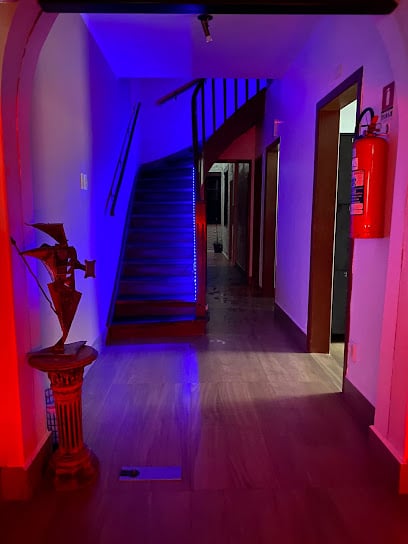
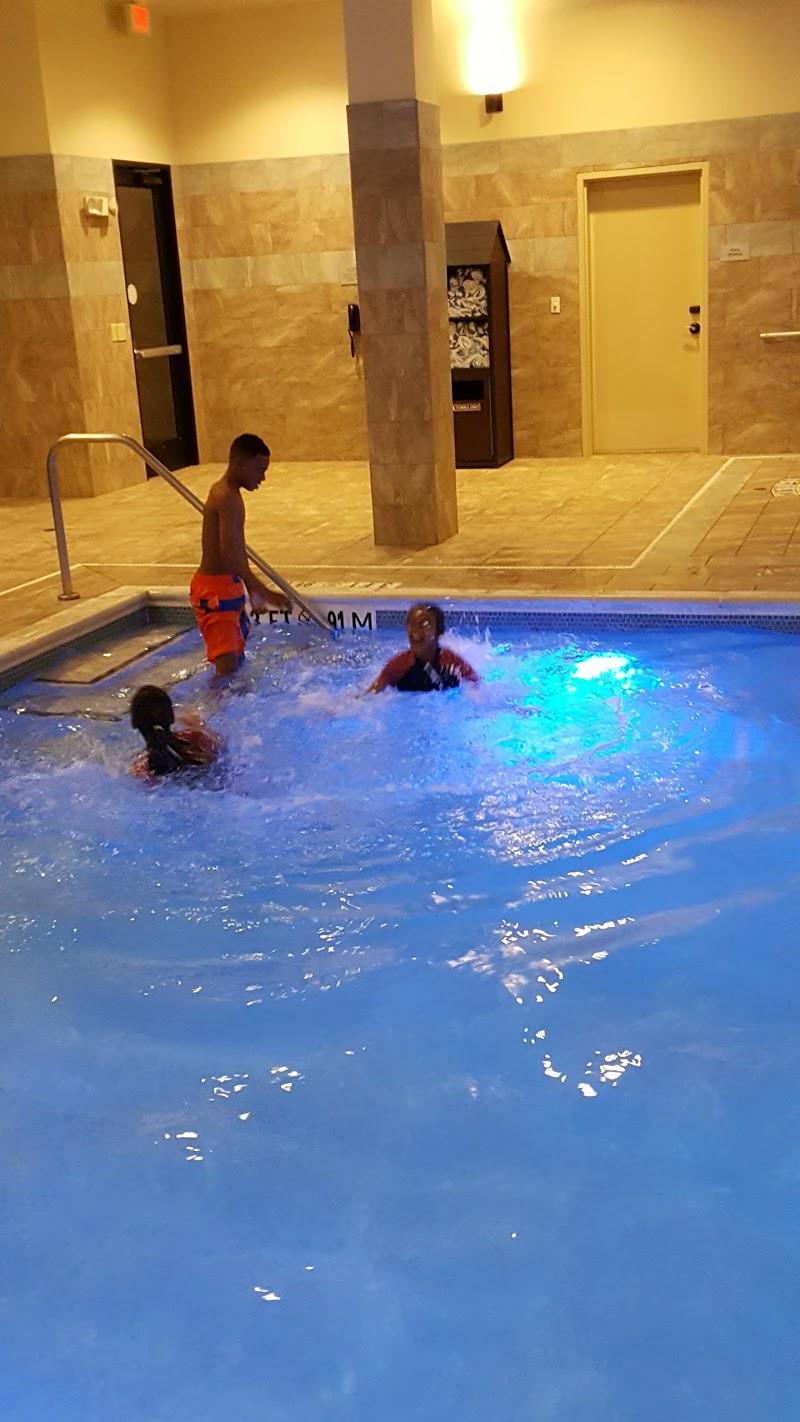
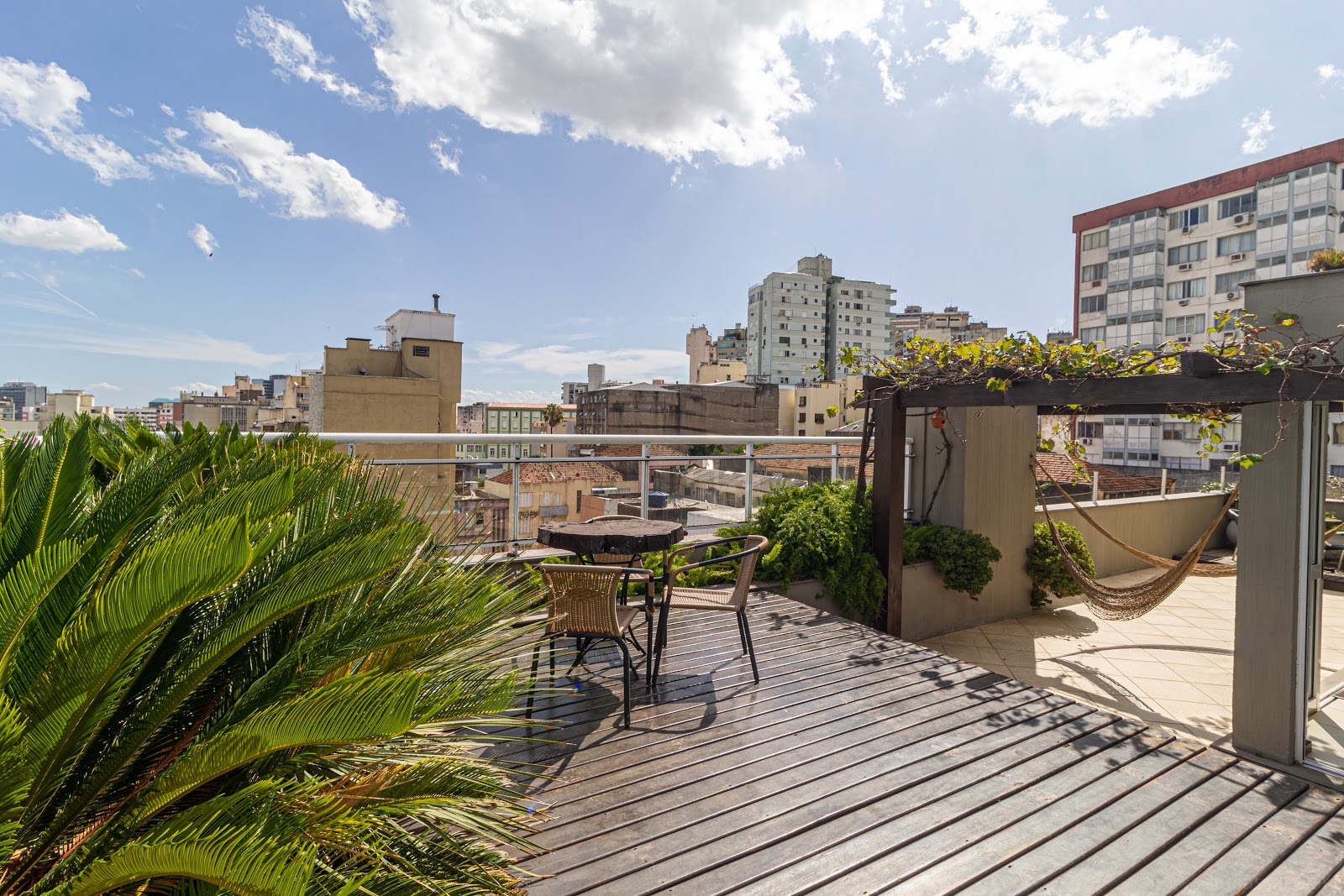
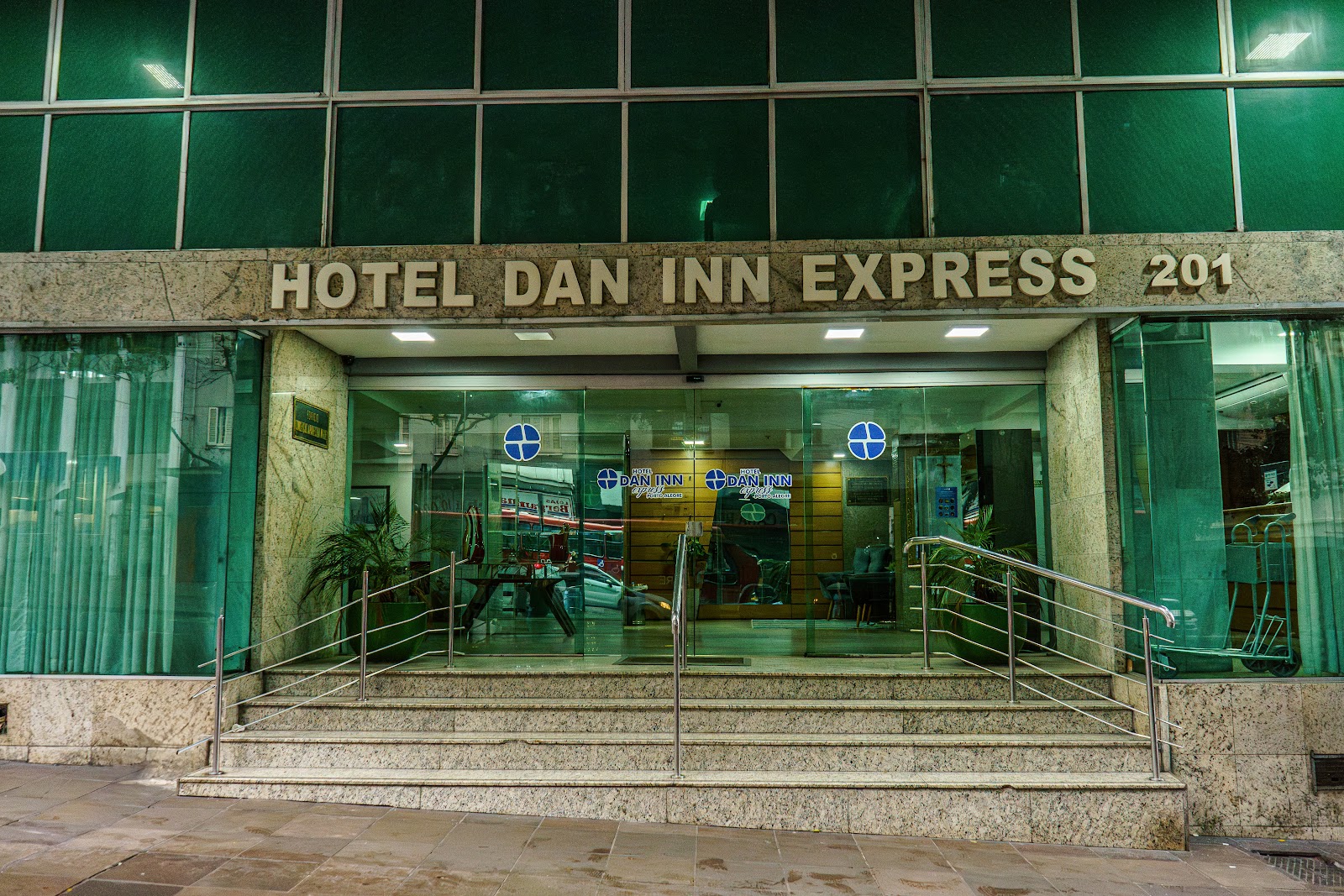
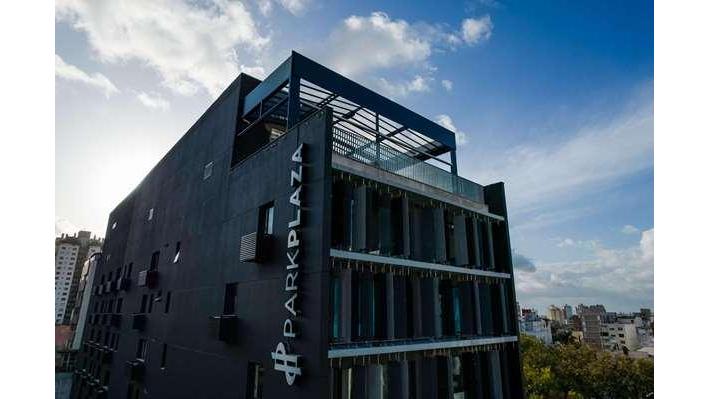
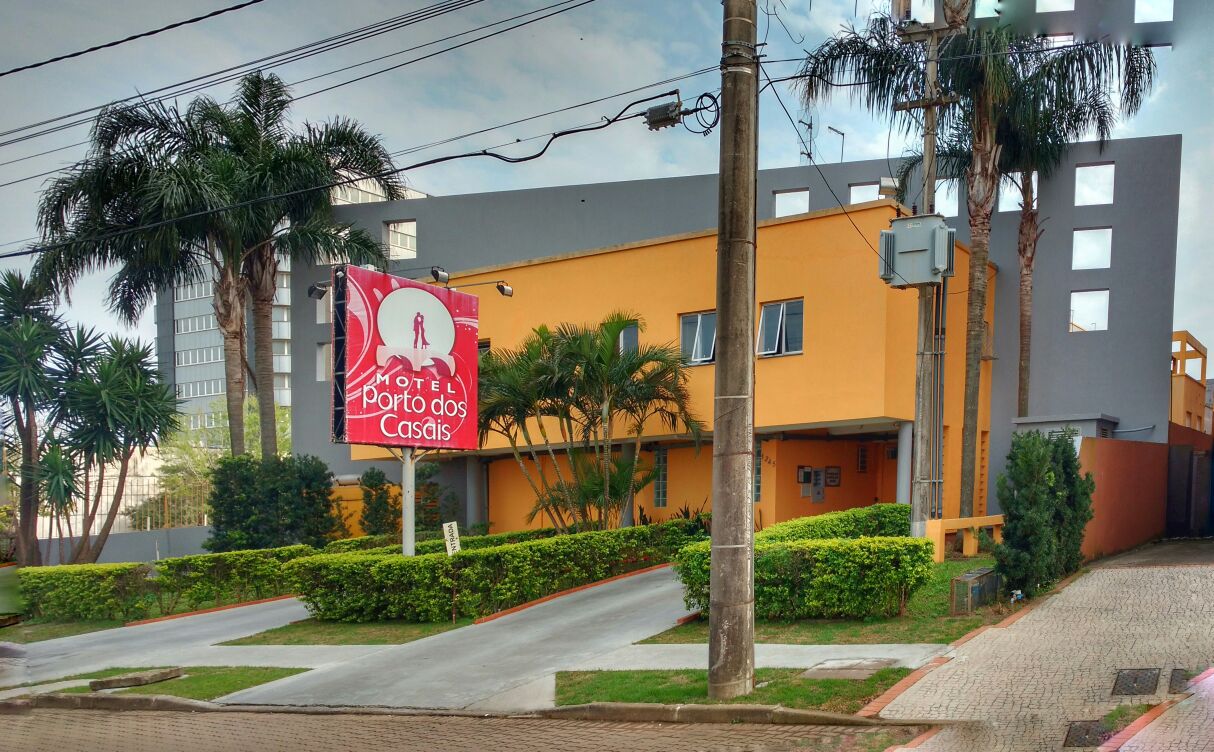
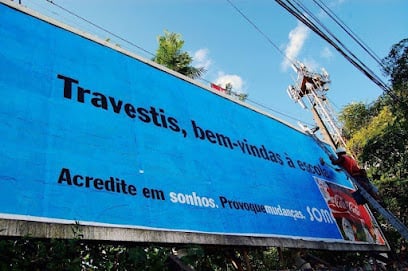
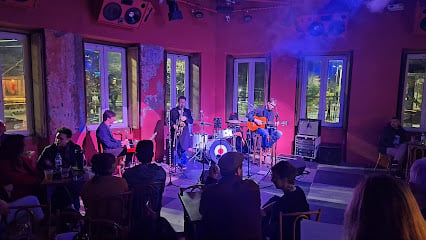
The Meliá Porto Alegre is one of the city's premier international hotels — explicitly gay-welcoming, centrally located in the Historic Centre, and the most reliable luxury accommodation option for…
Porto Alegre, the capital of Rio Grande do Sul state in southern Brazil, has developed into an increasingly welcoming destination for LGBTQ+ travelers. While not as internationally prominent as São Paulo or Rio de Janeiro, the city offers authentic Brazilian culture with a genuinely progressive local community and a well-established gay scene.
History of Porto Alegre's LGBTQ+ Scene
Porto Alegre's LGBTQ+ community has grown steadily since the 1980s and 1990s, when underground gay venues first emerged in the city center. The democratization of Brazil in the late 1980s allowed for greater visibility and organization, and Porto Alegre—as a culturally progressive city with strong leftist political traditions—became a natural hub for LGBTQ+ activism in the South. The city's gay movement gained momentum through the 1990s and 2000s, with community organizations forming to address health, legal rights, and social issues. Unlike some Brazilian cities, Porto Alegre's gay scene developed with significant integration into mainstream culture, partly due to the city's intellectual and artistic traditions. The Parada LGBTQ+, established in the late 1990s or early 2000s, became an annual focal point for community celebration and political expression.
Neighborhoods
Cidade Baixa (Lower City) is the historical center and the primary location of gay nightlife. This district, with its 18th and 19th-century architecture, narrow streets, and restored colonial buildings, has undergone significant gentrification and revitalization. It's home to most gay bars and clubs, along with restaurants, vintage shops, and galleries. The area is walkable and vibrant, especially Thursday through Sunday nights. Centro (the broader downtown area) also contains some LGBTQ+ venues and is where you'll find cultural institutions and plazas. Moinhos de Vento (Windmills), a more upscale residential neighborhood, hosts some gay-friendly restaurants and cafes but is less focused on gay nightlife. Bom Fim, another central neighborhood, contains alternative venues and cultural spaces with LGBTQ+ presence.
Venues and Nightlife
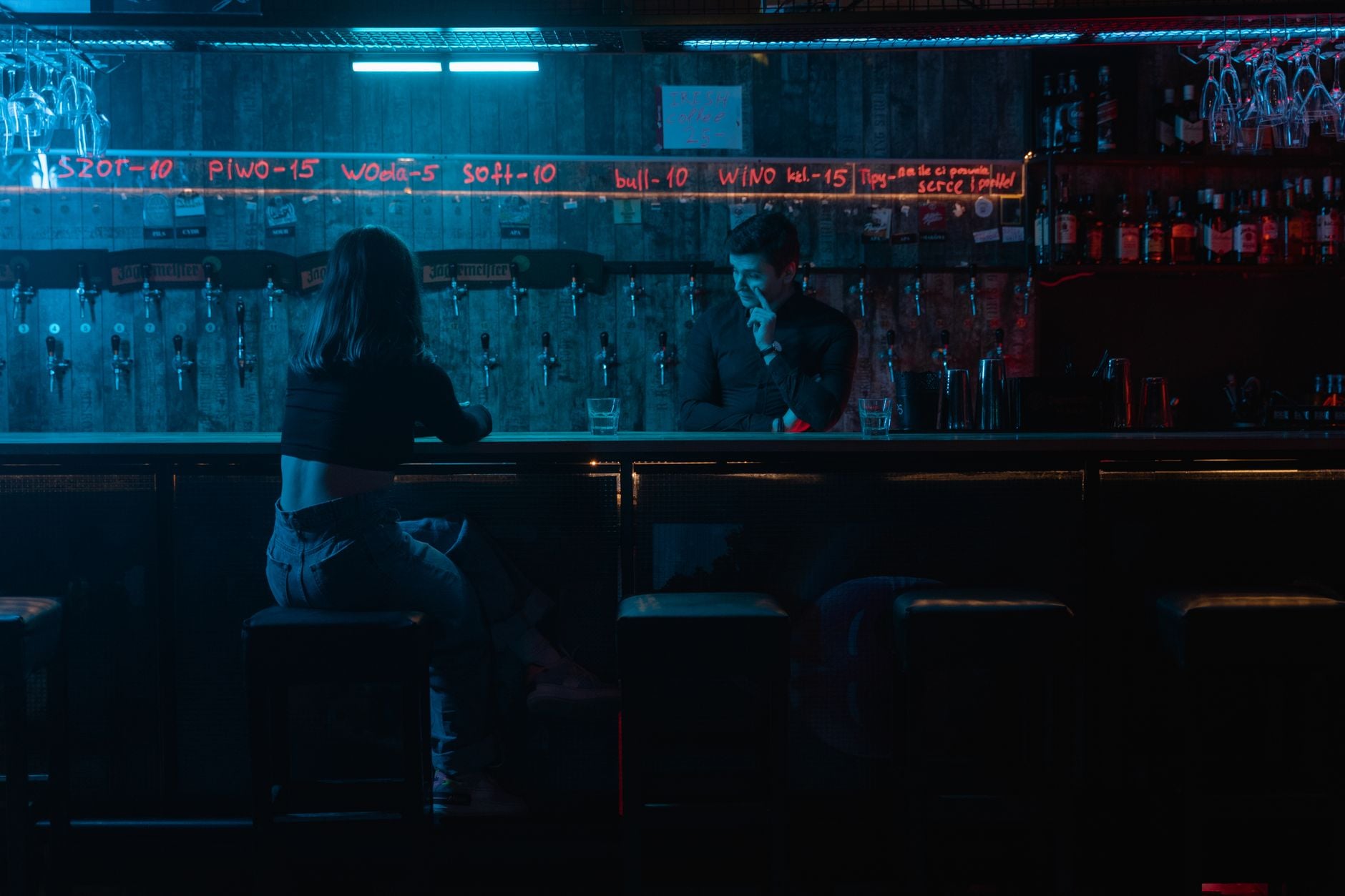
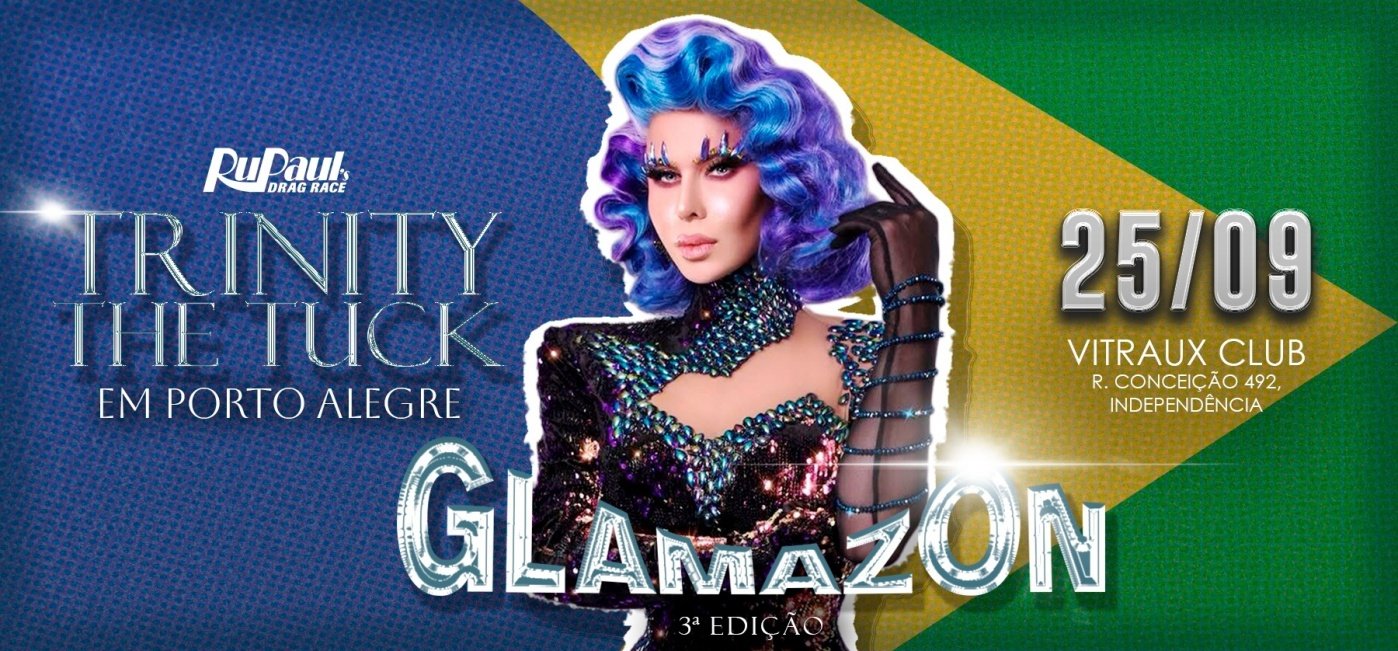
Cidade Baixa anchors the scene with bars like Purple Drinkeria, Porto Carioca and Venezianos, while Centro Historico hosts the dance clubs and drag stages of Cabaret Poa and Vitraux Club. A short distance north, the Floresta and Quarto Distrito districts hold Porto Alegre's gay saunas — Thermas 238, Thermas BC and Sauna Lux among them — plus cruising-oriented spots. The iconic Ocidente in Bom Fim remains a beloved mixed alternative-culture institution. The scene is generally more relaxed and less commodified than in larger Brazilian cities, with a mix of tourists and locals. Weekends, particularly Friday and Saturday nights, see the most activity. Many venues don't get busy until late (after 11 PM), reflecting Brazilian nightlife culture. The atmosphere tends to be friendly and inclusive, with less emphasis on strict dress codes or exclusivity compared to some larger cities.
The Parada LGBTQ+ de Porto Alegre typically takes place in early December (December 2025 fell on the 7th). The parade is a major event drawing tens of thousands of participants and supporters, with stages, performances, and celebrations throughout the city center and Cidade Baixa. Beyond Pride, Porto Alegre hosts various cultural events, theater festivals, and cinema programming with LGBTQ+ focus or participation throughout the year, reflecting the city's strong arts scene. Local LGBTQ+ organizations sometimes host social and political events; checking with tourism boards or community groups upon arrival can provide current event calendars.
Where to Stay
Visitors seeking proximity to gay nightlife should base themselves in Cidade Baixa or nearby Centro districts, where accommodation ranges from budget hostels to mid-range hotels and guesthouses. These areas are walkable and place travelers near bars, restaurants, and cultural attractions. Moinhos de Vento offers more upscale hotel options but requires transportation to reach Cidade Baixa's gay scene. Many LGBTQ+-friendly guesthouses and Airbnb options are available; checking recent reviews from queer travelers is advisable. For first-time visitors unfamiliar with the city, centrally located accommodation simplifies navigation.
Porto Alegre, like many Brazilian cities, requires standard urban travel precautions: avoid displaying valuables, stay aware of surroundings, use official taxis or ride-sharing apps (Uber, 99Taxis) rather than hailing cabs on the street, and avoid isolated areas late at night. The city is generally safer than São Paulo or Rio, though petty theft and robbery do occur. LGBTQ+ travelers should exercise the same common sense they would in any major city. Public displays of affection between same-sex couples are generally accepted in progressive neighborhoods like Cidade Baixa and among younger generations, though discretion is sensible in unfamiliar areas. Brazil does not criminalize homosexuality, and Porto Alegre's local government and institutions are notably LGBTQ+-supportive. Travelers should avoid discussing their LGBTQ+ status with unfamiliar people in conservative areas, as with travel anywhere, but the broader city environment is welcoming.
Transportation
Porto Alegre has a public transportation system of buses (operated by Carris/EPTC), and a metro/train system (Trensurb) connecting the city center to outlying areas. Taxis are widely available and relatively inexpensive. Ride-sharing apps like Uber and 99Taxis are popular, convenient, and safe. For visitors staying in Cidade Baixa or Centro, most gay venues and attractions are walking distance or a short taxi ride away. The city is sprawling, so having access to transportation is important for exploring beyond the central gay district.
Food and Dining
Brazilian cuisine features prominently, with churrascaria (barbecue restaurants) being a signature dining experience. Cidade Baixa and Centro host diverse restaurants, from casual botequins (bar-restaurants) to upscale dining. The city has good vegetarian and international options. Pizza and Italian food are popular in Porto Alegre. Many gay-friendly restaurants and cafes are found throughout Cidade Baixa and Moinhos de Vento. Local specialties include churrasco, seafood (given the city's proximity to coastal regions), and regional dishes from Rio Grande do Sul. Food is generally affordable compared to São Paulo or Rio.
Day Trips and Attractions
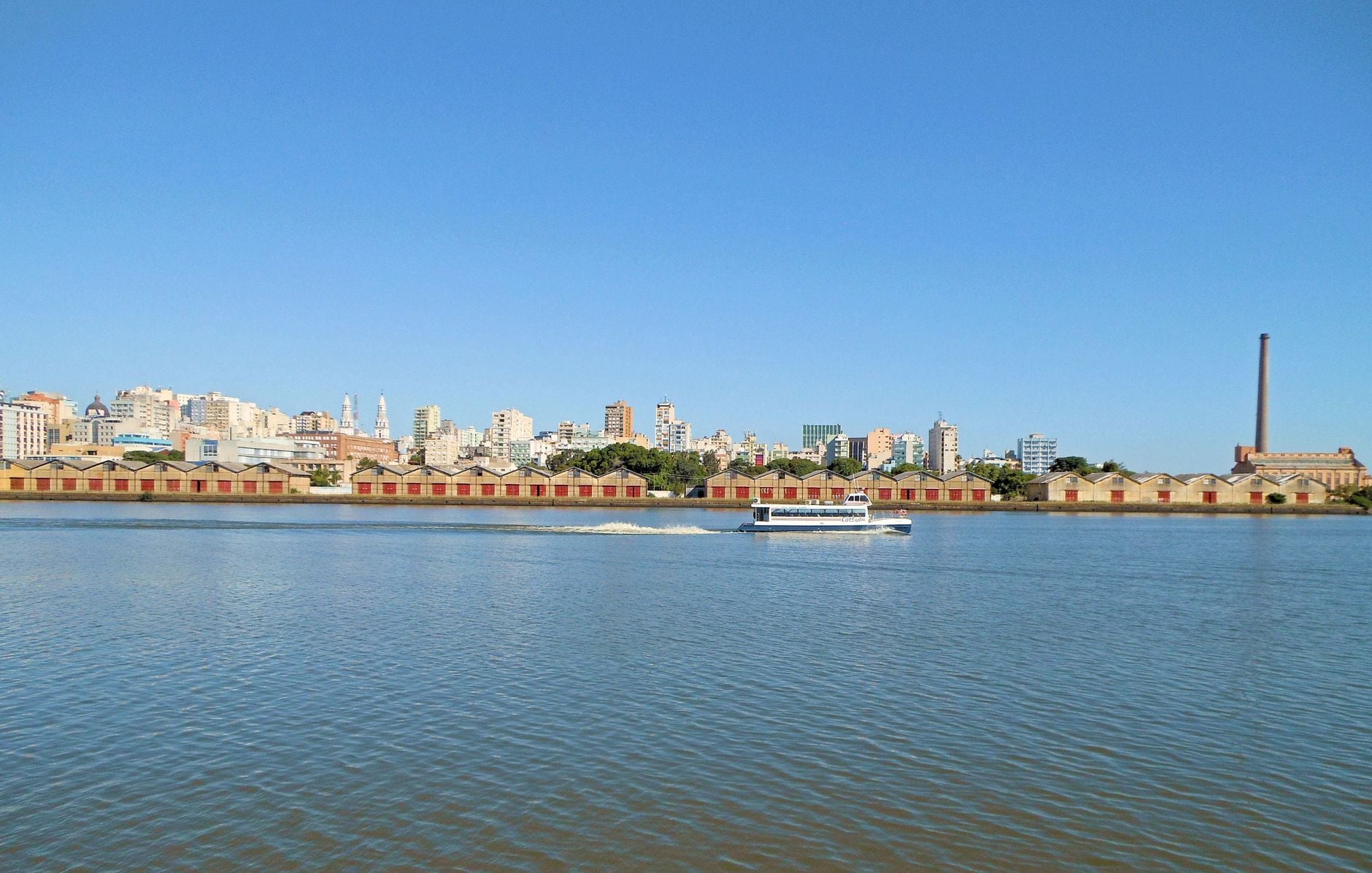
Beyond the gay scene, Porto Alegre offers cultural and natural attractions. Parque da Redenção (Redemption Park) is a large urban park popular for walking, cycling, and relaxation. Museu de Arte do Rio Grande do Sul (MARGS) showcases regional art. The city has multiple theaters, cinemas, and cultural centers reflecting its arts focus. Guaíba Lake, forming the city's southern boundary, offers waterfront areas and views. Day trips from Porto Alegre include the Litoral Norte beaches (several hours north), wine regions of Rio Grande do Sul (south and east), and smaller towns in the interior. For LGBTQ+ travelers interested in cultural tourism rather than beach scenes, Porto Alegre's museums, theater, and dining scenes provide substantial appeal.
Practical Information
Portuguese is the official language; English is spoken in tourist areas and by younger people but less commonly than in Rio or São Paulo. The Brazilian Real (BRL) is the currency. Porto Alegre is served by Salgado Filho International Airport, with flights to other Brazilian cities and some international connections. Visas depend on citizenship; many nationalities receive 90-day tourist visas upon entry. The city is in the southern hemisphere, so December through February is summer (warm, sometimes hot) and June through August is winter (cool, occasionally cold). The best time to visit for weather is September through November or February through April.
Overall, Porto Alegre offers LGBTQ+ travelers an opportunity to experience authentic Brazilian culture and gay community in a city that, while smaller and less international than São Paulo or Rio, provides genuine warmth, progressive values, and a lively (if more local and less commodified) gay scene.
Frequently asked questions
Porto Alegre is described as an increasingly welcoming destination for LGBTQ+ travelers, with a genuinely progressive local community. While not as internationally prominent as São Paulo or Rio de Janeiro, it offers authentic Brazilian culture.
Cidade Baixa (Lower City) is the primary location for gay nightlife, home to most gay bars and clubs. Centro also contains some LGBTQ+ venues, while Moinhos de Vento has gay-friendly restaurants and cafes.
The Parada Livre de Porto Alegre, the city's Pride march, is held annually in early December (the 2025 edition took place on December 7th), drawing tens of thousands to the Parque da Redencao and central streets. First staged in the late 1990s, it is one of southern Brazil's largest LGBTQ+ celebrations.
The scene concentrates in Cidade Baixa (bars such as Purple Drinkeria, Porto Carioca and Venezianos) and Centro Historico (clubs including Cabaret Poa and Vitraux Club). Gay saunas cluster in the Floresta district, among them Thermas 238 and Sauna Lux.
Porto Alegre offers an authentic Brazilian culture with a genuinely progressive local community and a well-established gay scene. Unlike some Brazilian cities, its gay scene developed with significant integration into mainstream culture.
Yes. Central options close to the gay scene include Hotel Melia Porto Alegre and Eko Residence Hotel in Centro Historico, plus the Porto Alegre Eco Hostel in Cidade Baixa within walking distance of the bars. Moinhos de Vento and Tres Figueiras offer more upscale hotels a short ride away.
Your privacy choices.
We use cookies to run GayOut and, with your consent, measure usage. Learn more
Your privacy choices
We use cookies to keep GayOut running, remember your preferences, and (with your permission) measure how the site is used. You can accept all, reject all, or pick what you allow. Learn more
Essential
Required for sign-in, fraud prevention, CSRF protection and remembering your language. Cannot be disabled.
Always on
Remembers your favourites, dark mode and other interface preferences across visits.
Helps us understand which pages people visit (Google Analytics, server-side stats) so we can improve.
Used by campaign tracking pixels. None are active right now, reserved for future use.
Install GayOut
Add GayOut to your home screen for faster access, offline favourites, and Pride alerts.






 Gay-Friendly Bars & Clubs
Featured
(1807)
Gay-Friendly Bars & Clubs
Featured
(1807)